






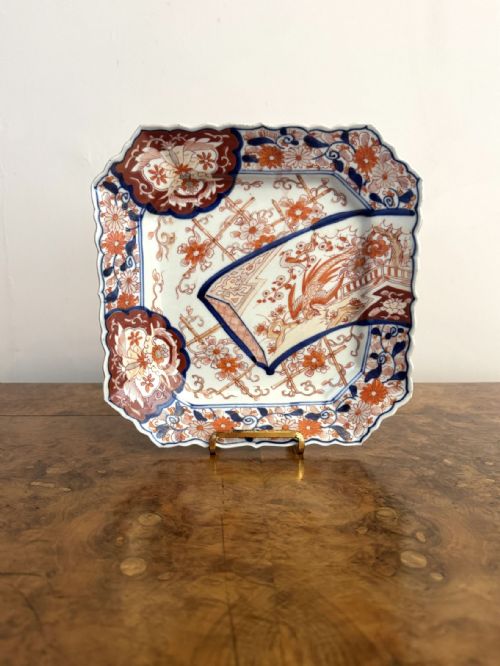

Japanese Porcelain Decorative Dish
When you handle a Japanese porcelain decorative dish, you hold centuries of refined ceramic tradition designed to command attention on any surface.
Japanese Porcelain Decorative Dish
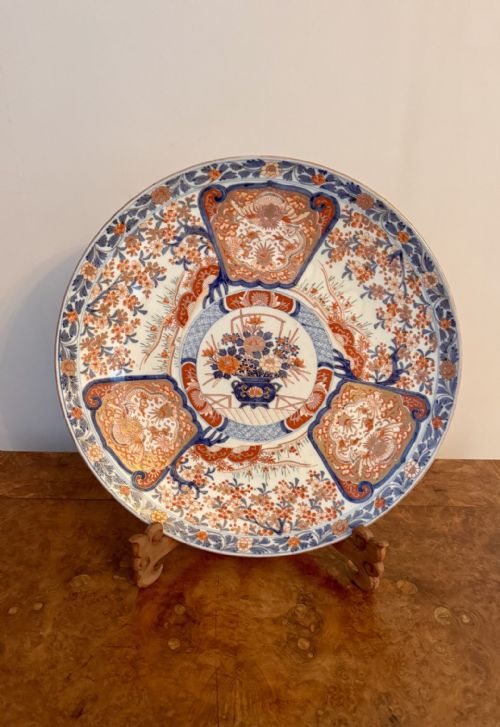
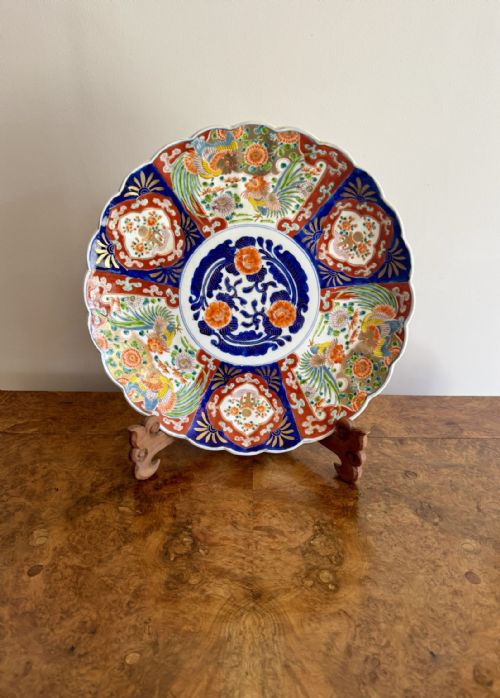
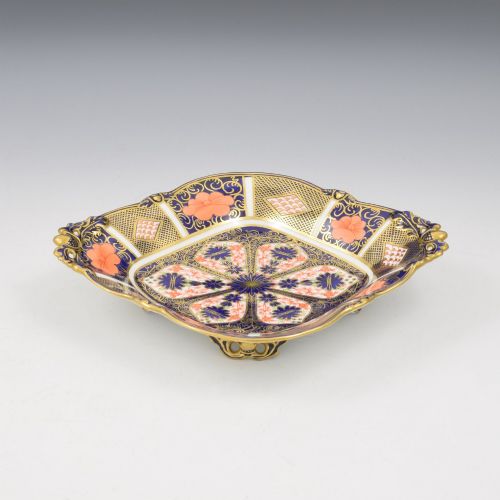
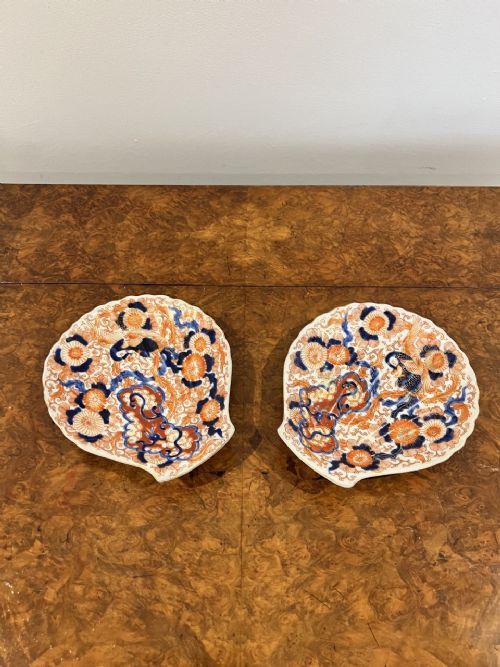
A Japanese porcelain decorative dish represents a rich lineage of ornamental tableware created for display and service, spanning the Meiji period, Edo period, and Victorian eras. These items appear primarily as chargers, shallow bowls, scalloped plates, and shell-shaped trays that bring distinct Eastern motifs into Western interiors.
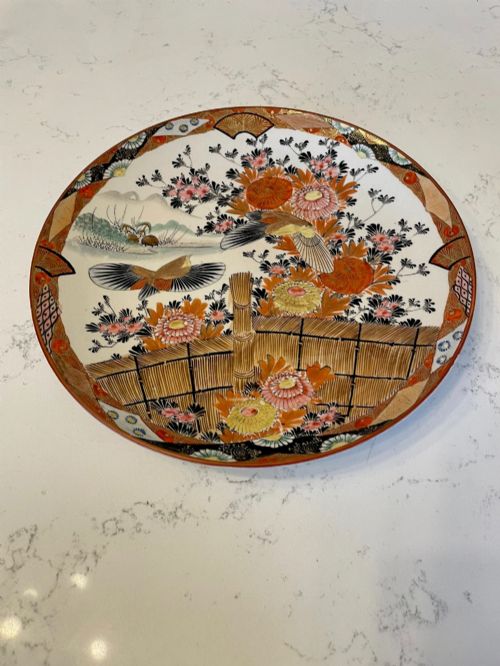
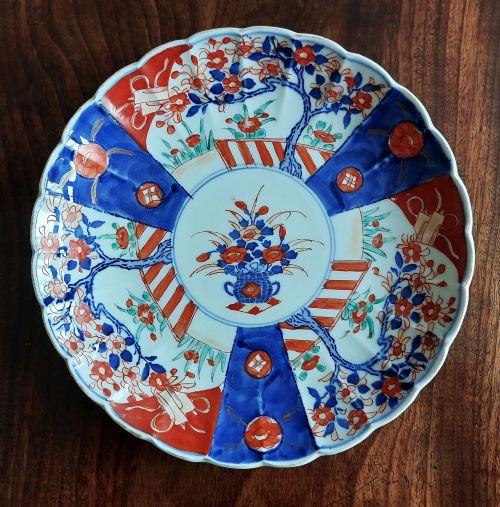
Buyers meet numerous examples featuring traditional Japanese Imari patterns alongside Kutani, Satsuma, and blue and white porcelain designs. The forms range from small cabinet plates to large chargers depicting floral elements, birds, and figures.
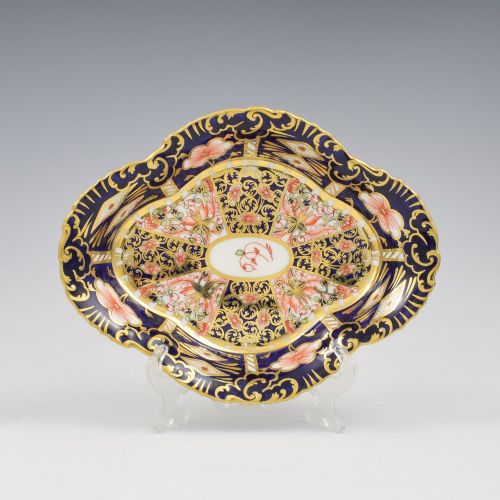
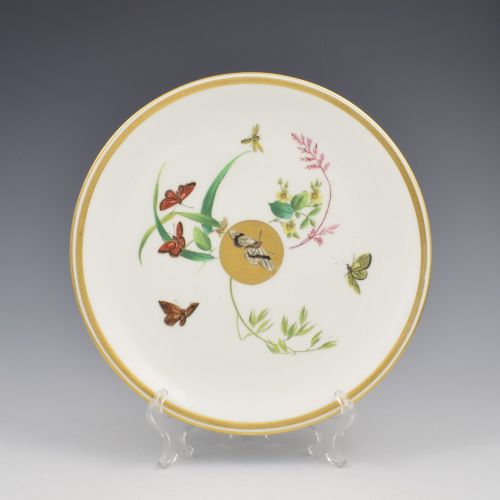
Originating largely from the late nineteenth century and the early twentieth century, these ceramics combine utilitarian shapes with pure decorative intent. Collectors encounter works produced both in Japan and by British makers influenced by Japanese style.
How they were made
Potters shaped fine porcelain and ceramic bodies before applying detailed hand-painted designs using rich enamel colours, gold leaf, and cobalt blue underglaze. Artisans then fired the pieces to fuse the mineral pigments into the vitreous glaze.
Many items incorporate raised moriage details, intricate gilding, and cloisonné-style tree bark effects known as totai shippo. The combination of underglaze blue and overglaze iron red with gilt highlights defined the classic Imari aesthetic.
Several plates take the shape of clam shells, bringing a touch of the ocean straight onto the dining table.
What varies in quality
Quality rests in the precision and density of the hand-painted brushwork, particularly where artisans rendered complex scenes like the Seven Lucky Gods or detailed floral motifs. Superior pieces show crisp delineation in the enamel and gold leaf without blurring or surface wear.
The weight, symmetry, and potting finesse of the porcelain body also separate standard output from masterworks. Signed pieces bearing recognised studio marks or distinct potter signatures command greater attention from serious collectors.
Shozo·Koshida·Gyokkō·Kozan
The Japanese Porcelain Decorative Dish Glossary
- Imari
- A style of Japanese porcelain featuring a distinct palette of cobalt blue, iron red, and gold, named after the port from which it was shipped.
- Meiji Period
- The era in Japanese history lasting from 1868 to 1912, known for significant artistic output and international trade in decorative arts.
- Charger
- A large ornamental plate or dish traditionally used for service or display rather than everyday dining.
- Moriage
- A decorative technique in Japanese ceramics where slip is piped onto the surface to create raised, textured patterns.
- Kutani
- A style of Japanese coloured porcelain characterised by bold pictorial designs and heavy use of green, yellow, red, purple, and blue enamels.
Japanese Porcelain Decorative Dish: Frequently Asked Questions
How should I display a large charger?
Large chargers work best mounted on sturdy wall brackets or displayed upright on plate stands within cabinets.
Ensure the display method supports the weight of the thick porcelain safely away from direct sunlight.
What is the difference between Imari and Kutani?
Imari porcelain relies on a strict palette of underglaze blue, iron red, and gold leaf in geometric and floral arrangements.
Kutani ware utilises a broader range of bold enamel colours to depict elaborate pictorial scenes and figurative subjects.
How do I care for antique porcelain dishes?
Clean these pieces gently using a soft, dry cloth to remove dust without disturbing delicate overglaze enamels and gilding.
Avoid using water, harsh detergents, or dishwashers, as moisture and abrasive movement degrade historic gold leaf.
Are these dishes meant for food use?
Decorative dishes and chargers served primarily as ornamental display pieces or ceremonial serving items rather than daily tableware.
Historic glazes and gold leaf applications on antique items are best preserved by keeping them out of culinary service.