







Japanese Imari Vase
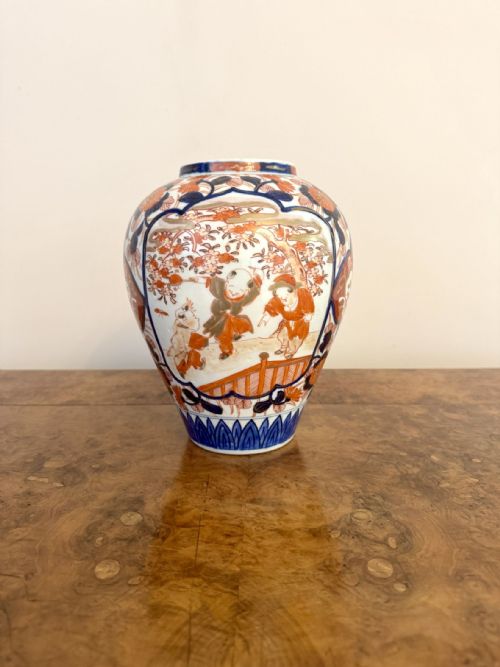
A japanese imari vase brings rich hand-painted iron-red and cobalt blue pigments to interiors, offering centuries of decorative tradition.
Japanese Imari Vase
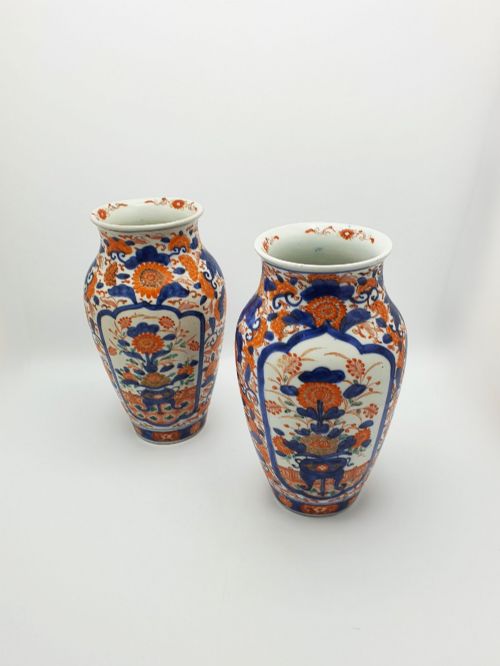
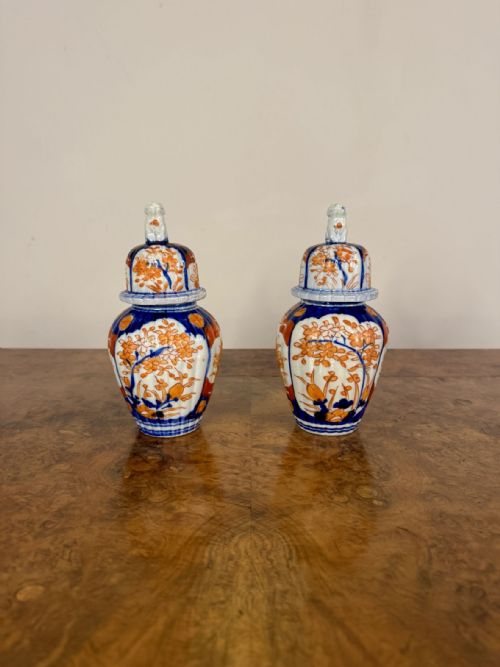
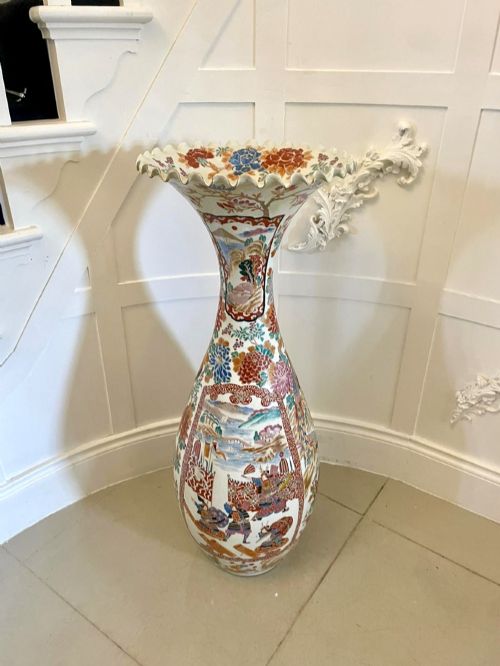
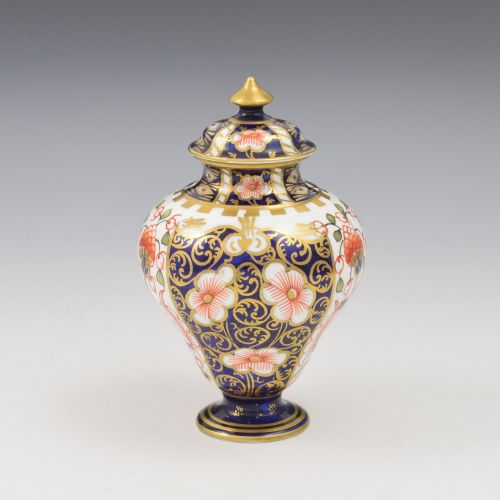
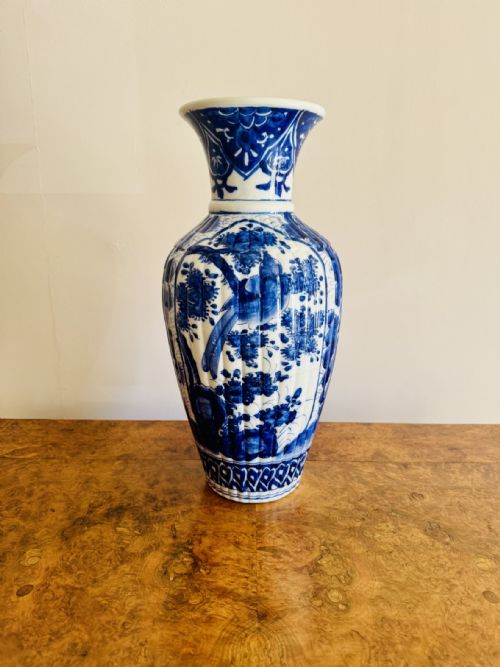
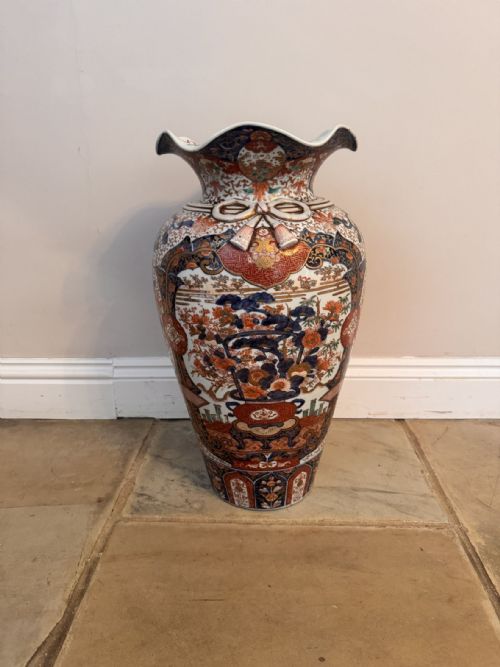
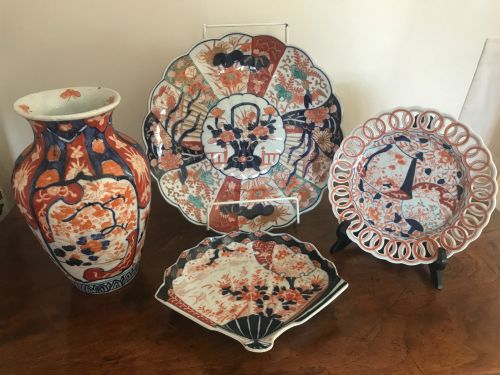
When searching for a japanese imari vase, collectors encounter diverse forms spanning baluster shapes, ginger jars, lidded vessels, and massive floor-standing examples. The selection ranges from nineteenth-century Meiji period production down to earlier seventeenth-century Edo period origins, alongside European interpretations inspired by traditional designs.
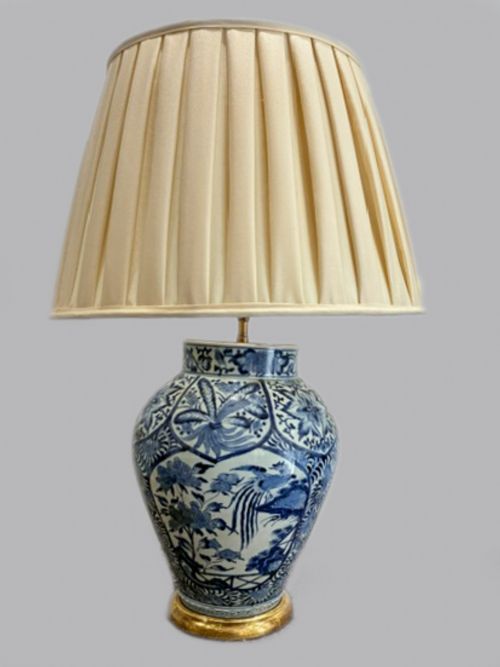
Vessels appear individually, in matched pairs, or as complete garniture sets of three or more pieces for mantel displays. Certain examples arrive adapted into table lamps or fitted with brass and ormolu mounts from later centuries while retaining their core ceramic body.
How they were made
Potters shaped high-fired porcelain on the wheel or pressed clay into moulds to create octagonal, bottle, and double gourd silhouettes. Artisans then applied underglaze cobalt blue and overglaze iron-red enamel, frequently adding gold leaf, gilt, and gold gilding highlights across the surface.
Firing took place in kilns at high temperatures to vitrify the porcelain paste before secondary low-temperature firings fixed the polychrome enamels and metallic leaf details onto the glaze.
Japanese Imari Vase Retail Price Guide 2026
Typical asking prices for japanese imari vase among the pieces listed under this phrase on Sellingantiques today, from the lower quarter to the upper quarter. They describe what is for sale here now, not the wider market.
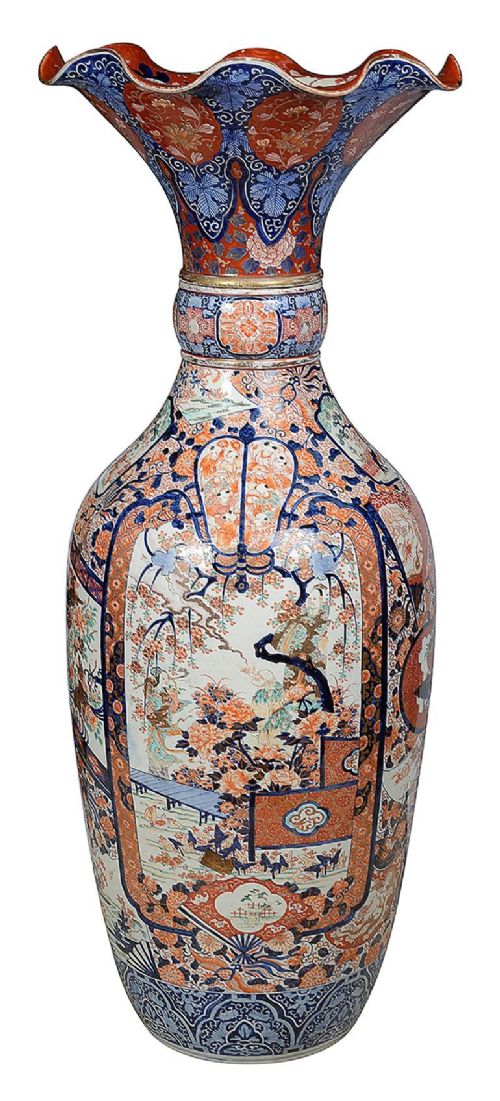
Some towering floor vases stand nearly five feet tall, demanding a dedicated corner and an appreciation for ambitious nineteenth-century kilns.
What varies in quality
The distinction between ordinary and exceptional pieces rests upon the crispness of the hand-painted brushwork, the depth and registration of the cobalt blue against the iron-red, and the generous application of gold gilding. Superior examples display balanced composition across complex floral, phoenix, and panel motifs without crowding the porcelain body.
Scale and structural ambition also dictate standing, with towering floor vases and heavy lidded garnitures requiring advanced throwing and firing skill to prevent warping during production.
Royal Crown Derby·Stevenson and Hancock·Samson of Paris
The Japanese Imari Vase Glossary
- Imari
- A style of Japanese export porcelain originating from the town of Arita and shipped through the port of Imari. Pieces typically feature a distinctive palette of cobalt blue underglaze and iron-red overglaze, often enriched with gold.
- Meiji Period
- The era of Japanese history spanning from 1868 to 1912, characterised by a surge in decorative porcelain production for international export markets.
- Edo Period
- The period in Japanese history running from 1603 to 1868, encompassing the early foundational years of traditional aesthetic development.
- Garniture
- A matching set of three or more vases or jars designed to be displayed together on a mantelpiece or sideboard.
- Baluster
- A vase form featuring a rounded body that tapers toward a narrower neck and foot, resembling an architectural pillar.
Japanese Imari Vase: Frequently Asked Questions
What is a Japanese Imari vase?
A Japanese Imari vase is a porcelain vessel decorated in distinctive cobalt blue, iron-red, and gilt palettes.
These pieces were produced primarily for export, drawing on centuries of ceramic heritage originating in the town of Arita.
How do I spot an Edo period vase?
Edo period vases date between 1603 and 1868, showing earlier stylistic restraint and deep underglaze tones.
Examining the foot ring, potting weight, and pigment density helps distinguish these early pieces from later Meiji period output.
Were Imari vases made in Europe?
European factories created imitation wares inspired by traditional Japanese export designs during the nineteenth century.
Potteries such as Samson of Paris produced pieces in the Imari palette, alongside English firms adopting similar patterns.
How were Imari vases displayed originally?
Large vases and matched pairs stood as floor-standing decor or centrepieces within grand interiors.
Garniture sets of three or five pieces were arranged symmetrically across mantelpieces and furniture tops.
Can converted lamp bases retain value?
Vases converted to table lamps in the nineteenth century remain collectible decorative objects.
Many retain their original porcelain bodies and mounts, such as ormolu or brass fittings added during European adaptation.