

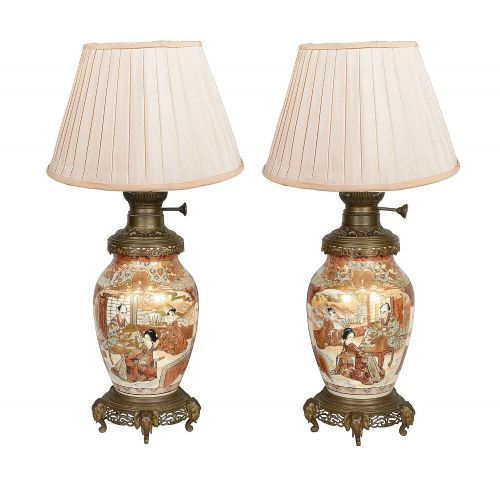
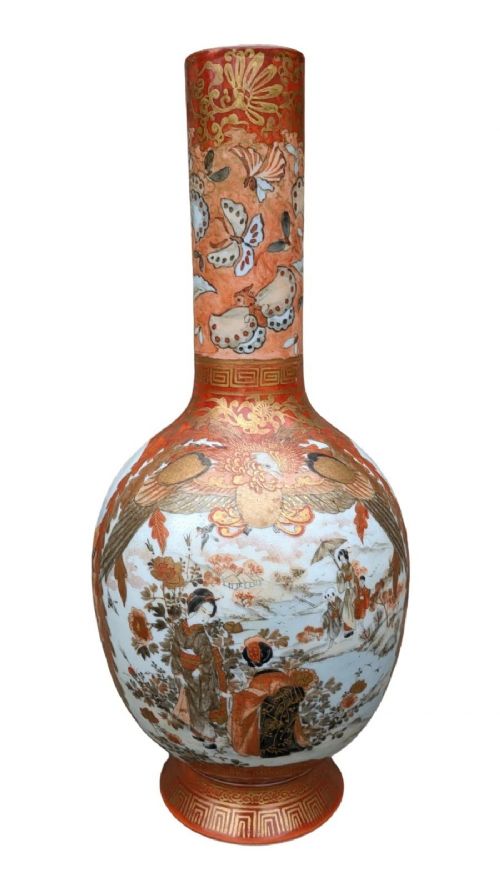
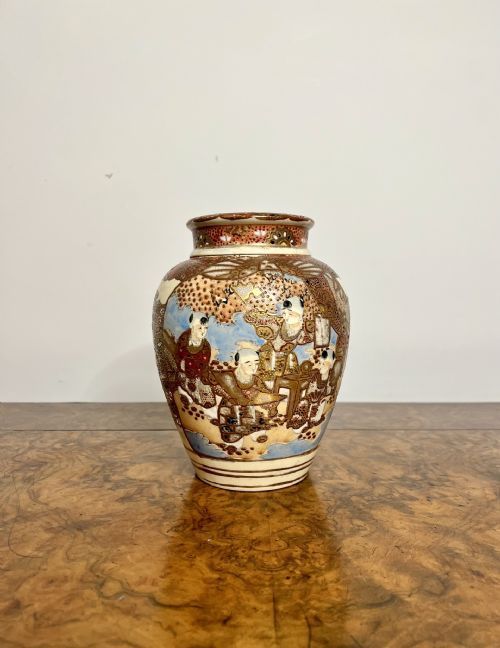


Japanese Figural Porcelain Vase
A japanese figural porcelain vase brings intricate hand-painted detail and dramatic form to any room, and these pieces offer exceptional historic character.
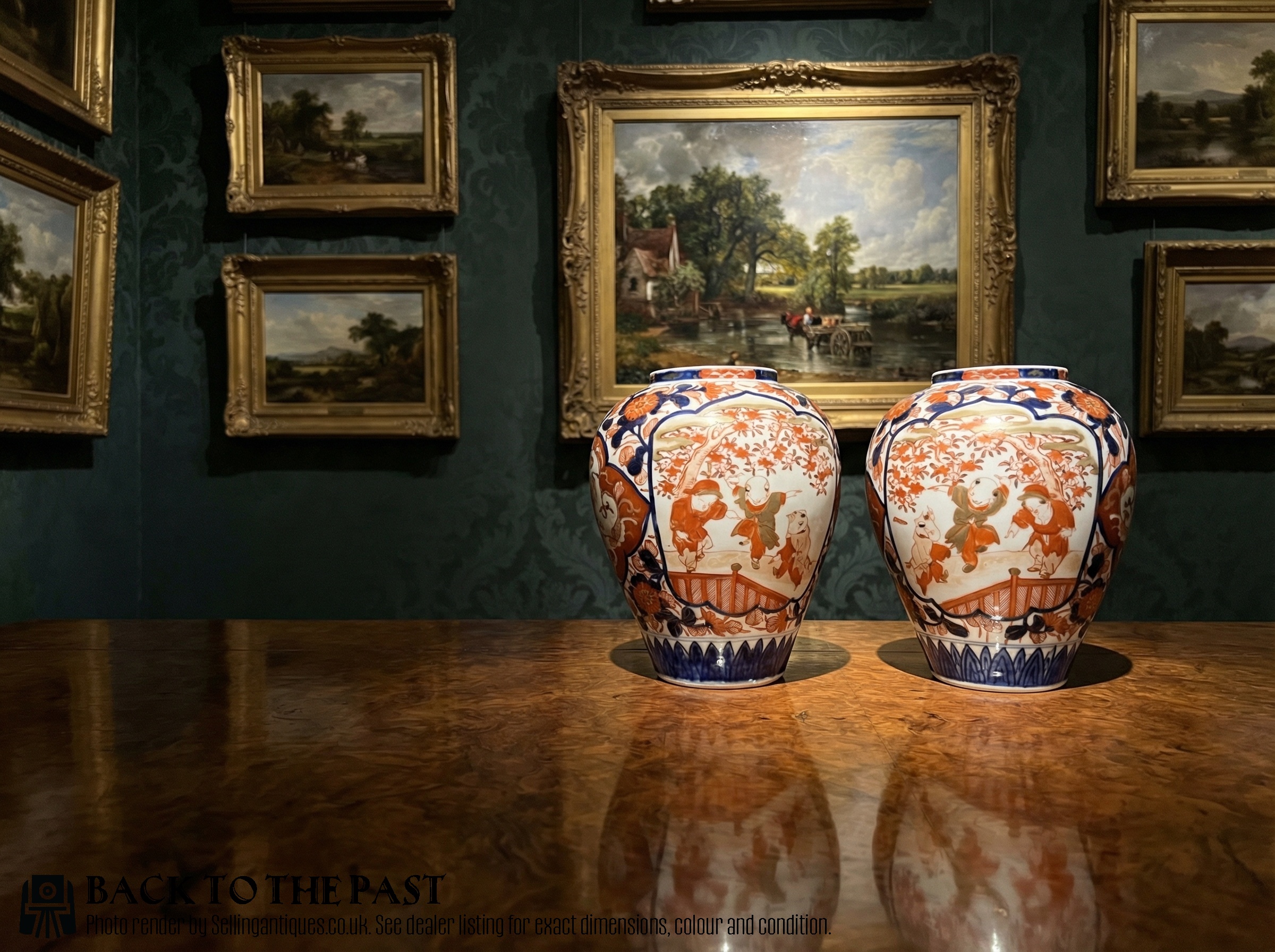
Japanese Figural Porcelain Vase
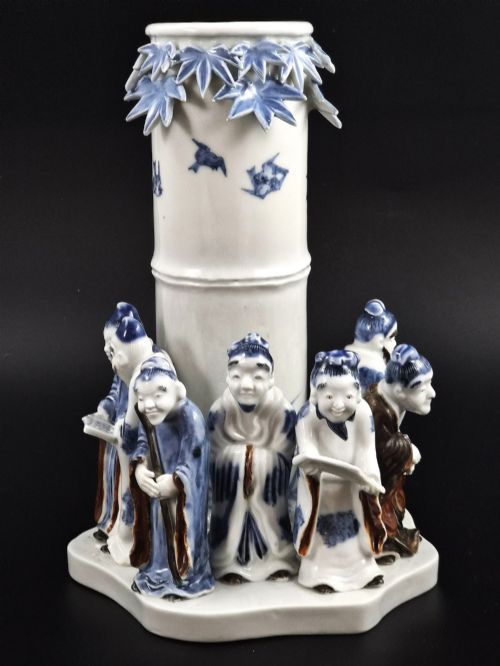
When you search for a japanese figural porcelain vase, you encounter a range of forms spanning the seventeenth century up through the Victorian and Meiji periods. These objects include miniature vessels, ginger jars, and wine bottles, alongside larger decorative vases and converted table lamps.
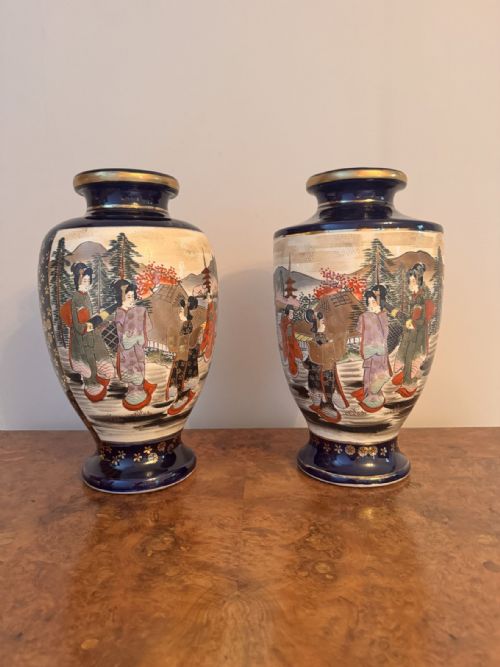
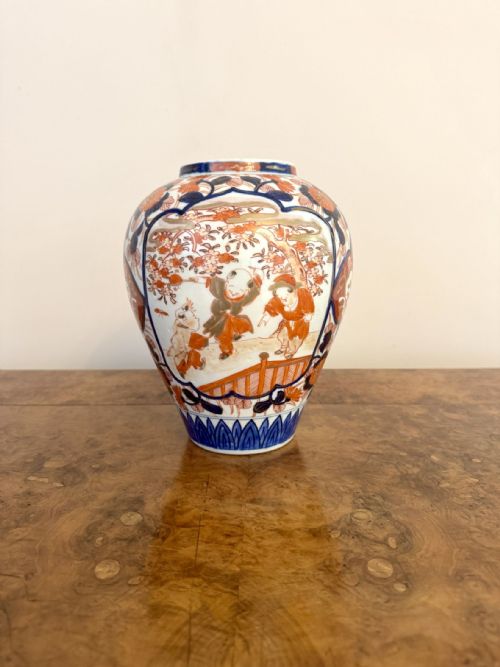
The pieces on this page heavily favour the Meiji period and the nineteenth century, often decorated with elaborate figural processions or detailed enamel motifs. Buyers also find forms associated with Japanese Imari, Satsuma, Kutani, and Edo Period Arita.
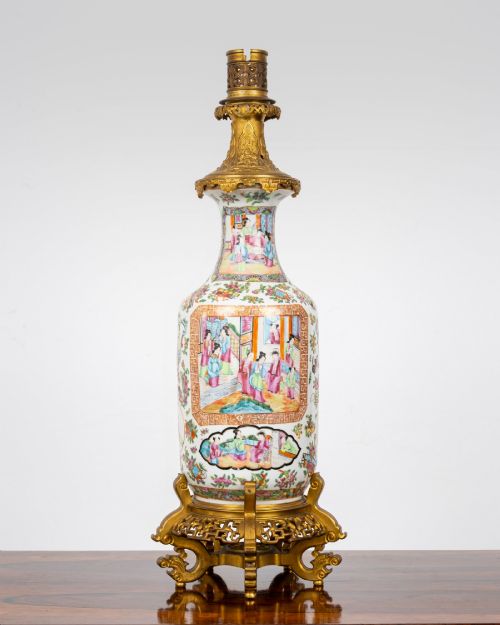
Vessels range from tiny cabinet pieces to large statement floor works, sometimes mounted in gilt bronze or fitted with wood stands. Many pieces bridge traditional pottery traditions with export demands of the late nineteenth and early twentieth centuries.
What Varies in Quality
Quality separates through the precision of the brushwork and the complexity of the figural composition across the porcelain surface. Fine examples demonstrate disciplined control in the enamel application and delicate detailing in gold leaf.
The presence of artist signatures or recognised workshop attributions elevates certain Satsuma and Kutani pieces above standard decorative wares. The crispness of raised moriage work and the balance of secondary mounts like gilt bronze further distinguish superior examples.
Listings span from seventeenth-century Arita wine bottles to twentieth-century Satsuma table lamps, showcasing centuries of ceramic evolution.
Kinkozan·Chosei
The Japanese Figural Porcelain Vase Glossary
- Meiji Period
- The era in Japanese history spanning from 1868 to 1912, noted for a massive increase in export ceramics featuring detailed hand-painted enamels.
- Moriage
- A decorative ceramic technique where slip is piped onto the surface to create raised, three-dimensional patterns before glazing and firing.
- Satsuma
- A type of earthenware with a cracked ivory glaze, heavily decorated with polychrome enamels and gold leaf.
- Imari
- A traditional style of Japanese export porcelain characterised by a palette of underglaze blue, iron red, and gilt.
- Kutani
- A style of Japanese pottery recognised for bold colours and intricate pictorial designs often depicting figures and nature.
Japanese Figural Porcelain Vase: Frequently Asked Questions
How do I identify a Meiji period vase?
Meiji period vases typically display dense, intricate hand-painted figural scenes combined with rich gold leaf and enamel work. Examining the base can also reveal artist signatures or workshop marks from this productive era.
These pieces reflect the rapid standardisation and artistic peak of Japanese export ceramics during the late nineteenth and early twentieth centuries.
What is the difference between Satsuma and Imari?
Satsuma wares feature a distinctive creamy earthenware body with a crackle glaze, overlaid with delicate polychrome figures and gilt. Imari pieces rely on a hard porcelain body painted predominantly in underglaze blue, iron red, and gold.
Understanding these distinct material and stylistic boundaries helps collectors date and attribute their pieces accurately.
How were these vases used historically?
While many served as decorative display items in traditional interiors, numerous pieces were specifically produced for Western export markets. Some examples were later converted into table lamps during the early twentieth century to suit European domestic lighting trends.
This adaptation shows how versatile these historic ceramics proved as interior furnishings over successive generations.
Are these pieces made of porcelain or earthenware?
The inventory includes both true porcelain and earthenware bodies, depending on the regional style and kiln of origin. Satsuma pieces typically utilise an earthenware base with a distinctive crackled glaze, whereas other traditions employ dense porcelain.
Checking the weight, translucency, and underside helps determine the specific ceramic medium used by the maker.