




Moriage Pottery Vase
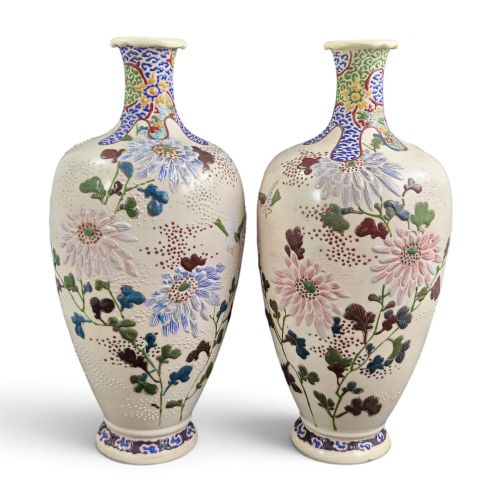
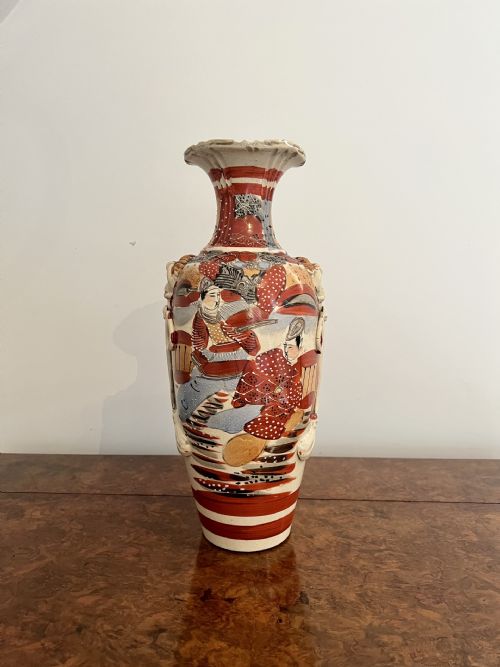
These moriage pottery vase examples are raised, textured ceramic vessels shaped by Japanese artisans for display, offering intricate relief work that catches the eye.
Moriage Pottery Vase
When you search for a moriage pottery vase, you encounter decorative vessels originating predominantly from the Meiji and Taisho periods. These pieces serve as striking centerpieces, often taking the form of traditional vases and pairs of decorative vessels.
The objects appearing on this page span the late nineteenth century through to the early twentieth century. You are most likely to meet Satsuma and Kutani wares, which feature distinct regional characteristics and detailed artistic traditions.
Makers shaped these forms from earthenware, porcelain, and glazed ceramic to create substantial display pieces. Many incorporate wooden stands or showcase hexagonal profiles designed to sit prominently in a room.
How they were made
Artisans built these vessels using earthenware and porcelain before applying intricate surface decoration. The signature raised relief work utilises piped enamel or slip applied directly to the ceramic body to create tactile patterns.
Makers enhanced the raised designs using gold leaf and gold gilt alongside rich cobalt grounds and colourful glazes. Hand-painted panels depicting court figures, dragons, and chrysanthemums completed the decorative scheme.
Some fierce dragons and mythical Rakan figures share vase panels with peaceful chrysanthemums and court scenes.
What varies in quality
Quality rests in the precision and density of the raised enamel work alongside the finesse of the hand-painted panels. Superior examples display crisp detail in human figures, dragons, and floral motifs without blurring.
The richness and application of the gold leaf or gilt distinguish finer pieces from standard productions. Weight, scale, and the inclusion of original wooden stands also influence the standing of an individual vase.
Nanzan
The Moriage Pottery Vase Glossary
- Moriage
- A Japanese ceramic technique where slip or enamel is piped onto the surface to create raised, decorative relief patterns. This method gives the pottery a distinct tactile quality.
- Satsuma
- A type of Japanese earthenware featuring a crackled ivory glaze decorated with polychrome enamels and gold. It originates from Satsuma Province on Kyushu island.
- Kutani
- Japanese porcelain or earthenware produced in Ishikawa Prefecture, known for bold designs and vibrant colour palettes. These pieces frequently incorporate extensive gold work.
- Meiji Period
- The era in Japanese history spanning from 1868 to 1912, characterised by extensive trade with the West and high artistic output in ceramics. Works from this time often show exceptional decorative detail.
- Gold Gilt
- A thin layer of gold applied to the surface of the ceramic to highlight specific decorative elements. It adds luminosity to the raised moriage details and panel borders.
Moriage Pottery Vase: Frequently Asked Questions
What is a moriage pottery vase?
A moriage pottery vase is a ceramic vessel featuring raised, piped slip or enamel decoration that creates a tactile, three-dimensional surface pattern. These pieces often originate from Japan during the late nineteenth and early twentieth centuries.
Artisans built these decorative items from earthenware or porcelain, frequently incorporating cobalt grounds and rich gold gilt. They stand as representative examples of Meiji period craftsmanship.
How do I care for my vase?
Keep your vase away from direct sunlight and areas prone to extreme temperature fluctuations to protect the delicate enamel and gold leaf. Dust the surface gently with a soft, dry cloth rather than using liquid cleaners.
Handle the vessel with clean hands, supporting the base and body rather than lifting by handles or narrow necks. Ensure the wooden stand rests on a stable, level surface.
Are these vases waterproof?
These antique ceramic vessels are intended primarily for decorative display rather than holding water. Introducing moisture can damage the historic earthenware body and compromise the delicate surface glazes and gold gilt.
If you wish to display botanicals, use dried arrangements without water. This preserves the structural integrity of the ceramic and the raised moriage work.
How do I identify Satsuma ware?
Satsuma ware typically presents an ivory or cream-coloured earthenware body covered in a fine, network of crackled transparent glaze. The decoration relies heavily on detailed hand-painted scenes finished with heavy gold highlights.
Many pieces feature signature marks on the base identifying the maker, kiln, or workshop. The integration of raised moriage enamel further defines the traditional Satsuma aesthetic seen on this page.