



Japanese Cloisonne Enamel Vase
A Japanese cloisonne enamel vase brings intricate metalwork and vibrant glass colour into a room, capturing the meticulous artistry of Meiji and Taisho makers.
Japanese Cloisonne Enamel Vase
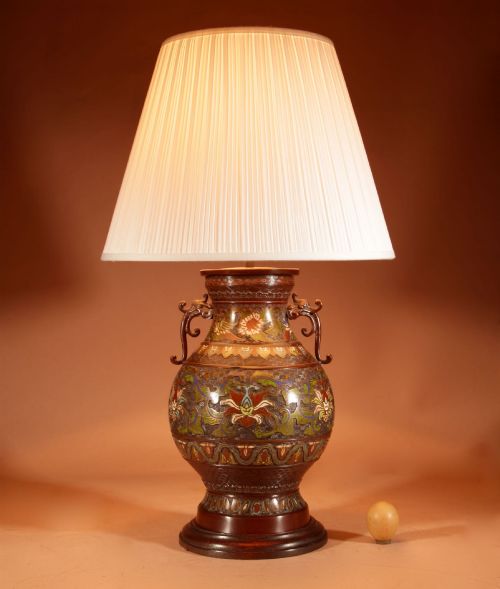
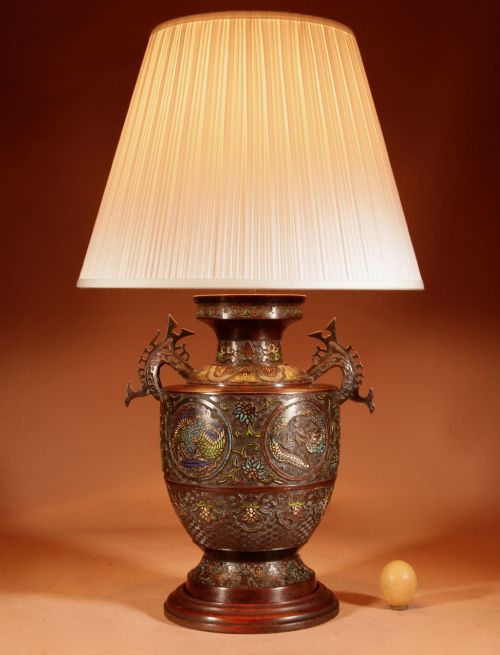
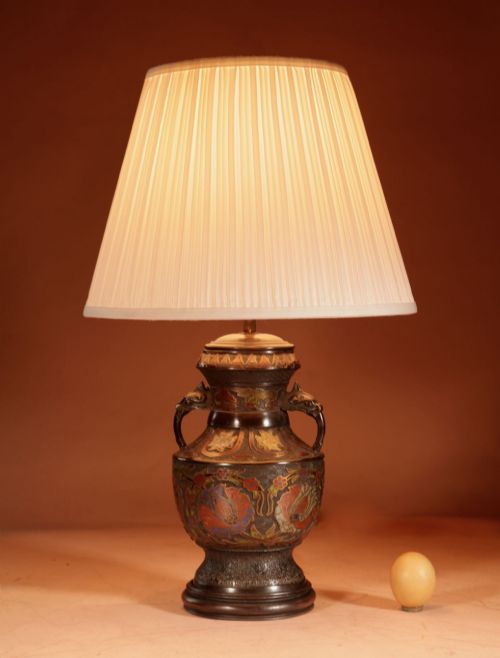
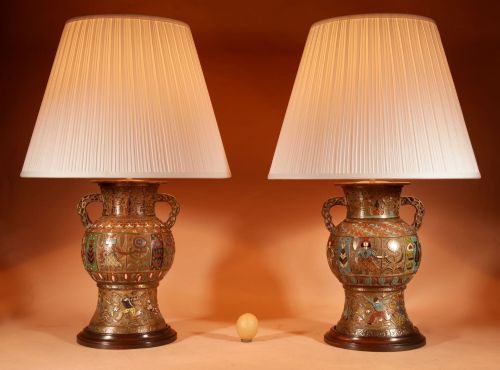
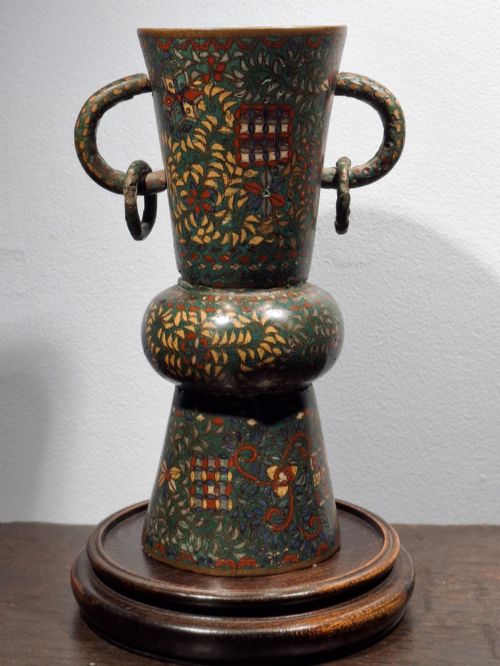
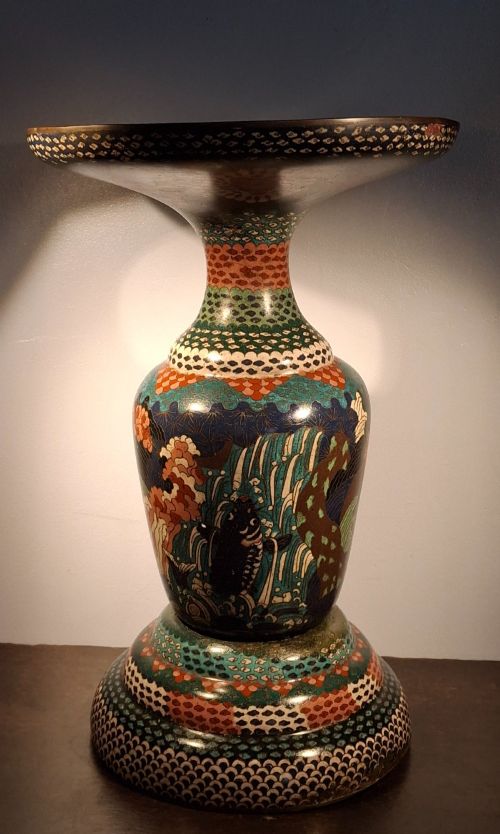
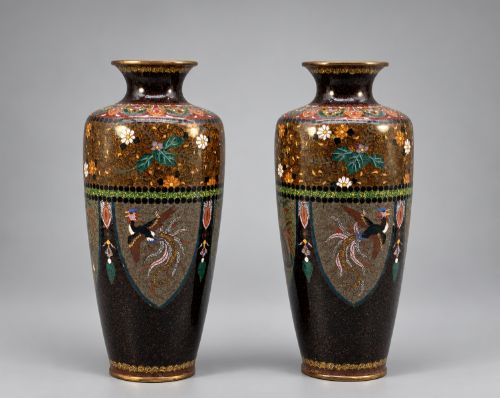
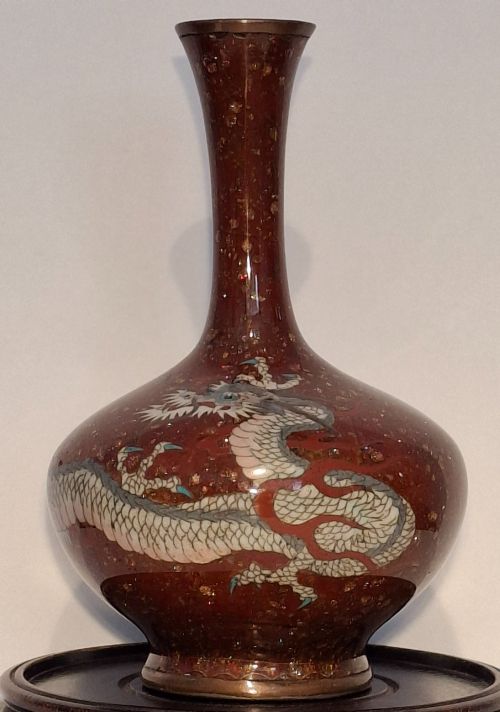
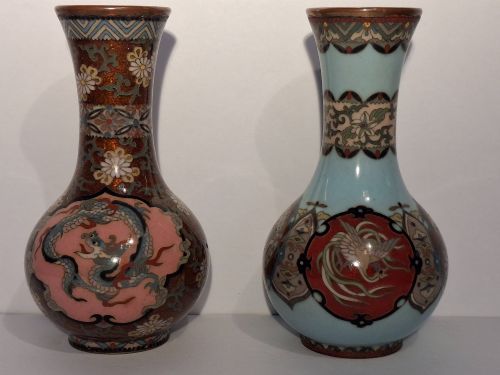
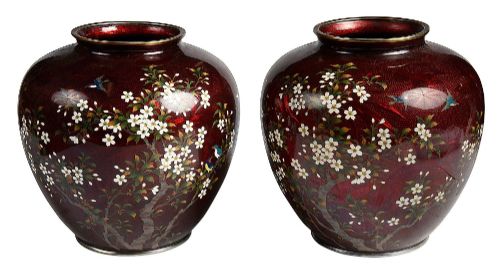
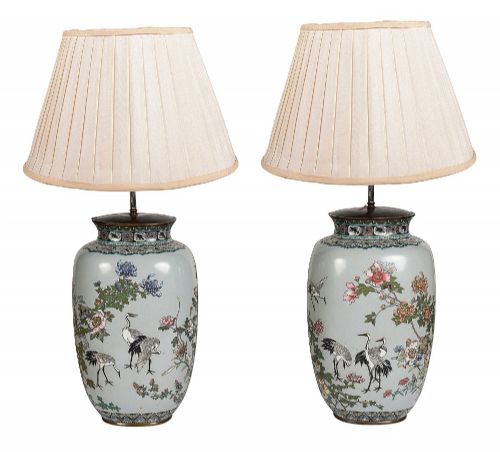
A japanese cloisonne enamel vase typically presents a metal body decorated with delicate wire compartments filled with coloured glass paste. Buyers searching this phrase encounter vessels ranging from miniature cabinet pieces to large palace urns, often featuring motifs of birds, phoenixes, koi, and floral patterns.
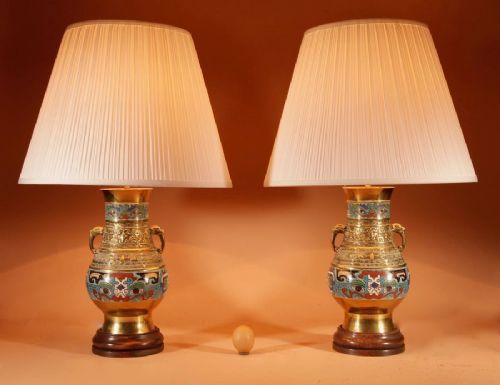
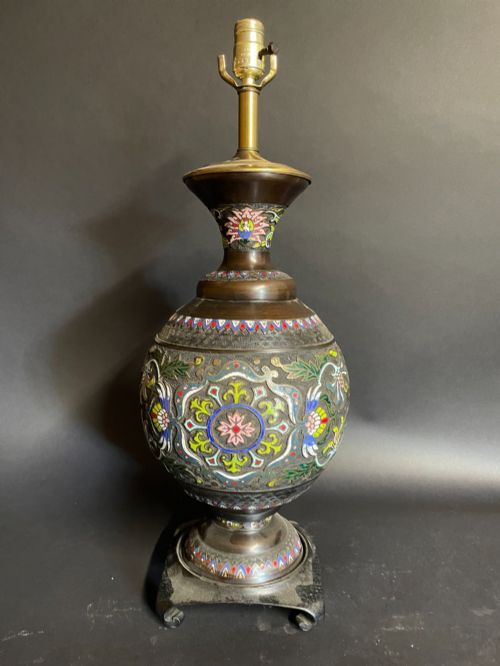
The pieces available span from the late nineteenth century into the twentieth century, bridging the Meiji, Taisho, and Showa periods. Alongside standard vessels, the listings include ginger jars, jardinieres, and variations adapted into table lamps using bronze, brass, and copper fittings.
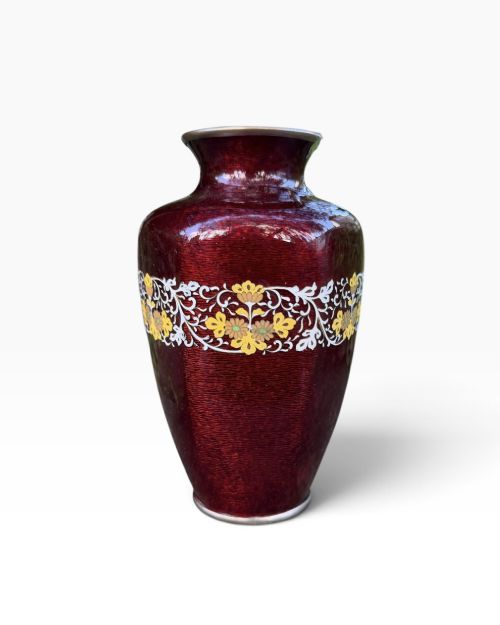
Forms vary from archaic shapes to miniature ritual vessels and large decorative floor vases. Many examples showcase standard wirework cloisonne, while others exhibit specialised techniques such as ginbari foil backgrounds or totai shippo tree bark designs.
Materials and Techniques
Craftsmen built these vessels by shaping copper, bronze, or brass bodies, then soldering thin flat metal wires onto the exterior to map out the design. These wire walls formed tiny cells, known as cloisons, which were subsequently packed with coloured enamel pastes.
The prepared vessel underwent multiple firings in a kiln to fuse the glass enamel powders before artisans ground and polished the surface to a smooth finish. Specialised variations involved transparent enamel over textured ginbari foil or applying enamel directly onto organic surfaces like ceramic and wood bodies.
Support elements such as wooden bases and metal mounts complemented the primary vessels, while champleve techniques utilised recessed troughs carved directly into heavy bronze castings rather than applied wire.
Japanese Cloisonne Enamel Vase Retail Price Guide 2026
Typical asking prices for japanese cloisonne enamel vase among the pieces listed under this phrase on Sellingantiques today, from the lower quarter to the upper quarter. They describe what is for sale here now, not the wider market.
Listings feature vessels spanning the Meiji, Taisho, and Showa periods, utilising copper, bronze, brass, and ceramic bases.
Factors Defining Quality
Quality separates along the precision of the wirework and the control demonstrated during the firing and polishing stages. Finer pieces display exceptionally thin, uniform wires that maintain crisp symmetry across complex pictorial subjects like dragons or foliage.
The depth of colour and clarity of the vitreous enamel indicate superior execution, free from excessive pitting, cloudiness, or misaligned fills in the tiny cells. Signed works by notable makers or imperial workshops generally exhibit a higher tier of meticulous finishing.
Tsukamoto Hikokichi·Tamura Yukio·Ando
The Japanese Cloisonne Enamel Vase Glossary
- Cloisonne
- Enamelwork in which coloured glass pastes are contained within compartments formed by soldered metal wires on a metal base. This technique allows for intricate pictorial designs and sharp geometric patterns.
- Ginbari
- A Japanese enamelling technique featuring a textured or patterned metal foil placed beneath translucent enamel. This method creates a reflective, shimmering depth behind the primary design.
- Totai shippo
- A style of cloisonne where enamel is applied over a non-metal core, such as a ceramic or earthenware base. It often mimics organic textures like tree bark.
- Champleve
- A technique where troughs or cells are carved or cast directly into a thick metal base to hold enamel paste. It differs from wire cloisonne by using excavated metal partitions.
- Meiji Period
- The era of Japanese history spanning from eighteen sixty-eight to nineteen twelve, marked by extraordinary advancements in decorative arts and metalwork. Pieces from this time are celebrated for exceptional technical mastery.
Japanese Cloisonne Enamel Vase: Frequently Asked Questions
How do I identify a Meiji period vase?
Meiji period pieces generally display exceptionally fine wirework and deep, lustrous enamels created during a golden age of metalworking innovation.
Examining the base and interior often reveals characteristic copper or brass construction methods typical of late nineteenth-century workshops.
What is ginbari cloisonne?
Ginbari cloisonne incorporates a textured metallic foil layer beneath translucent coloured enamel, producing a distinct pebbled or patterned background effect.
This technique catches the light differently than standard opaque enamel fields.
How should I clean my enamel vase?
Dust the surface gently with a soft, dry microfibre cloth to remove everyday particles without disturbing the delicate wire boundaries.
Avoid chemical cleaners, abrasive polishes, or submerging antique metalwork in water.
Are these vases signed?
Some pieces bear signatures, maker marks, or workshop stamps either on the base or integrated subtly into the enamel design.
Unsigned pieces remain common and were often produced to an equally high standard by skilled anonymous artisans.