
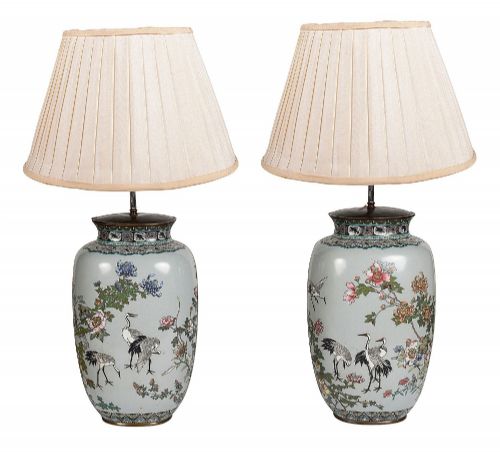


Meiji Period Cloisonne Vase
A meiji period cloisonne vase brings together intricate wirework and vibrant enamel from late nineteenth and early twentieth century Japan.
Meiji Period Cloisonne Vase
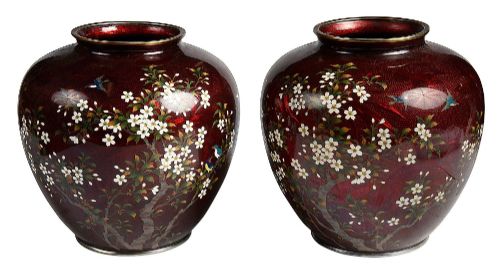
The objects stem predominantly from the nineteenth and early twentieth centuries, spanning the Meiji era alongside related Edwardian periods. Many examples appear in pairs, showing birds, flowers, and koi motifs across the surface.
The selection includes specialised techniques such as ginbari red enamel and silver wire outlining. These pieces reflect diverse international markets, incorporating Chinese export influences alongside traditional Japanese aesthetics.
Materials and technique
The construction relies on a metal body formed from copper, brass, or bronze, providing a sturdy foundation for the decorative skin. Artisans solder thin metal wires - frequently silver or gold - onto this base to outline detailed floral and avian patterns.
Workers fill the resulting cellular partitions, known as cloisons, with enamel paste before firing the piece in a kiln. Subsequent grinding and polishing reveal the sharp metallic gridwork flush against the hardened glossy surface.
A sugar bowl survives among the vases, constructed from cloisonne tree bark complete with a dragon.
Judging quality and finish
The refinement of the wirework determines the visual clarity of the design, with thinner silver or gold wires indicating greater technical mastery by the maker. Purity of the enamel field without pitting or cloudiness separates superior examples from standard production.
Signatures from renowned workshops or individual makers elevate an object, demonstrating documented provenance. The precision of the final polish and the complexity of background techniques, such as basse-taille or ginbari texturing, define the upper tier.
Ando Jubei·Ota Toshiro
The Meiji Period Cloisonne Vase Glossary
- Cloisonne enamel
- A decorative metalwork technique where fine wires create cells that hold coloured glass paste before firing. This method produces intricate linear patterns across vases and vessels.
- Ginbari
- A textured foil lining placed beneath translucent enamel to create a patterned reflective background. It adds depth and dimension to the coloured surface.
- Basse-taille
- An enamelling method where the metal ground is carved or engraved before applying translucent enamel. The underlying relief shows through the glass layer.
- Champleve
- An enamelling process where troughs or cells are hollowed directly into a thick metal base rather than soldering wires on top. The cavities receive enamel paste before kiln firing.
- Totai shippo
- A fragile type of cloisonne enamel created on a non-metal base such as ceramic or woven plant material which is later burned away. This leaves a translucent or openwork shell.
Meiji Period Cloisonne Vase: Frequently Asked Questions
How do I identify a Meiji period piece?
Examine the wirework closely, as pieces from this era often feature extremely fine silver outlining rather than heavy brass strips. Look for signature marks on the base and characteristic natural motifs like birds and flowers.
Consider the overall weight and metal foundation, which typically consists of bronze, copper, or brass. The presence of advanced techniques like ginbari also points toward this specific historical production window.
Were these vases used for holding water?
Most of these vessels served purely as decorative display items in domestic interiors rather than functional flower holders. Their delicate enamel surfaces and metal wire structures meant they were handled with care.
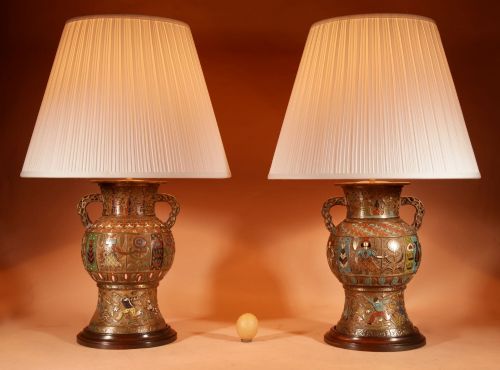
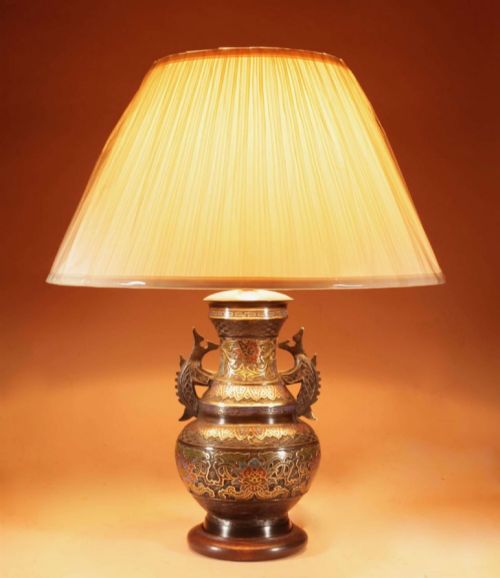
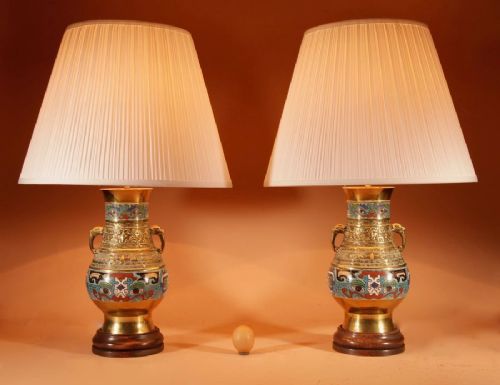
Many examples found today have been adapted into table lamps with wiring running through the base. This conversion altered their original display context while preserving the decorative body.
What does silver wire indicate on a vase?
Silver wire signifies a higher standard of craftsmanship compared to standard copper or brass outlining. Artisans could bend finer silver ribbons into more intricate and complex pictorial designs.
This material choice often accompanies advanced enamelling techniques such as translucent red ginbari grounds. Pieces utilising silver wire frequently carry workshop signatures from prominent makers.
Why are some pieces mounted as lamps?
The conversion of decorative jars and vessels into lighting occurred during the late nineteenth and early twentieth centuries to suit changing interior fashions. Importers and owners repurposed the robust bronze and enamel bodies to create functional home furnishings.
These mounted pieces frequently retain their original form beneath the electrical fittings. The adaptation reflects the high regard owners had for the quality of the metalwork.