



Brown Enamel Vase
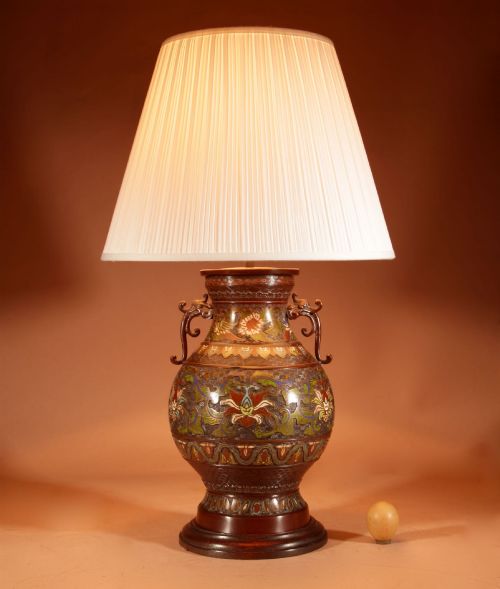
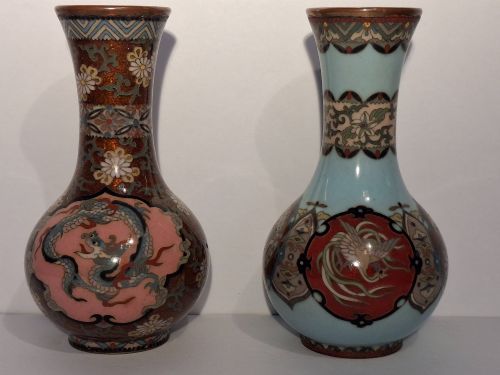
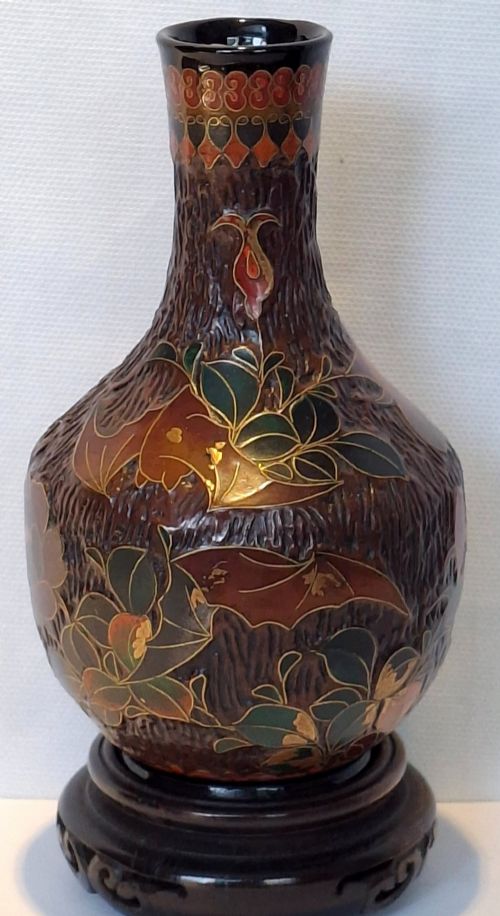
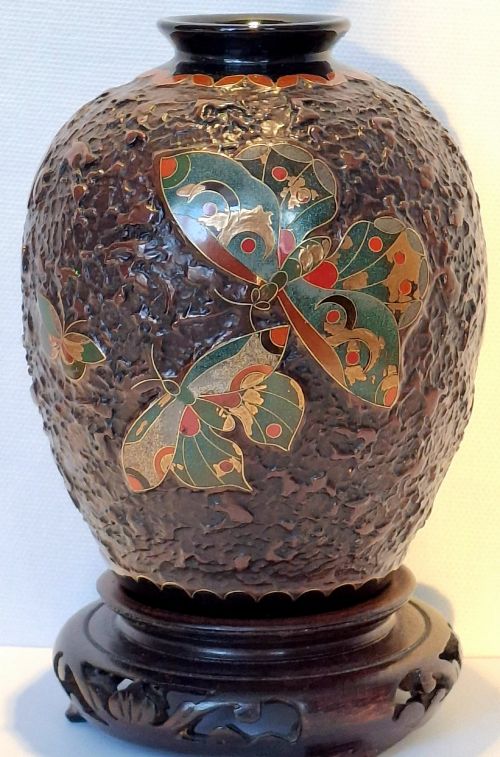
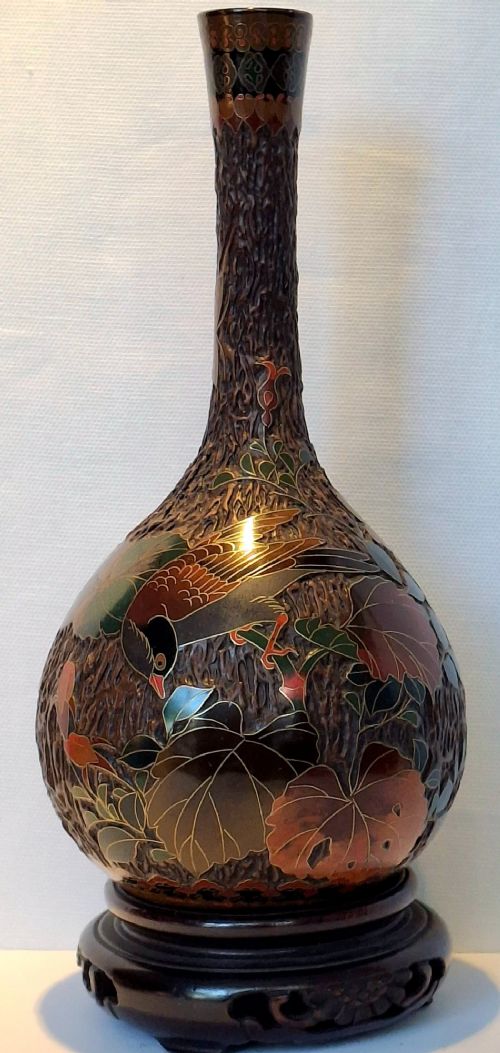
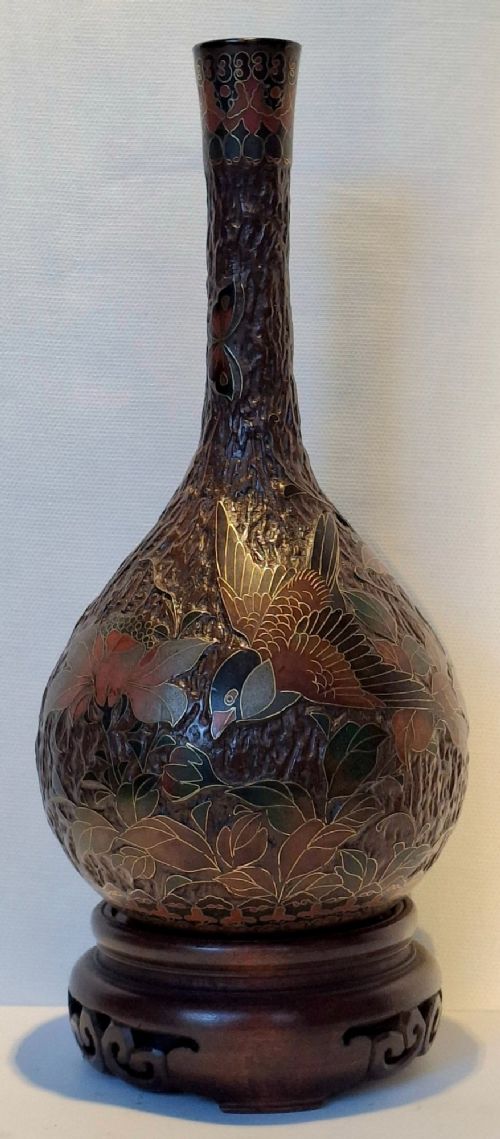
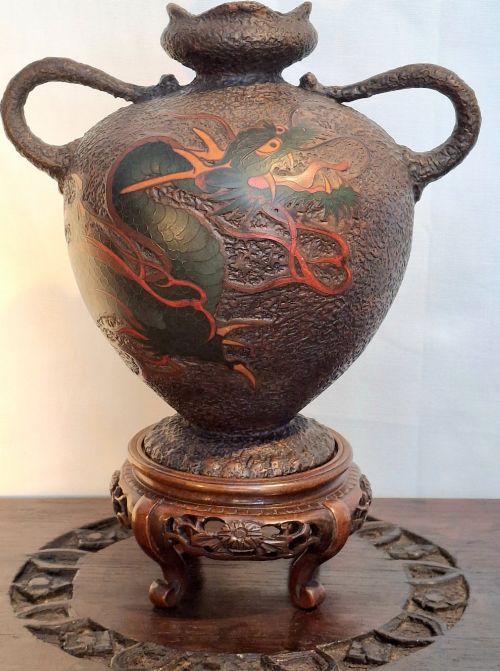
These brown enamel vase examples bring deep earthy tones and meticulous wirework into a room.
Brown Enamel Vase
A brown enamel vase brings together industrial metalwork and delicate decorative artistry from the late nineteenth and early twentieth centuries. When searching for a brown enamel vase, a buyer encounters Japanese vessels featuring cloisonné and Totai Shippo techniques alongside European enamelled glass.
The most common examples on this page are Japanese miniature vases and larger vessels produced during the Meiji period and around nineteen ten. These pieces utilise rich brown grounds to highlight intricate motifs of dragons, birds, and flowers.
Alongside standard vases, the selection includes decorative table lamps and sugar bowls finished with enamel work over bronze or ceramic bases. Each object demonstrates the high level of craftsmanship applied to everyday decorative items during this era.
How they were made
Maker's workshops built these vessels using metal bases such as bronze and copper, or sometimes ceramic and glass foundations. Artisans applied vitreous enamel pastes by hand into compartments formed by thin metal wires soldered to the surface.
Specialised techniques like Totai Shippo created a textured base resembling tree bark beneath the enamel layers. Firing in kilns fused the glass powders to the metal, after which the surface was polished to a smooth or matte finish.
Brown Enamel Vase Retail Price Guide 2026
Typical asking prices for brown enamel vase among the pieces listed under this phrase on Sellingantiques today, from the lower quarter to the upper quarter. They describe what is for sale here now, not the wider market.
Materials seen in these listings include enamel, copper, wood, ceramic, bronze, brass, porcelain, and brass wire across several periods.
What varies in quality
The precision of the wirework and the depth of the enamel colour determine the distinction between standard production and masterwork pieces. Fine examples display exact cell alignment and subtle tonal gradations within the brown ground.
Signatures from notable makers or workshops elevate the standing of an item, as do complex decorative techniques like Kintsugi repairs or simulated tree bark textures. The clarity of the fired enamel without surface pitting marks the work of skilled artisans.
Tsukamoto Hikokichi·Harrach
The Brown Enamel Vase Glossary
- Cloisonné
- An enamelling technique where metal wire forms compartments on a metal base to hold coloured glass pastes before firing.
- Totai Shippo
- A Japanese method of creating enamel ware over a non-metal or textured core, often resembling natural tree bark.
- Meiji Period
- The era in Japanese history spanning from eighteen sixty-eight to nineteen twelve, known for opening trade and refined metalwork.
- Kintsugi
- The Japanese art of repairing broken pottery with lacquer dusted or mixed with powdered gold, silver, or platinum.
- Champlevé
- An enamelling technique where troughs or cells are carved into the metal surface to receive the vitreous enamel.
Brown Enamel Vase: Frequently Asked Questions
How do I care for my vase?
Dust the surface gently with a dry, soft cloth to keep the enamel clean.
Avoid using harsh chemical cleaners or submerging the metal and enamel in water.
Can I put water in these vases?
Many antique enamel vessels are intended for decorative display rather than holding water.
Moisture can seep into microscopic cracks in the enamel or damage internal metal wires over time.
How do I date a piece?
Examine the style of the metalwork, the complexity of the enamel colours, and any maker signatures present on the base.
Many pieces from the Meiji period carry specific characteristics tied to late nineteenth and early twentieth century production.
What is Totai Shippo?
It is a specialised Japanese enamelling technique that uses a textured base, such as simulated tree bark, beneath the enamel layers.
This method creates a tactile surface that distinguishes it from traditional smooth cloisonné vessels.