


Meiji Totai Shippo Porcelain
Meiji totai shippo porcelain pieces are remarkable Japanese works defined by translucent enamel laid over ceramic bodies, offering collectors brilliant textured surfaces.
Meiji Totai Shippo Porcelain
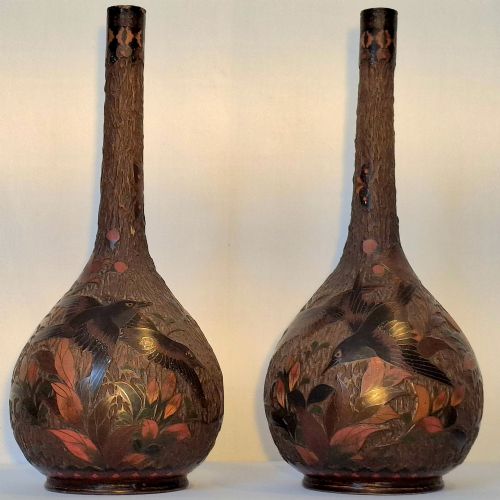
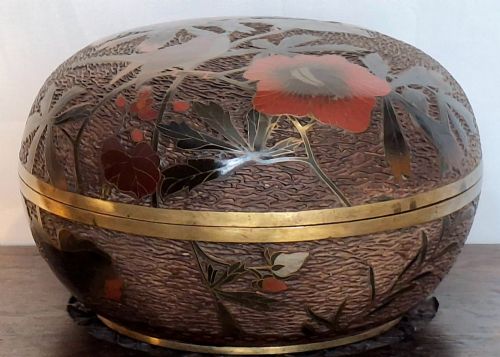
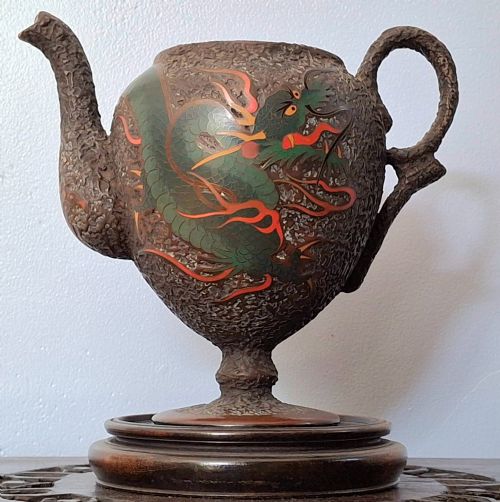
Meiji totai shippo porcelain encompasses distinctive decorative objects originating from the Meiji period around 1890. Collectors searching this phrase encounter plates, large chargers, vases, teapots, and round boxes.
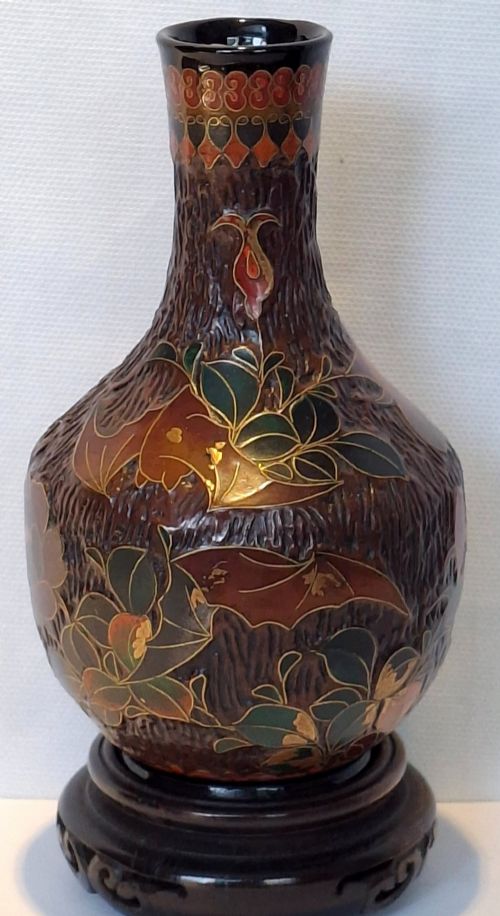
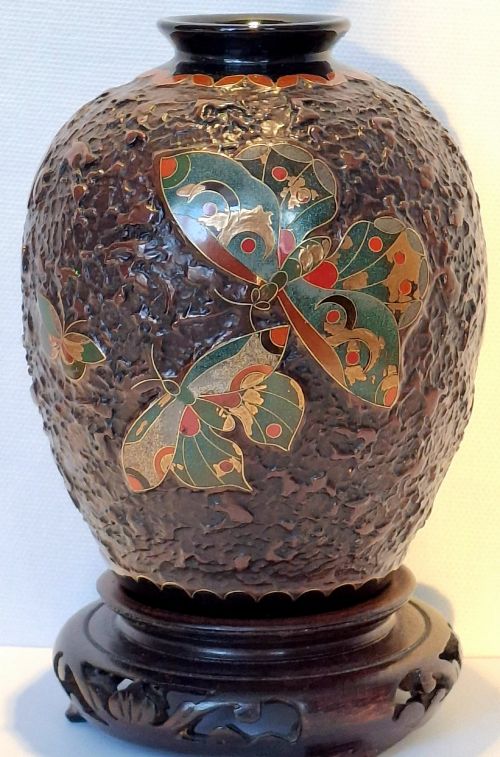
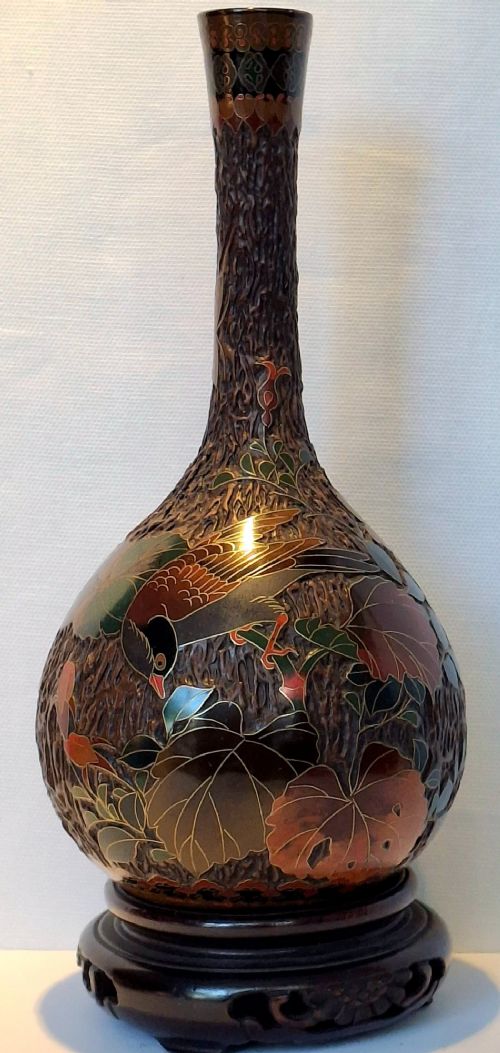
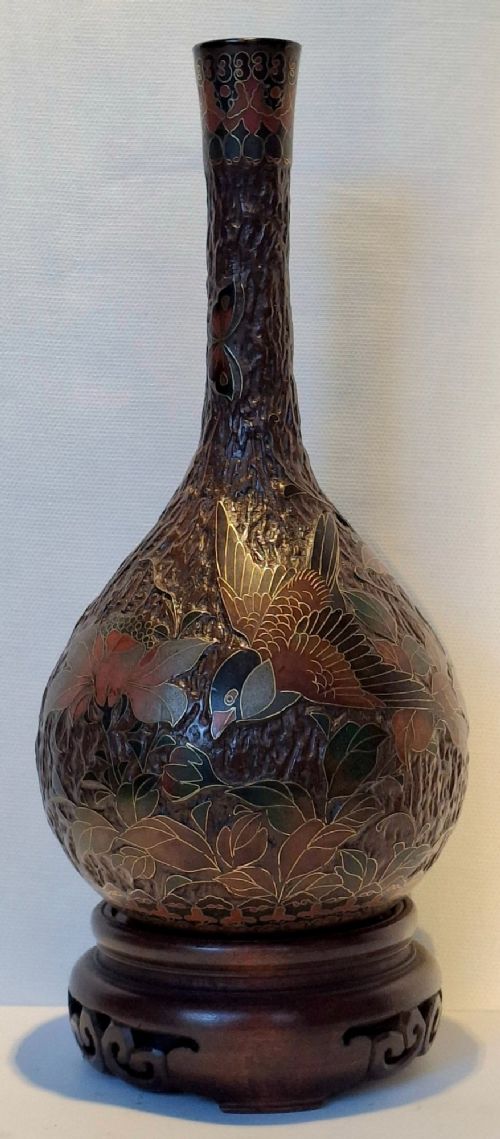
The objects frequently feature characteristic cloisonne tree bark textures alongside motifs depicting birds, flowers, picturesque scenery, dragons, butterflies, and bats. Signed pieces also appear among these Japanese works.
Vases and chargers represent the primary forms available within this group. Each item displays meticulous craftsmanship rooted in late nineteenth century Japanese decorative arts.
Materials and construction methods
Craftsmen built these pieces using ceramic and porcelain bodies coated with enamel. Metal wires, including copper, brass, and general wire, form the intricate cell structures across the exterior.
The distinct cloisonne tree bark effect creates a textured surface that mimics natural wood. Selected examples incorporate the kintsugi technique alongside lacquer details.
Meiji Totai Shippo Porcelain Retail Price Guide 2026
Typical asking prices for meiji totai shippo porcelain among the pieces listed under this phrase on Sellingantiques today, from the lower quarter to the upper quarter. They describe what is for sale here now, not the wider market.
Bats flutter among the botanical motifs on these nineteenth century Japanese vessels.
Quality distinctions in totai shippo
The refinement of the cloisonne wirework defines the upper tier of these works, where delicate lines delineate complex subjects like birds, dragons, and scenery. Precision in the textured tree bark ground separates standard production from superior examples.
Artisanal signatures provide an indicator of distinction, as does the complexity of the pictorial composition across chargers and vases. The application of specialised methods such as kintsugi further elevates certain pieces.
The Meiji Totai Shippo Porcelain Glossary
- Totai shippo
- A Japanese technique where enamel is applied to a porcelain or ceramic body rather than a traditional metal base. This method requires expert firing to bond the glass paste to the vitreous ceramic surface.
- Cloisonne
- A decorative metalwork method involving compartments created by soldering flat or twisted wires to a base. Enamel paste fills these partitions before firing.
- Kintsugi
- A traditional Japanese art of repairing broken pottery with lacquer dusted or mixed with powdered gold, silver, or platinum. On these pieces, it highlights decorative boundaries.
- Charger
- A large ornamental plate intended for display rather than dining use. These items act as focal points for complex pictorial enamel designs.
- Meiji period
- The era in Japanese history lasting from 1868 to 1912, characterised by extensive artistic output and international trade. Works from this time often bear signatures of master craftsmen.
Meiji Totai Shippo Porcelain: Frequently Asked Questions
What is totai shippo porcelain?
Totai shippo is a specialised Japanese enamelware technique where the vitreous enamel is applied directly onto a ceramic or porcelain body. This differs from standard cloisonne, which typically uses a metal foundation.
Most surviving examples date from around 1890 during the Meiji period. They combine ceramic forming with detailed wirework and surface texturing.
How were these objects decorated?
Artisans applied metal wires to the ceramic body to form distinct cells, which were then filled with coloured enamel pastes. Many pieces feature a signature tree bark texture across the exterior.
Subjects range from natural scenes with birds and flowers to mythological creatures like dragons. Specialised finishes such as kintsugi and lacquer also appear.
Where should I display a charger?
Large chargers and decorative plates suit prominent wall mounts or stable display stands. Their intricate enamel work rewards close inspection in well-lit spaces.
Keep them away from direct sunlight to preserve the rich tones of the enamel and any accompanying lacquer details.
Are these items signed?
Certain chargers, vases, and teapots carry artisan signatures on the base or lower edge. These signatures mark the output of skilled Meiji period workshops.
Unsigned pieces remain common and display an equivalent standard of wirework and enamel application.