




Cloisonne on Ceramic Vase
These cloisonne on ceramic vases fuse metalwork wires and bright enamel directly onto earthenware or ceramic bodies, offering rich texture and intricate motifs.
Cloisonne on Ceramic Vase
A cloisonne on ceramic vase combines delicate metal wires with vibrant enamel set directly onto an earthenware or ceramic body rather than a standard metal foundation. This distinctive method creates textured surfaces that set these vessels apart from traditional metal-based cloisonne.
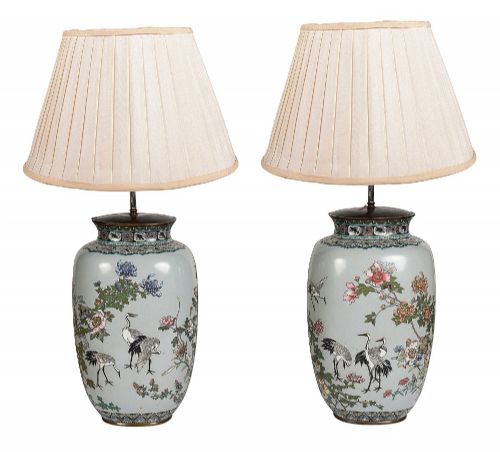
The selections available here lean heavily into Japanese craftsmanship from the Meiji and Taisho periods, alongside specific examples of French enamelled faience and Chinese export wares. Common forms stretch beyond simple vessels to include decorative jars, sugar bowls, and pairs adapted into table lamps.
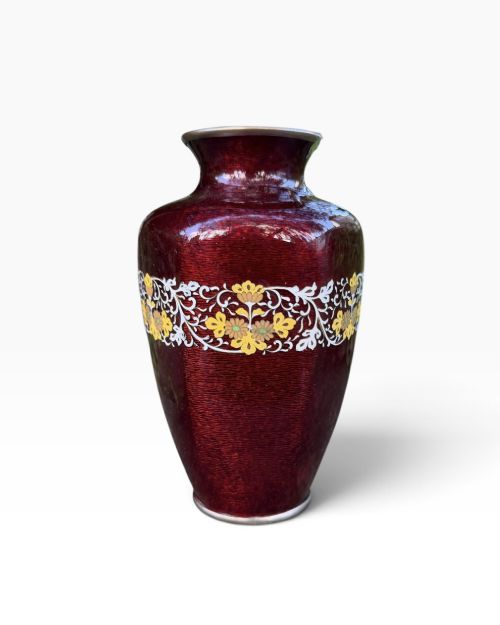
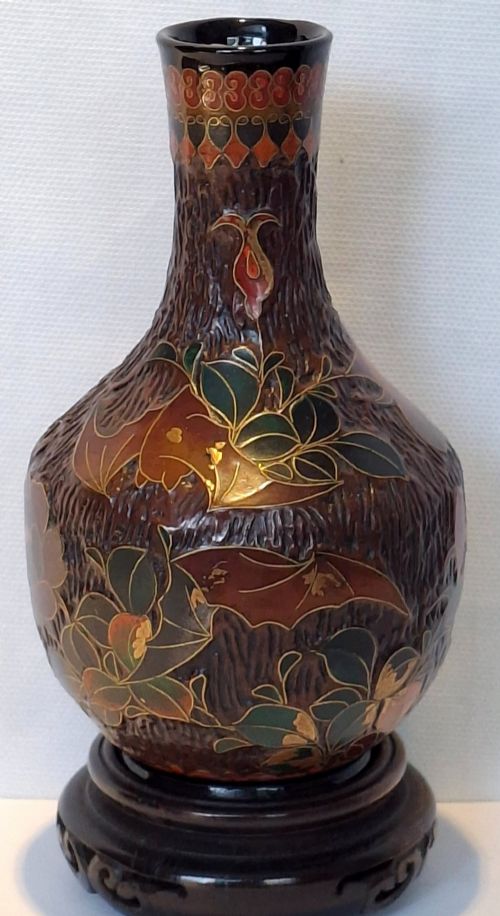
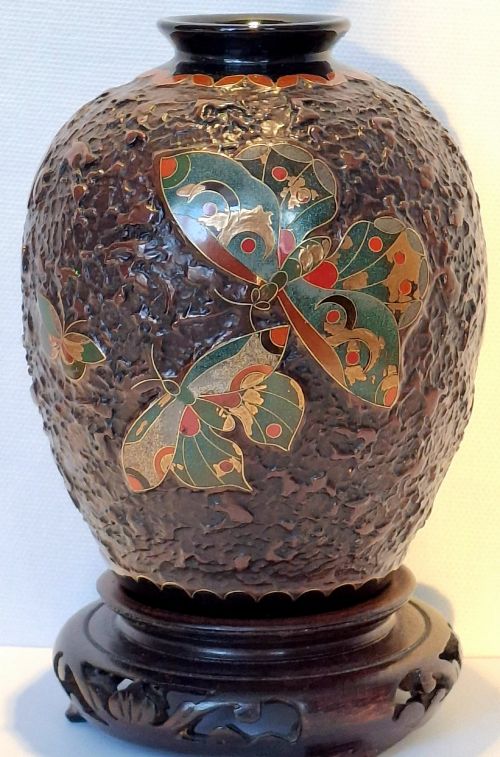
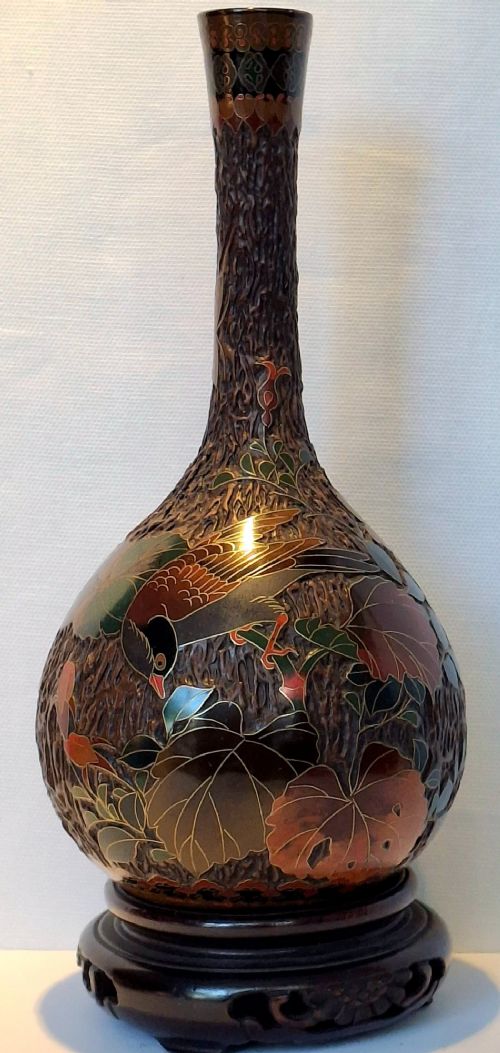
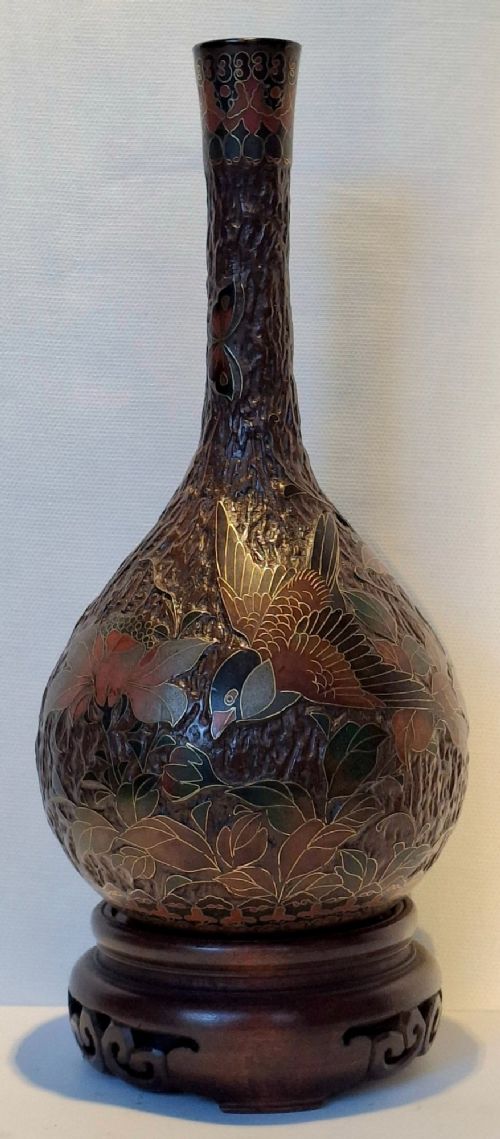
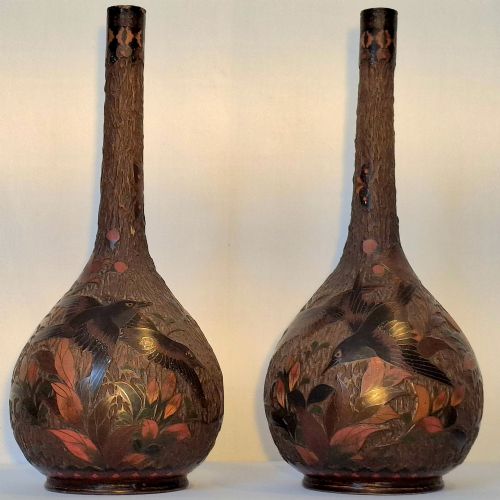
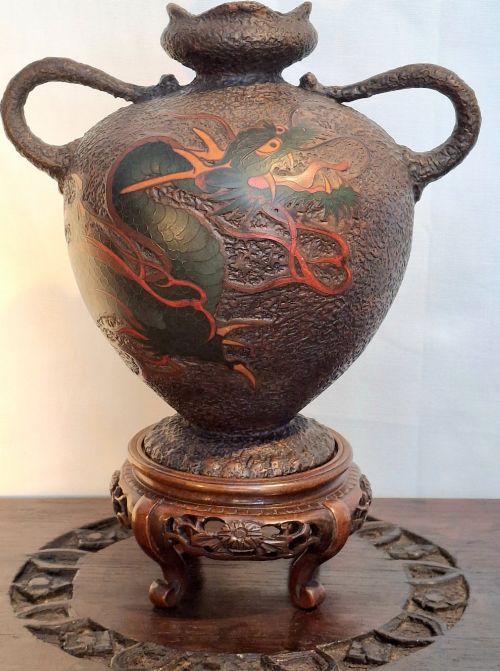
Meiji period works, particularly Totai Shippo pieces simulating tree bark alongside dragon or bird motifs, dominate the early production dates around 1880 and 1890. Later Taisho examples introduce ginbari techniques where translucent enamel sits over textured foil grounds.
Materials and construction
Craftsmen applied thin copper or brass wires onto a ceramic or earthenware base to map out intricate designs such as birds, flowers, and dragons. These metal wires formed individual cells, known as cloisons, which were subsequently filled with coloured enamel pastes.
Firing the piece fused the enamel to the underlying ceramic body and the metal wire matrix. Certain pieces incorporate specialised techniques like Kintsugi or textured Totai Shippo tree bark effects to enrich the tactile surface quality.
Cloisonne on Ceramic Vase Retail Price Guide 2026
Typical asking prices for cloisonne on ceramic vase among the pieces listed under this phrase on Sellingantiques today, from the lower quarter to the upper quarter. They describe what is for sale here now, not the wider market.
Several Meiji period vases sport simulated tree bark finishes complete with metallic bats and butterflies frozen mid-flight.
Assessing quality and execution
Superior examples display precise wirework where cell walls maintain uniform thickness and clean geometry across curved ceramic surfaces. Lower quality execution often reveals uneven enamel pooling or blurred boundaries between the wire partitions.
Signatures and mastery of difficult decorative methods, such as simulating organic textures like tree bark or applying translucent foil-backed enamel, distinguish exceptional pieces from standard production wares.
Jules Vieillard
The Cloisonne on Ceramic Vase Glossary
- Totai Shippo
- Japanese term for enamel applied over a ceramic or porcelain body rather than traditional metal. This technique produces vessels with distinct tactile surfaces often resembling wood or bark.
- Ginbari
- A Japanese enamelling technique where translucent enamel is laid over a textured metal foil background. It creates a shimmering, patterned depth beneath the coloured surface.
- Cloison
- An individual compartment formed by soldered metal wires on a vessel body. These cells hold the coloured enamel pastes before firing.
- Faience
- Tin-glazed earthenware popular in European ceramic traditions, seen in French enamelled pieces. It provides an opaque white ground for decorative enamelling.
- Kintsugi
- The traditional Japanese art of repairing broken pottery with lacquer dusted or mixed with powdered gold. On these wares, it appears integrated into the decorative surface design.
Cloisonne on Ceramic Vase: Frequently Asked Questions
What is a totai shippo vase?
Totai shippo designates Japanese pieces where enamel and wire work are applied directly to a ceramic or earthenware body instead of a copper or brass foundation.
This specific method gives the vessel a weight and texture distinct from standard metal cloisonne, often mimicking natural surfaces like tree bark.
How do I care for these vases?
Keep these pieces away from direct sunlight to protect the coloured enamel from fading over time. Dust them gently with a soft, dry cloth rather than using liquid cleaners.
Because the body is ceramic and the surface contains delicate wire and glass enamel, handle them with care to avoid impact damage.
What is ginbari cloisonne?
Ginbari is a specialised technique featuring translucent enamel applied over a patterned metal foil ground. This lets light reflect through the colour to create a textured, shimmering effect.
Such pieces usually date to the Taisho period and show advanced technical skill in enamel layering.
How do I date these pieces?
Dating relies on stylistic markers, materials, and documented production periods such as the Meiji or Taisho eras. Japanese works from the late nineteenth century often feature detailed Totai Shippo bark effects.
European pieces from the same period draw on distinct regional faience traditions rather than Japanese motifs.