
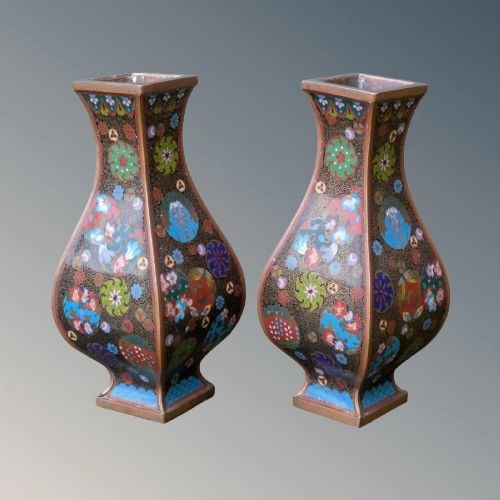


Qing Dynasty Enamelware
Qing dynasty enamelware brings vivid colour and intricate metalwork to a room, offering authentic craft from Beijing and Canton workshops.
Qing Dynasty Enamelware
When you search for qing dynasty enamelware, you encounter decorative objects ranging from scholar's brush washers and snuff boxes to vases, lamps, and tea sets. These pieces span the eighteenth and nineteenth centuries, including items from the Guangxu period, alongside later works from around nineteen hundred and the nineteen thirties.
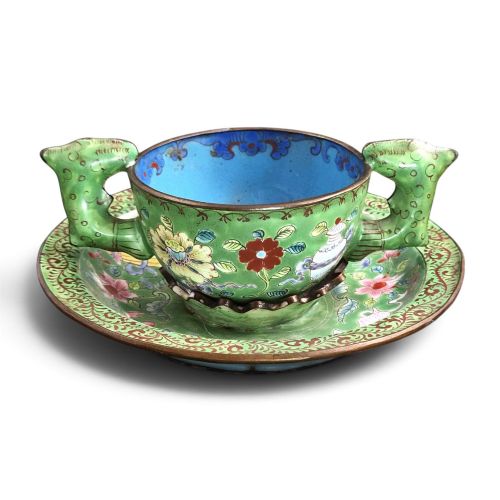
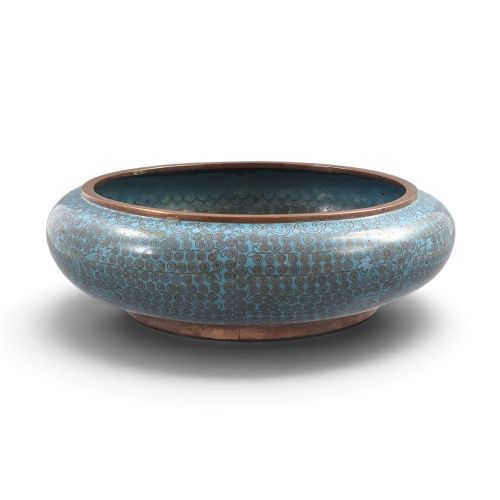
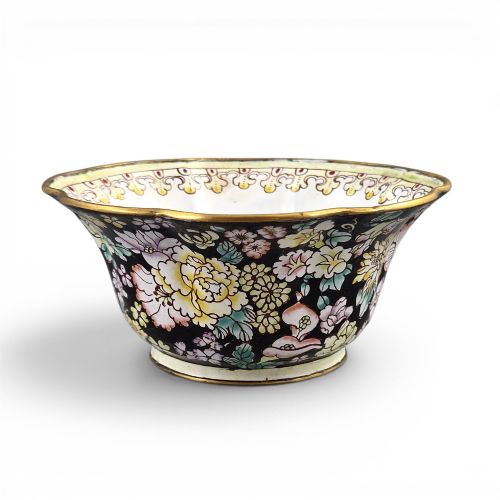
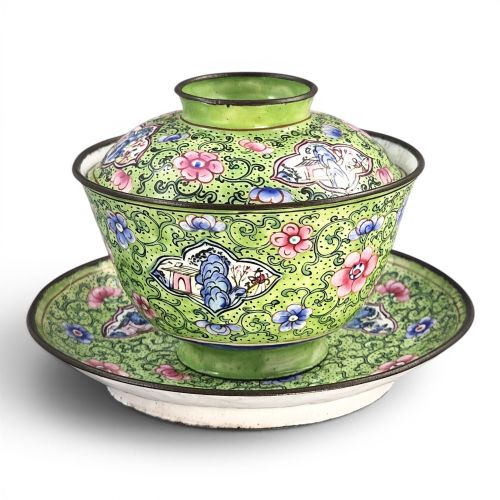
The items on this page primarily take the form of cloisonné enamel and painted enamel on copper, shaped as bowls, dishes, vessels, and lidded urns. Many examples reflect Chinese export and decorative styles produced in major centres such as Beijing and Canton.
How qing dynasty enamelware was made
Artisans built these pieces using metal foundations of copper, brass, bronze, and gilt metal, applying enamels directly onto the surfaces or within wired compartments. Cloisonné work involves soldering delicate metal strips to form cells that hold coloured enamel pastes before firing.
Painted enamel pieces utilise copper bodies coated with white enamel and decorated with detailed pigments, particularly in Canton workshops. Gilt bronze and metal mounts frequently complement the enamel bodies on vases, lamps, and tea sets.
A selection of nineteen-century cloisonné enamel pieces includes charming depictions of ewes alongside traditional stem cups.
What varies in quality
Quality in qing dynasty enamelware depends on the precision of the metal wirework, the crispness of the enamel filling, and the harmony of the palette. Finer pieces demonstrate disciplined technique in the soldered compartments and smooth, even surfaces across the vessels and dishes.
The sophistication of the painted or cloisonné decoration distinguishes standard domestic output from more accomplished workshop production. Heavier metal mounts and refined gilding further separate the better examples of vases, lamps, and boxes.
The Qing Dynasty Enamelware Glossary
- Cloisonné enamel
- A decorative metalwork technique where fine wires form raised cells that are filled with coloured enamel paste and fired. This method creates detailed patterns defined by thin metal lines.
- Canton enamel
- Painted enamel produced in the southern port city of Canton, typically featuring colourful designs directly on a copper base. These pieces often include floral motifs and figures.
- Gilt bronze
- Bronze metal coated with a thin layer of gold to provide a lustrous finish and prevent corrosion. This material frequently frames or supports enamel vessels and lamps.
- Scholar's brush washer
- A small vessel used in traditional Chinese writing studies for cleaning ink brushes. These items often feature careful cloisonné or painted enamel decoration.
- Gaiwan
- A traditional Chinese lidded bowl used for steeping and drinking tea. Examples in enamelware include matching saucers and covers.
Qing Dynasty Enamelware: Frequently Asked Questions
What is qing dynasty enamelware?
Qing dynasty enamelware encompasses decorative objects created with vitreous enamel fused to metal bases during the Qing period. These include vessels, vases, tea sets, and small boxes.
Craftsmen in centres like Beijing and Canton utilised techniques such as cloisonné and painted enamel on copper to produce these colourful works.
How do I identify a piece from the Qing dynasty?
Identification relies on examining the materials, manufacturing techniques, and stylistic markers typical of eighteenth and nineteenth-century Chinese workshops. Pieces often combine copper or bronze alloys with distinct cloisonné or painted enamel decoration.
Catalogues and listings frequently date these items to specific periods like the nineteenth century or the Guangxu reign based on stylistic traits.
How were enamel vessels used originally?
Many enamel pieces served functional roles in scholar's studios, tea ceremonies, or household decoration. Brush washers aided in calligraphy, while gaiwan sets facilitated tea drinking.
Other items functioned as personal accessories like snuff boxes or purely as decorative vases and lidded urns displayed in interiors.
How do I care for antique enamelware?
Antique enamelware requires gentle handling and protection from sudden temperature changes or moisture. Dusting with a soft, dry cloth preserves the metal surfaces and enamel fillings without causing abrasion.
Keep pieces away from direct sunlight and harsh cleaning chemicals to maintain the integrity of the gilt metal and colourful enamels.