


Qianlong Period Enamel
Qianlong period enamel pieces bring eighteenth-century craftsmanship into your rooms through intricate porcelain, copper, and Canton enamel creations.
Qianlong Period Enamel
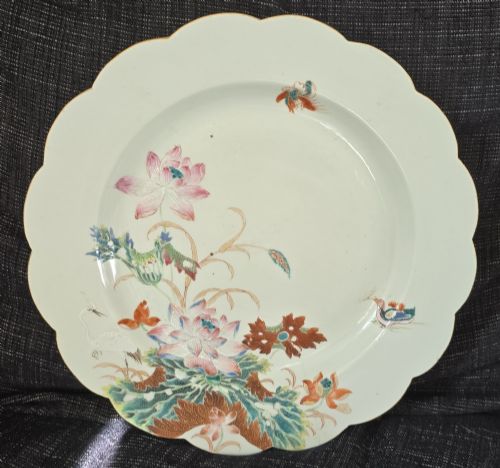
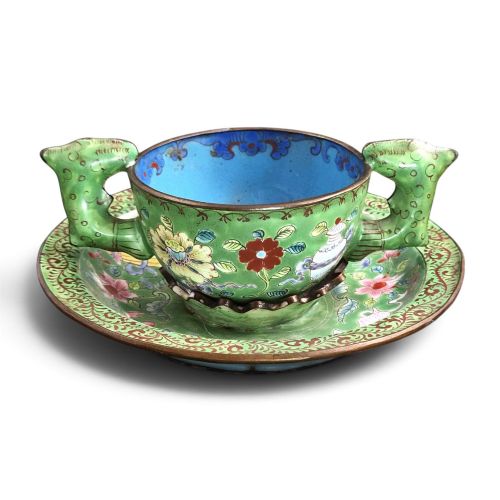
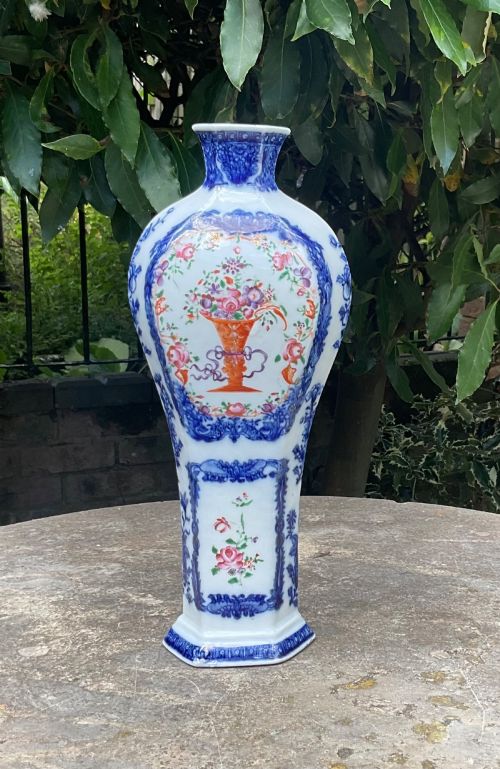
When you search for qianlong period enamel, you encounter eighteenth-century Chinese export porcelain, Canton enamel, and copper items created during the Qing dynasty. These objects span decorative dishes, scalloped-edge chargers, large vases, and delicate teacups and saucers.
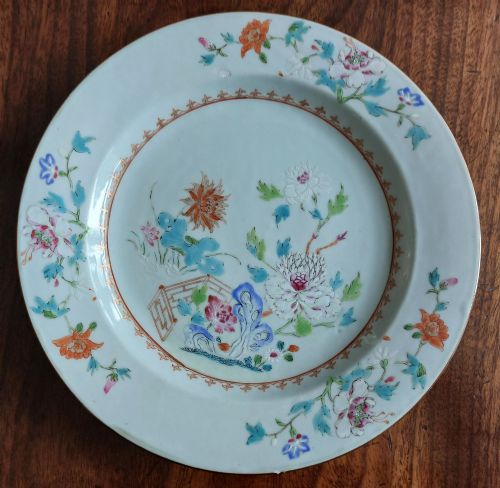
You are most likely to meet famille rose porcelain plates, bowls, and cream jugs bearing detailed overglaze enamel decoration from the middle to late eighteenth century. Figures like ascetic luohans and dog statues also appear alongside functional jardinières and wine cups.
The assortment reflects sophisticated Chinese export workshops producing items for international markets between 1736 and 1795. Each form demonstrates the precise decorative standards maintained during the imperial Qianlong reign.
How they were made
Makers utilised porcelain and copper as base materials, applying vibrant overglaze enamel glazes to create complex pictorial scenes and botanical motifs. Artisans added gold leaf and gilding to highlight specific borders and structural details.
Canton enamel pieces required skilled metalworking alongside precise enamel application, while porcelain items relied on high-temperature firing before decorative painting took place. Hollow elements such as chilong handles demonstrate advanced moulding techniques practised by eighteenth-century craftspeople.
Listings feature eighteenth-century pieces utilising porcelain, copper, and Canton enamel, decorated primarily with overglaze famille rose enamels and gilding.
What varies in quality
The refinement of the overglaze enamel brushwork distinguishes standard items from superior examples, particularly where faces or intricate Jesuit design scenes are rendered. Precision in the application of gold leaf and the crispness of moulded elements like hollow handles dictate the visual weight of each piece.
The condition of the enamel glaze across high-wear areas such as scalloped edges and rim borders influences how well the decorative surface survives. Consistency in porcelain potting and the clarity of the underlying paste separate provincial output from finer imperial export commissions.
The Qianlong Period Enamel Glossary
- Famille rose
- A palette of opaque pink and rose enamels introduced in the eighteenth century. It allowed for nuanced shading and detailed polychrome pictorial scenes.
- Canton enamel
- Painted enamel on a copper or metal base produced in Guangzhou. This technique combined European influence with traditional Chinese metalworking.
- Chinese export porcelain
- Ceramic wares made specifically in China for Western markets. These pieces blended traditional domestic forms with motifs requested by foreign buyers.
- Chilong
- A mythical horned dragon depicted as a serpentine creature. It frequently appears moulded in high relief on handle designs.
- Overglaze enamel
- Pigments applied to a previously fired and glazed ceramic surface. A secondary, lower-temperature firing fuses the colours to the glaze.
Qianlong Period Enamel: Frequently Asked Questions
What is qianlong period enamel?
Qianlong period enamel encompasses decorative and functional objects produced in China during the imperial reign between 1736 and 1795. These comprise painted copper vessels from Canton alongside porcelain wares decorated with famille rose enamels.
The category includes dishes, vases, figurines, and tea wares made for both domestic use and export to Western markets. Each piece reflects the specific decorative techniques and aesthetic preferences of the eighteenth-century Qing dynasty.
How do I date these pieces?
Dating relies on stylistic markers, specific enamel palettes, and the characteristics of the porcelain body or copper base. Eighteenth-century forms often feature distinct overglaze colour combinations and specific export motifs.
Historical records and reign marks, where present, help anchor pieces within the broader span of the Qianlong era. Comparing potting techniques and handle styles against documented examples refines the attribution further.
How were these items used?
Many items served practical functions in elite households, from tea service components like cream jugs and saucers to wine cups and large jardinières. Other pieces, such as figures of luohans or dog statues, fulfilled decorative roles within interior spaces.
Export wares frequently travelled to European homes where they were displayed on furniture or utilised during formal dining occasions. Their durability ensured they survived as functional ornaments over centuries.
How should I display them?
Display these enamel and porcelain pieces away from direct sunlight to preserve the vibrancy of the overglaze pigments and gilding. Placing them on stable surfaces protects vulnerable elements like hollow handles and scalloped edges from accidental impact.
Grouping complementary forms, such as pairing a famille rose bowl with matching saucers, creates a balanced historical display. Ensure adequate interior lighting to highlight the intricate detail of painted scenes.