




Iron Red Porcelain
Iron red porcelain brings together striking rust-toned pigments and delicate ceramic forms, offering collectors a rich tradition of Asian and European decorative artistry.
Iron Red Porcelain
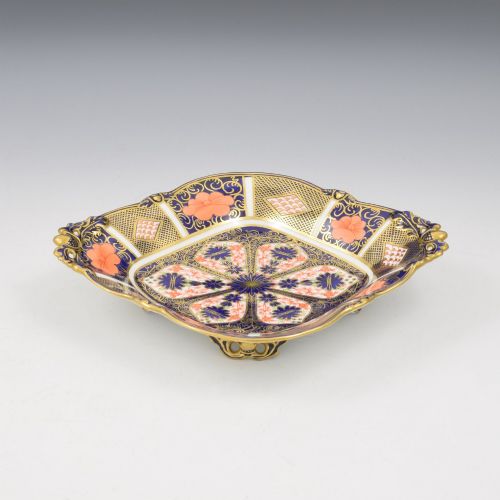
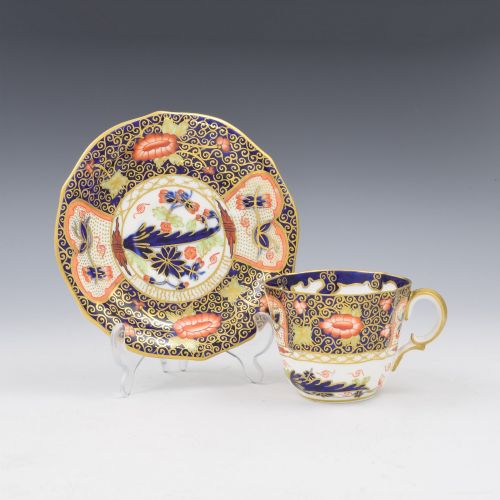
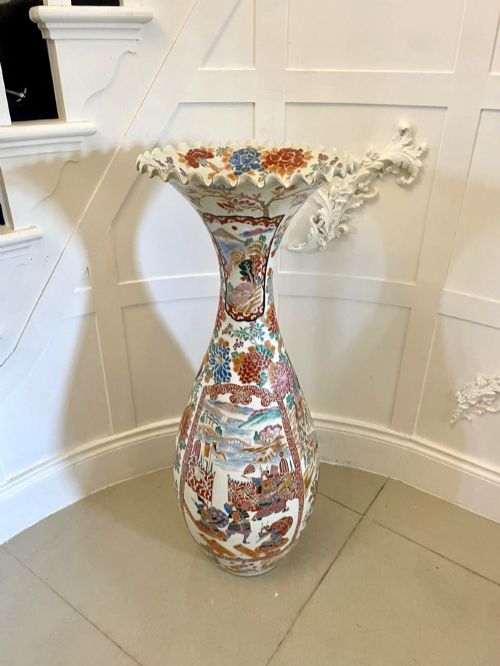
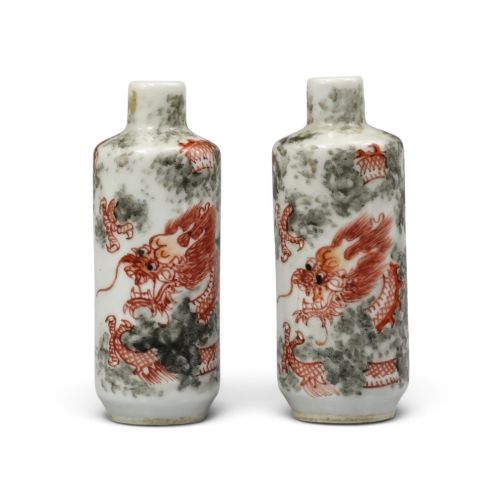
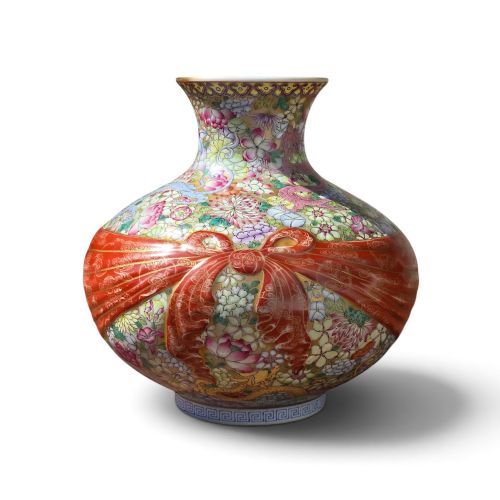
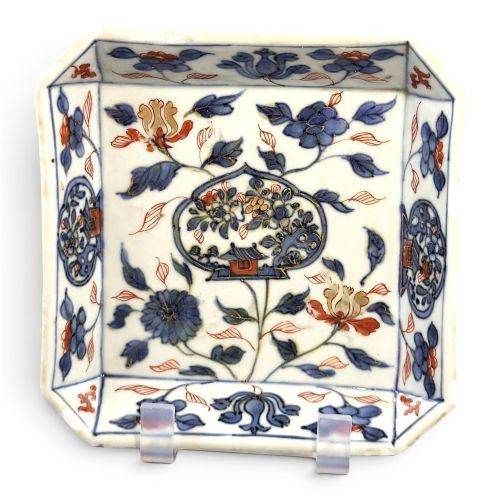
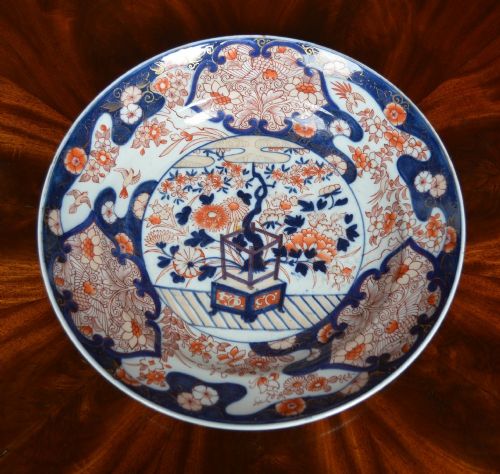
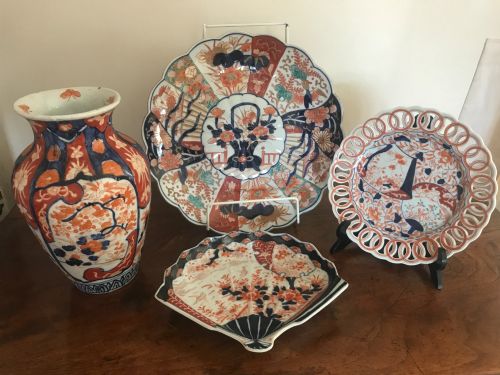
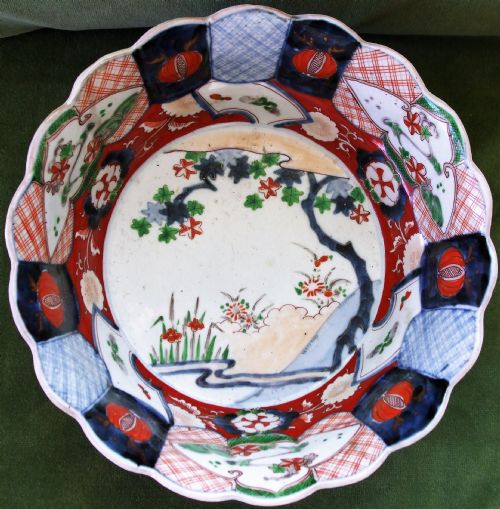
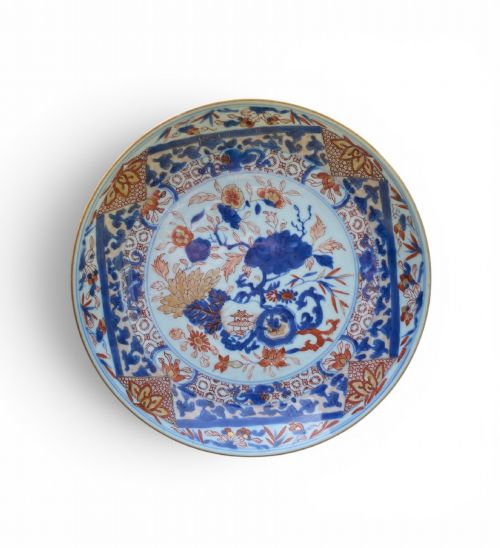
When you search for iron red porcelain, you encounter a selection of ceramic items defined by their distinctive iron-based reddish pigments. The pieces on this page span decorative plates, chargers, vases, bowls, teacups, and snuff bottles originating from various historical periods.
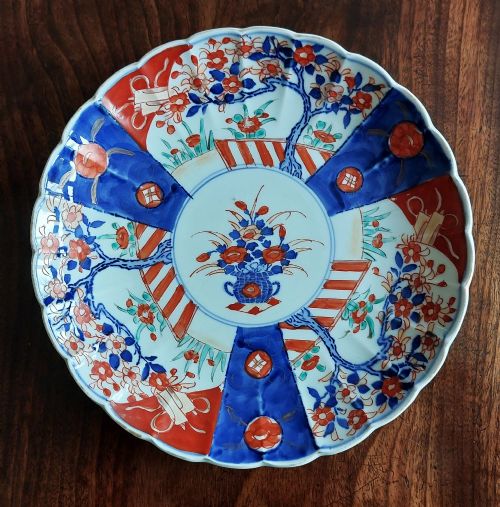
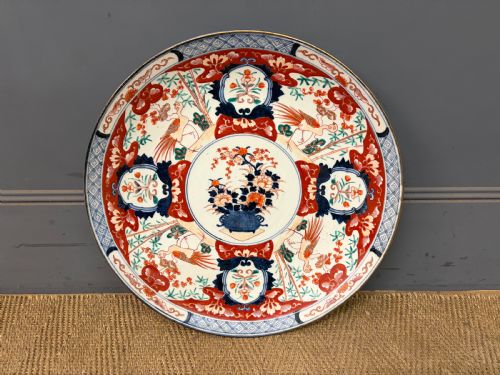
The objects frequently appear in styles such as Japanese Imari, Chinese Export, and Qing Dynasty productions, with many examples dating from the nineteenth century and the Edwardian era. You meet items ranging from large floor standing vases to small scalloped dishes and matched pairs of snuff bottles.
The selection represents a mix of Eastern craftsmanship and Western adaptations, including Staffordshire plates rendered in an Imari palette alongside traditional Chinese jars and Japanese Meiji period wares.
How iron red porcelain was made
The manufacture relies on porcelain bodies finished with overglaze enamels and glazes that incorporate iron oxides to achieve the characteristic rust-red colour. Artisans frequently combined this red pigment with other decorative elements such as gold leaf, gilding, and underglaze blue.
Techniques varied from hand-painted floral and bird designs to intricate depictions of dragons and vaporous clouds applied across surfaces like chamfered square bowls, hexagonal plates, and ewers.
Listings feature porcelain, enamel, and gold leaf applied across forms from the eighteenth century to the Edwardian era.
What varies in quality
Quality rests upon the precision of the hand-painted decoration and the crispness of the iron red pigment against the white porcelain ground. Stronger pieces display finely detailed motifs, such as clawed dragons or exotic birds, executed with clear control over the overglaze enamels.
The handling of supplementary materials like gold leaf and gilding also dictates the standard of a piece, distinguishing standard utility wares from finely articulated chargers and vases.
The Iron Red Porcelain Glossary
- Iron red
- A rust-coloured ceramic pigment derived from iron oxide, applied as an overglaze enamel to create distinctive reddish designs on porcelain. This colour forms the defining characteristic of the wares grouped in this search.
- Imari
- A style of Japanese porcelain featuring a palette typically comprising iron red, cobalt blue, and gold. The aesthetic originated in Arita and heavily influenced subsequent export wares.
- Overglaze enamel
- A coloured glass-like decoration applied over a previously fired and glazed ceramic surface, then fixed with a lower temperature second firing. This technique allows for vibrant reds, greens, and golds.
- Charger
- A large decorative plate intended for display rather than table service. These substantial vessels often showcase complex painted scenes across their wide surfaces.
- Meiji period
- The era in Japanese history spanning from 1868 to 1912, associated with a vast increase in decorative arts produced for export. Works from this time frequently feature rich gilding and detailed pictorial designs.
Iron Red Porcelain: Frequently Asked Questions
What is iron red porcelain?
Iron red porcelain refers to ceramic items decorated with a specific rust-toned pigment derived from iron oxide. The pieces encompass plates, vases, bowls, and jars.
These items often incorporate overglaze enamels, gilding, and styles associated with Japanese Imari and Chinese export traditions from various historical periods.
How were these ceramics used?
Many of these objects served decorative functions, particularly large chargers, floor vases, and display dishes placed within domestic interiors. Smaller items like teacups, saucers, and snuff bottles had more functional or personal uses.
Over time, these pieces transitioned from utilitarian or luxury trade goods into collector's items prized for their intricate painting.
How do I care for iron red porcelain?
Care involves gentle dusting and avoiding abrasive cleaners that might harm the overglaze enamels and delicate gold leaf details. Displaying pieces away from direct sunlight helps preserve the vibrancy of the iron red pigment.
Handling items with clean, dry hands prevents oils from accumulating on the porous or glazed ceramic surfaces.
How do I identify the period?
Dating relies on examining the ceramic body, the style of the hand-painted motifs, and the characteristics of the glazes and enamels. Stylistic markers such as Meiji period aesthetics or Qing dynasty reign marks provide key clues.
Comparing the form and decorative palette with documented examples helps narrow down the century of manufacture.