











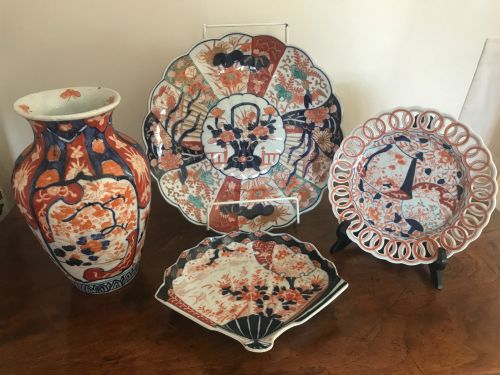

Iron Red Japanese Plate
An iron red japanese plate brings bold palette and pattern to a room, drawing the eye instantly to traditional ceramic art.
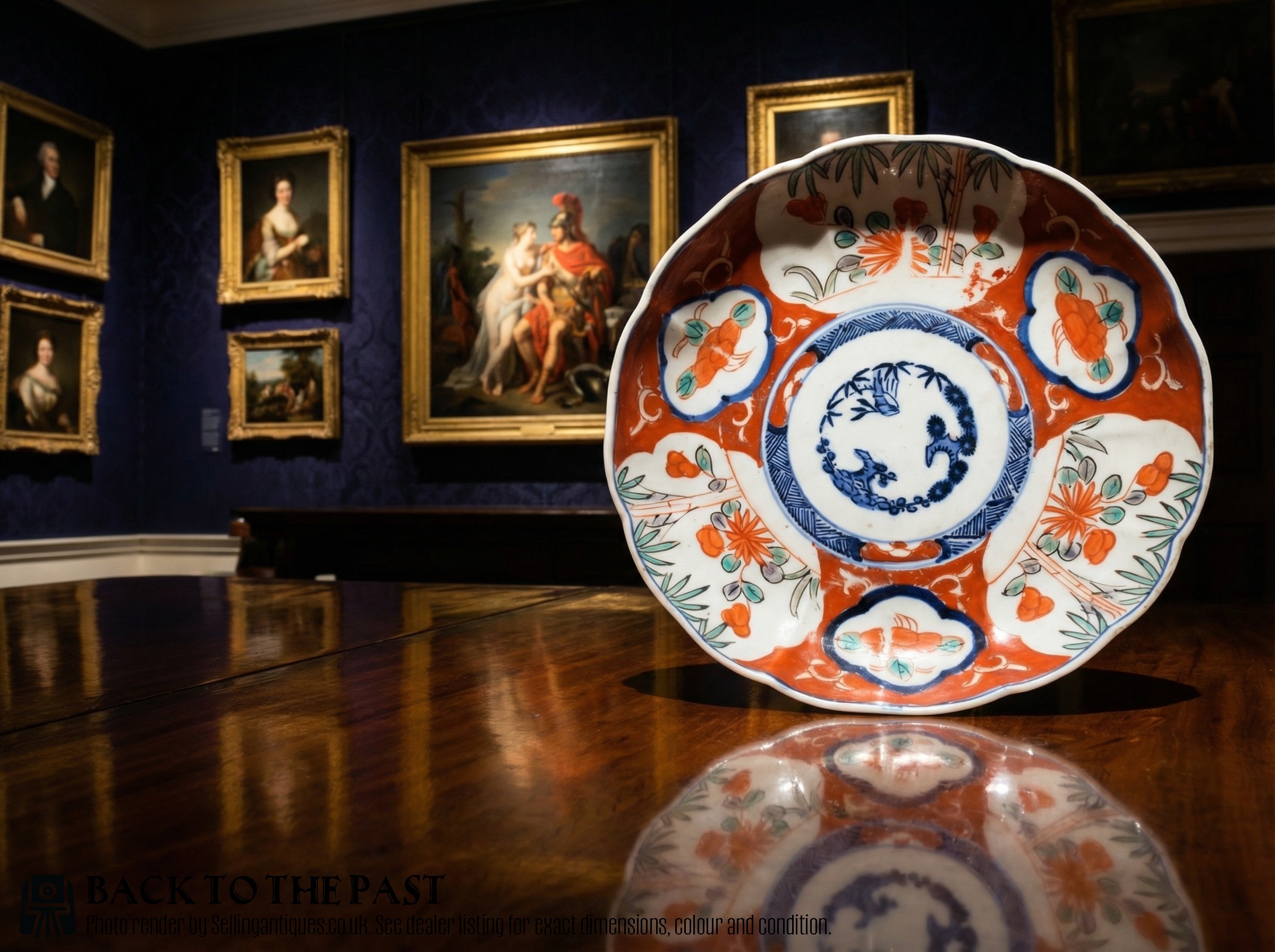
Iron Red Japanese Plate
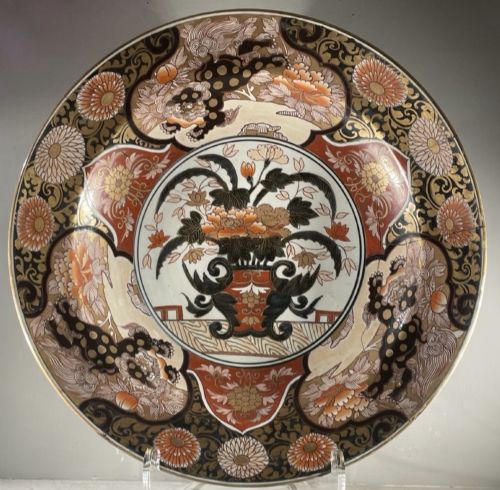
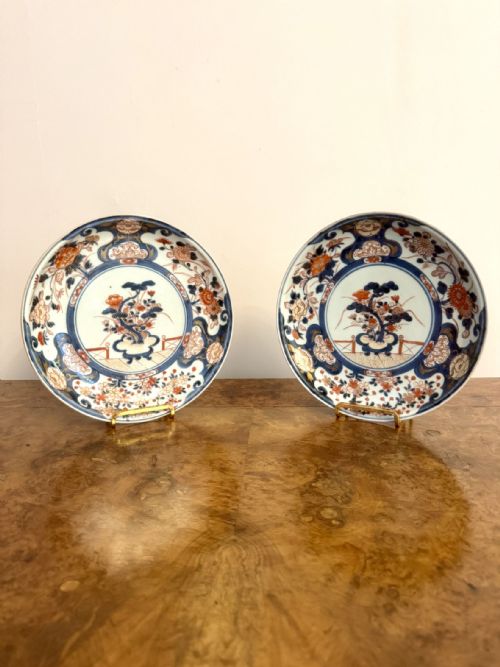
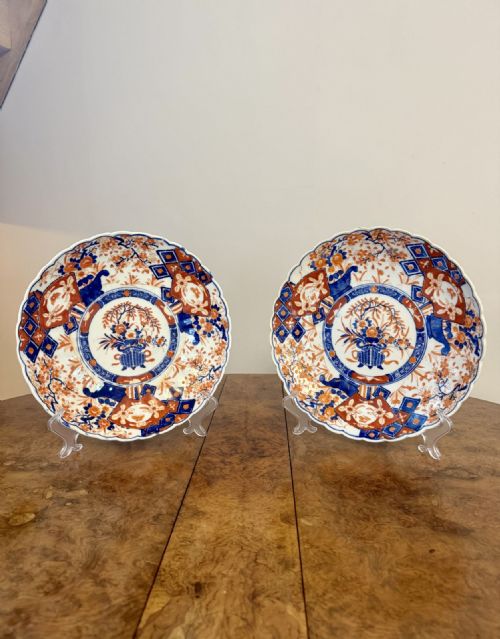
When you search for an iron red japanese plate, you find ceramics that span the nineteenth and early twentieth centuries, including pieces from the Meiji and Edo periods. The selection here leans heavily towards Japanese Imari porcelain chargers, dishes and plates.
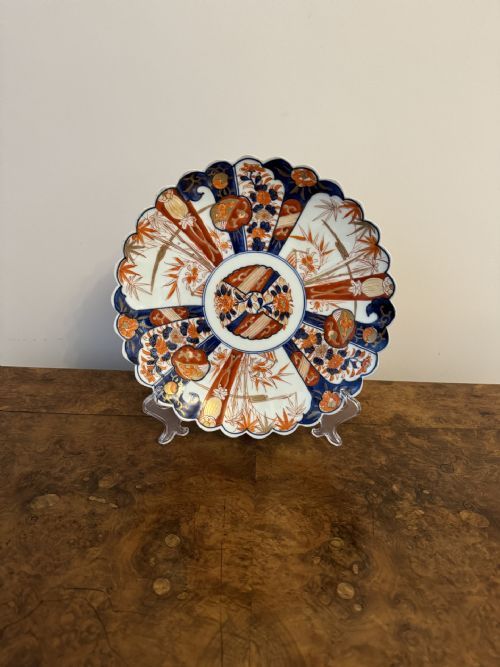
Makers shaped these wares into various forms, from standard round chargers to scalloped edges, hexagonal formats and square plates. These decorative display items typically feature hand painted floral and bird designs, alongside depictions of figures like the Seven Lucky Gods.
The aesthetic bridges domestic tableware and display art, designed originally for export or high interior use. Most examples on this page date from the late nineteenth century and around nineteen hundred, reflecting robust trade and artistic output during that era.
How they were made
Potters built these items using ceramic porcelain bodies, forming plates and chargers by hand or mould before applying decoration. Artisans painted motifs directly onto the surface using cobalt underglaze, enamel and iron red pigments.
Guilds and workshops often enriched the design with gold leaf, gilt and gilding to highlight specific details within the floral or avian patterns. Firing in kilns set the iron red and glaze, fusing the metallic accents and colours permanently into the ceramic surface.
Iron Red Japanese Plate Retail Price Guide 2026
Typical asking prices for iron red japanese plate among the pieces listed under this phrase on Sellingantiques today, from the lower quarter to the upper quarter. They describe what is for sale here now, not the wider market.
Listings here feature porcelain items primarily from the nineteenth century up to nineteen ten, utilising enamel, gilt and cobalt underglaze.
What varies in quality
The crispness of the hand painted detail sets finer examples apart from simpler mass production, particularly in the rendering of exotic birds and floral panels. Precision in the porcelain body and the regularity of shaped edges, such as scalloped or hexagonal rims, also indicate higher standard work.
The application of gold leaf and enamel depth dictates visual richness, where thicker, more vibrant layers create greater relief and contrast against the iron red base. Preservation of the painted surface over time influences the overall integrity of the piece.
The Iron Red Japanese Plate Glossary
- Imari
- A style of Japanese porcelain featuring a distinct palette of iron red, cobalt blue and gold highlights.
- Charger
- A large decorative plate intended primarily for display on a wall or sideboard rather than dining.
- Meiji Period
- The era in Japanese history spanning from eighteen sixty-eight to nineteen twelve, known for opening trade and prolific ceramic exports.
- Cobalt Underglaze
- A blue pigment applied to the raw ceramic body before glazing and firing, creating durable colour beneath the shiny surface.
- Scalloped Edge
- A decorative rim shaped into a series of continuous curves resembling the edge of a scallop shell.
Iron Red Japanese Plate: Frequently Asked Questions
How do I hang a heavy charger safely?
Use a specialised spring-loaded plate hanger designed to distribute weight evenly across the rim without causing stress fractures.
Ensure the wall fixing engages directly into solid masonry or a timber stud rather than relying solely on plasterboard.
Can I use these plates for serving food?
Historic decorative plates often feature surface wear or lead-based glazes that are not suited for modern culinary use.
Displaying them on stands or walls preserves the delicate iron red and gilt decoration from cutlery damage.
How should I clean my antique plate?
Dust the surface gently with a soft, dry microfibre cloth to remove everyday particles without risking abrasion.
Avoid soaking or using harsh detergents, as moisture and chemicals can degrade the enamel and gold leaf over time.
How do I date a Meiji period piece?
Examine the weight, foot ring finish and painting style, as late nineteenth-century export wares exhibit specific standardisation.
Comparing the cobalt and iron red tones against dated examples helps narrow down the production decade.