






Iron Red Ceramic Plate
An iron red ceramic plate brings the striking warmth of traditional palettes and hand-painted motifs straight to the table or wall.

Iron Red Ceramic Plate
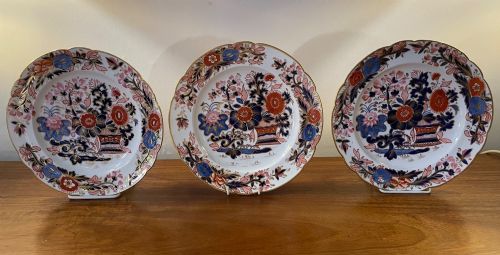
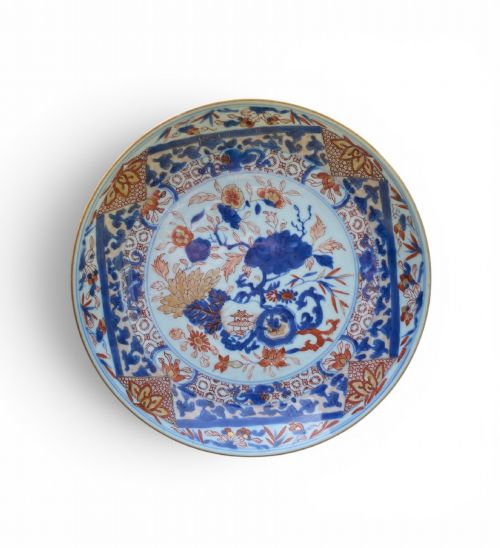
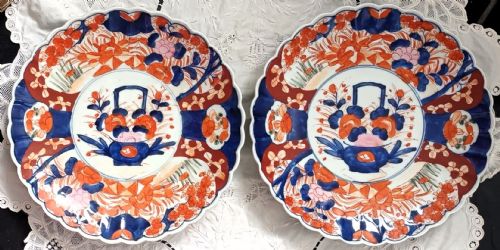
When you search for an iron red ceramic plate, you encounter decorative chargers, display dishes, and serving plates originating from the eighteenth, nineteenth, and early twentieth centuries. The selection spans Chinese export porcelain alongside numerous Japanese examples created during the Meiji and Edo periods.
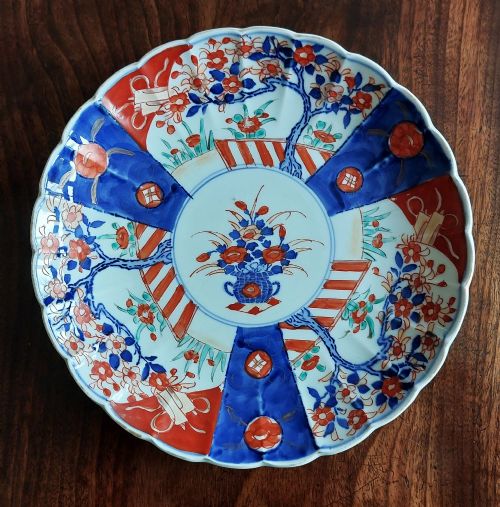
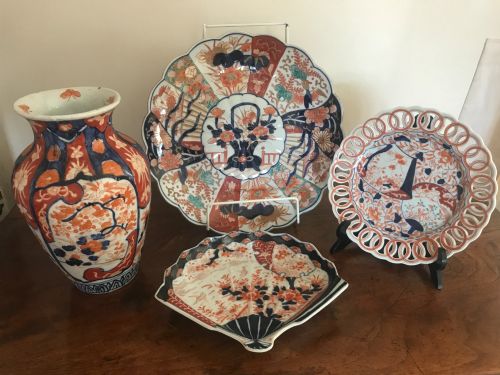
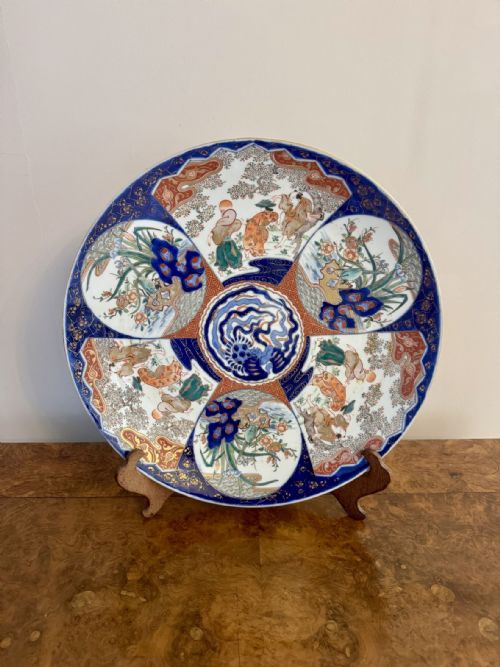
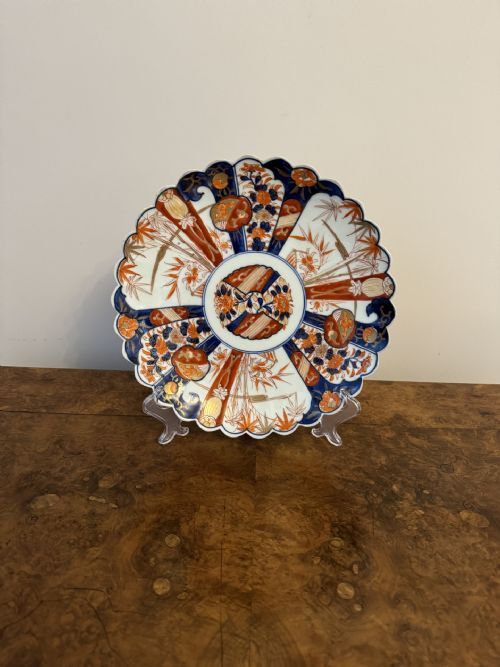
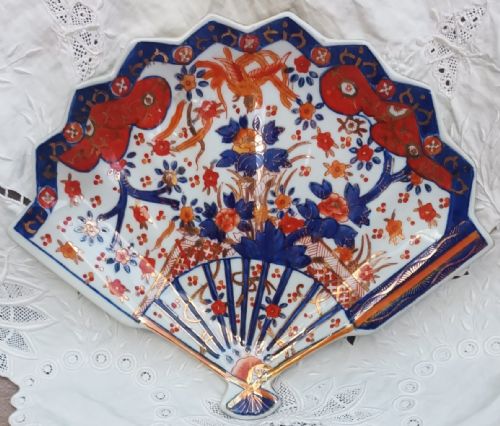
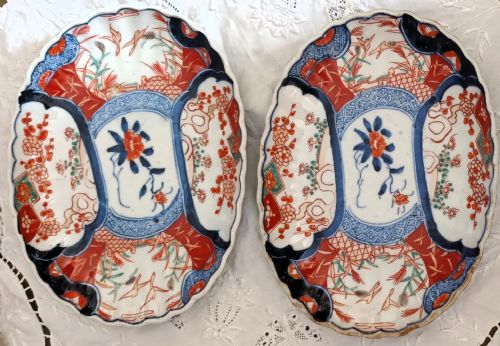
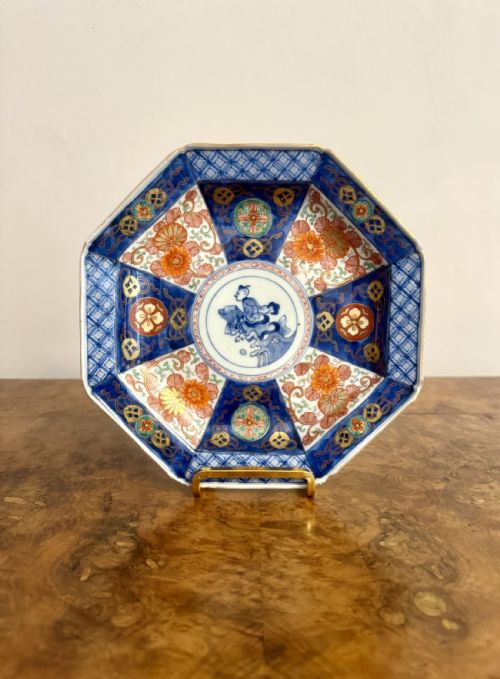
Most entries belong to the Imari tradition or employ the characteristic Imari palette alongside cobalt underglaze, enamel, and gilt highlights. Formats vary from standard circular vessels to scalloped edges, hexagonal profiles, square shapes, and ribbon plates.
These items function primarily as decorative chargers and wall plates designed for visual impact rather than heavy daily service. Collectors select them for their intricate hand-painted floral, bird, and figural compositions.
How they were made
Potters shaped these vessels in ceramic and porcelain before applying cobalt underglaze pigments beneath a clear protective glaze. Artisans then introduced iron red enamel alongside additional colours and gold leaf or gilding details in subsequent firing stages.
Many surfaces display hand-painted brushwork executed with precise control, featuring exotic birds, floral motifs, and symbolic figures such as the Seven Lucky Gods. Scalloped edges, hexagonal contours, and square forms required skilled moulding and trimming prior to kiln work.
The listings feature ceramics spanning the eighteenth, nineteenth, and early twentieth centuries, including the Victorian era and the Meiji period.
What varies in quality
Quality rests upon the crispness of the hand-painted brushwork and the precision of the iron red and cobalt underglaze application. Pieces featuring balanced composition, well-preserved gold leaf, and unusual geometric forms such as hexagonal or square profiles stand apart from standard circular counterparts.
The density and richness of the enamel pigments dictate visual depth, while carefully finished rims and uniform glazing reflect superior kiln control. Greater refinement in floral and avian detailing distinguishes the finest chargers and decorative dishes.
The Iron Red Ceramic Plate Glossary
- Iron red
- A brick-red enamel pigment derived from iron oxide, applied over the glaze and fired at a lower temperature. It forms a cornerstone of the traditional Imari palette.
- Imari
- A style of Japanese porcelain exported from the port of Imari, traditionally characterised by a palette of underglaze blue, iron red, and supplementary gold. It heavily influenced European and Chinese export ceramic design.
- Charger
- A large decorative plate or platter utilised historically for display or formal service rather than everyday dining. These wide surfaces provide ample canvas for complex pictorial arrangements.
- Cobalt underglaze
- A blue pigment painted directly onto the raw ceramic body before glazing and high-temperature firing. The resulting decoration remains permanently sealed beneath the glassy surface.
- Gilding
- The application of gold leaf or powdered gold to ceramic surfaces for accent or embellishment. It frequently highlights the borders and central motifs of nineteenth-century export wares.
Iron Red Ceramic Plate: Frequently Asked Questions
How were iron red ceramic plates used?
These pieces served primarily as decorative chargers, display dishes, and wall plates within formal interiors. Their vibrant iron red and gilt palettes suited visual presentation rather than rigorous daily dining.
Over successive generations, collectors mounted them on walls or displayed them on sideboard cabinets to showcase their intricate hand-painted motifs.
What is the difference between Chinese and Japanese Imari?
Chinese export examples generally date to earlier periods, such as the eighteenth century, featuring refined porcelain bodies and specific interpretations of the palette. Japanese pieces often emerge from the nineteenth and early twentieth centuries during the Meiji period.
Japanese versions frequently display distinct regional moulding, such as scalloped edges, hexagonal outlines, and square formats paired with dense avian and floral patterns.
How do I care for antique ceramic plates?
Gentle handling remains essential, particularly when cleaning pieces with delicate enamel work and gold leaf highlights. Dust them softly with a dry cloth and avoid harsh chemical detergents.
Display stands should securely support the weight of larger chargers, and wall mountings must utilise padded brackets to protect the ceramic rims.
How can I tell the period of an Imari plate?
Dating relies upon stylistic markers, porcelain body characteristics, and the handling of the iron red and cobalt underglaze pigments. Nineteenth-century examples often reflect Meiji period manufacturing techniques and distinct decorative densities.
Markings on the base, where present, can also offer clues regarding the workshop origin and the era of production.