
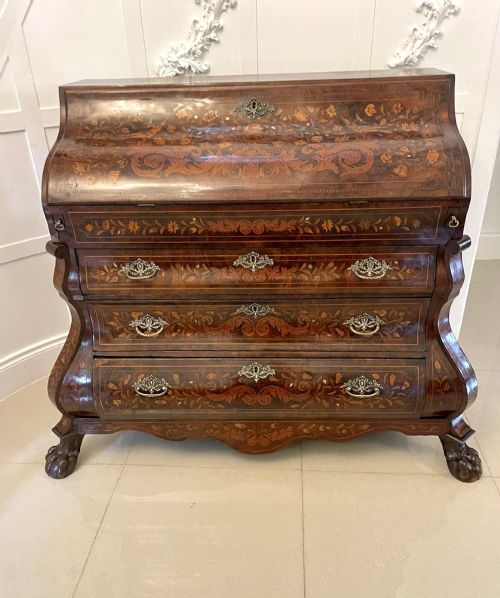
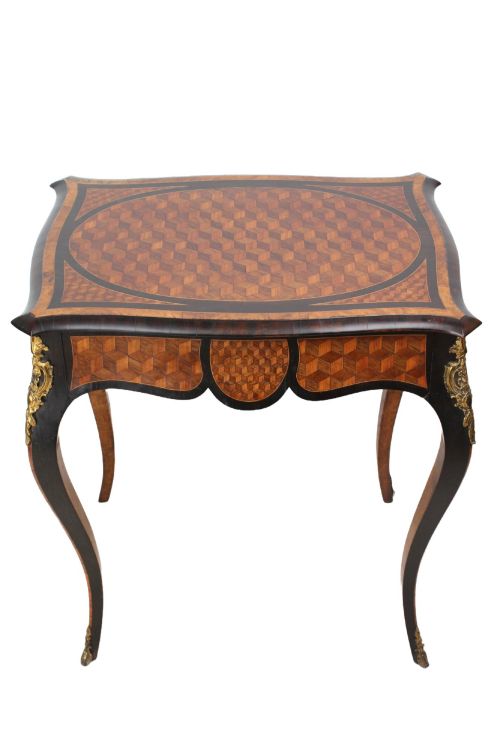


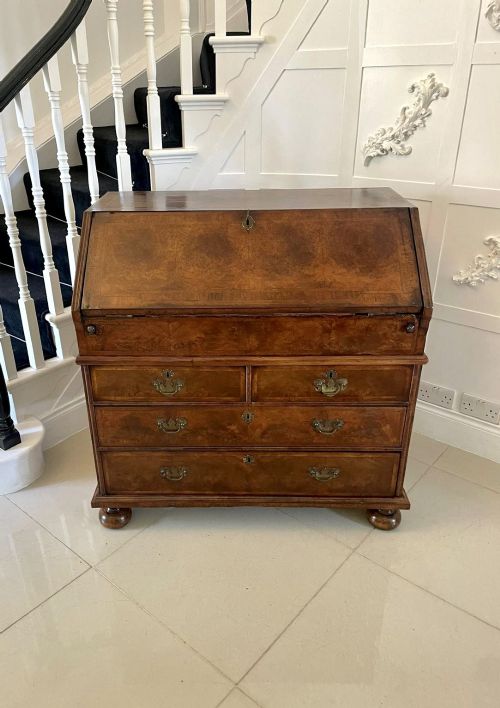
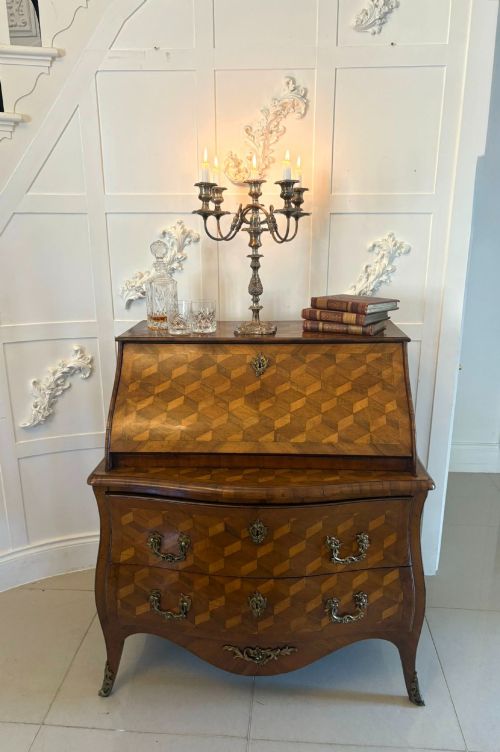
Inlaid Walnut Writing Desk
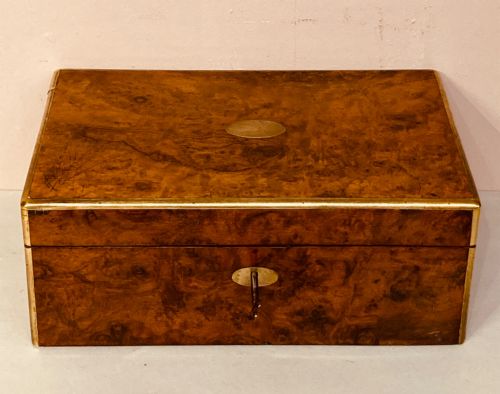
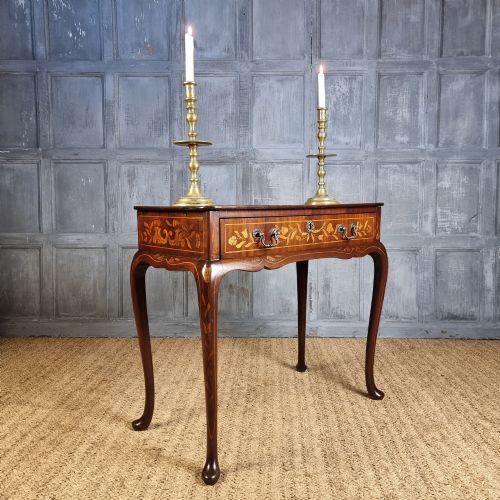
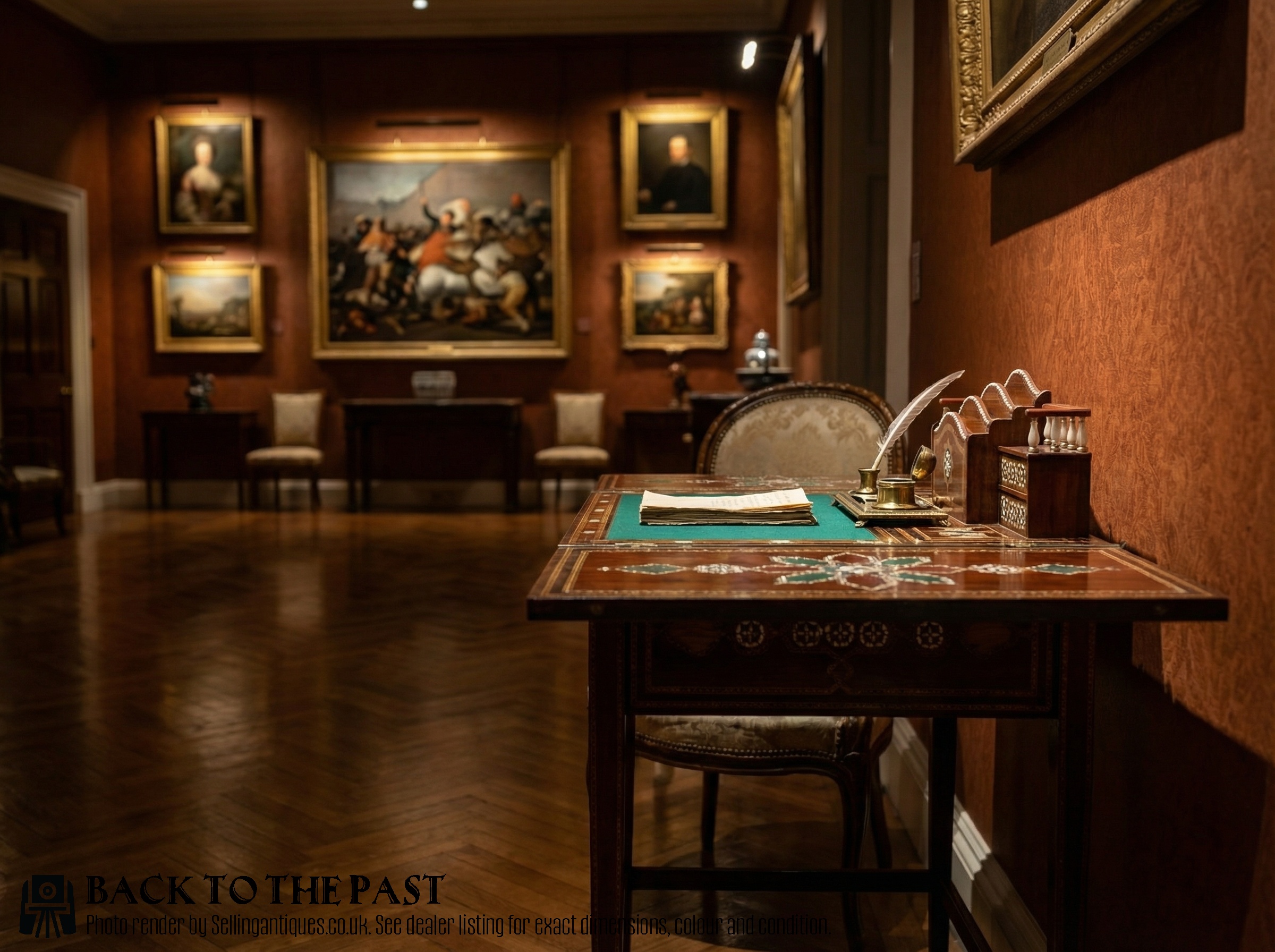
An inlaid walnut writing desk brings deep grain and precise floral or geometric patterns into a study, combining practical surface area with centuries of cabinet-making skill.
Inlaid Walnut Writing Desk
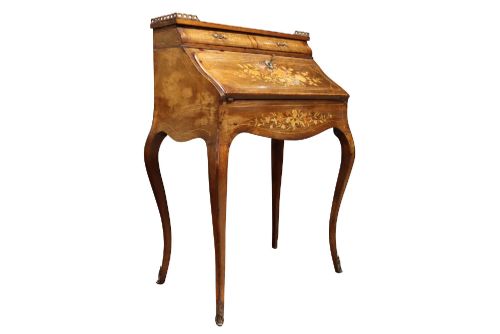
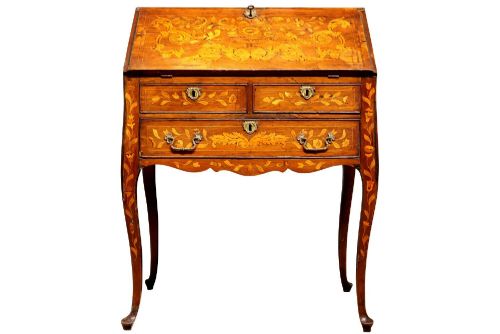
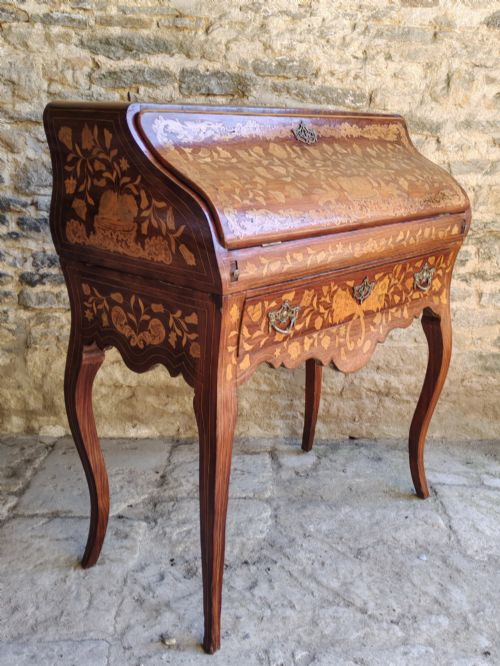
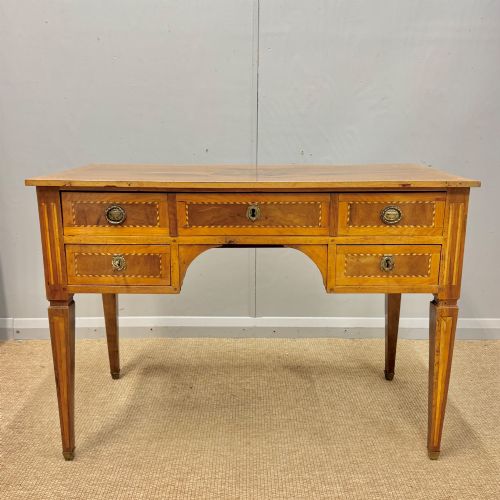
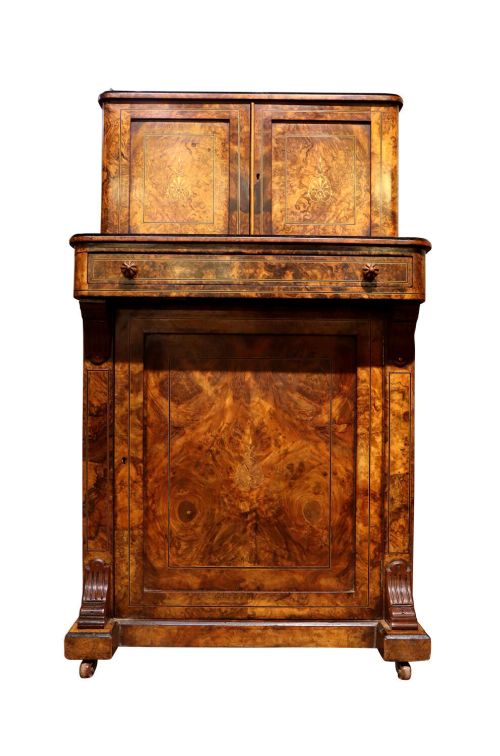
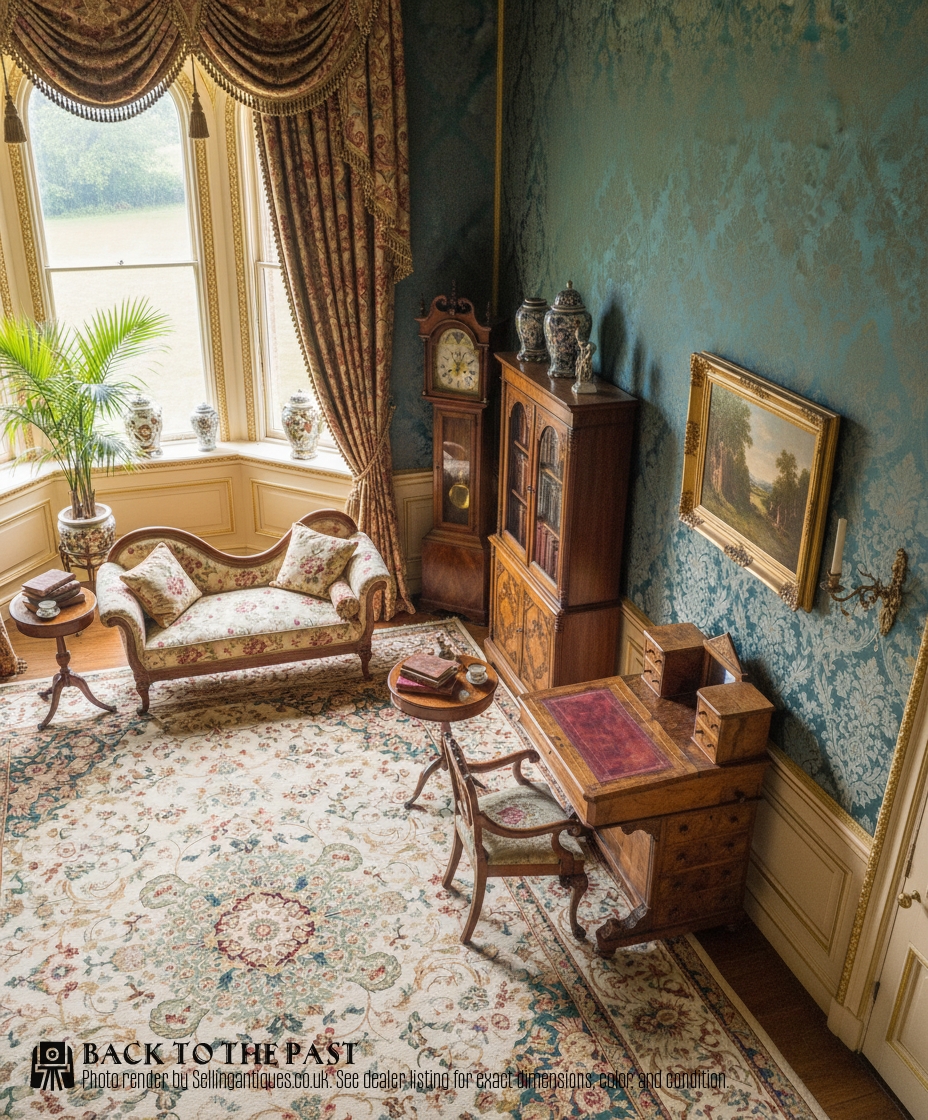
An inlaid walnut writing desk encompasses diverse forms from compact Victorian Davenport desks and ladies' writing tables to grand 18th-century bureau bookcases and freestanding bureau plats. Walnut and burr walnut serve as the foundational timber across these pieces, frequently enriched with contrasting woods or metal details.
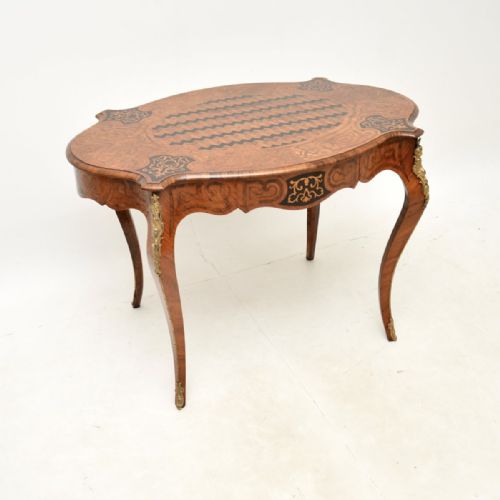
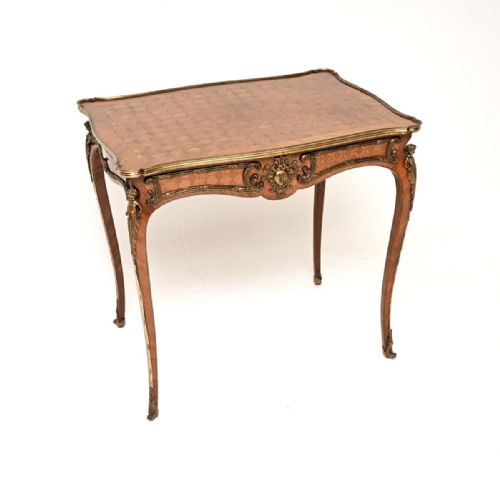
Victorian examples dominate the selection alongside 18th-century Dutch floral marquetry pieces and French Louis XV style writing tables. Buyers encounter everything from slope-front writing boxes and slope desks to multi-drawer Davenport variations designed for stationary storage.
The phrase covers both domestic English furniture and continental European cabinet work, including Dutch Baroque interpretations and French escritoires. Pieces range from modest 19th-century study tables to elaborate double dome bureau bookcases dating to the 17th century.
How they were made
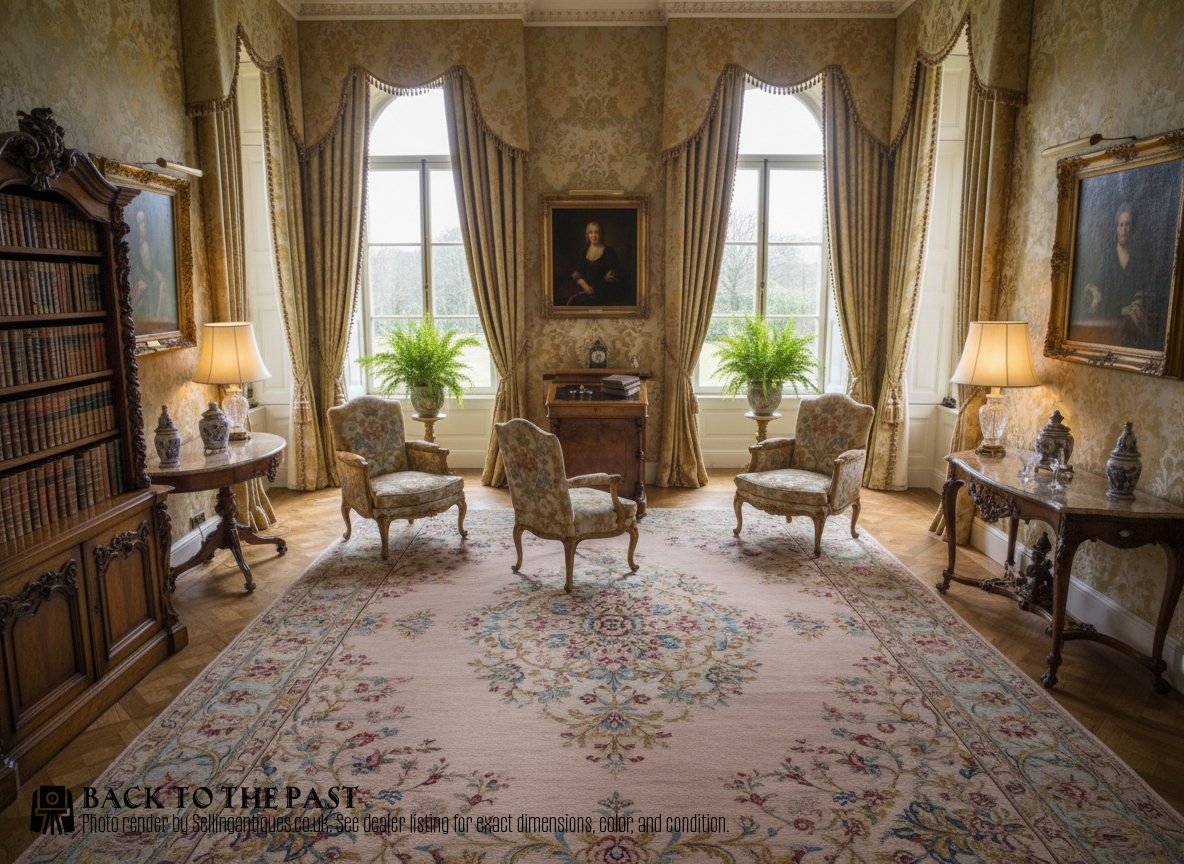
Cabinet makers utilised figured walnut and highly textured burr walnut veneers applied over secondary timbers to create rich, variegated surfaces. Craftsmen then cut intricate floral marquetry or geometric parquetry patterns from contrasting woods like fruitwood and kingwood.
Many writing surfaces incorporated fitted leather writing panels framed by wood borders. Ormolu mounts, brass stringing and occasional ebonised details provided structural definition and decorative contrast to the walnut carcase.
Inlaid Walnut Writing Desk Retail Price Guide 2026
Typical asking prices for inlaid walnut writing desk among the pieces listed under this phrase on Sellingantiques today, from the lower quarter to the upper quarter. They describe what is for sale here now, not the wider market.
Materials paired with walnut across the inventory include brass, ormolu, leather, glass, fruitwood, and kingwood.
What varies in quality
The complexity and precision of the marquetry distinguish standard pieces from exceptional ones, particularly where floral motifs or multi-wood pictorial inlays retain sharp outlines and tight joints. The selection of the burr walnut veneer also dictates visual impact, with tightly curled grain patterns fetching greater admiration than plain timber.
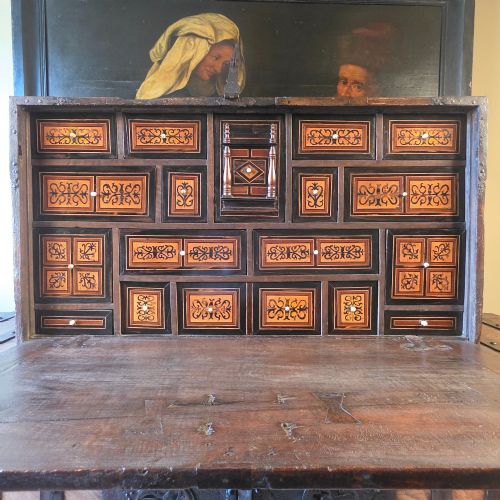
Internal secondary fittings, such as secret drawers within a bureau or finely partitioned stationary compartments in a Davenport, reflect the tier of craftsmanship involved. Well-executed bronze or ormolu mounts and original brass hardware elevate the overall integration of design.
JAS Shoolbred·Gill and Reigate·Edwards and Roberts
The Inlaid Walnut Writing Desk Glossary
- Marquetry
- Decorative veneer work arranged in pictorial patterns using various coloured woods and natural materials. This technique transforms a flat desktop into a detailed canvas of flowers or scrolls.
- Burr walnut
- Timber taken from the growth excrescences of a walnut tree, yielding a swirling, highly figured grain pattern. It provides rich visual texture to the primary surfaces of superior desks.
- Bureau plat
- A freestanding writing table fitted with drawers beneath the top, lacking a superstructure. Originating in France, these desks were designed to stand away from walls.
- Parquetry
- Geometric mosaic woodwork formed by small veneer blocks laid down in repeating patterns such as cubes or chequers. It offers a structured visual contrast to flowing floral marquetry.
- Davenport desk
- A compact Victorian writing desk featuring a sloping top above a pedestal of side drawers. It typically includes internal stationary storage accessible from the top.
Inlaid Walnut Writing Desk: Frequently Asked Questions
How do I care for walnut veneer?
Keep the desk away from direct sunlight and heat sources to prevent the walnut veneer from drying out or splitting. Apply a quality beeswax periodically to nourish the wood and maintain a soft sheen.
Avoid using harsh chemical polishes or excessive moisture on the surface. A soft, dry cloth is sufficient for dusting marquetry and inlaid details.
What is a Davenport desk?
A Davenport is a compact writing desk featuring a sloped, often leather-lined writing surface above a pedestal of drawers. Many include a stationary compartment on top.
Developed in the 19th century, these desks were designed for smaller studies or drawing rooms where space was limited.
Where should I place a bureau plat?
A bureau plat is finished on all sides as a freestanding writing table, making it suitable to float in the centre of a room or study rather than push against a wall.
Ensure the room has stable humidity levels to protect the leather insert and the surrounding walnut and ormolu mounts.