


Dutch Marquetry Furniture
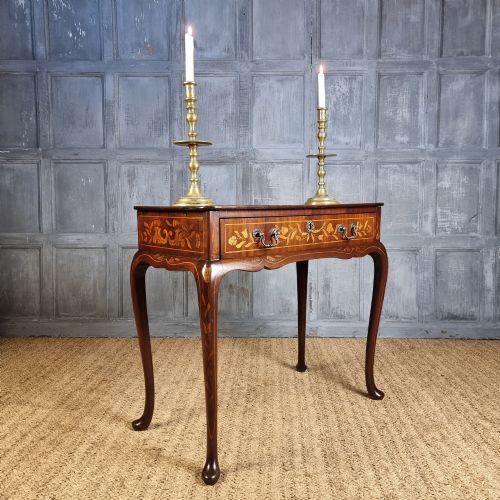
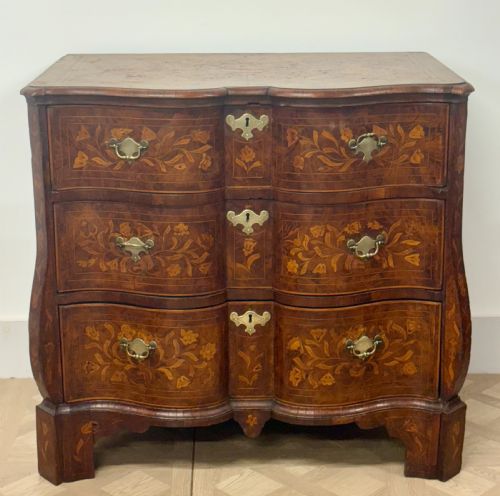
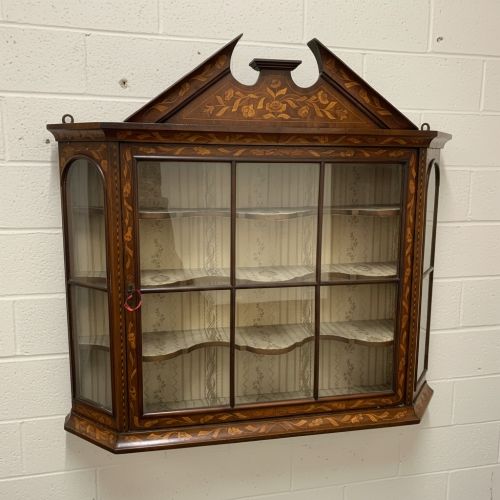
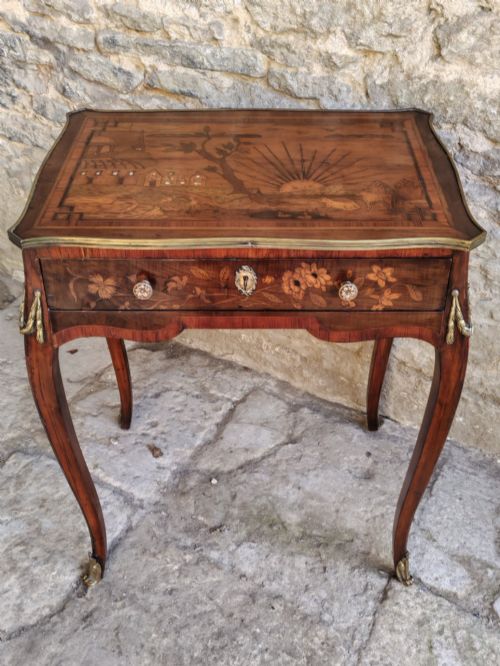
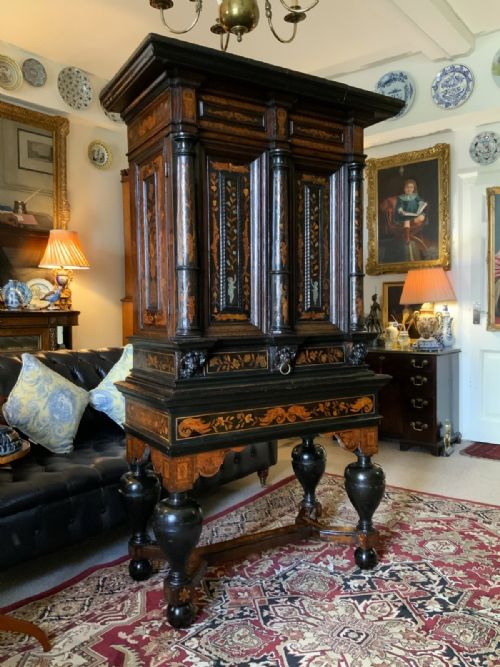
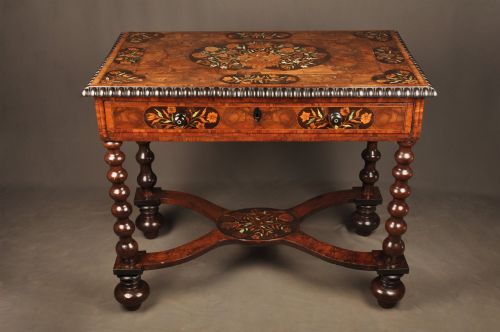
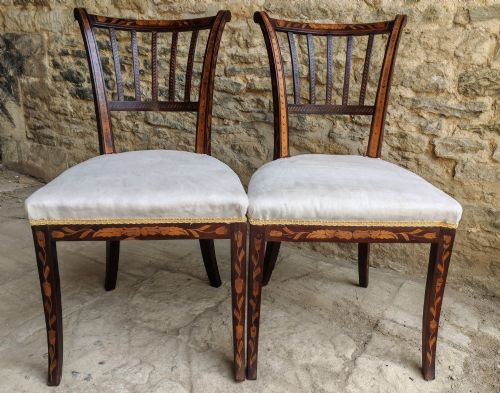
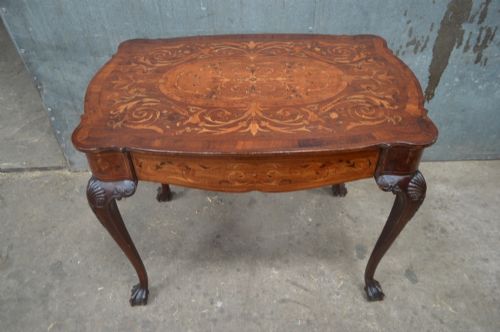
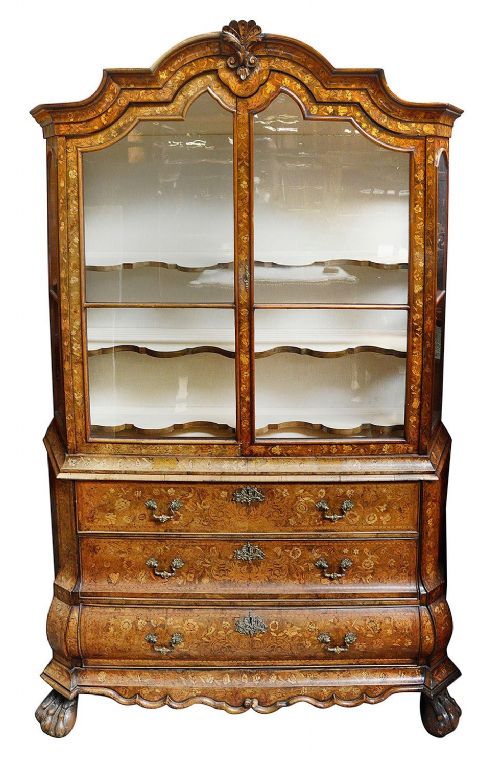
Dutch marquetry furniture brings together dense floral imagery and rich timbers like mahogany, burr walnut, and fruitwood.
What Dutch marquetry furniture is
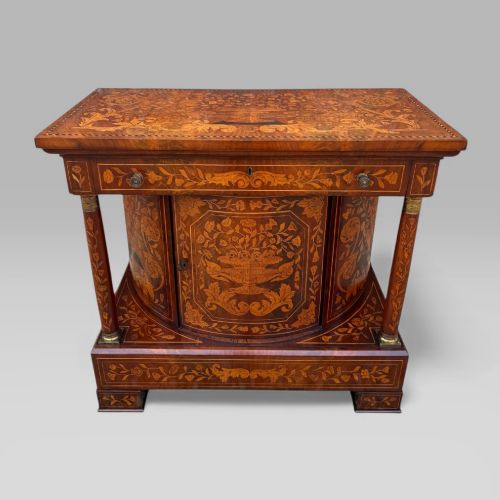
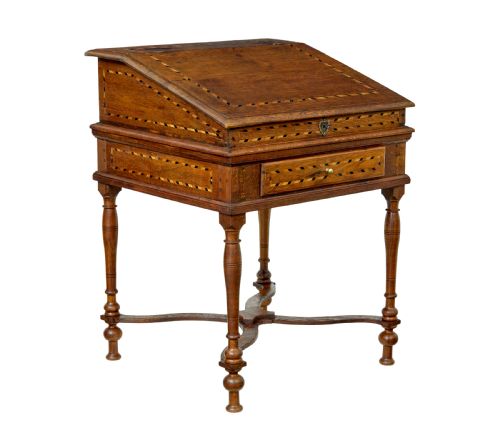
Dutch marquetry furniture encompasses items such as console tables, desks, bedside tables, bureaux, credenzas, dressing tables, and chests of drawers. These pieces date from the eighteenth and nineteenth centuries, spanning periods like Dutch Rococo, Dutch Baroque, and general eighteenth century Dutch design.
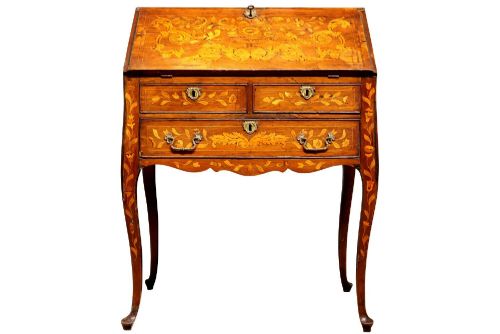
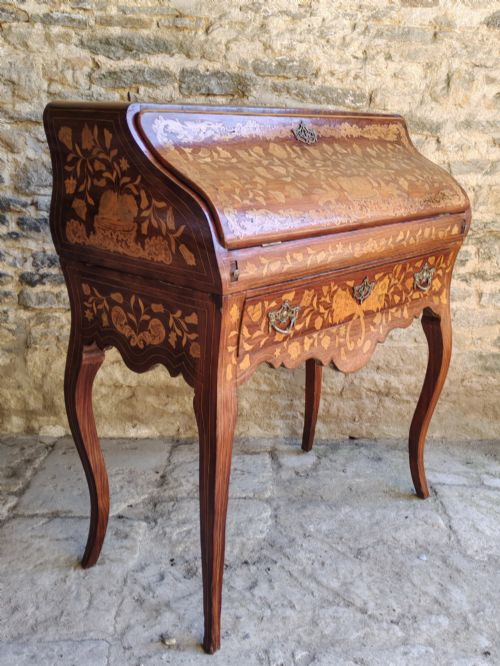
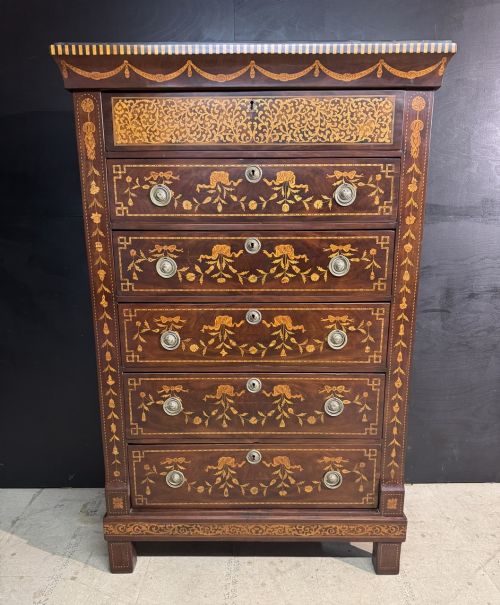
The version most commonly met on this page is the bureau or chest of drawers displaying intricate floral marquetry and inlay work. Makers utilised woods including mahogany, walnut, burr walnut, and various fruitwoods to construct these functional domestic forms.
How they were made
Craftsmen built structural carcases from timbers such as mahogany and walnut, applying burr walnut veneers for rich surface movement. Fruitwood inlay and marquetry were then meticulously cut and fitted into the primary timber ground.
Details were often heightened with brass hardware and contrasting boxwood elements. Individual pieces required precise hand-cutting of floral veneers to achieve the characteristic pictorial motifs seen across eighteenth and nineteenth century examples.
Retail Price Guide 2026
Typical UK retail prices for dutch marquetry furniture, calculated from the Sellingantiques database of over a million retail prices indexed since 2003. This retail price guide relies exclusively on Sellingantiques data; no external sources or auction records are used, so the figures do not describe the wider market.
Listings feature eighteenth and nineteenth century periods, incorporating materials such as mahogany, burr walnut, fruitwood, brass, and boxwood.
What varies in quality
Quality rests on the depth of the timber selection and the complexity of the marquetry design. Dense burr walnut and carefully shaded fruitwoods indicate superior material choice compared to plainer primary surfaces.
The crispness of the floral inlay and the integration of brass mounts define the upper tier of these pieces. Lesser examples feature simpler veneer patterns with less variation in tone and botanical detail.
The Dutch Marquetry Furniture Glossary
- Marquetry
- Decorative veneer work forming pictorial patterns. Craftsmen piece together thin slices of wood like fruitwood and boxwood to create floral designs on furniture surfaces.
- Burr walnut
- Timber taken from the growth excrescence of a walnut tree. It produces highly figured, swirling grain patterns prized for cabinet fronts.
- Bureau
- A sloping desk with compartments and drawers below. Eighteenth century versions frequently feature elaborate floral marquetry over mahogany or walnut carcases.
- Credenza
- A sideboard or cabinet form used for storage and display. The eighteenth century Dutch variants incorporate inlaid marquetry panels.
- Fruitwood
- Timber derived from fruit-bearing trees such as pear or apple. It provides pale, smooth surfaces ideal for contrast inlay work.
Frequently Asked Questions
What is Dutch marquetry furniture?
Dutch marquetry furniture consists of eighteenth and nineteenth century wooden items decorated with detailed floral and botanical veneer work. These pieces include bureaux, chests of drawers, and console tables.
Craftsmen used woods like mahogany, walnut, and fruitwood as a base for intricate inlaid pictures. The style reflects periods such as Dutch Rococo and Baroque.
Where were these pieces used?
These items served functional roles in domestic interiors as desks, dressing tables, bedside cupboards, and storage chests. They combined utility with decorative display in principal rooms.
Credenzas and console tables provided surface space and storage, while bureaux offered private writing compartments. The elaborate floral marquetry signaled wealth and taste.
How do I care for inlaid wood?
Inlaid wood requires stable indoor humidity and protection from direct sunlight to prevent veneer lifting and fading. Regular dusting with a dry cloth maintains the polished surface.
Avoid excessive moisture or harsh cleaning products that can damage fruitwood marquetry and boxwood details. Gentle waxing preserves the historic timber.