
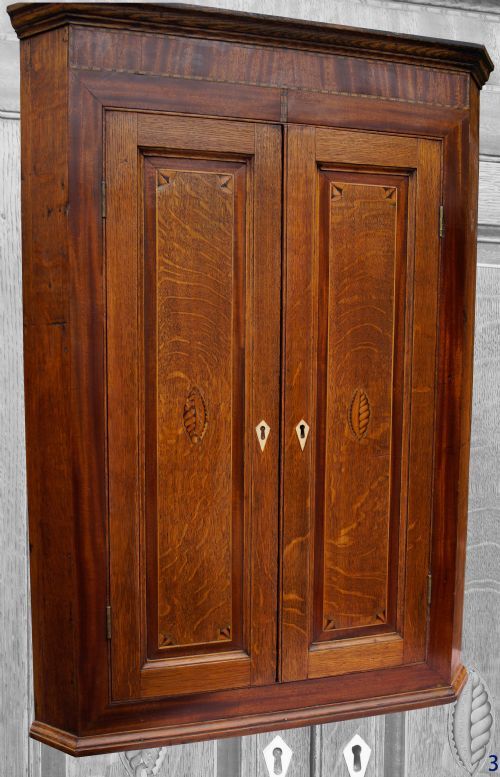
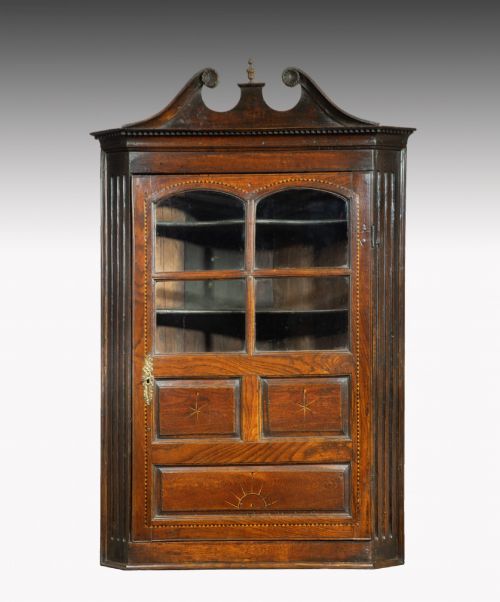
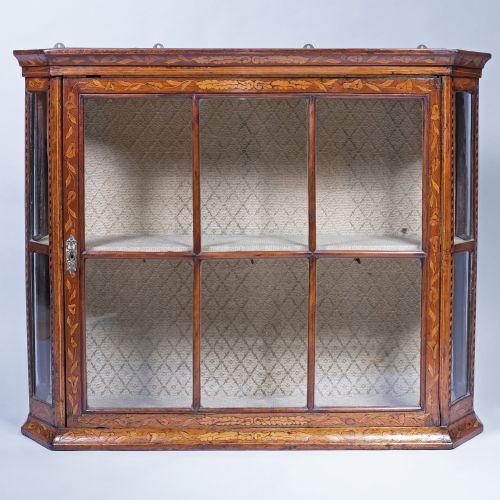
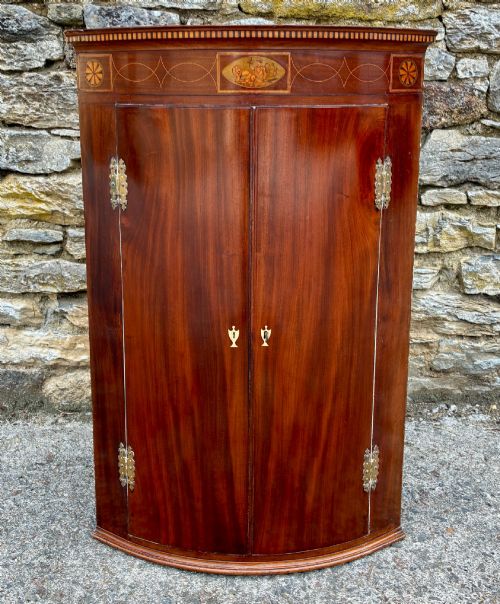


Inlaid Wall Cabinet
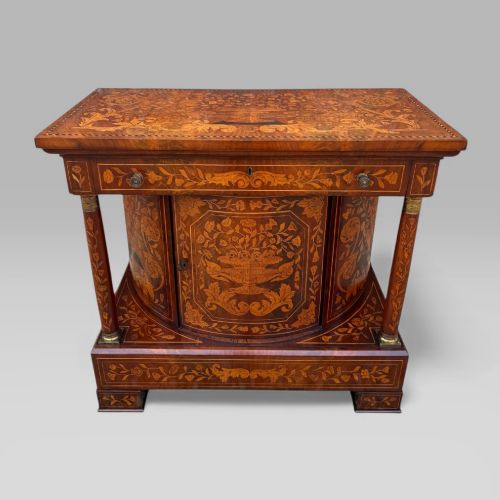
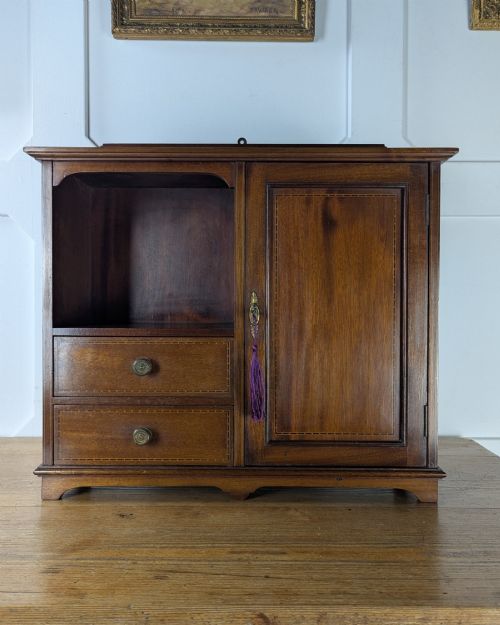
An inlaid wall cabinet brings compact storage and fine decorative detail to a room, utilising rich timbers and meticulous contrasting wood work.
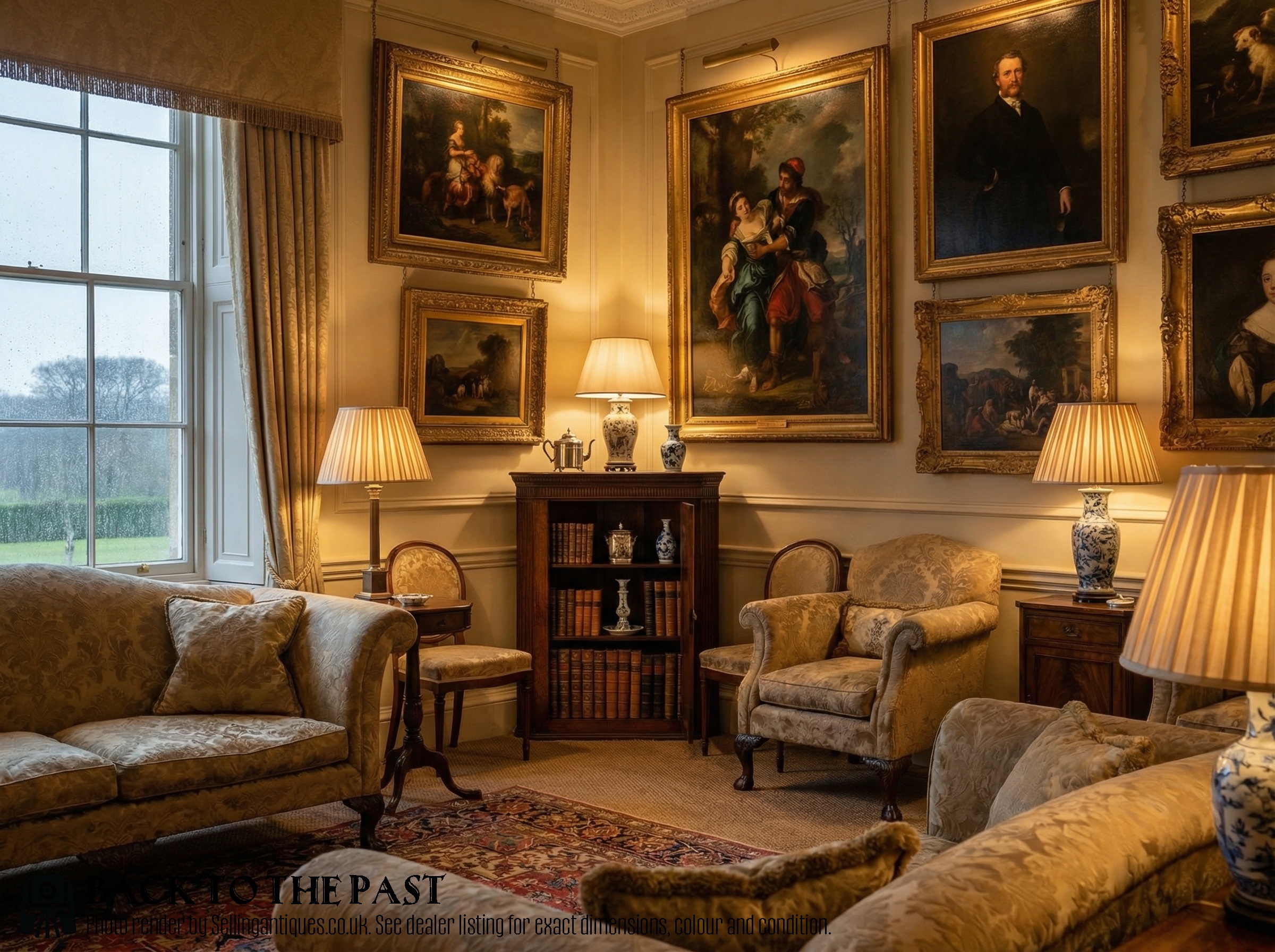
Inlaid Wall Cabinet
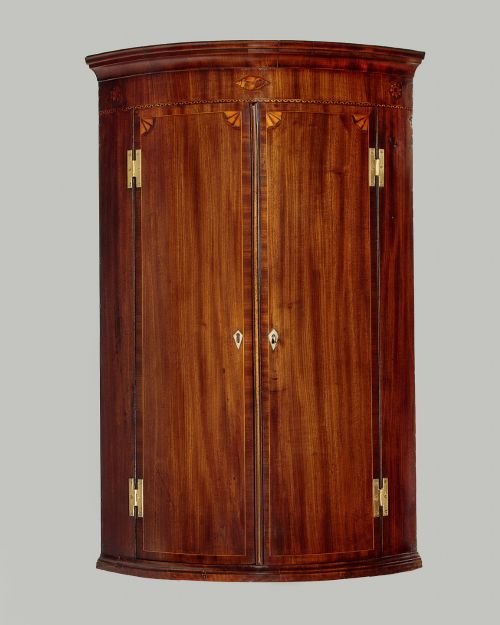
An inlaid wall cabinet is a hanging piece designed to save floor space while displaying or storing small household items. When exploring this selection, buyers frequently encounter corner units and wall-mounted cupboards produced across the Georgian, Victorian, and Edwardian periods.
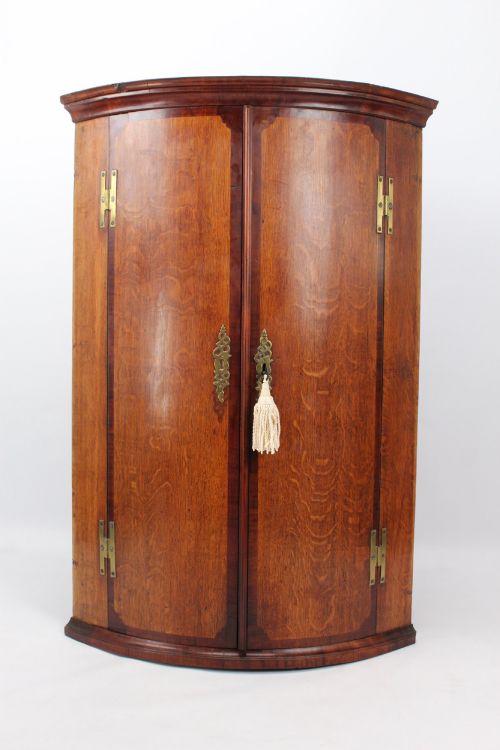
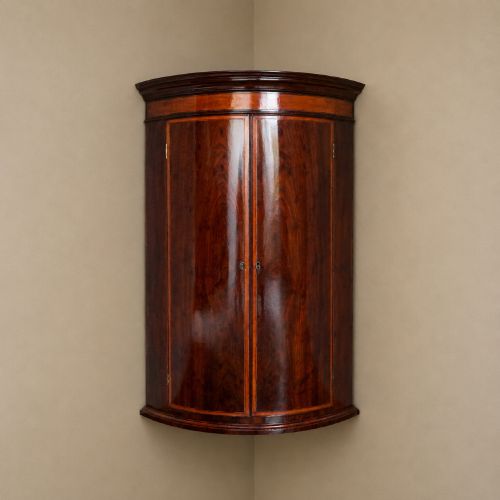
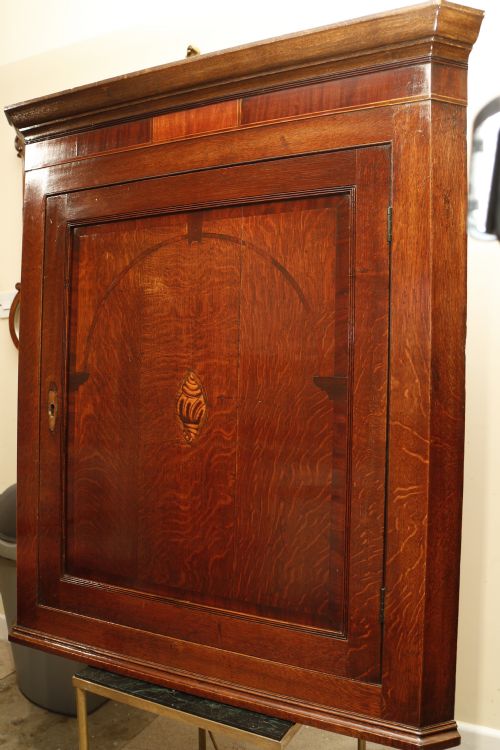
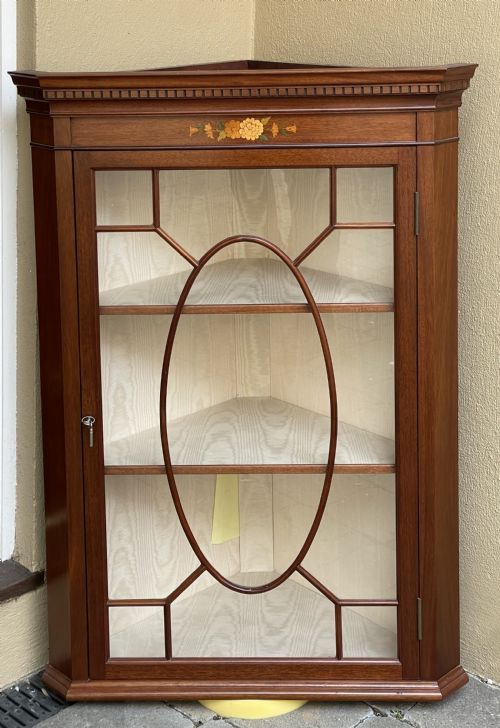
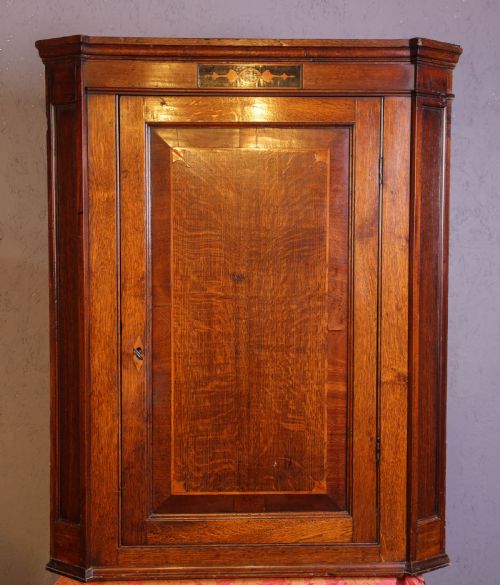
The prevailing form is the corner cupboard, constructed with flat or bow fronts to fit neatly into domestic room angles. Many incorporate glazed doors for display purposes or solid wooden doors intended to conceal contents discreetly.
How they were made
Cabinet makers utilised dense hardwoods such as mahogany, oak, and walnut as the primary structural foundations for these hanging cupboards. These timbers were selected for their durability and grain patterns, often enhanced through crossbanding or French polishing.
Decorative surface enrichment relies on precision wood inlay, boxwood and satinwood details, and contrasting stringing to create geometric or floral motifs. Brass hardware, including hinges and escutcheons, secures the doors and completes the construction.
Kitchen knife hanging boxes remind us that even sharp cutlery once required secure, decorative wooden housing on the wall.
What varies in quality
The standard of an inlaid wall cabinet depends heavily on the crispness of the carpentry and the precision of the timber matching. Superior examples display seamless mitre joints, well-fitted doors, and carefully balanced grain alignment across the facade.
Depth and refinement in the decorative inlay distinguish finer pieces from simpler utilitarian storage. The complexity of the contrasting woods, such as satinwood or boxwood work, indicates the level of craftsmanship invested by the maker.
The Inlaid Wall Cabinet Glossary
- Inlay
- A decorative technique where small pieces of contrasting wood, such as satinwood or boxwood, are inserted into recessed cavities in the primary timber surface to form patterns.
- Bow front
- A convex curved cabinet facade that projects outward from the corners, frequently seen on Georgian corner cupboards to soften room angles.
- Crossbanding
- A border technique where strips of veneer are laid across the grain of the primary wood panel, often framing the perimeter of a cabinet door.
- Escutcheon
- A protective brass plate surrounding a keyhole, serving both a functional purpose and a decorative accent on the cabinet door.
- Astral glazing
- A framework of slender wooden bars dividing glass panes within a cabinet door, allowing contents to remain visible while securely enclosed.
Inlaid Wall Cabinet: Frequently Asked Questions
Where should I hang a wall cabinet?
These cabinets suit dining rooms, hallways, or kitchens where floor space is limited and vertical storage is required. Corner models fit neatly into room angles to utilise otherwise empty junctions.
Ensure the wall structure can support the weight of hardwood timber and glass before mounting the cabinet securely at eye level.
How do I tell Georgian from Edwardian pieces?
Georgian pieces generally feature solid oak or mahogany construction with simpler, robust proportions and hand-cut joinery dating from the eighteenth and early nineteenth centuries. Edwardian examples often display lighter satinwood inlays, rosewood veneers, and refined display glazing typical of the early twentieth century.
Examining the internal fixings and backboards provides further clues regarding the period of manufacture.
Were these cabinets used for drinks?
Many corner cupboards and wall cabinets served to store glassware, ceramics, or spirits within easy reach of living spaces. Their enclosed shelving protected delicate tablewares from household dust.
Today, they function similarly for modern collections or bottled beverages.
How do I care for antique wood?
Maintain the timber by keeping the cabinet away from direct sunlight and sudden temperature shifts that might dry out the wood. Regular dusting with a dry, soft cloth preserves the polished surface without damaging the delicate inlay.
Applying a traditional wax occasionally helps nourish older mahogany and oak.