
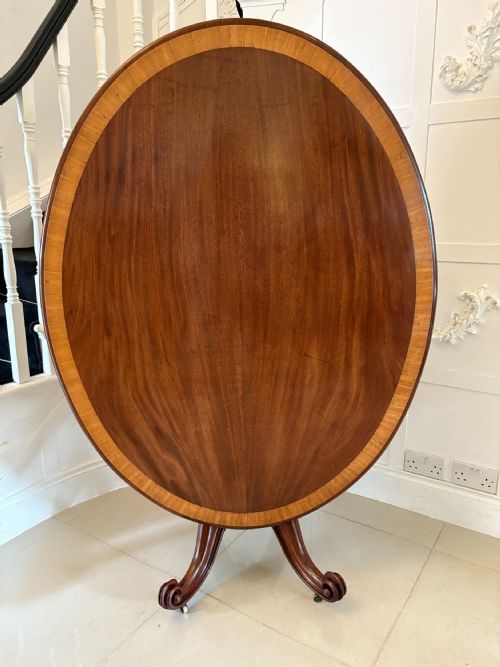
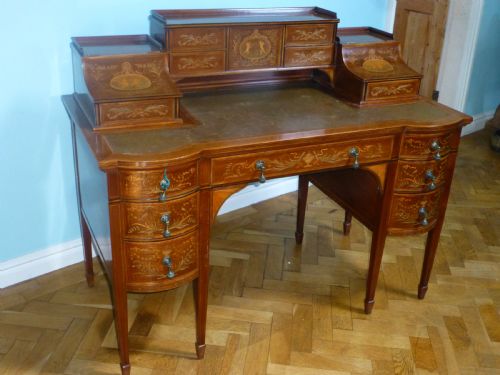
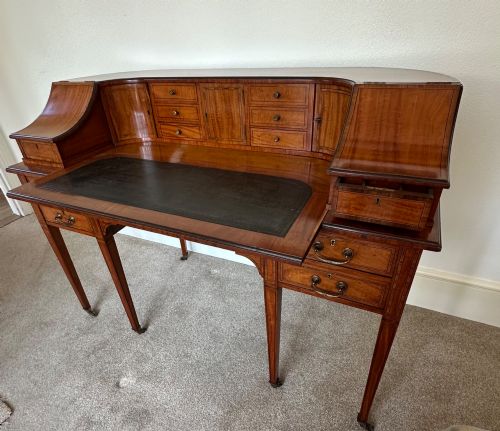
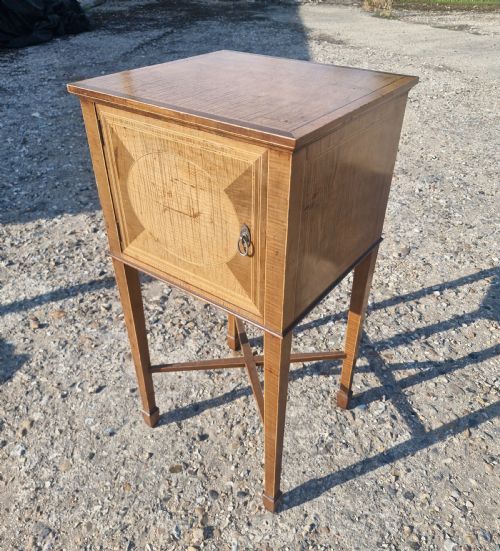
Inlaid Satinwood Pedestals
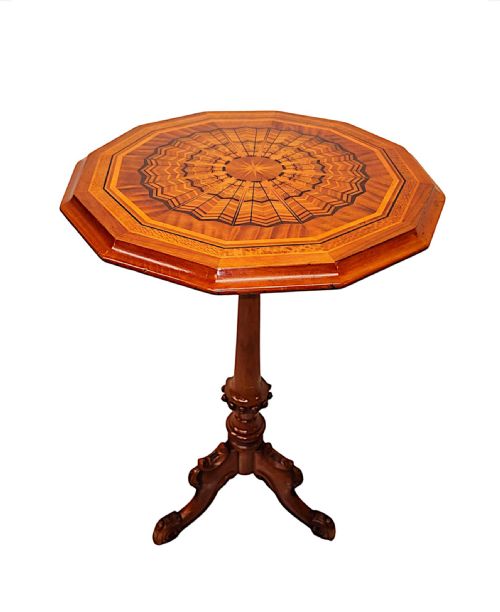
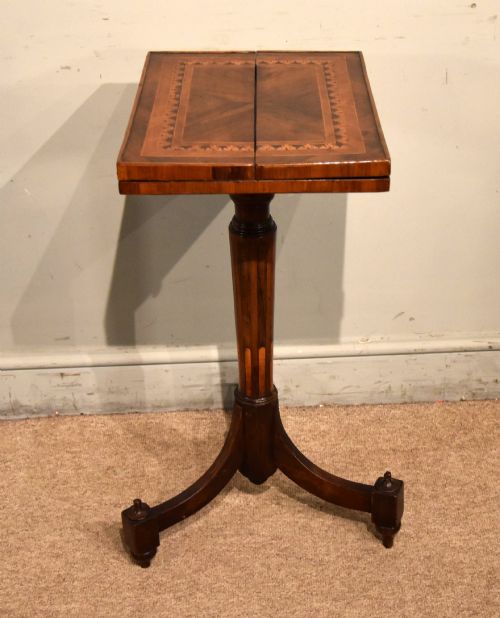
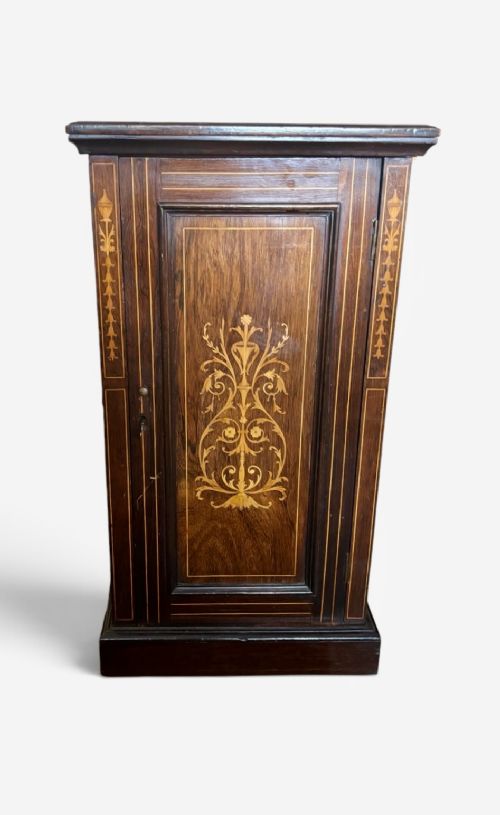
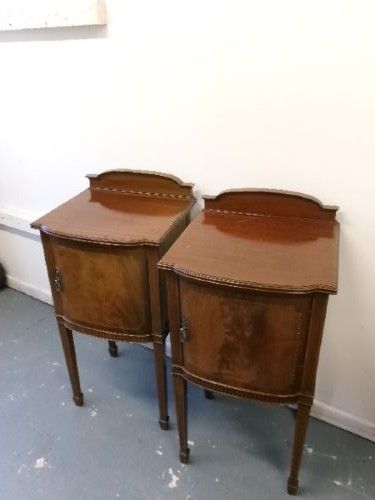
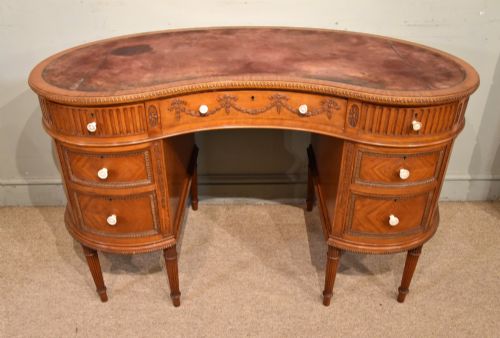
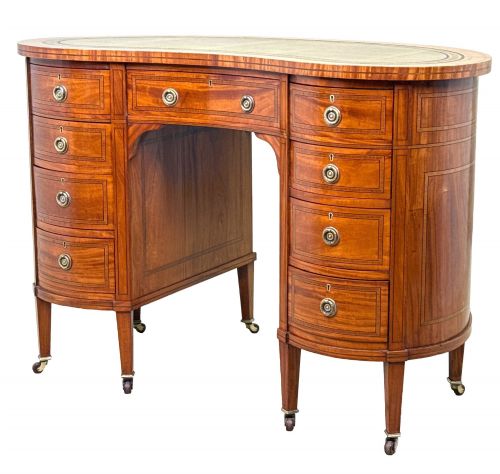
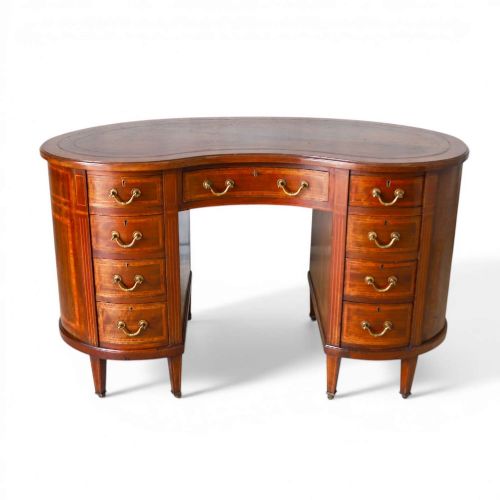
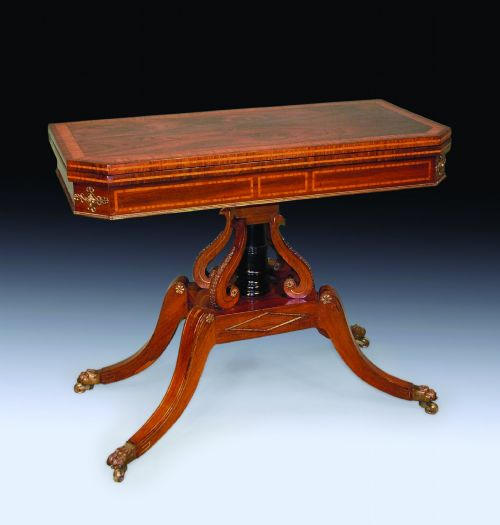
Inlaid satinwood pedestals bring luminous warmth and delicate contrasting detail to a room, standing out as refined examples of period cabinet work.
Inlaid Satinwood Pedestals
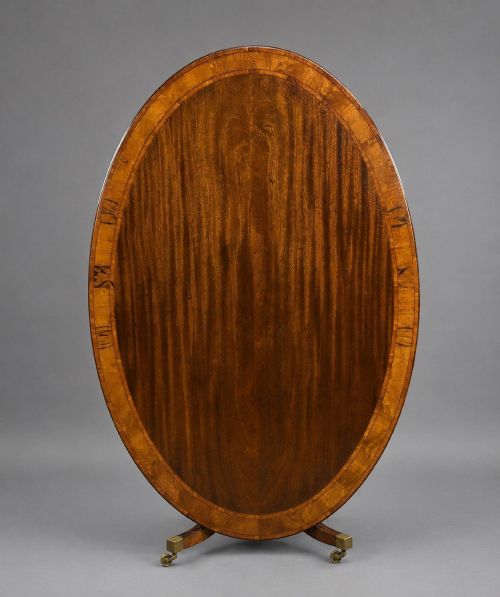
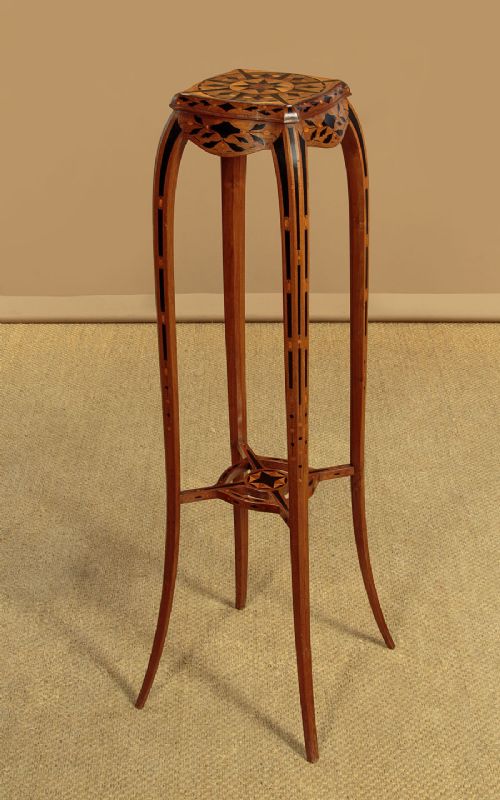
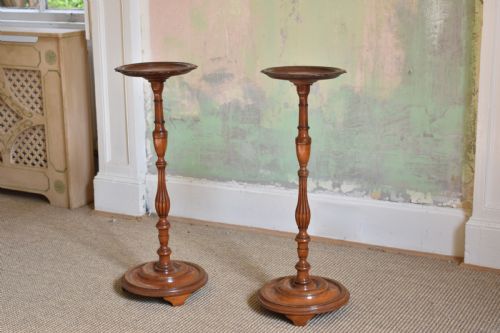
Inlaid satinwood pedestals encompass tall chests, stands, and flanking drawer units built from light figured timbers and embellished with contrasting stringing or marquetry. These items emerge predominantly from the Victorian, Edwardian, and Sheraton Revival periods, reflecting a sustained taste for neoclassical lightness.
Buyers encountering this specific search phrase will generally find items that combine structural timber carcases with blonde satinwood veneers, alongside related bedside cabinets and tall drawer chests. The forms range from simple columnar supports to highly decorated display units and flanking drawer blocks designed to command a corner or flank a space.
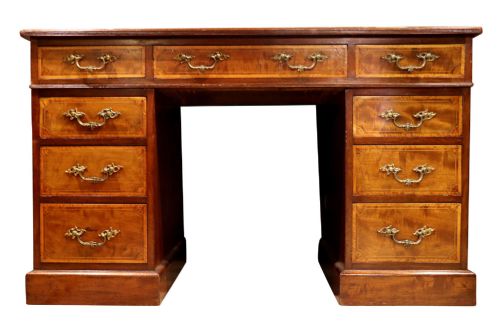
The historical span represented in these items stretches from the late eighteenth century into the early twentieth century, taking in George III origins as well as later revivals. Makers of note such as Edwards & Roberts and Maple & Co frequently applied these timber techniques to pedestals, desks, and cabinets.
What varies in quality
The visual depth and figure of the satinwood veneer dictate much of the piece's standing, with tighter, more luminous grain patterns commanding greater visual presence. The crispness of the marquetry and the precision of the contrasting ebony or boxwood stringing reveal the hand of a skilled workshop rather than a standard production line.
Structural integrity rests on the quality of the underlying carcase timber and the retention of original brass handles and fitted interior elements. Pieces bearing maker attribution or stamps from notable firms demonstrate higher standards of period cabinet making.
Listings feature satinwood combined with mahogany, rosewood, ebony, and boxwood across Victorian and Edwardian periods.
Edwards & Roberts·Maple & Co·Morant & Co·James Shoolbred·Gillows
The Inlaid Satinwood Pedestals Glossary
- Satinwood
- A dense, lustrous timber native to tropical regions, prized for its golden, reflective grain. It serves as the primary decorative veneer on neoclassical and revival furniture.
- Marquetry
- The art of creating decorative pictures or patterns on a wooden surface by fitting together thin veneers of various timbers. It differs from inlay by covering the entire surface rather than set-in channels.
- Crossbanding
- A narrow strip of veneer applied around the border of a panel with its grain running perpendicular to the central wood. This frames the main surface and adds visual contrast.
- Stringing
- Fine, narrow lines of contrasting timber inlaid into shallow channels on the furniture surface. It outlines panels, drawer fronts, and table tops to define the geometric form.
- Sheraton Revival
- A late nineteenth and early twentieth century design movement that reinterpreted the elegant neoclassical furniture styles of Thomas Sheraton. It relies heavily on satinwood veneers and delicate floral marquetry.
Inlaid Satinwood Pedestals: Frequently Asked Questions
What periods do these pieces date from?
The items span from the Georgian era through the Victorian period into the Edwardian and Sheraton Revival phases of the early twentieth century.
Craftsmen across these eras reused and reinterpreted neoclassical forms, meaning similar veneering techniques appear in pieces made a century apart.
How do I care for satinwood surfaces?
Satinwood benefits from minimal intervention, requiring only a soft, dry cloth to remove dust and protection from direct sunlight to preserve its golden tone.
Avoid liquid polishes and wax buildup, as the delicate veneers and fine stringing can be sensitive to moisture and heavy chemical cleaners.
Are these pedestals purely decorative?
While highly ornamental due to their pale timbers and detailed marquetry, these pieces serve functional storage or display roles in living spaces and bedrooms.
Many examples incorporate internal drawers, cupboards, or flat top surfaces designed to hold lamps, plants, or personal items securely.
How do I distinguish original pieces from later revivals?
Examining the secondary woods inside drawers, the ageing of the timber beneath the finish, and the construction methods helps determine the exact period.
Sheraton Revival items from the Edwardian period often display machine-cut precision compared to the hand-cut joinery of original eighteenth-century pieces.