


Inlaid Mahogany Box
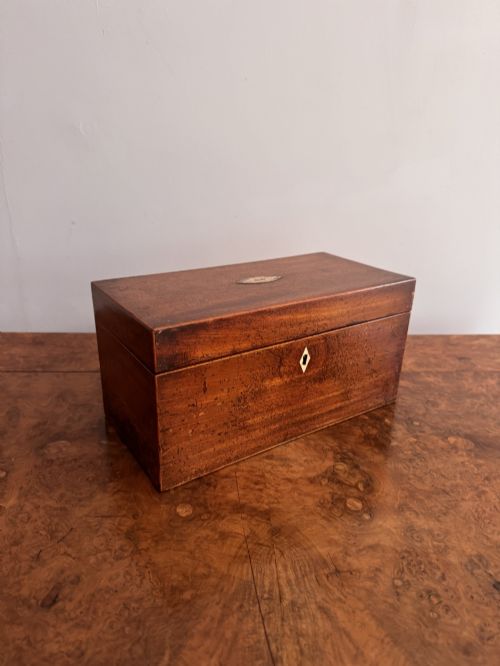
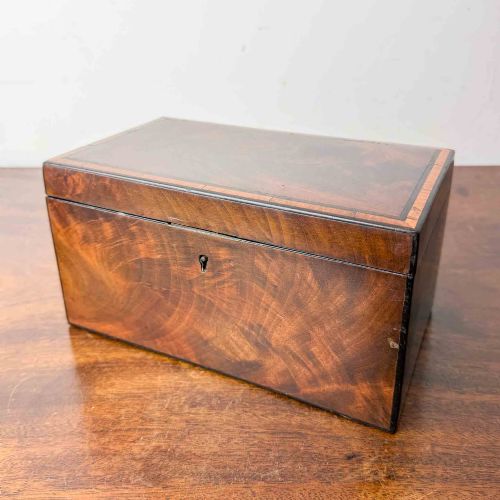
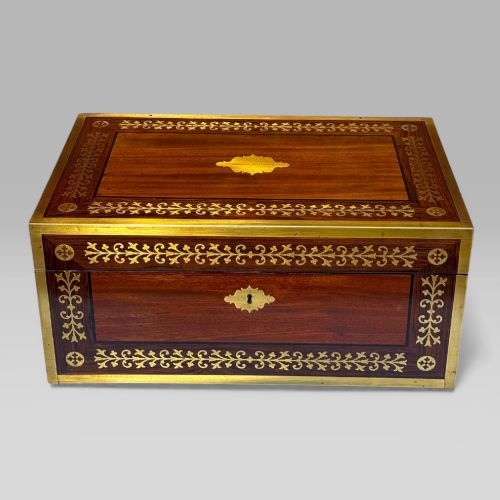
An inlaid mahogany box brings together warm, figured timber and precise contrasting stringing, serving as a practical desktop container or a decorative storage piece.
Inlaid Mahogany Box
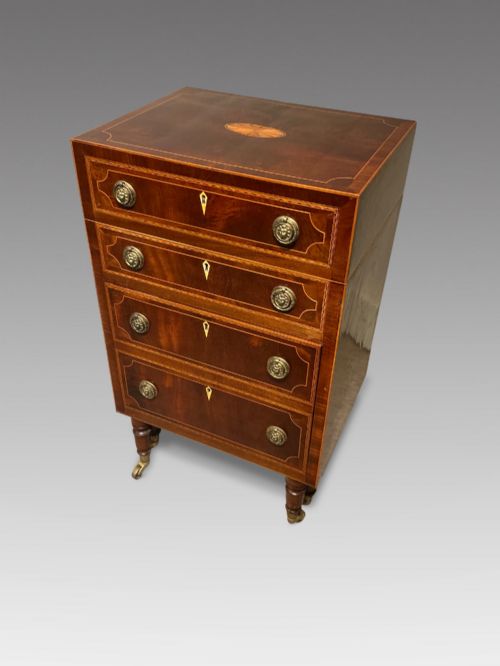
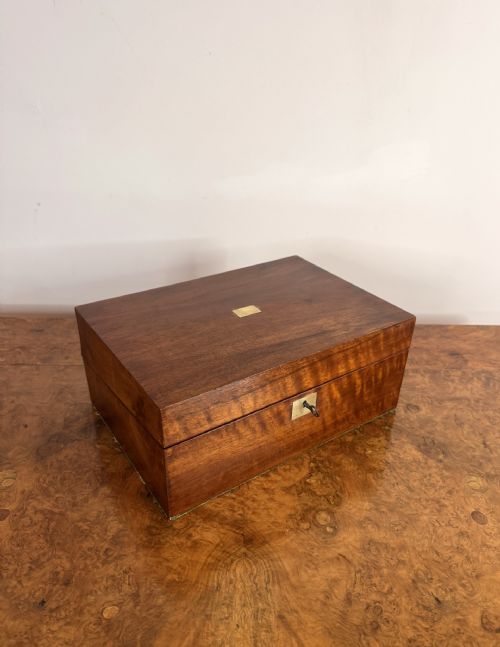
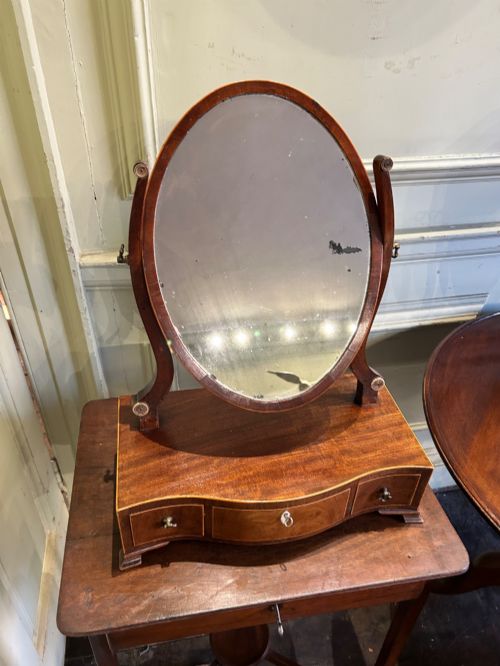
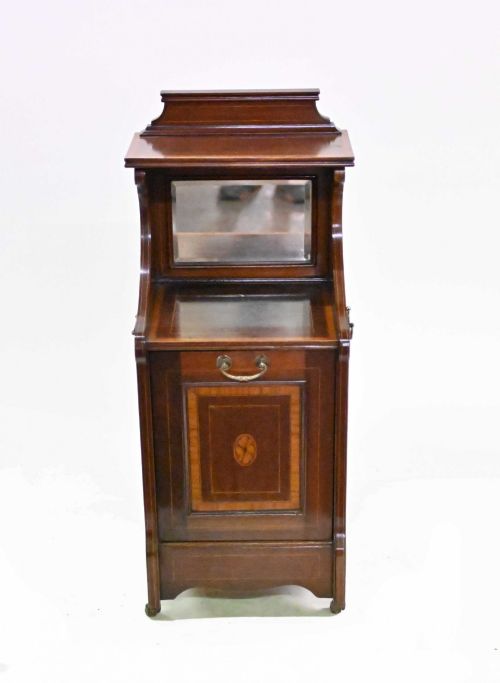
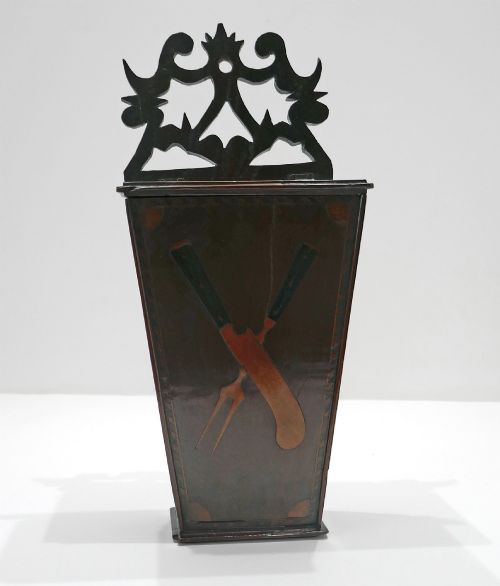
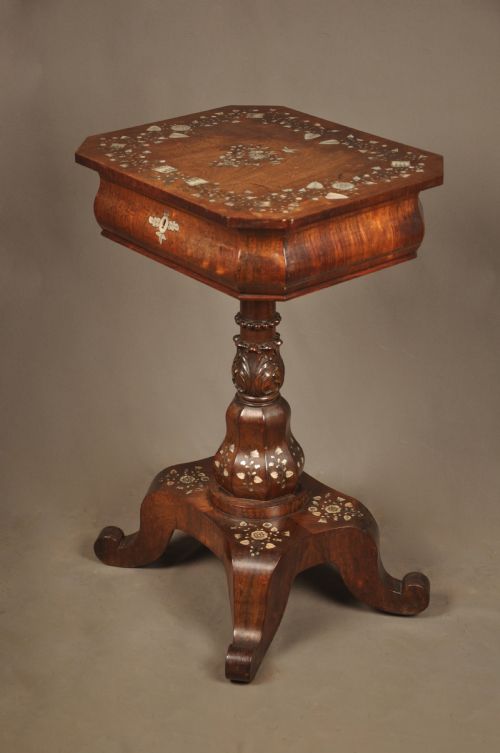
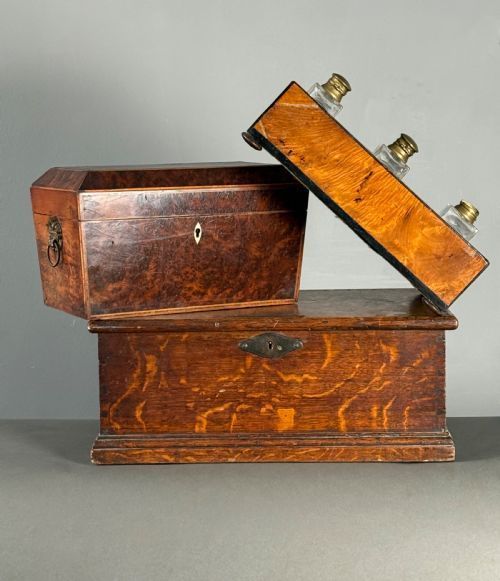
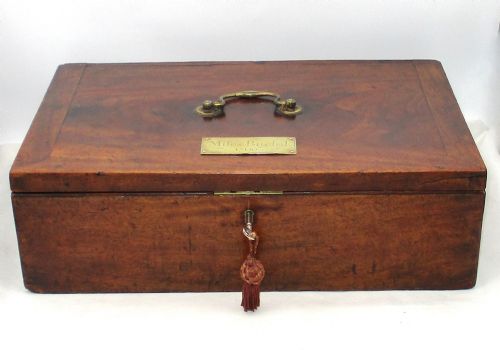
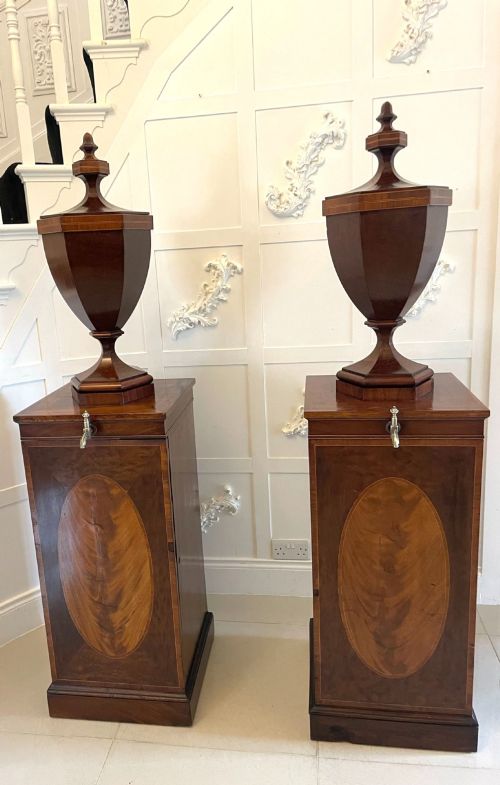
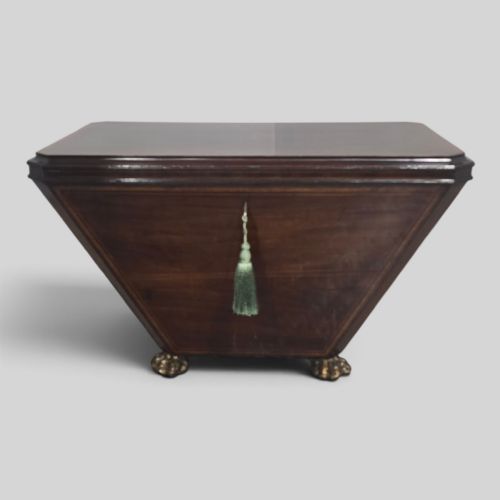
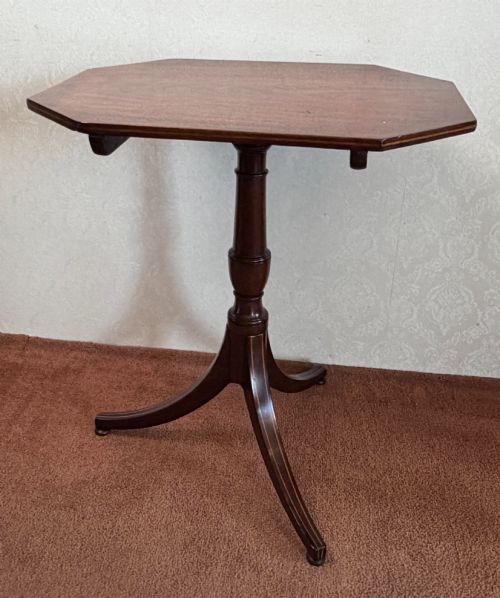
When you search for an inlaid mahogany box, you encounter a wide variety of small storage forms intended for specific domestic tasks. The selections on this page span Georgian tea caddies and knife boxes, Regency writing slopes, and Edwardian stationery cabinets or work tables.
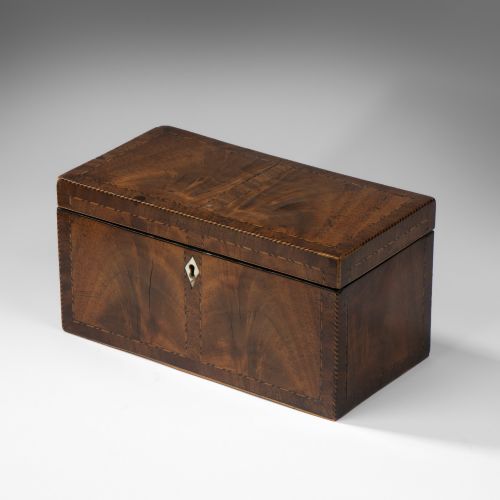
Georgian examples often display crisp geometric stringing in boxwood and satinwood, whereas later Edwardian pieces utilise lighter marquetry motifs. These containers were built to house precious commodities, writing instruments, or personal valuables safely.
The assortment includes domestic utility items alongside refined tabletop containers. Most pieces rely on rich mahogany grounds contrasted with lighter wood inlays to define lids, panels, and corners.
How they were made
Cabinetmakers constructed the primary carcase from solid or veneered mahogany, frequently selecting flame or fiddleback grain for the main visible surfaces. They recessed contrasting timbers such as satinwood, boxwood, and ebony into shallow channels cut directly into the wood.
Inlayers applied veneers and stringing using hot animal glue, holding the contrasting strips in place with wooden cauls or weighted presses until set. Brass hardware, including escutcheons, hinges, and carrying handles, was meticulously hand-fitted into mortised recesses.
Inlaid Mahogany Box Retail Price Guide 2026
Typical asking prices for inlaid mahogany box among the pieces listed under this phrase on Sellingantiques today, from the lower quarter to the upper quarter. They describe what is for sale here now, not the wider market.
A few ingenious boxes double as shoe-shaped snuff containers, proving past owners enjoyed their tobacco with a dose of footwear humour.
What varies in quality
The standard of an inlaid mahogany box depends heavily on the selection of the timber grain and the precision of the contrasting inlay work. Superior examples exhibit tight, even growth rings, symmetrical flame figuring, and perfectly flush stringing that shows no visible gaps or excess adhesive.
Internal fittings also distinguish better pieces from simpler utilitarian containers. Original velvet or silk linings, intact compartmentalised trays, and functional working locks with matching keys elevate the craftsmanship significantly.
Edwards and Roberts·James Shoolbred and Co·Holtzapffel and Co
The Inlaid Mahogany Box Glossary
- Stringing
- A narrow strip of contrasting timber inlaid into the surface of a box to create decorative borders and linear patterns. This technique requires steady hand-cutting and precise placement by the cabinetmaker.
- Marquetry
- An elaborate decorative technique of arranging thin veneers of various woods into pictorial or geometric designs. It differs from simple linear stringing by covering entire panels with complex imagery.
- Flame mahogany
- A highly figured veneer cut from the branch junction of the mahogany tree, displaying a characteristic flame-like pattern. Makers reserved this striking grain for the primary viewing surfaces of finer boxes.
- Escutcheon
- A protective plate surrounding a keyhole, usually cast in brass and countersunk into the wood of the lid or front panel. It prevents the surrounding timber from splitting with repeated use.
- Writing slope
- A portable desk fitted with a hinged writing surface that folds down at an angle, often revealing hidden compartments for inkwells and stationery. These boxes reflect the high literacy and correspondence needs of past centuries.
Inlaid Mahogany Box: Frequently Asked Questions
What were inlaid mahogany boxes originally used for?
These boxes served specialised domestic functions, from holding dry tea leaves and cutlery to storing stationery, jewellery, and writing instruments. Their sturdy construction protected valuable household items from dust and damage.
Many featured internal compartments tailored to specific objects like decanters, needles, or writing paper, keeping daily necessities organised in the home.
How can I tell a Georgian box from an Edwardian one?
Georgian pieces typically display restrained geometric stringing in boxwood or ebony, often adopting architectural forms like knife boxes or tea caddies. The timber tends to be dense, dark, and hand-polished.
Edwardian examples frequently incorporate lighter satinwood borders, floral marquetry, and softer mahogany tones. Their forms often lean towards lighter occasional furniture, display tables, and desk tidies.
How should I care for an antique mahogany box?
Keep the wood away from direct sunlight and extreme temperature fluctuations to prevent the mahogany veneer from drying out or splitting. Natural wax applied sparingly will maintain the sheen of the polished surface.
Avoid using modern chemical sprays or excessive water, using only a soft, dry cloth for routine dusting to protect both the timber and the delicate inlaid borders.
Are the locks and keys usually original on these pieces?
Many boxes retain their original brass-fitted locks, though working keys are less common due to centuries of displacement. Hand-cut iron levers inside the lock mechanism often indicate period authenticity.
Replacement keys can sometimes be sourced to fit functional period locks, but collectors generally value the survival of the original hardware and escutcheon plates above all.