

Inlaid Library Table
An inlaid library table brings together fine cabinetmaking and decorative contrast, serving as a functional workspace for reading and writing.
Inlaid Library Table
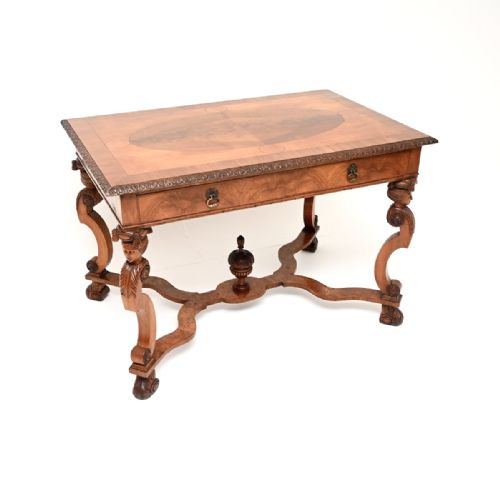
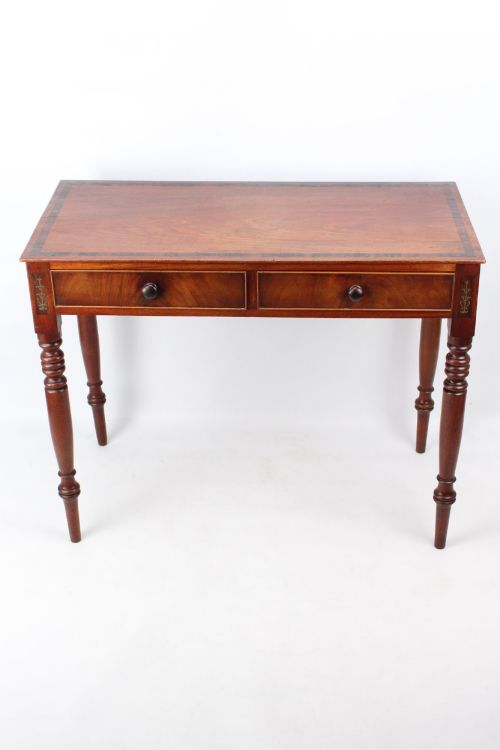
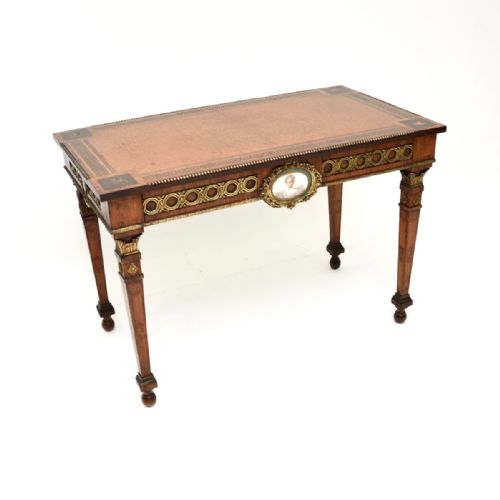
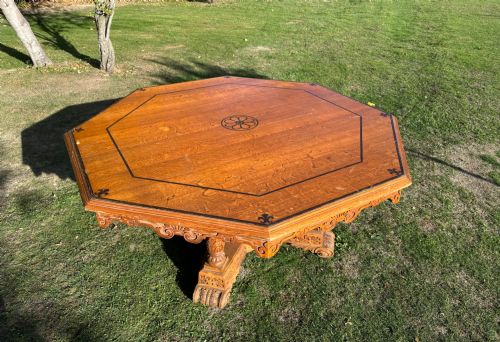
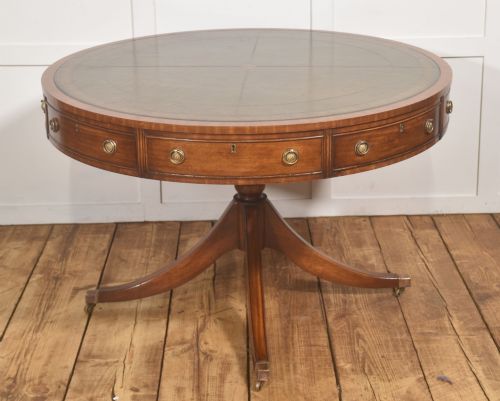
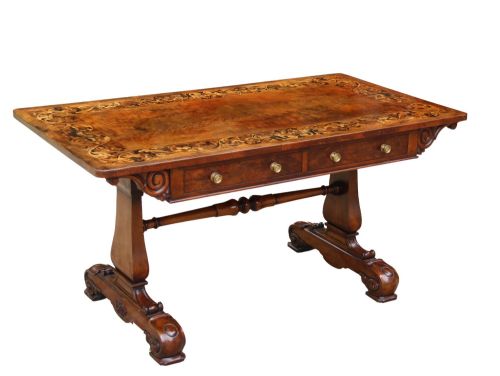
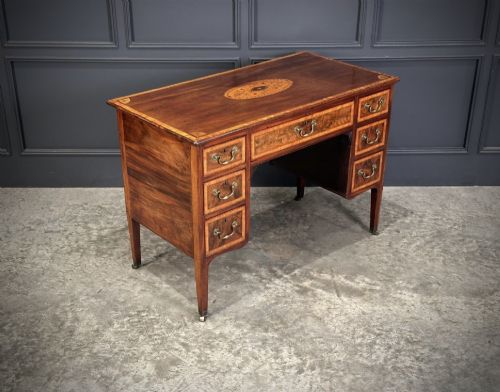
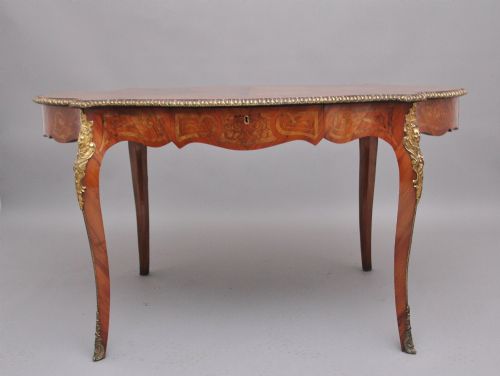
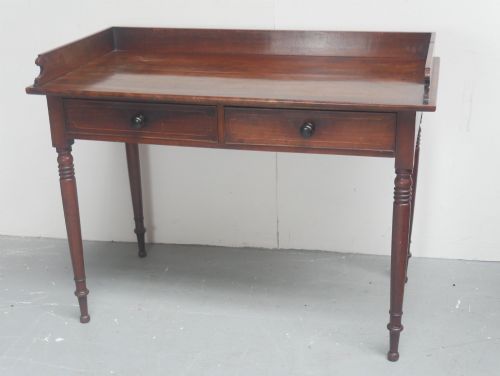
An inlaid library table functions primarily as a substantial writing surface, desk, or freestanding centre table designed for study and reading rooms. These pieces appear frequently across the Regency, Victorian, and Edwardian periods, demonstrating the enduring popularity of decorative surface embellishment.
Materials and construction
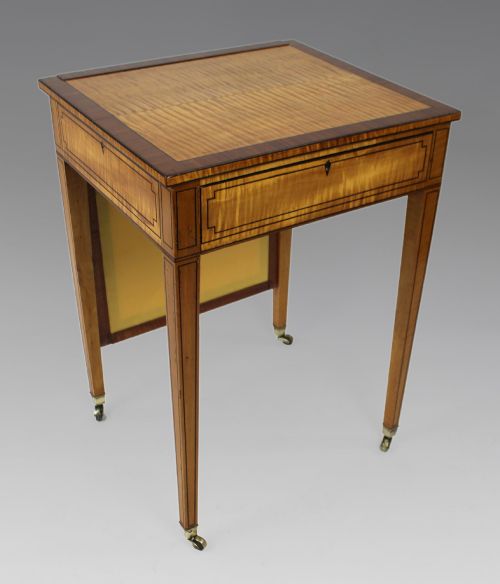
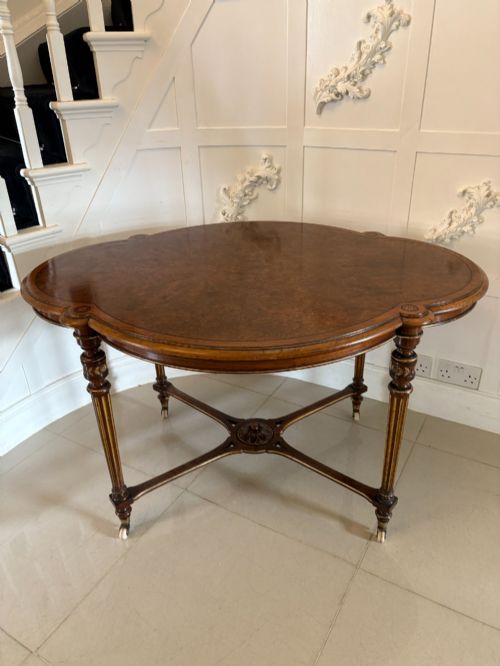
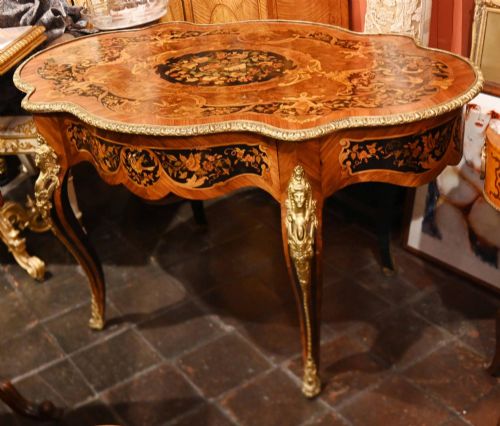
Cabinetmakers constructed these tables using solid timbers and supportive secondary woods, applying rich face veneers of mahogany, rosewood, satinwood, and burr walnut to large flat surfaces. Contrasting timbers and metal elements provided decorative surface enrichment.
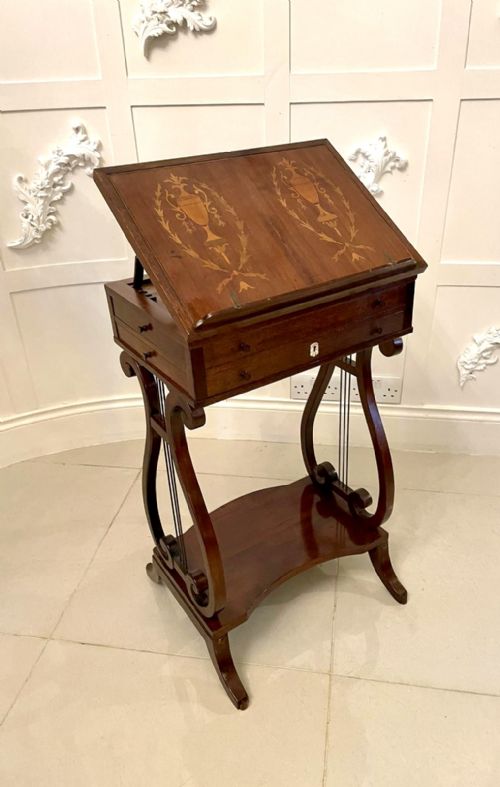
Inlay techniques involved precise cutting of contrasting woods, satinwood, or brass lines fitted meticulously into recesses within the primary timber. Ormolu mounts and leather writing inserts were frequently integrated to complete the composition of higher-grade examples.
Inlaid Library Table Retail Price Guide 2026
Typical asking prices for inlaid library table among the pieces listed under this phrase on Sellingantiques today, from the lower quarter to the upper quarter. They describe what is for sale here now, not the wider market.
Listings feature foundational furniture woods including mahogany, rosewood, satinwood, and burr walnut.
Distinctions in quality
The standard of an inlaid library table rests on the precision of the cabinetwork and the crispness of the surface decoration. Master workshops achieved tight, seamless junctions where contrasting brass or timber veneers met the primary grain.
Depth of colour, figure in the chosen burl or mahogany veneers, and the sophistication of the marquetry or parquetry patterns distinguish standard production from exceptional pieces. Original handles, integrated leather panels, and signed maker stamps further elevate the standing of a piece.
Edwards & Roberts·Gill & Reigate·James Shoolbred of London·Gillows
The Inlaid Library Table Glossary
- Crossbanding
- A border veneer applied around the perimeter of a tabletop so that the grain runs perpendicular to the central panel. This technique frames the primary timber and adds visual structure.
- Parquetry
- A geometric mosaic of wood pieces arranged to form repeating patterns across a tabletop. It creates a structured, architectural surface using contrasting timbers.
- Marquetry
- Pictorial or decorative veneer work depicting floral, scroll, or figurative designs. Craftsmen cut various tinted woods and shells to assemble intricate surface pictures.
- Ormolu
- Gilded bronze used for mounts, feet, and decorative enrichment on furniture. It adds metallic contrast to wood and brass inlay.
- Bureau plat
- A freestanding writing table fitted with drawers, originating in France. These tables feature finished backs for placement in the centre of a room.
Inlaid Library Table: Frequently Asked Questions
What is an inlaid library table used for?
These tables served primarily as substantial desks and writing surfaces in private studies, libraries, and grand reception rooms. Their finished backs and freestanding proportions allowed them to sit in the middle of a room rather than against a wall.
Beyond writing, many functioned as central display surfaces or reading tables, holding books, correspondence, and lighting. Their versatile sizing made them suitable for daily administrative work as well as occasional reading.
How do I identify a Regency inlaid library table?
Regency examples typically exhibit classical proportions, dark mahogany or rosewood timbers, and precise brass line inlay or satinwood crossbanding. Form follows architectural lines, sometimes incorporating sabre legs or pedestal bases with brass paw feet.
Makers of this period often utilised contrasting light and dark woods to trace the geometric outlines of the top and drawers. This creates a restrained yet striking visual contrast distinct from later Victorian exuberance.
How can I tell the difference between Victorian and Edwardian pieces?
Victorian library tables often employ heavier timbers like burr walnut and dark mahogany, frequently featuring rich marquetry, parquetry, or heavy ormolu mounts. The overall presence is heavier and more structurally dominant.
Edwardian interpretations tend to utilise lighter satinwood or mahogany frames, often associated with the Sheraton Revival style. These later pieces display a brighter, airier aesthetic with delicate floral inlay and slender tapering legs.
Are revolving bookcases considered library tables?
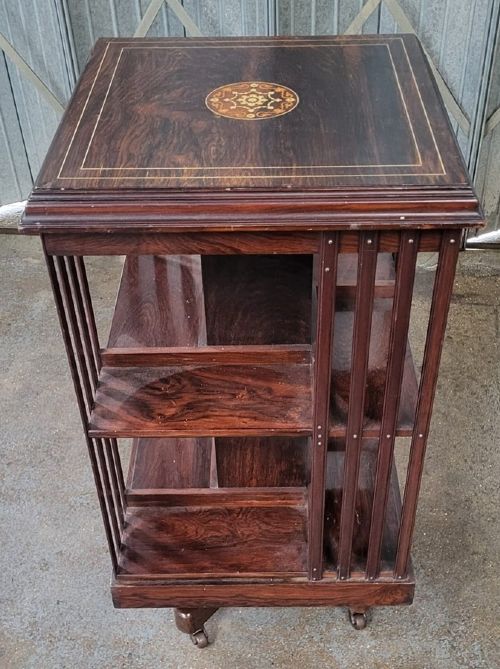
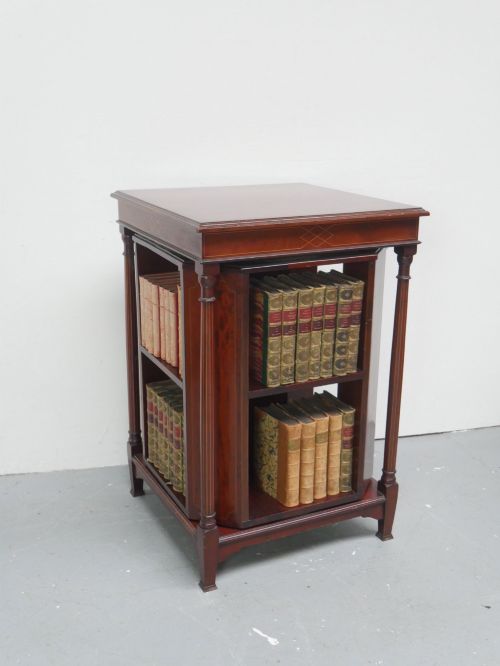
Revolving bookcases share the same decorative vocabulary, timber selection, and inlaid surface work as library tables. Designed to sit beside seating areas or desks, they kept reference volumes accessible.
While distinct in form, makers often produced revolving bookcases alongside matching desks and centre tables to furnish a cohesive library or study suite.