


Inlaid Burr Walnut Table
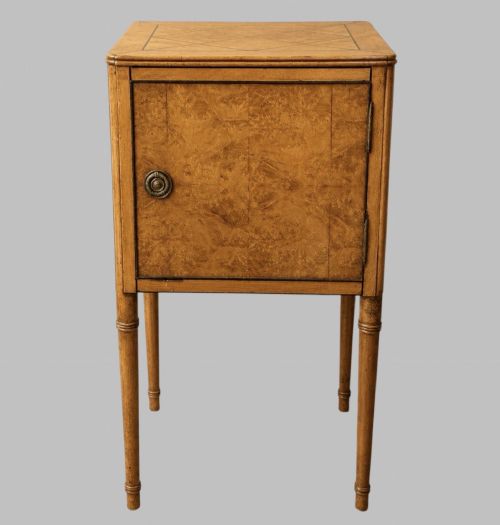
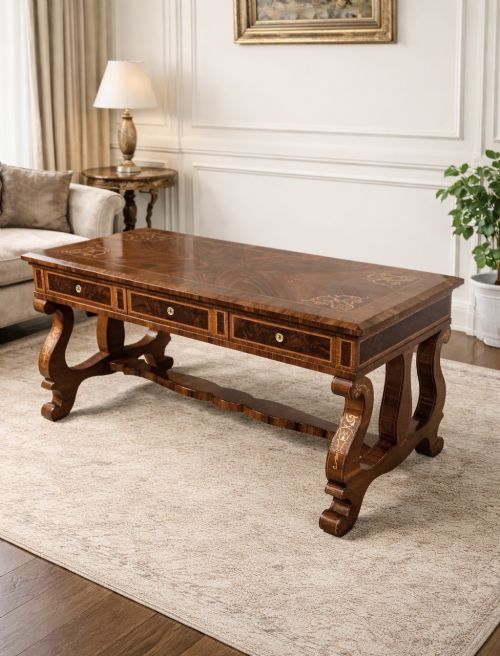
An inlaid burr walnut table brings rich grain patterns and delicate marquetry together, offering a striking centrepiece for a traditional or modern interior.
What an inlaid burr walnut table is
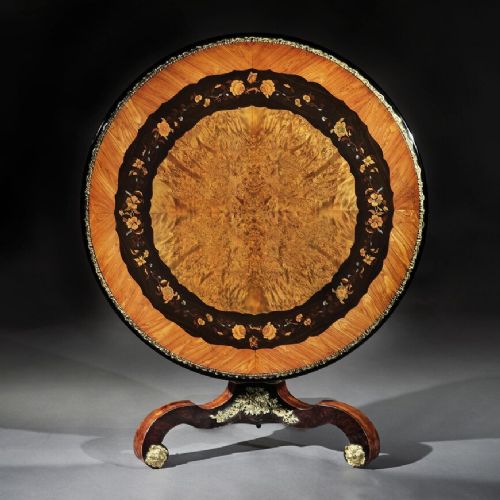
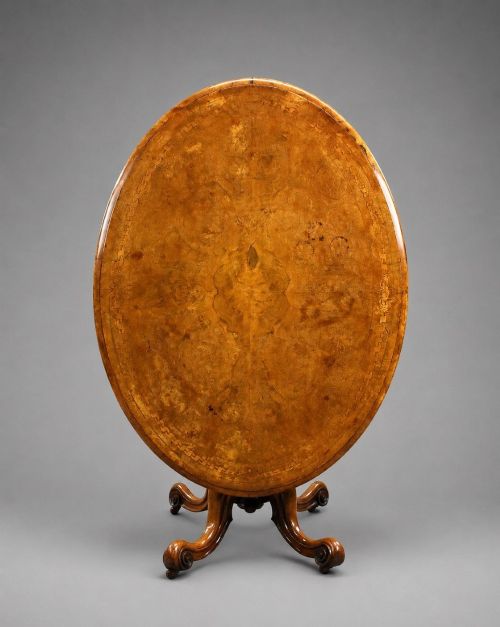
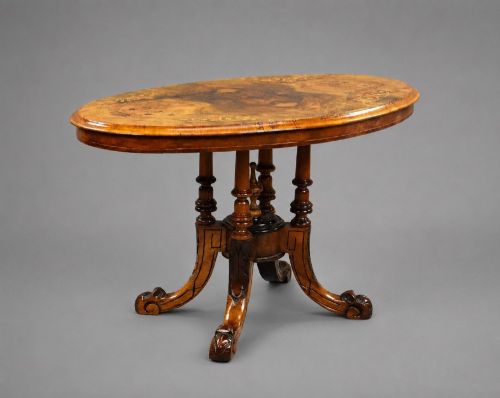
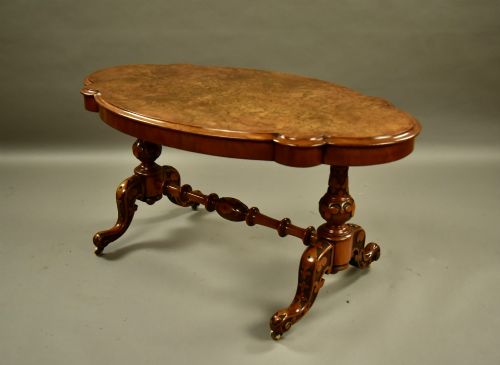
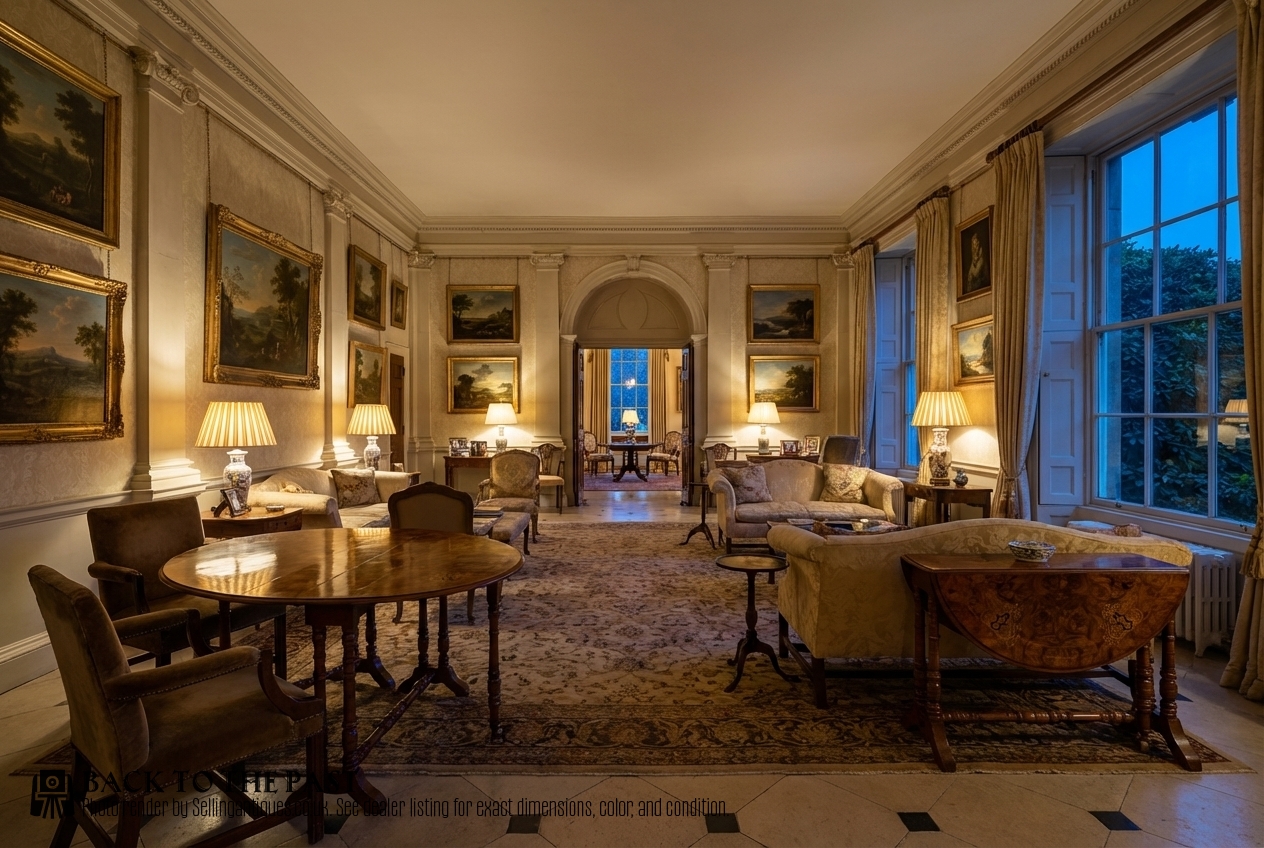
An inlaid burr walnut table represents a distinct group of domestic furniture originating predominantly from the Victorian era. These pieces span the nineteenth century, including dates around 1850, 1860, and 1880, aligning with the height of revivalist design. Buyers searching this phrase encounter a rich variety of forms suited to specific domestic uses.
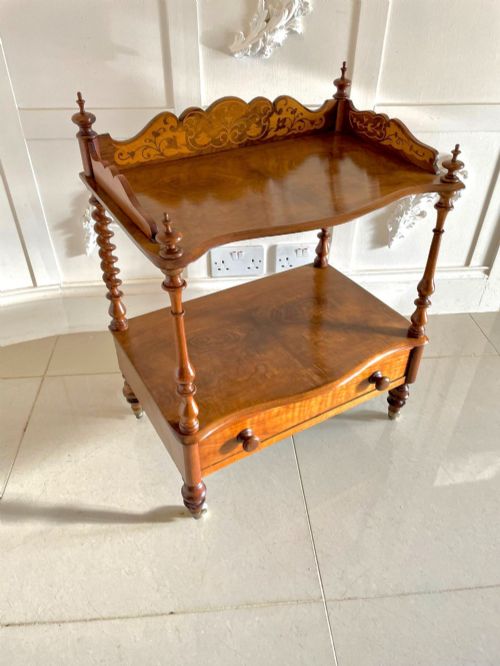
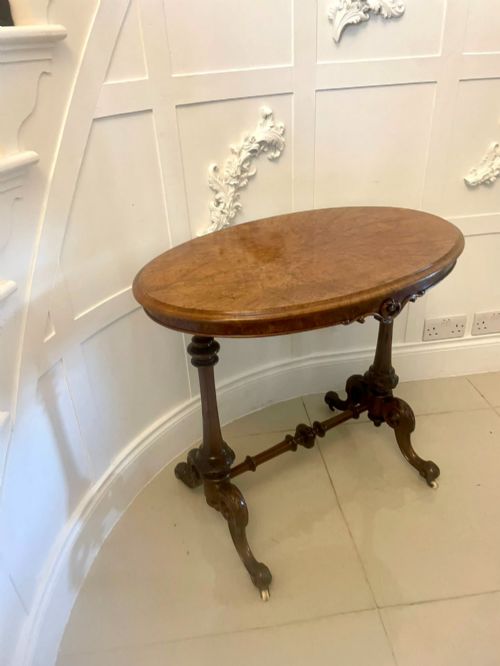
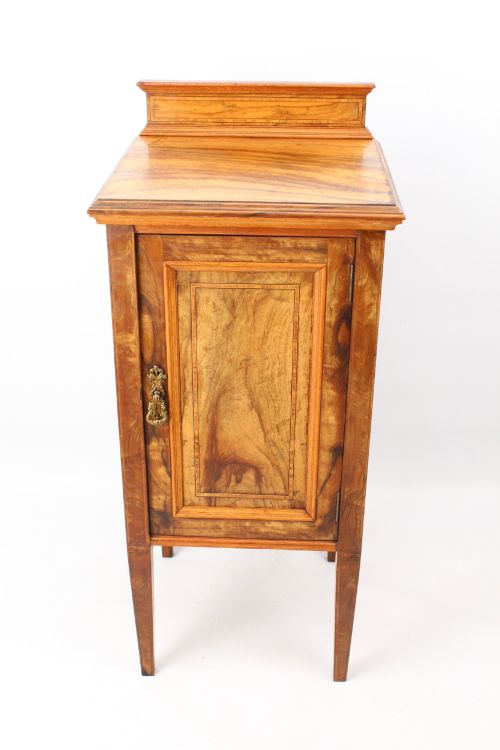
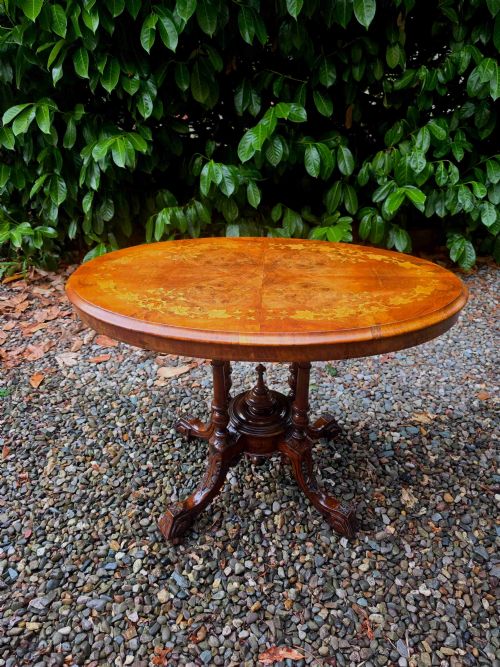
The most common formats on this page are centre tables and occasional tables, alongside specialised forms such as coffee tables, card tables, games tables, and lamp tables. Designers also produced console tables, breakfast tables, work tables, and baby Sutherland tables. Many of these share freestanding designs intended to sit prominently within a room.
Stylistic influences draw heavily upon French Louis XV Revival and Sheraton traditions, incorporating curvilinear profiles alongside crisp geometric borders. The fundamental character of each piece relies upon the juxtaposition of figured timber veneers and contrasting linear decoration.
How they were made
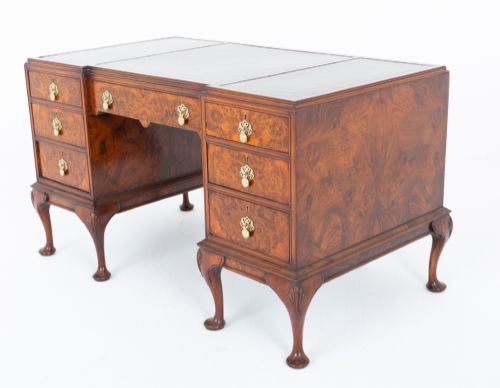
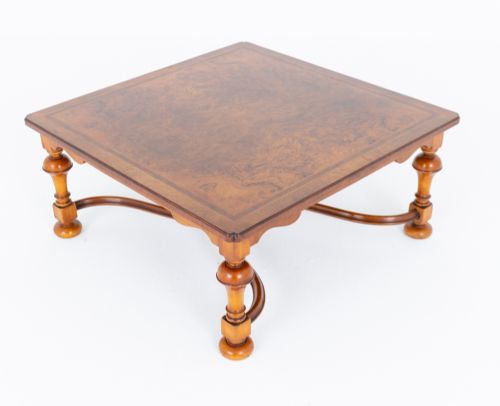
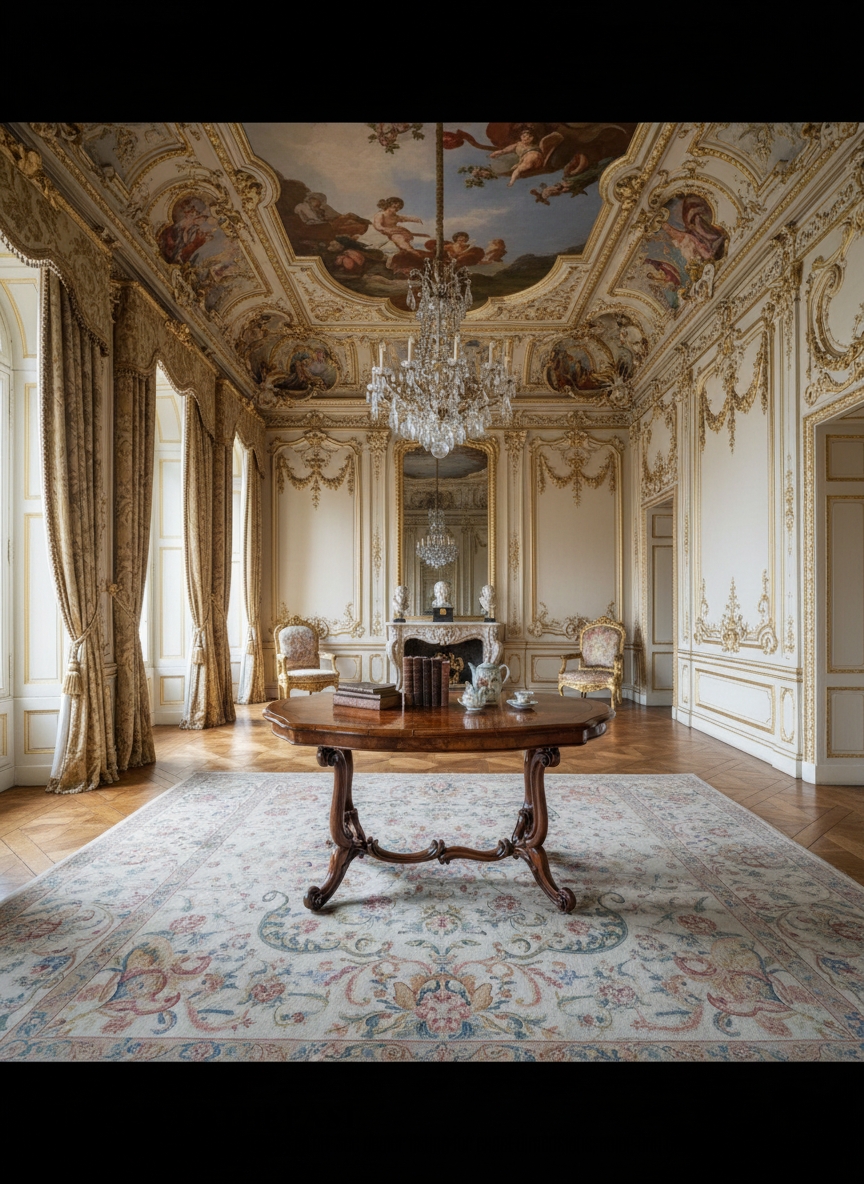
Cabinet makers utilised burr walnut veneers selected for highly figured, swirling grain patterns to cover foundational carcase woods. These sliced veneers required careful application to curved surfaces, pedestals, and table tops.
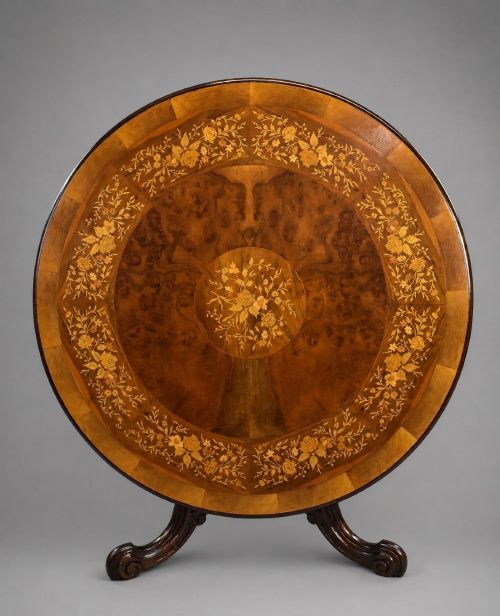
Craftsmen enriched the timber surfaces using intricate wood inlay, often combining boxwood inlay with darker woods to create floral marquetry or geometric banding. Selected examples incorporate brass, ormolu mounts, or ceramic components to accent structural joints and table rims.
Retail Price Guide 2026
Typical UK retail prices for inlaid burr walnut table, calculated from the Sellingantiques database of over a million retail prices indexed since 2003. This retail price guide relies exclusively on Sellingantiques data; no external sources or auction records are used, so the figures do not describe the wider market.
Recorded listings span the Victorian era, specifically featuring pieces dated to 1850, 1860, and the wider nineteenth century.
What varies in quality
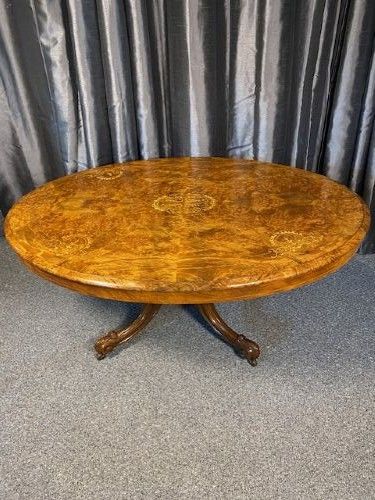
The visual impact of an inlaid burr walnut table depends directly on the selection and matching of the walnut veneer across the surface. Finer examples display symmetrical, highly figured grain patterns that demonstrate superior timber grading by the cabinet maker.
Execution of the marquetry and inlay separates standard production from exceptional pieces. Crisp lines in the boxwood inlay and precise botanical or geometric motifs indicate high workshop competence, whereas simpler or repetitive patterns appear on more utilitarian items.
The Inlaid Burr Walnut Table Glossary
- Burr walnut
- A prized timber veneer harvested from walnut tree growths, notable for its chaotic, swirling grain patterns and rich tonal variation.
- Marquetry
- The art of creating decorative patterns on furniture surfaces using thin veneers of different woods, metals, or organic materials.
- Centre table
- A freestanding piece of furniture finished on all sides, designed to sit in the middle of a room rather than against a wall.
- Boxwood
- A dense, pale yellow wood frequently utilised for fine stringing and contrasting inlay work on dark cabinet furniture.
- Ormolu
- Gilded bronze mounts and decorative details applied to furniture, popular in French revival designs of the nineteenth century.
Frequently Asked Questions
What is an inlaid burr walnut table?
An inlaid burr walnut table is a nineteenth-century domestic piece covered in swirling burr walnut veneer and decorated with contrasting wood marquetry.
These items range from large centre tables to small lamp and coffee tables produced during the Victorian period.
How do I date an inlaid burr walnut table?
Dating relies on stylistic clues, construction methods, and materials associated with the Victorian era, particularly the mid-nineteenth century.
Many recorded pieces date to specific decades like 1850 and 1860, reflecting revival styles such as French Louis XV and Sheraton.
Where should I place a centre table?
A centre table is constructed to be freestanding and finished on every side, making it ideal for the middle of a principal room.
Historically, these served as display surfaces for lamps, books, or decorative objects rather than sitting against perimeter walls.