
Traditional Hall Table
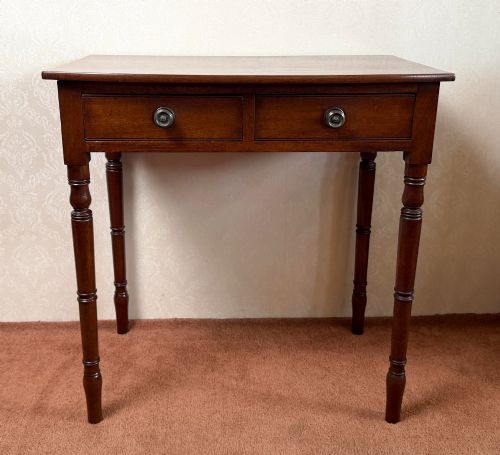
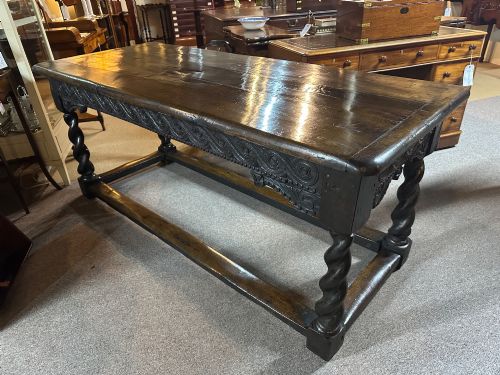
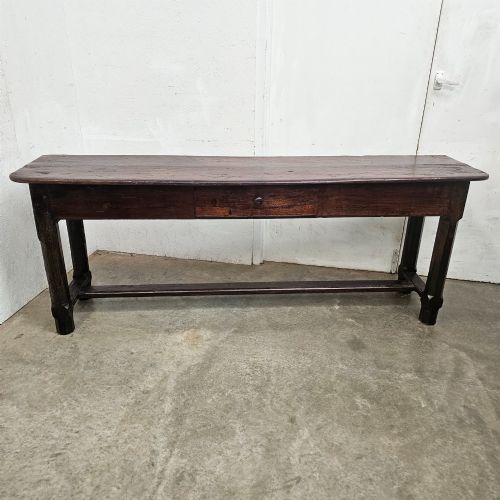
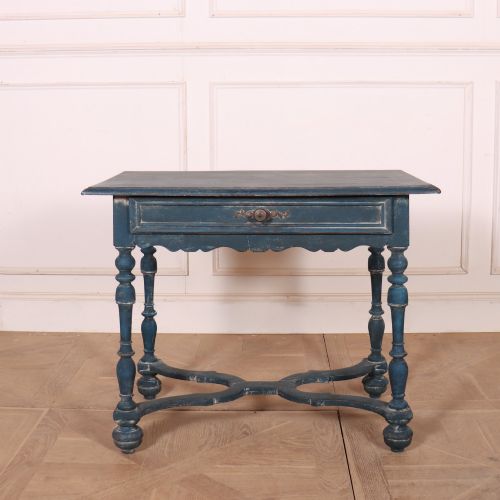
A traditional hall table grounds an entrance with practical surface space and period character, spanning oak side tables, walnut consoles and mahogany writing desks.
Traditional Hall Table
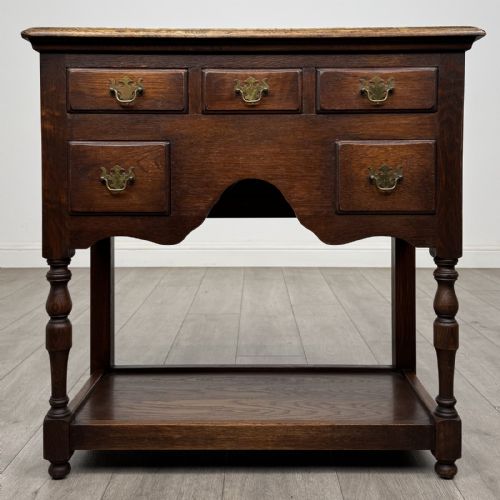
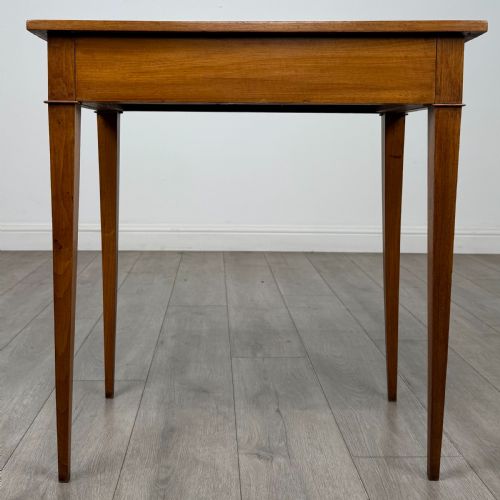
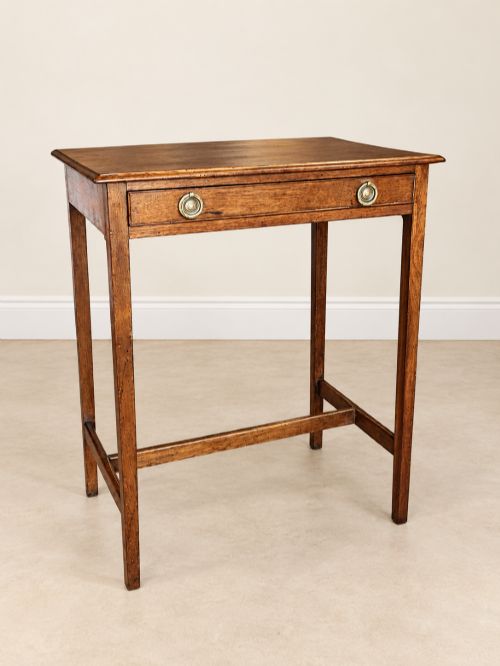
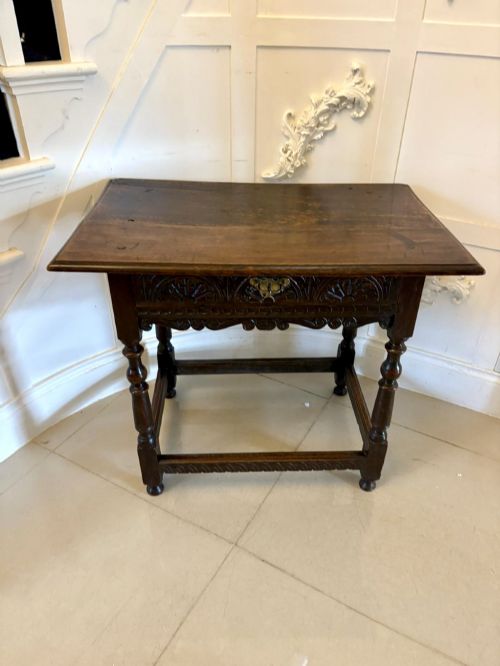
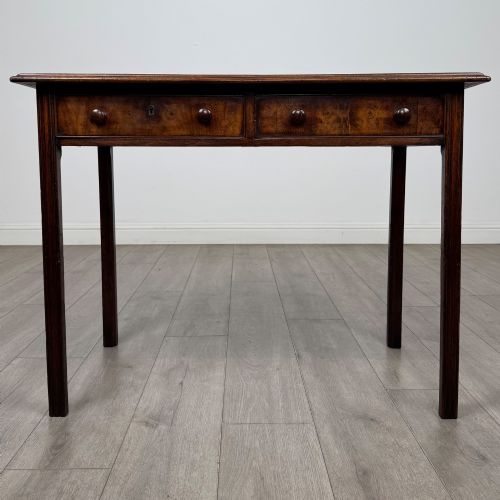
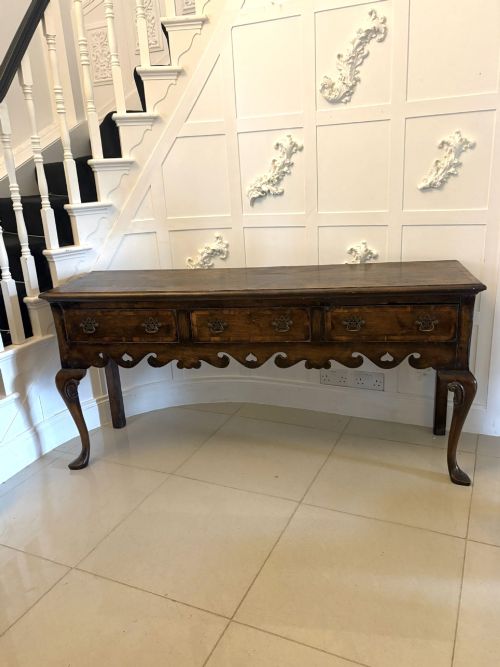
A traditional hall table provides a surface for everyday items near an entrance, taking the form of side tables, console tables, narrow writing desks and lowboys. These pieces serve circulation spaces where depth is often limited, meaning narrow proportions recur frequently across the selection.
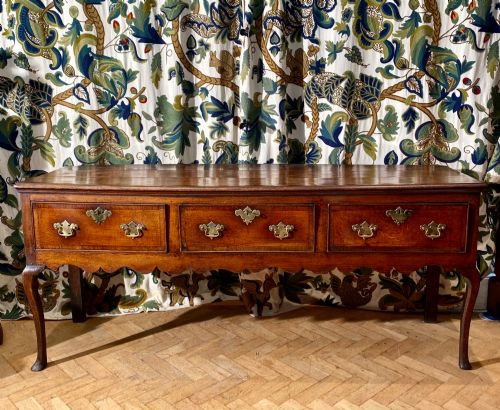
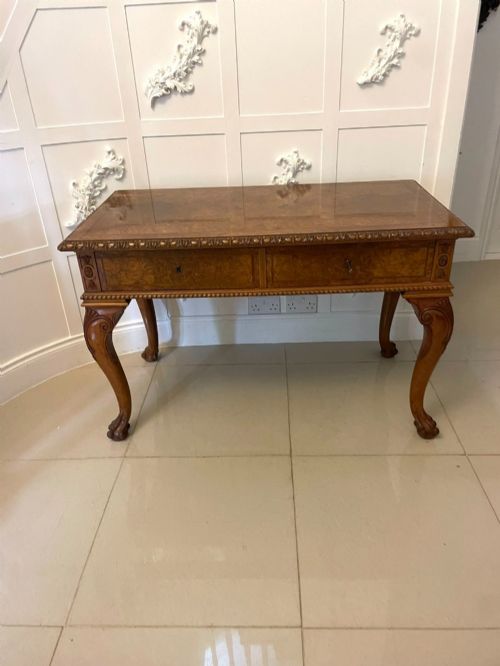
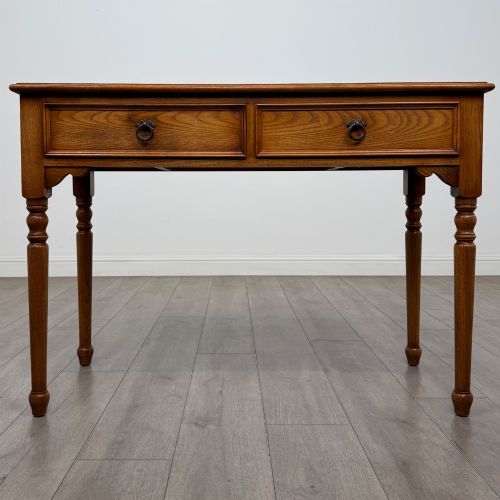
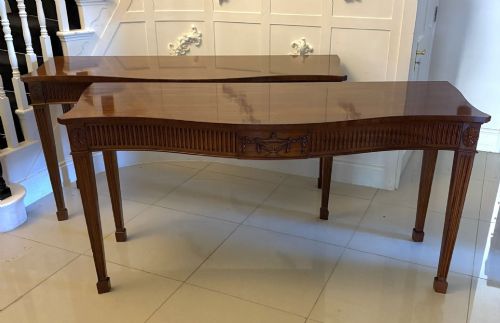
Oak forms the backbone of these pieces, appearing in vernacular items like side tables, monk's benches and dresser bases spanning the 18th, 19th and 20th centuries. Mahogany and burr walnut represent finer formal types, including serpentine serving tables and freestanding consoles.
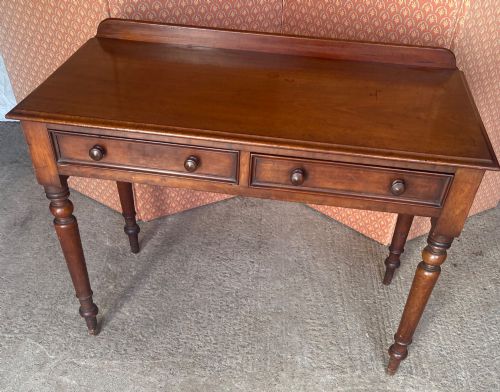
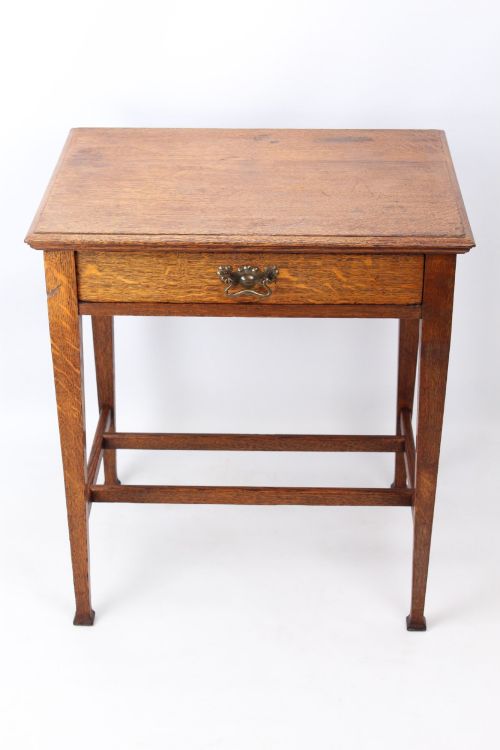
Period influences range from early 18th-century English work to Edwardian oak pieces, Victorian writing tables, and revivals referencing Jacobean, Georgian and Queen Anne styles. Occasional examples incorporate brass handles, iron hardware and painted finishes.
The selection includes hybrid forms such as hall benches with lift-up seats and fold-over tops, alongside server tables and corner tables that adapt living room or dining furniture to entrance spaces.
How they were made
Makers utilised solid timbers like oak, mahogany, walnut and pine, often combining figured veneers such as burr walnut onto stable secondary woods. Brass fittings, drop handles and metal hardware complete the construction of drawers and doors.
Cabinetmakers employed traditional jointing methods alongside turning, carving and cabinet work to build side tables, desks and dresser bases. Surfaces range from plain waxed oak to carved ornamentation, neoclassical motifs and painted finishes.
Listings span periods from the 18th century through to the 1930s, featuring oak, mahogany, walnut, pine and burr walnut.
What varies in quality
The choice of timber determines much of the character, moving from simple pine and utilitarian oak to highly figured burr walnut and dense mahogany with fine carving. Superior examples show refined proportions, such as narrow depths suited to tight corridors, paired with well-executed joinery and fitted drawers.
Design ambition separates basic utility items from exceptional pieces, visible in carved neoclassical details, serpentine fronts, cabriole legs and attribution to notable workshops. The integration of functional elements, like fold-over tops and lift seats on benches, adds complexity to the construction.
The Traditional Hall Table Glossary
- Lowboy
- A small table with one or more drawers, typically standing on four legs and originating in the late 17th or 18th century.
- Console table
- A table designed to be fixed against a wall or designed as a freestanding piece with a shallow depth.
- Dresser base
- A lower cabinet featuring cupboards or drawers, often used historically for food preparation and storage.
- Monk's bench
- A multi-functional seat featuring a hinged back that folds down to create a table surface.
- Serpentine
- A curved line of furniture fronts, shaped in a convex-concave-convex wave pattern.
Traditional Hall Table: Frequently Asked Questions
What is a traditional hall table used for?
These pieces provide a surface for keys, post and decorative items near an entranceway. Many designs include drawers or lower shelves for additional organisation.
Some variants incorporate folding tops or seating elements, combining surface space with built-in storage or a place to sit.
How do I choose the right size for a hallway?
Measure the width and available depth of your hallway carefully before selecting a table, keeping pedestrian clearance in mind. Narrow side tables and shallow console designs suit restricted entrance spaces.
Longer sideboards and dresser bases require wider corridors or larger open-plan reception rooms to avoid blocking movement.
What woods are typical for these tables?
Oak is the most common timber found in these listings, appearing across English country pieces, Arts and Crafts desks and Jacobean revival pieces. Mahogany and walnut are also frequent, particularly in Georgian and Victorian formal writing or console tables.
Pine and metal elements appear occasionally in painted servers and utilitarian workshop furniture.
How do I date an antique hall table?
Dating relies on observing construction techniques, timber choices and stylistic revival periods like Edwardian Arts and Crafts or Georgian styles. Secondary woods, drawer linings and handle types give clear indications of age.
Many listings span the 18th, 19th and early 20th centuries, showing distinct regional and stylistic shifts over those eras.