

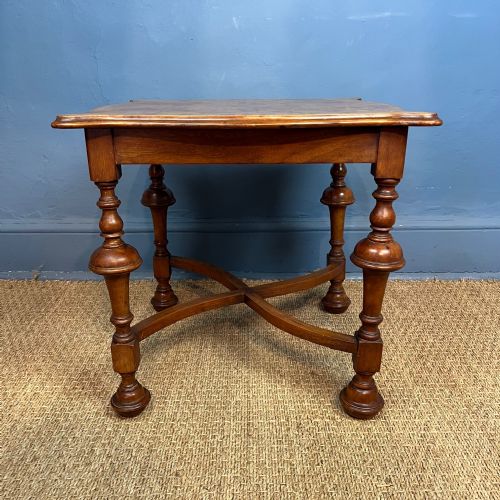
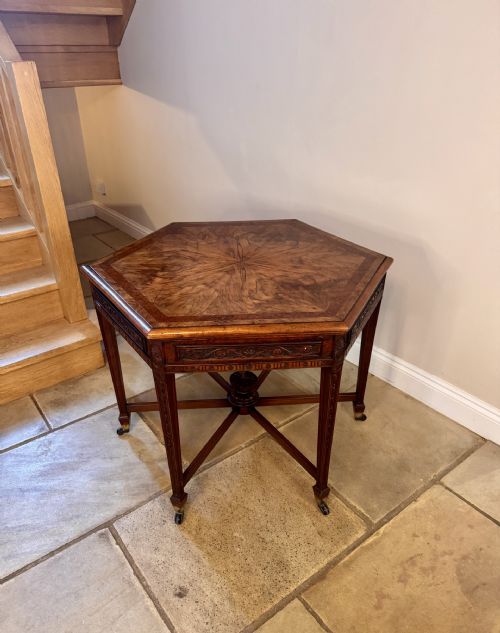
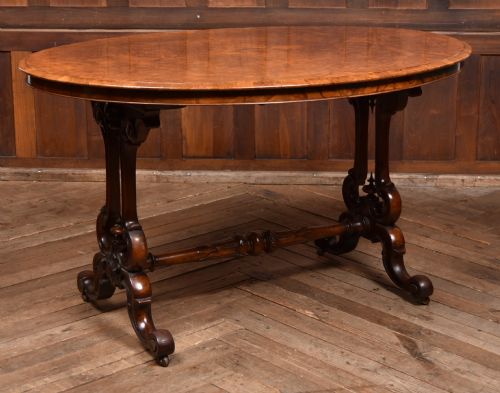
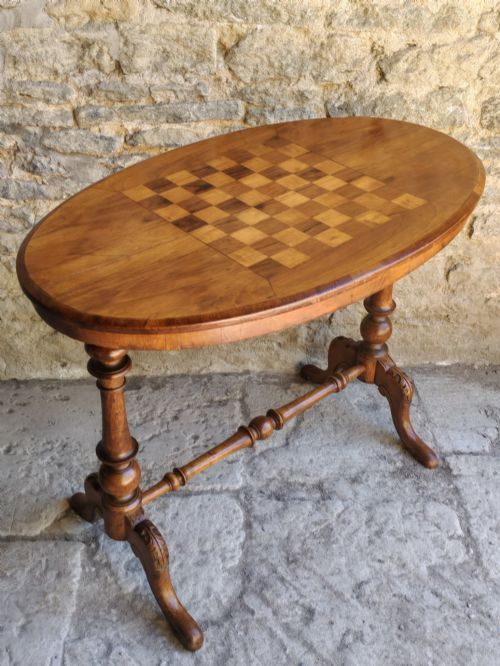
Brown Walnut Occasional Table
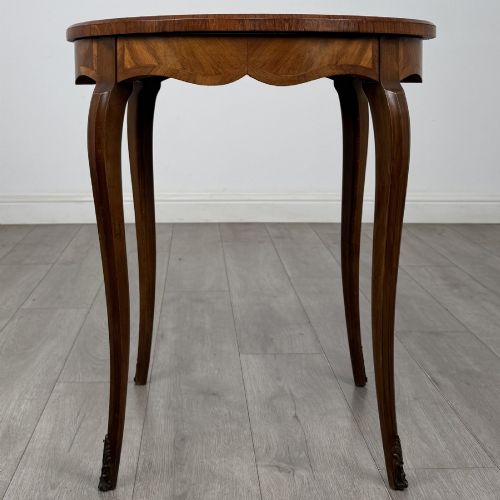
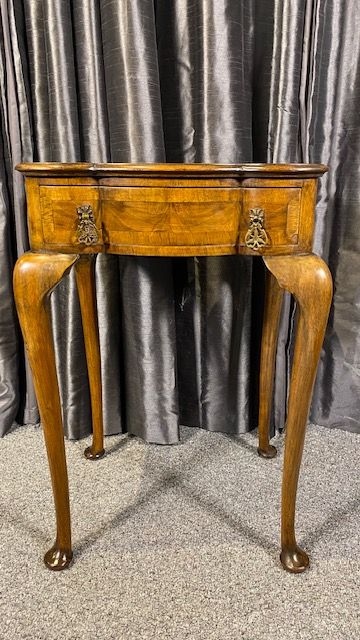
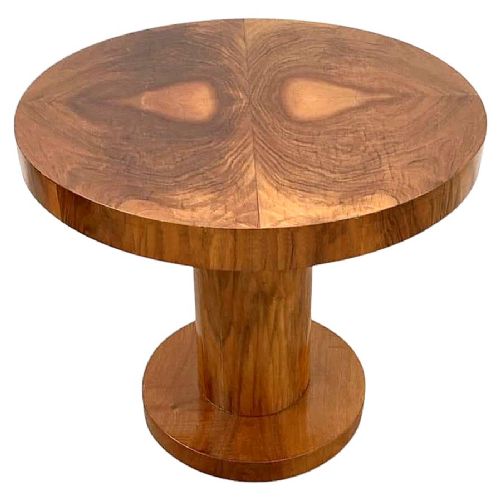
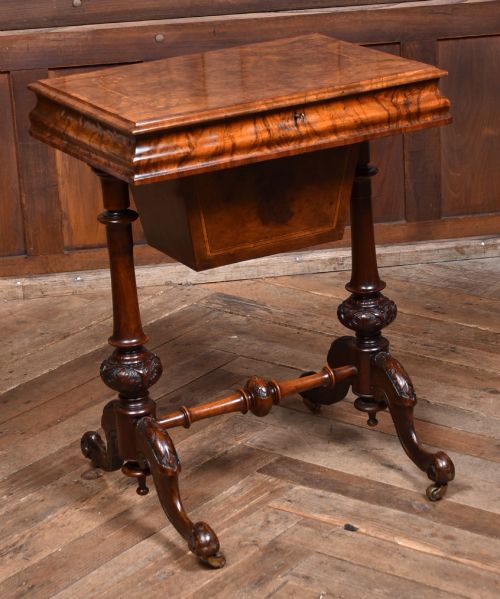
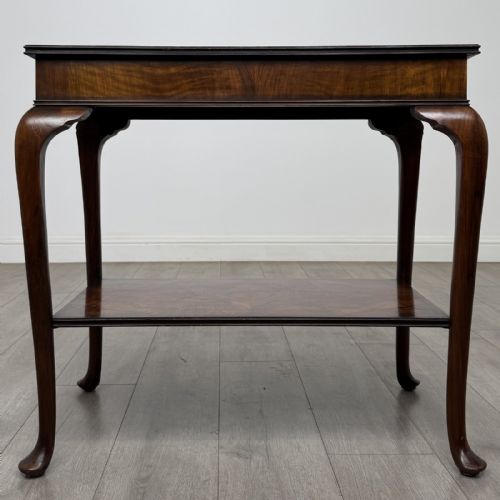
A brown walnut occasional table brings rich grain and flexible surface space to a room, spanning periods from George II to Art Deco.
Brown Walnut Occasional Table
A brown walnut occasional table serves as a versatile piece for lamps, drinks, or small display items, taking many forms across different centuries. The listings show everything from compact tripod and lamp tables to drop-leaf Sutherland tables, nesting sets, and low coffee tables.
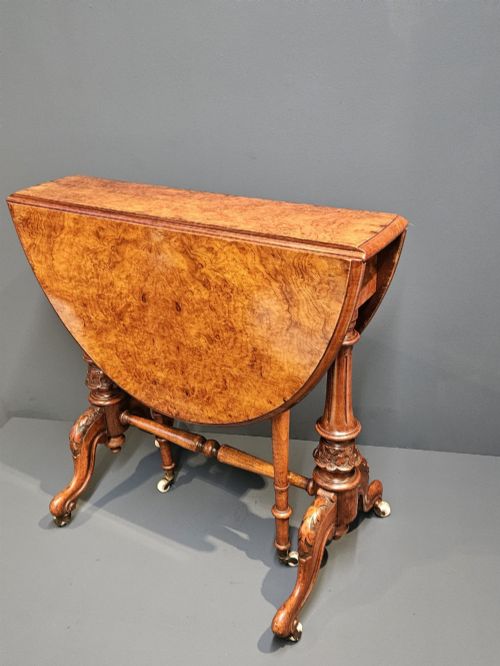
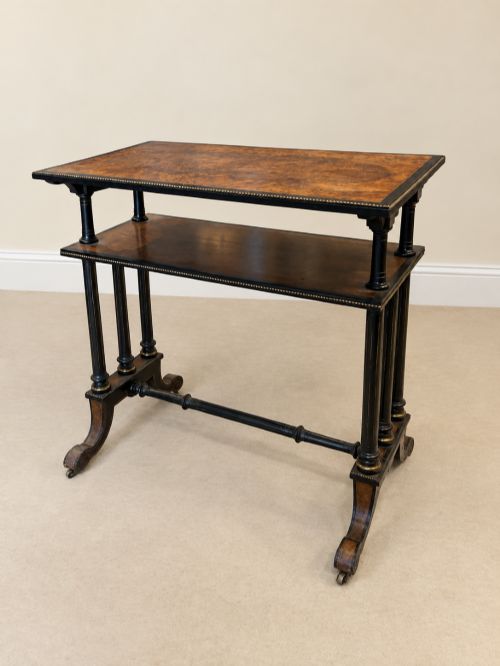
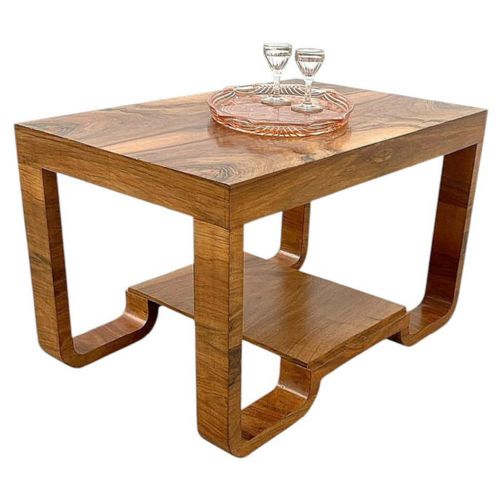
Victorian examples dominate the selection, frequently utilising burr walnut veneer and intricate inlay work on pedestal or pillar bases. Pieces from the eighteenth century, Edwardian era, and the nineteen-thirties appear alongside these, bringing George II designs or clean Art Deco lines into the mix.
Materials and construction
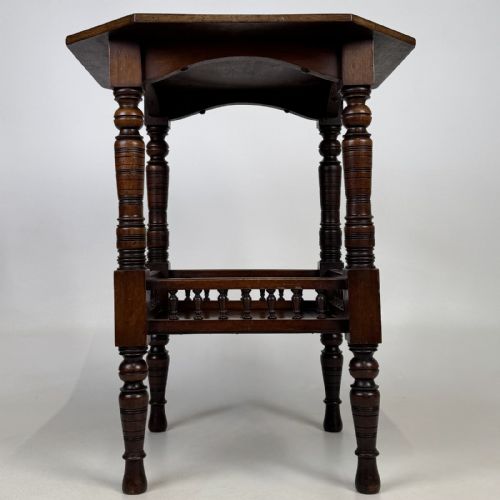
Makers built these tables using solid walnut, fruitwood, and applied veneers such as burr walnut to create striking patterns across the top surfaces. Timber frames often incorporated hand-carved details, turned pedestals, and tripod legs for stability.
Brown Walnut Occasional Table Retail Price Guide 2026
Typical asking prices for brown walnut occasional table among the pieces listed under this phrase on Sellingantiques today, from the lower quarter to the upper quarter. They describe what is for sale here now, not the wider market.
The listings span multiple centuries, ranging from eighteenth-century George II designs to nineteen-thirties Art Deco pieces.
Craftsmanship and finish
The standard of a brown walnut occasional table depends heavily on the selection of the veneer and the precision of any wood inlay. Superior pieces display book-matched burr walnut with a rich, uniform depth of finish across the top surface.
Structural rigidity in the joints, carved pillars, and operating mechanisms such as drop leaves or tilt tops separate finer examples from simpler utilitarian items. The crispness of hand-carved mouldings and the condition of the timber finish dictate the standing of the piece.
The Brown Walnut Occasional Table Glossary
- Burr walnut
- A veneer sliced from the knotty growth of a walnut tree, producing a swirling, highly decorative grain pattern. This material was favoured for the top surfaces of high-status Victorian tables.
- Tripod table
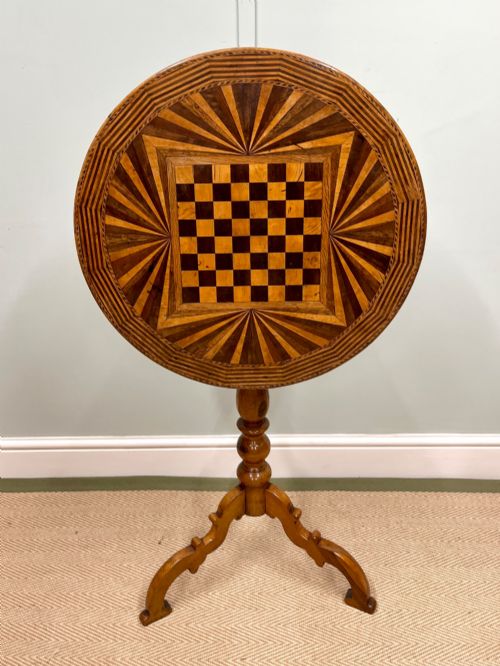
- A small stand supported by a central pillar and three spreading legs. These tables often feature tilt-top mechanisms for storage.
- Sutherland table
- A narrow drop-leaf table with hinged flaps supported by pivoting swing legs. It folds flat when not in use.
- Marquetry
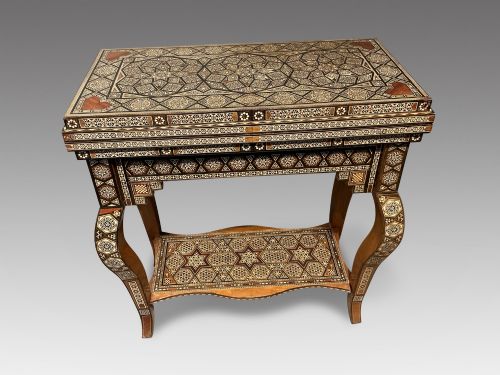
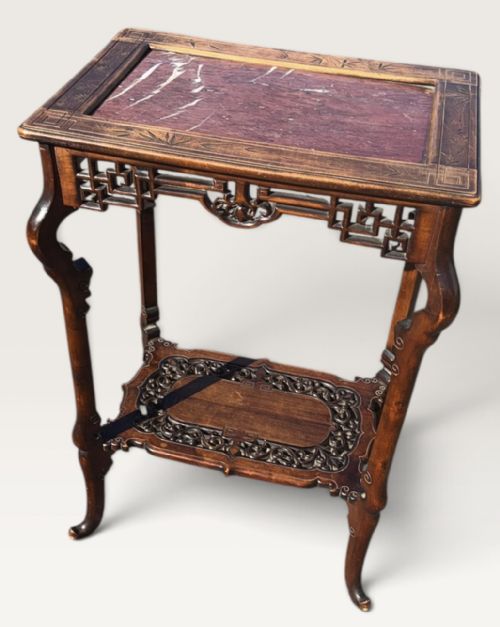
- The art of applying decorative pieces of veneer to a structure to form intricate patterns or pictures. It appears frequently on nineteenth-century French style tables.
- Pie crust table
- A small round table with a raised, carved, and scalloped edge resembling pastry. This style originates in the eighteenth century.
Brown Walnut Occasional Table: Frequently Asked Questions
What is a brown walnut occasional table used for?
These tables provide portable surface space for holding lamps, books, or drinks beside seating areas. Their compact dimensions allow them to fit easily into corners or smaller rooms.
Many examples feature folding leaves, nesting designs, or lower tiers that add extra utility without taking up significant floor space.
How do I date a walnut table?
Dating relies on examining the timber preparation, the style of the legs, and the construction methods used underneath the top. Victorian pieces often show rich burr veneers and heavy turned pedestals.
Earlier eighteenth-century examples display simpler red walnut or mahogany-toned timber with tripod bases, while nineteen-thirties pieces favour geometric Art Deco veneers.
Are these tables sturdy enough for daily use?
Most occasional tables were built to support moderate weights like lamps and decorative objects rather than heavy loads. Solid wood frames and sound pedestals handle normal daily placement well.
Care should be taken with tilt-top mechanisms and drop-leaf hinges to ensure the wooden components remain aligned and secure during movement.
How do I care for walnut veneer?
Walnut surfaces respond best to dusting with a soft, dry cloth and protection from direct sunlight and heat sources. Excessive warmth can dry out the timber and cause the delicate veneer to lift.
Occasional application of appropriate wax polish helps maintain the lustre of the French polished finish without building up heavy residue.