

Imari Porcelain Urn
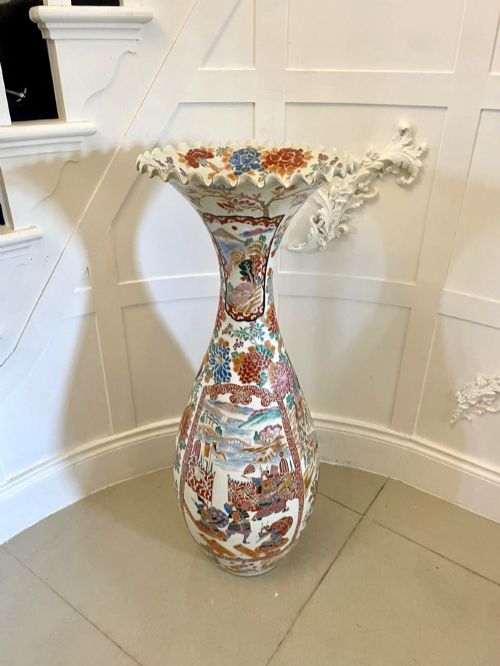
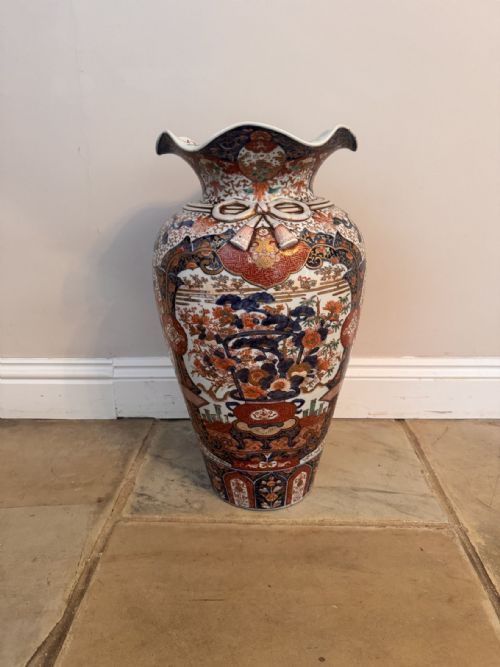
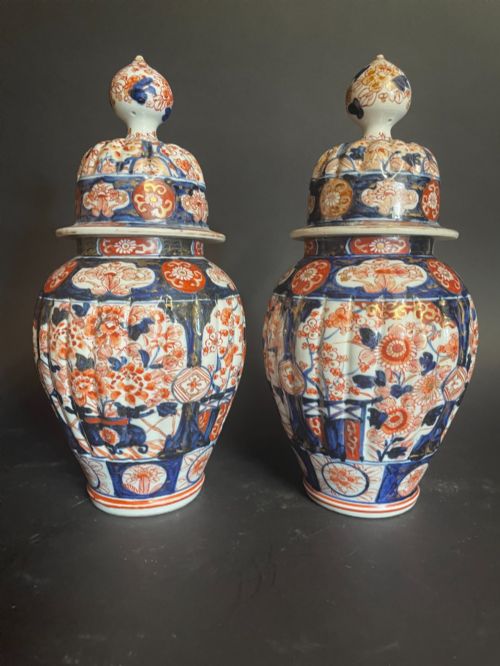
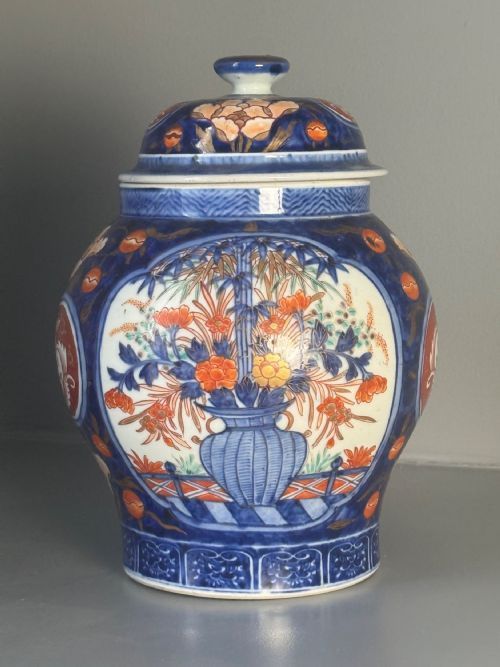
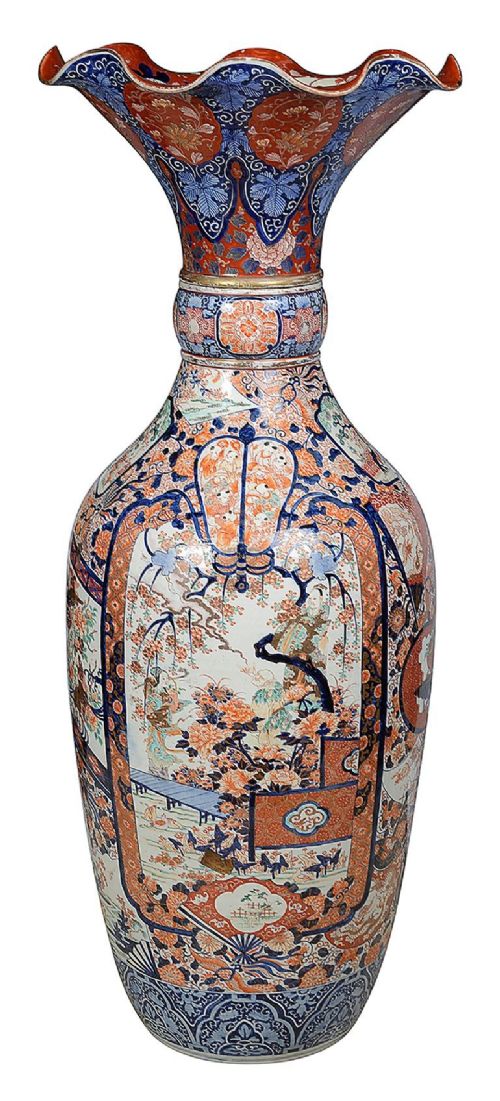
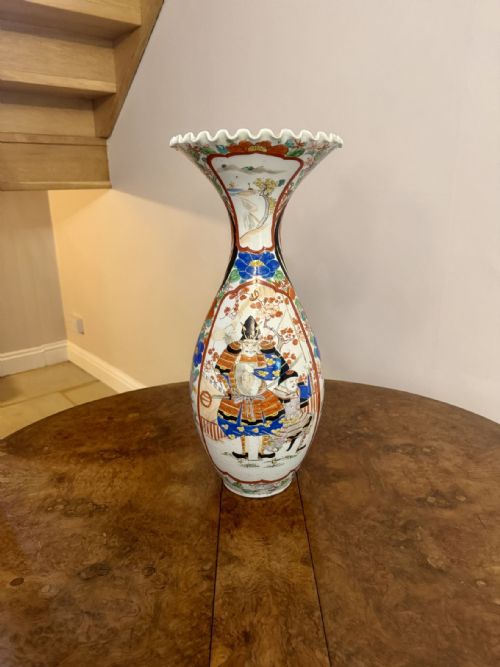
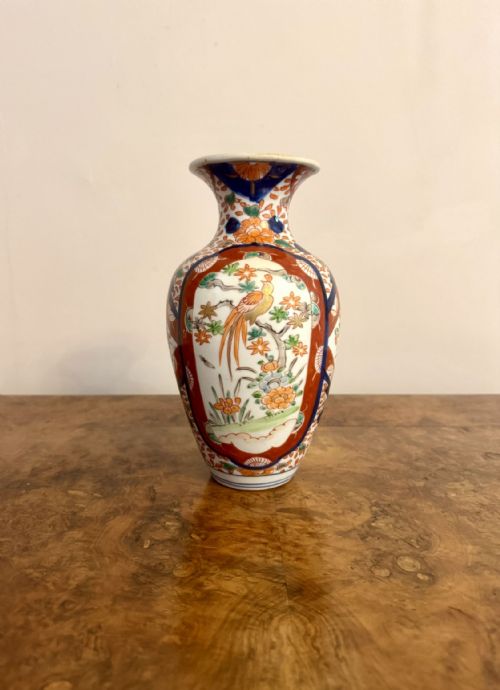
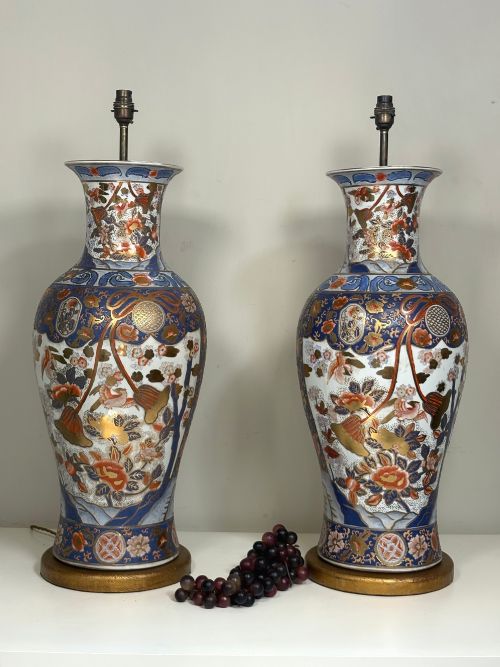
These imari porcelain urn pieces are decorative Japanese vessels that bring traditional ceramic artistry and rich palettes to a room.

What They Are
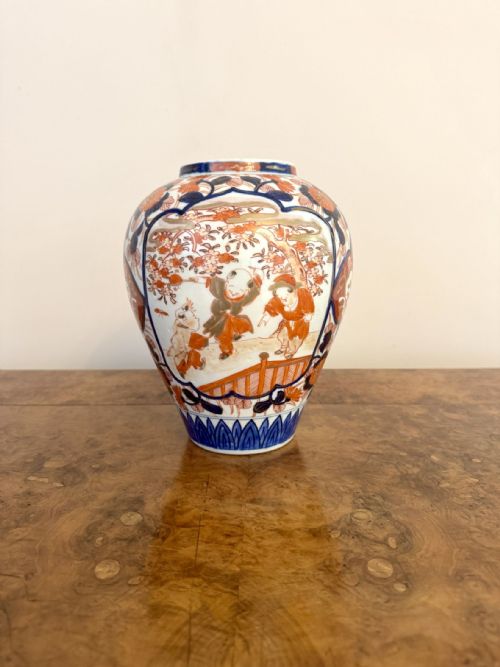
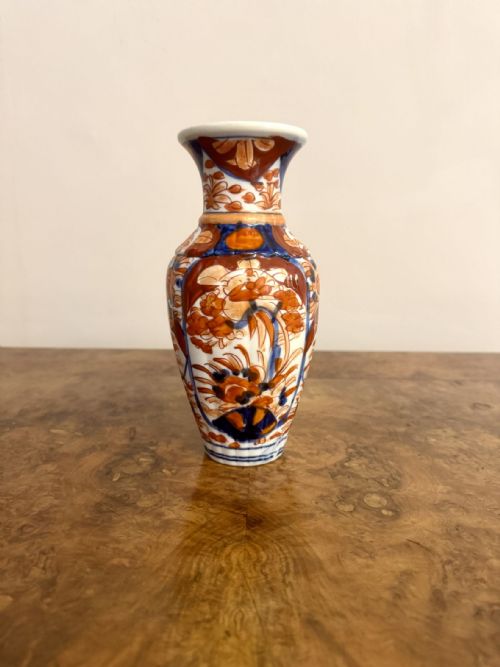
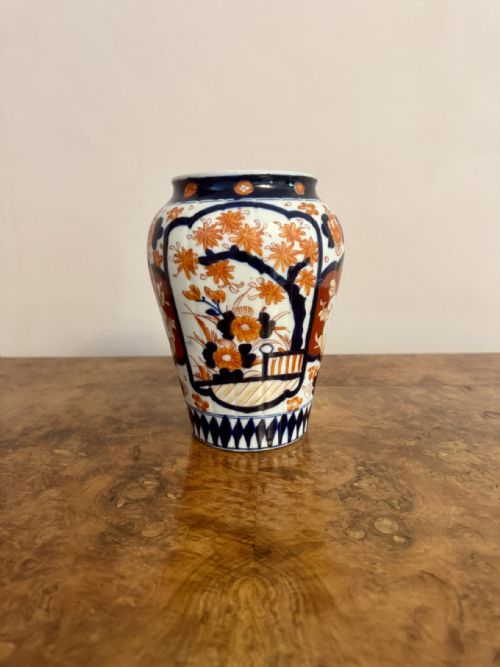
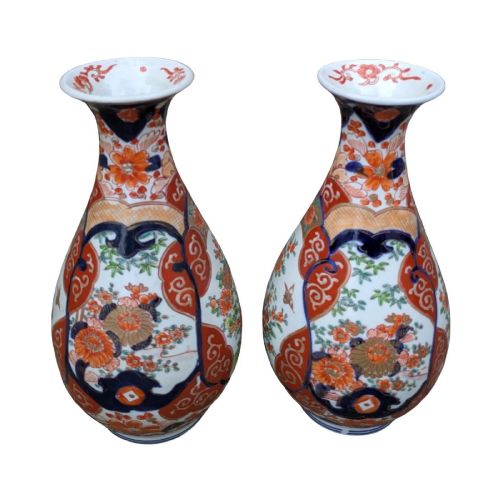
An imari porcelain urn represents traditional Japanese ceramic artistry from periods spanning the late nineteenth century and the early twentieth century. Buyers seeking an imari porcelain urn typically encounter shaped vases, large vases, and lidded jars reflecting Japanese Edo and Japanese Meiji period aesthetics.
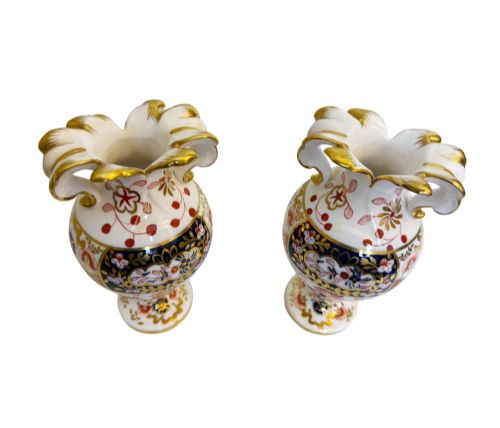
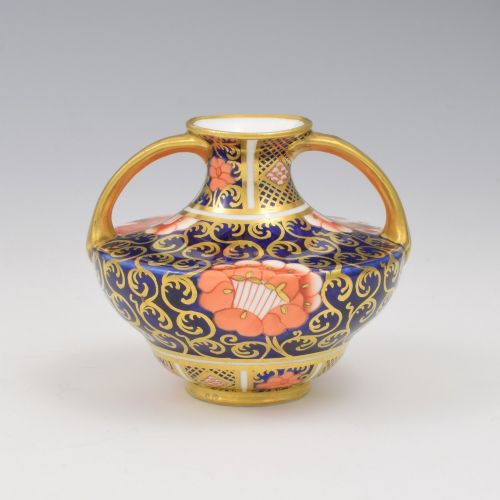
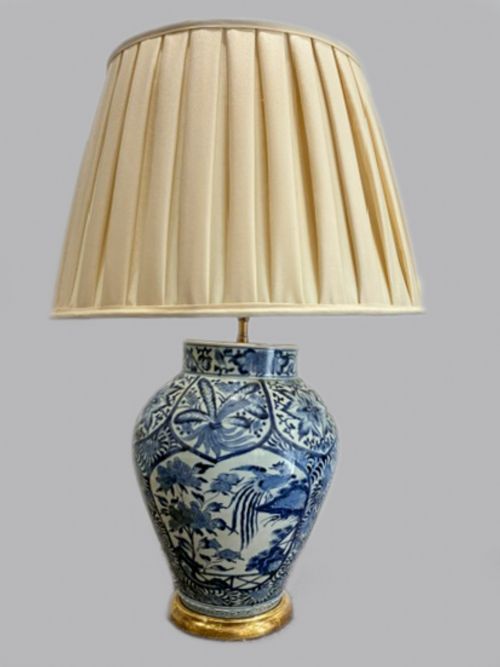
The objects seen here comprise various vase forms, including examples with lids and shaped profiles dating from the nineteenth century, 1900, 1890, and 1910. These vessels serve primarily as decorative centerpieces, carrying historical Japanese imari styles into modern domestic spaces.
How They Were Made
Makers shaped these pieces using ceramic glaze and porcelain as the foundational body materials. The application of enamel and glaze creates the hard, vitrified surfaces characteristic of these traditional ceramics.
Workshops utilised gold leaf and gilt to highlight specific decorative motifs across the ceramic glaze. These decorative techniques combine metal leaf and coloured enamels on porcelain bodies.
Retail Price Guide 2026
Typical UK retail prices for imari porcelain urn, calculated from the Sellingantiques database of over a million retail prices indexed since 2003. This retail price guide relies exclusively on Sellingantiques data; no external sources or auction records are used, so the figures do not describe the wider market.
Materials recorded across these listings include porcelain, enamel, gold leaf, glaze, gilt, and ceramic glaze.
What Varies in Quality
Distinctions in quality rest upon the precision of the hand-painted enamel work and the generosity of the gold leaf application. Finer examples display crisp delineation within the Japanese imari decorative schemes.
The scale and balance of the shaped vase or lidded jar also dictate the standing of a piece within the range. Larger dimensions and complete lids distinguish the more substantial examples from standard vases.
The Imari Porcelain Urn Glossary
- Meiji Period
- The era in Japanese history spanning from 1868 to 1912, characterised by opening trade and distinctive decorative arts. Pieces from this time often exhibit intricate enamel work.
- Edo
- The period in Japanese history preceding the Meiji era, known for establishing foundational artistic styles. Objects carrying this influence reflect traditional design motifs.
- Gilt
- A thin layer of gold applied to the surface of porcelain or ceramic glaze. This metallic embellishment catches the light and complements the underlying enamel colours.
Frequently Asked Questions
How are imari porcelain urn pieces cleaned?
Dust these vessels gently with a soft, dry cloth to protect the enamel and gold leaf decorations. Avoid chemical cleaners that might damage the ceramic glaze.
Keep them away from direct sunlight to preserve the richness of the painted colours over time.
Where should an imari porcelain urn be displayed?
Place these decorative vases on stable surfaces such as sideboards, mantelpieces, or dedicated display tables. Their size and colourful palettes make them natural focal points in a room.
Ensure they sit safely away from heavy household traffic to prevent accidental knocks.
How do I identify a Meiji period piece?
Look for the distinctive combination of Japanese imari patterns executed in enamel alongside gold leaf or gilt. The materials and forms align with production methods from the late nineteenth and early twentieth centuries.
Consult the recorded period details to understand the chronological context of each specific vase or lidded jar.