






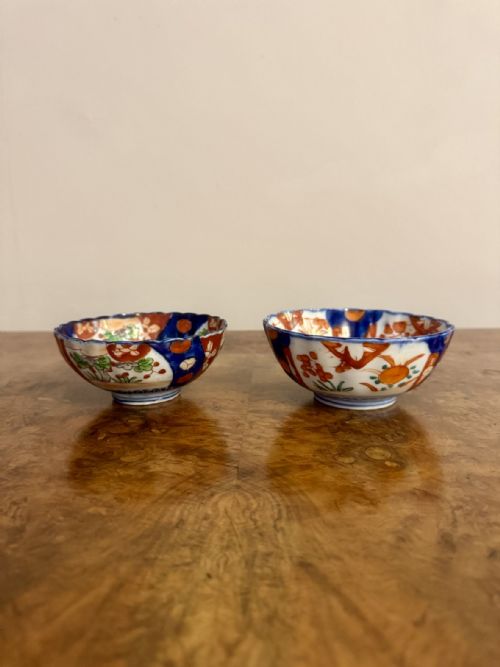
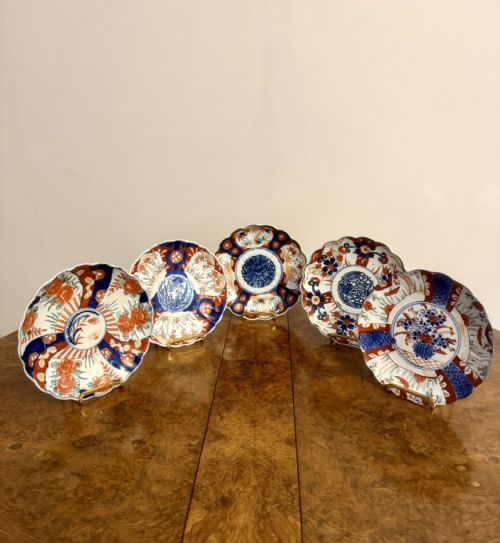
Imari Porcelain Decorative Dishes
Imari porcelain decorative dishes bring together rich iron-red and cobalt-blue palettes on shaped ceramic surfaces that suit both display and traditional table service.
Imari Porcelain Decorative Dishes
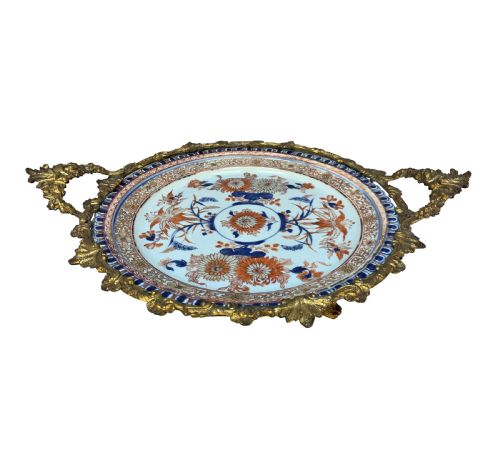
Imari porcelain decorative dishes encompass plates, bowls, chargers, and trays originating from multiple periods including the eighteenth and nineteenth centuries. Buyers frequently encounter Japanese examples from the Meiji and Edo periods, alongside Chinese export wares and English interpretations.
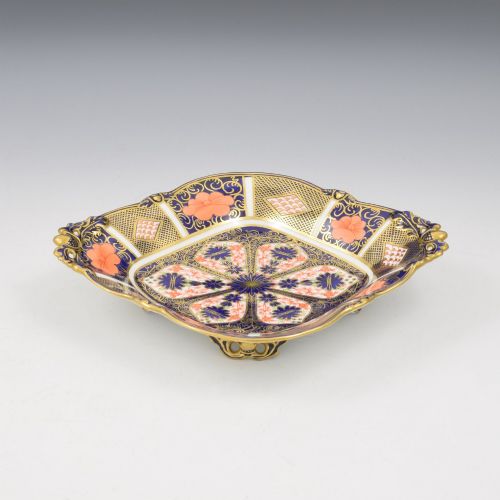
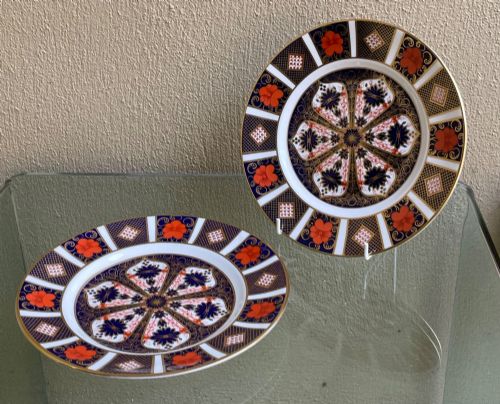
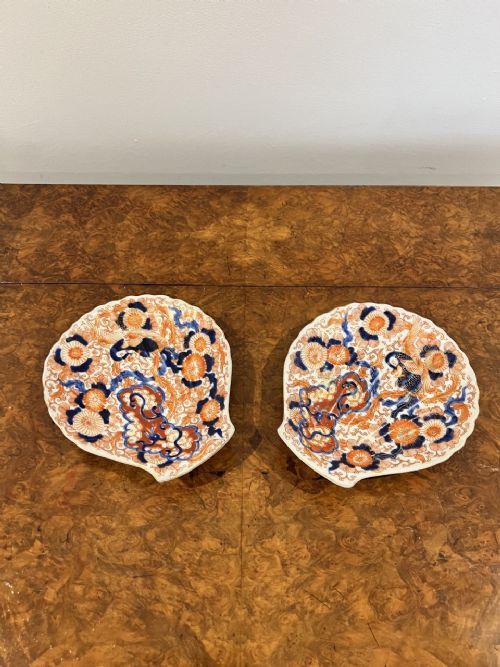
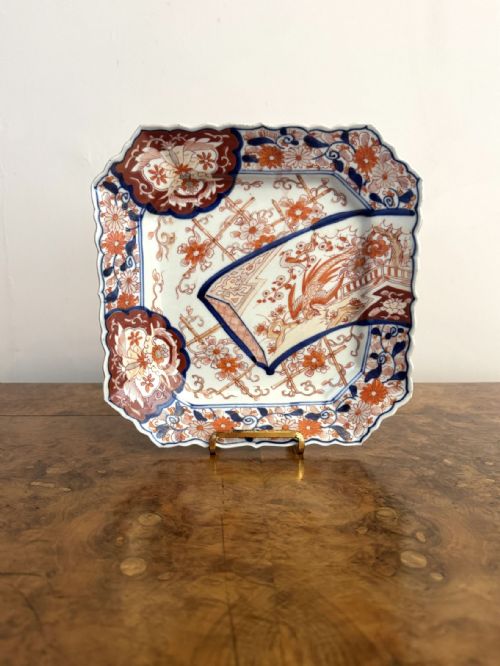
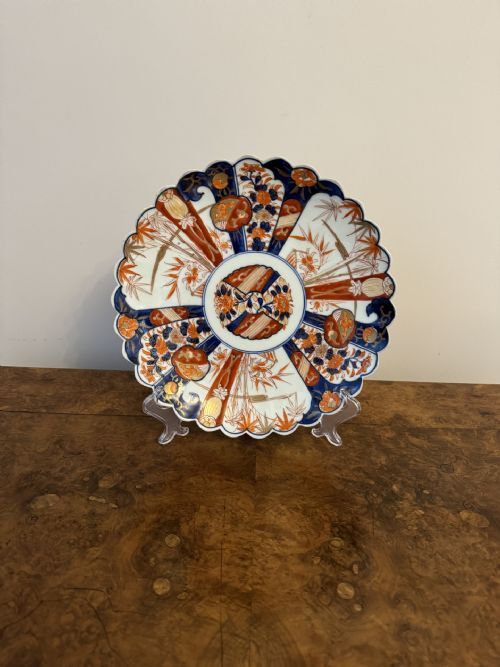
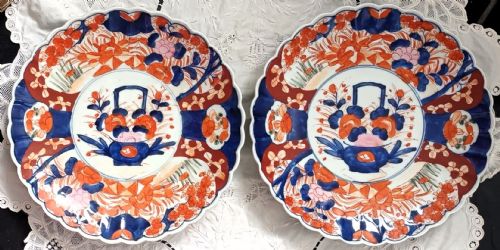
The forms vary widely from standard round plates to scalloped edges, square shapes, ribbon plates, and shell-shaped dishes. These pieces function primarily as visual displays or serving vessels within a collection.
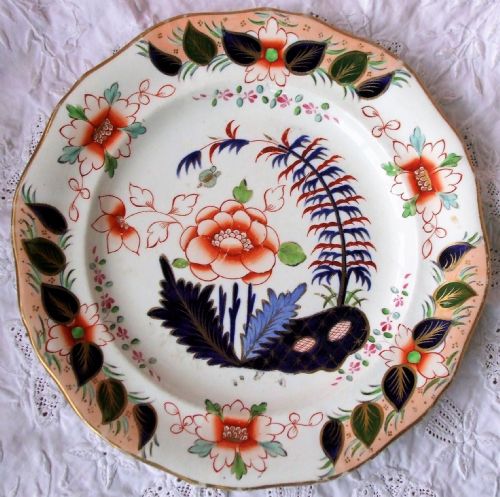
Origins stretch across Japanese production centres like Arita, Chinese export kilns, and English factories such as Royal Crown Derby and John Davenport. Each regional source brings distinct characteristics to the finished ceramic body.
Materials and Techniques
Makers shaped porcelain, ceramic, bone china, and ironstone into varied dish forms before applying underglaze blue and overglaze enamel pigments. Artisans integrated gold leaf, gilt, and gilding to highlight intricate floral, bird, and figural designs.
Hand painting forms the core of these decorative surfaces, utilising contrasting blue and white pigments alongside rich enamels. Kiln firing fixed the ceramic bodies and glazes, creating durable domestic wares suited for long-term display.
Styles recorded in the inventory include Japanese Imari, Chinese Export, Edo and Meiji periods, alongside English Imari interpretations.
Craftsmanship and Execution
The refinement of the hand-painted brushwork dictates the distinction between standard production and superior examples. Crisp execution in floral, bird, and figural motifs such as the Seven Lucky Gods indicates skilled studio output.
Moulding precision shapes the overall quality, particularly in complex forms like scallop edges, square plates, clam shells, and hexagonal bowls. Clean lines and well-balanced proportions separate finer vessels from simpler utilitarian items.
Royal Crown Derby·John Davenport
The Imari Porcelain Decorative Dishes Glossary
- Imari
- A style of ceramic decoration originating in Japan and subsequently copied in China and Europe. It typically uses a palette of underglaze blue, iron-red, and gilt.
- Charger
- A large decorative plate or dish used historically for ceremonial service or displayed upright on a sideboard. These pieces measure significantly larger than standard dinner plates.
- Arita
- The Japanese town and surrounding district central to the production of porcelain in the region. Kilns here produced the foundational wares that defined the early export market.
- Ironstone
- A type of durable heavy earthenware developed in England during the nineteenth century. It served as a robust alternative to true porcelain for patterned domestic wares.
- Meiji
- A period in Japanese history spanning from the late nineteenth to the early twentieth century. Wares from this era often display highly detailed hand-painted surface designs.
Imari Porcelain Decorative Dishes: Frequently Asked Questions
How do I identify Japanese Imari?
Japanese Imari typically displays a distinct combination of cobalt blue underglaze and iron-red enamel overglaze, often accented with gold. The porcelain bodies feel dense and carry hand-painted motifs like flowers and birds.
Examination of the foot ring and glaze pooling on the underside helps confirm the regional origin. Meiji period pieces frequently exhibit fine, precise brushwork across these characteristic palettes.
What is Chinese export Imari?
Chinese export Imari refers to porcelain manufactured in China specifically for Western markets during the eighteenth century. These pieces adopted the Japanese colour scheme to satisfy European demand.
They combine Chinese ceramic throwing techniques with the familiar red, blue, and gilt decorative vocabulary. The paste often appears slightly different in texture compared to wares made in Arita.
How were chargers displayed historically?
Large chargers served both functional dining roles and decorative display purposes in formal interiors. Their substantial size made them ideal for placement on sideboards or mounting on walls.
Owners utilised these prominent dishes to showcase wealth and appreciation for imported Asian craftsmanship. Today, similar mounting methods allow collectors to display them securely.
What are English Imari patterns?
English Imari patterns represent European interpretations of the Japanese aesthetic produced by factories like Royal Crown Derby and John Davenport. These works utilised bone china or ironstone bodies.
Factories applied the traditional red, blue, and gilt formula to domestic forms such as pierced serving trays and plates. This tradition continued from the Georgian era well into the twentieth century.