






Japanese Decorative Ceramic Plates
Japanese decorative ceramic plates bring vibrant palettes and traditional motifs straight into a room, offering striking wall display or cabinet presence.
Japanese Decorative Ceramic Plates
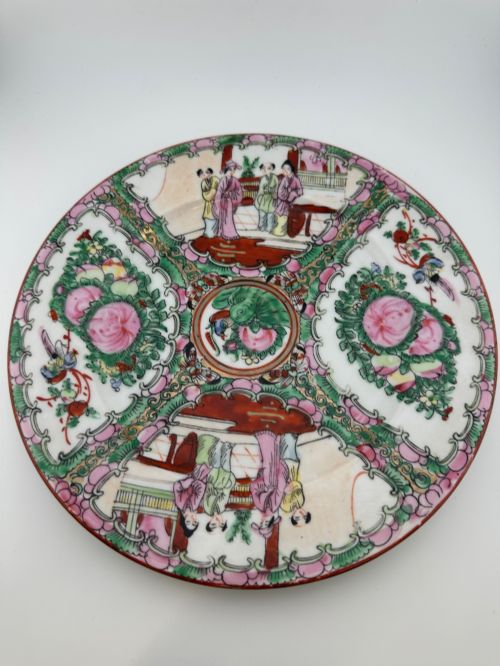
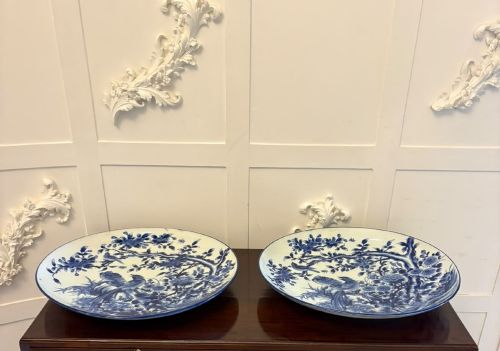
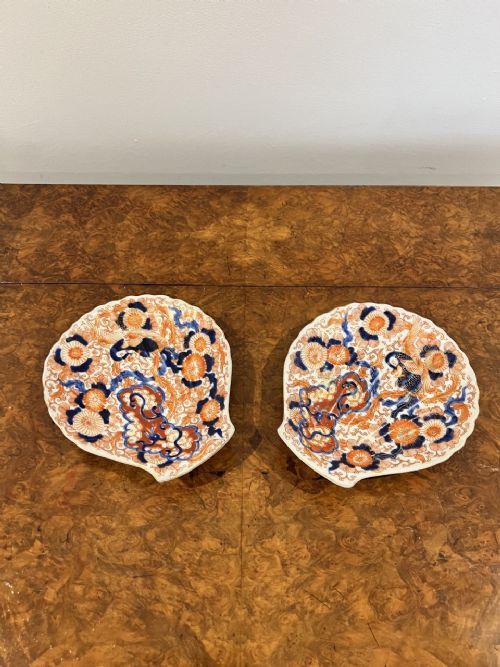
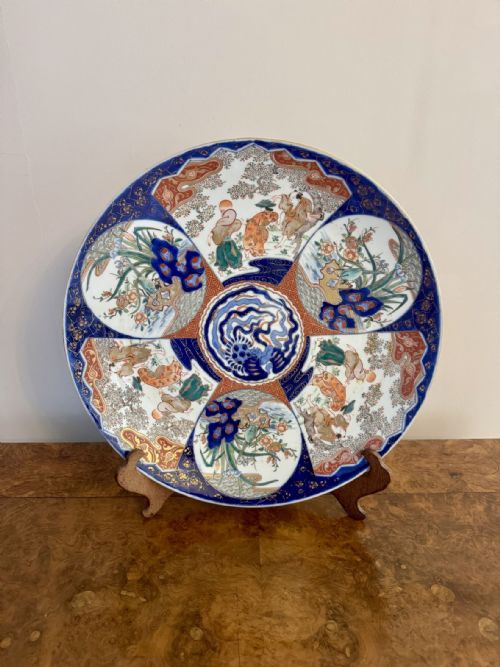
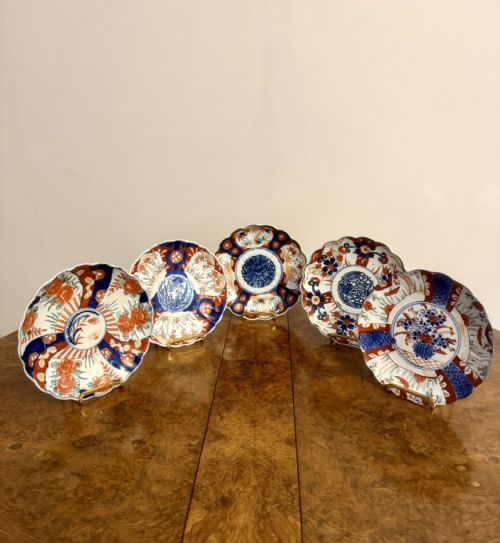
Japanese decorative ceramic plates span charger sizes, cabinet dishes, and shell-shaped plates originating from the Edo period through the Meiji and Taisho eras. Buyers encounter numerous Imari examples alongside Satsuma, Kutani, and Arita porcelain pieces.
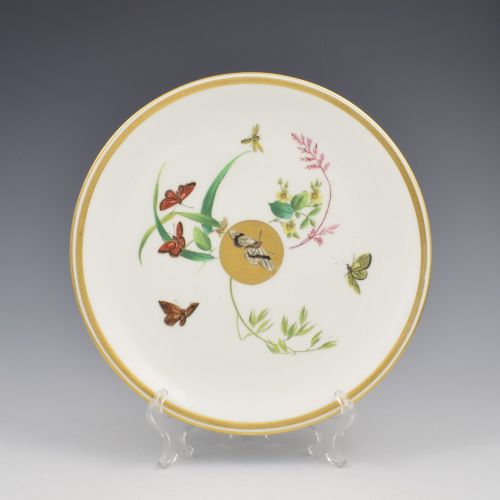
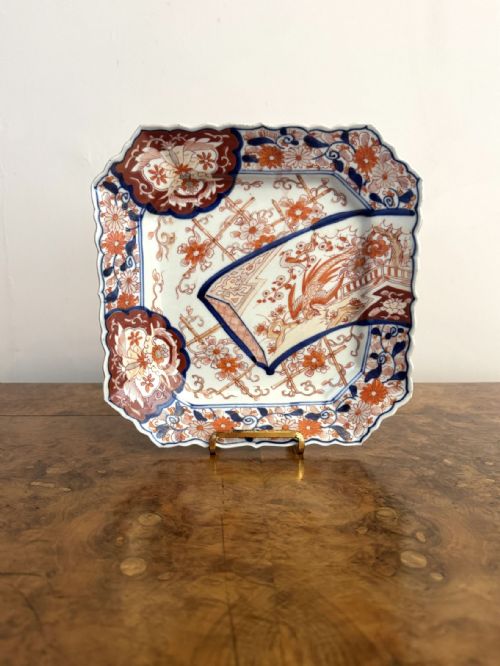
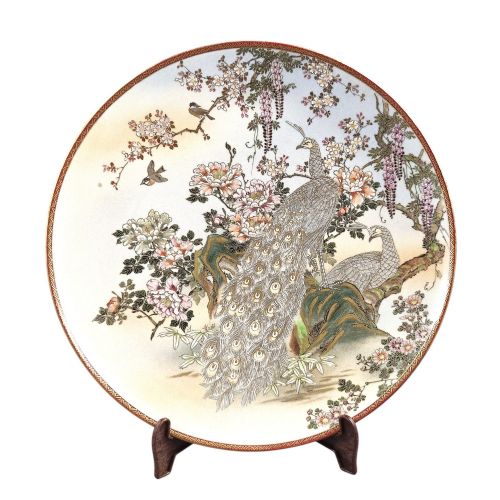
Forms range from large scalloped chargers to square plates, ribbon plates, and hexagonal dishes. Many pieces date from the late nineteenth century and incorporate hand-painted floral, bird, or figural motifs.
How they were made
Potters shaped porcelain and earthenware into plates and chargers, applying cobalt underglaze, enamel, and gilt details. Artisans utilised hand-painting techniques to render intricate designs across the ceramic surface.
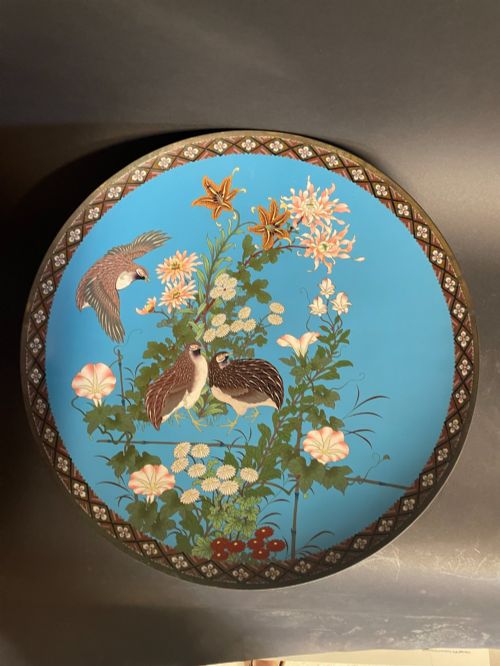
Some pieces incorporate moriage decoration or cloisonne elements on earthenware bodies, combining raised enamel work with rich gilt highlights.
Edo period artisans shaped durable porcelain into convincing clam shells, proving that marine mimicry belongs on the dining table.
What varies in quality
Quality rests in the crispness of the hand-painted brushwork and the precision of the cobalt underglaze and enamel application. Stronger pieces display deliberate control over complex floral, bird, or figural compositions.
The sophistication of the ceramic form, such as scalloped, square, or shell-shaped edges, distinguishes finer examples from standard plates.
Koshida
The Japanese Decorative Ceramic Plates Glossary
- Imari
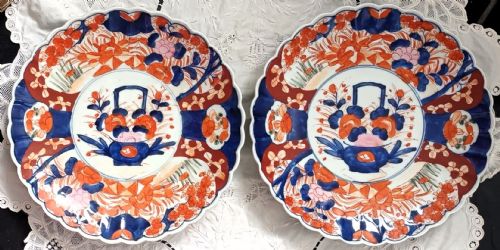
- A style of Japanese porcelain decorated in underglaze blue, iron red, and gold. These pieces often feature dense floral and geometric panels.
- Charger
- A large decorative plate intended for display rather than dining. They sit upright on plate stands or hang upon walls.
- Satsuma
- A type of earthenware with a pale crackle glaze, typically decorated with polychrome enamels and gilt. Artisans produced these extensively during the Meiji period.
- Kutani
- Japanese porcelain known for its bold colour palettes, particularly strong greens, reds, and golds. The style frequently incorporates detailed figural or nature scenes.
- Moriage
- A ceramic technique using raised slip or enamel dots to create tactile, textured ornamentation on the surface. This method adds dimension to Satsuma and other wares.
Japanese Decorative Ceramic Plates: Frequently Asked Questions
How do I display a large charger safely?
Large chargers require sturdy wall hooks designed for heavy porcelain or dedicated plate stands with a secure base. Ensure the weight is evenly distributed to protect the ceramic edge.
Avoid hanging pieces in direct sunlight or areas subject to temperature fluctuations to preserve the enamel and gilt highlights.
What is the difference between Imari and Satsuma?
Imari wares are hard-paste porcelain decorated in deep cobalt blue and iron red, often enhanced with gold leaf. They present a crisp, resonant ring when tapped.
Satsuma pieces are earthenware characterised by a warm ivory crackle glaze and ornate polychrome enamel paintings depicting figures or nature.
How do I date a Meiji period plate?
Meiji period plates date from the late nineteenth to early twentieth century, aligning with the reign of Emperor Meiji. Look at the painting style, palette density, and ceramic body type.
Pieces from this era frequently combine traditional Japanese motifs with an increasing boldness in scale and decorative complexity.
Can these plates be used for food?
Antique decorative plates and chargers serve primarily as ornamental objects rather than tableware. Older glazes and pigments may not meet modern standards for culinary use.
Displaying them in cabinets or on walls protects the delicate enamel, cobalt underglaze, and gilt surfaces from wear.