


Handwoven Tribal Mat
When you seek a handwoven tribal mat, you explore village and nomadic rugs shaped by traditional hands.
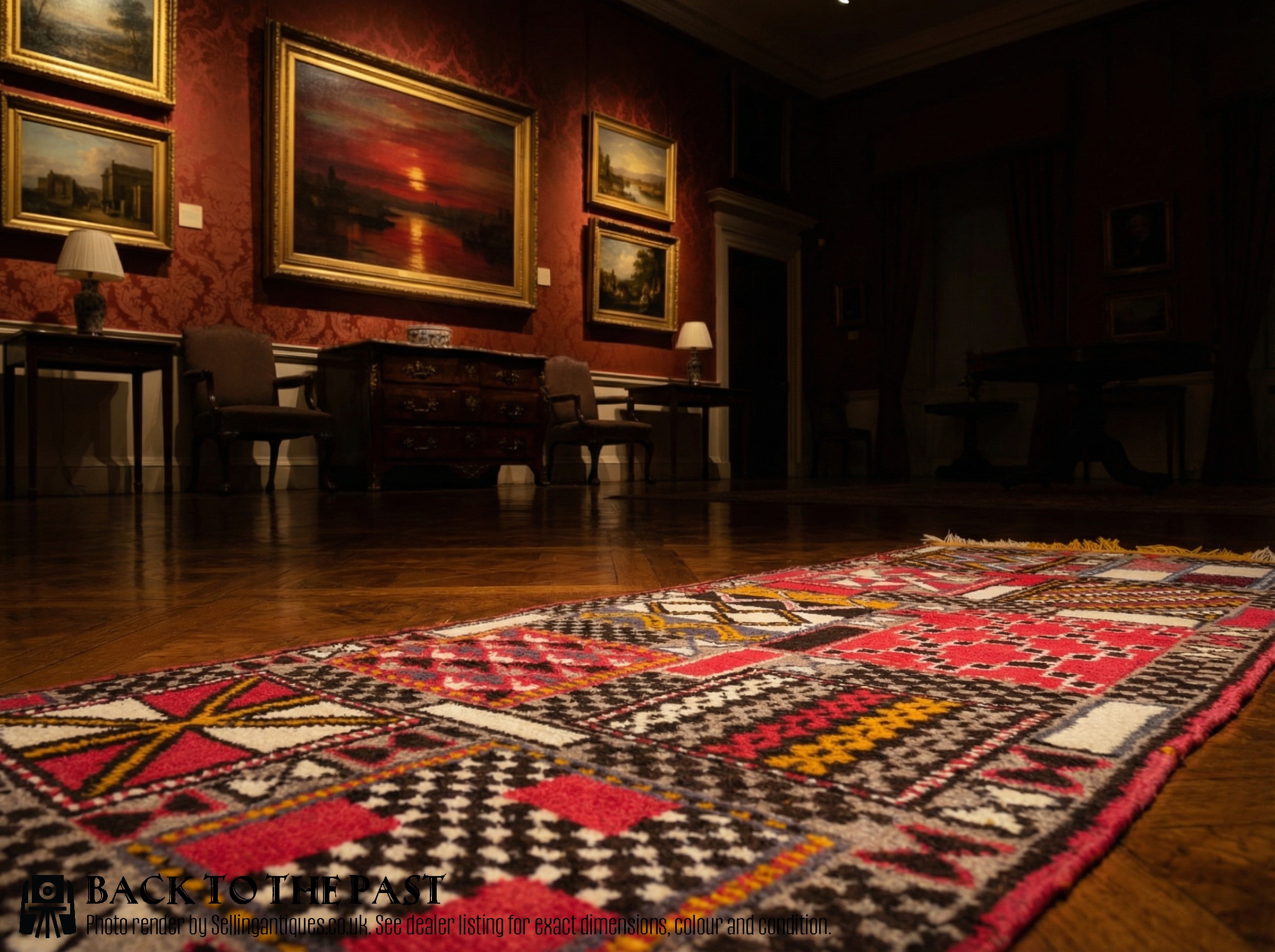
Handwoven Tribal Mat
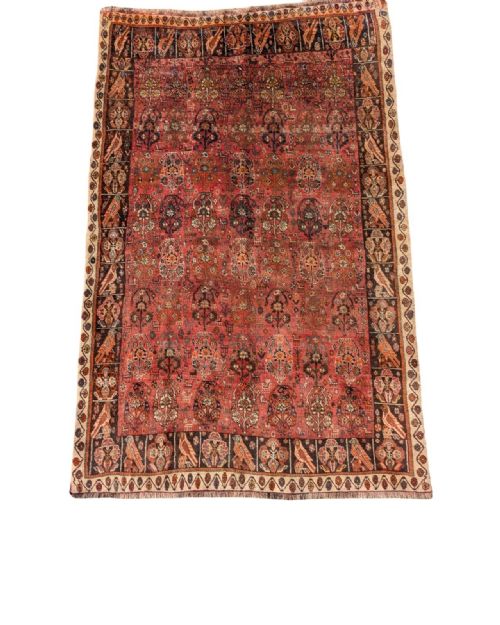
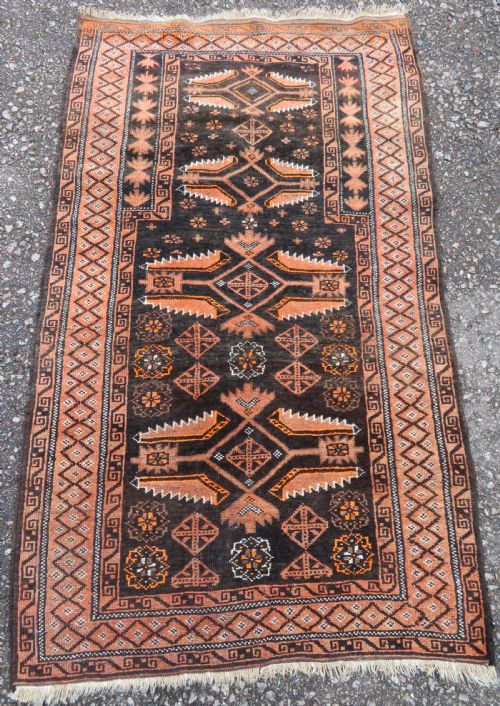
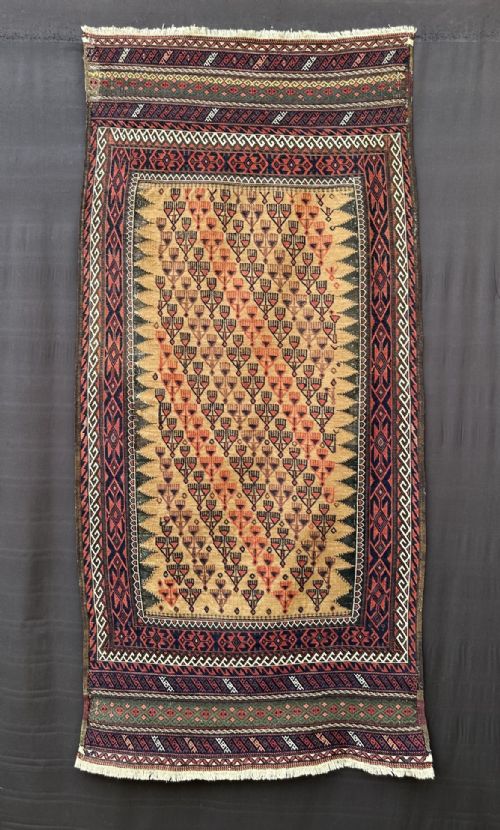
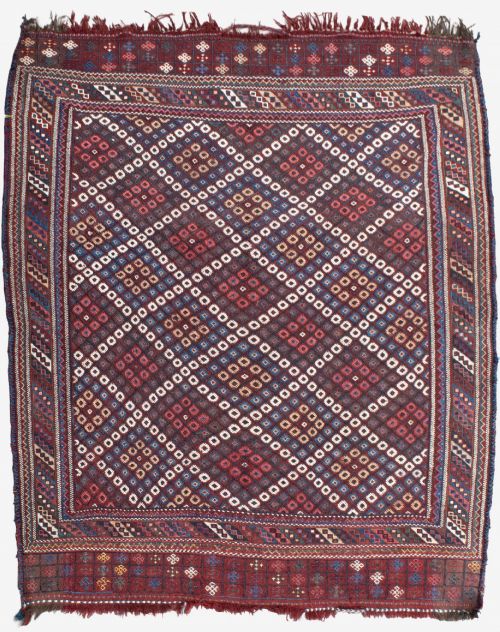
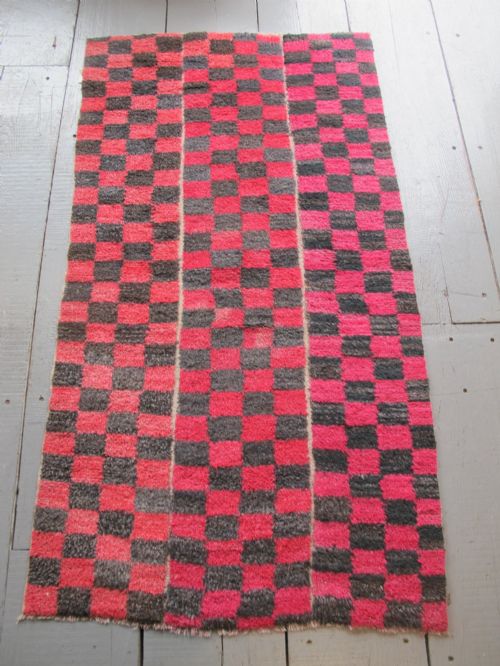
A handwoven tribal mat brings domestic textiles from nomadic groups and village workshops directly into modern rooms, functioning as both floor covering and historical artefact. The selection spans Persian, Anatolian, Afghan, and Caucasian origins, alongside Tibetan folk art and Moroccan Berber pieces.
The assortment includes everyday utility objects such as bread sofrehs and dining sofrehs alongside prayer rugs, meditation pieces, and saddle covers. These items capture the vernacular design traditions of weavers working across the nineteenth and early twentieth centuries.
How they were made
Weavers utilised natural materials including hand-spun wool, cotton foundations, camel hair, and Tibetan wool, frequently combined with leather elements for durability. These organic fibres were treated with natural dyes to achieve deep, lasting colour variations across the pile and flatweave surfaces.
Production methods rely on traditional handweaving techniques executed on portable vertical or horizontal looms set up in tents and villages. Mixed-technique constructions and kilim ends demonstrate the specialised regional skill sets passed down through generations.
Listings feature textiles spanning the nineteenth century up to the nineteen-thirties, incorporating camel hair, cotton, and hand-spun wool.
What varies in quality
The refinement of the wool preparation and the consistency of the hand-spun yarn dictate the baseline handle and resilience of the piece. Finer knot densities or tighter flatweave structures allow complex tribal motifs and geometric medallions to resolve with greater clarity.
Palette depth and dye stability distinguish superior examples, particularly where natural dyes create subtleabrash variations across the field. The integrity of the original side cords and flatweave ends preserves the historical completeness of the textile.
The Handwoven Tribal Mat Glossary
- Sofreh
- A flatwoven or piled spread used traditionally for dining, kneading bread, or serving food within nomadic households. These textiles often feature minimalist tribal symbols and utilitarian formats.
- Prayer rug
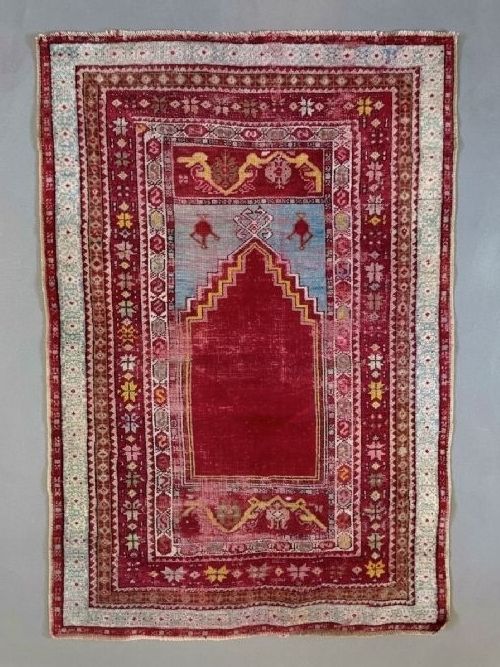
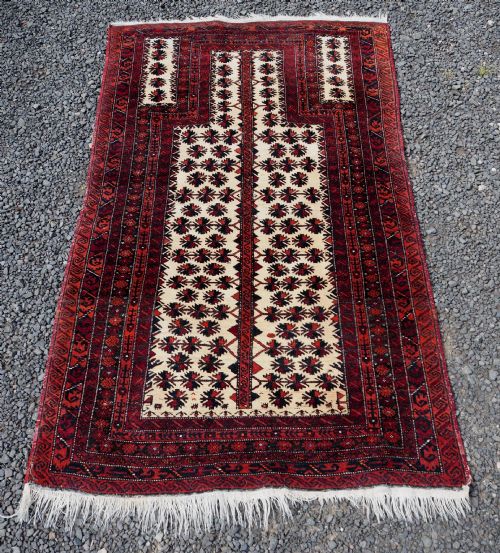
- A small textile featuring a mihrab niche design intended to indicate the direction of prayer. Weavers across Anatolia, Persia, and Afghanistan produced distinct regional variations of these formats.
- Abrash
- Variations in colour shading caused by uneven uptake in natural dye batches or changes in yarn lots during weaving. This tonal shift occurs organically across the field.
- Kilim end
- The flatwoven termination at the top or bottom of a piled rug, executed in warp-faced plain weave. These sections protect the pile knots from unravelling.
- Mihrab
- The arched architectural niche depicted on prayer rugs to signify a sacred doorway or prayer direction. Regional tribes adapted this motif into single, double, or triple mihrab layouts.
Handwoven Tribal Mat: Frequently Asked Questions
Where were these tribal mats made?
The pieces originate across village and nomadic regions spanning Persia, Anatolia, the Caucasus, Afghanistan, Tibet, and North Africa. Individual weaving groups worked within specific tribal territories and borderlands.
Nomadic families and settled villagers produced these textiles for domestic utility, ceremonial use, and trade. Each region developed distinctive structural traits and symbolic repertoires.
How do I use a sofreh at home?
Originally utilised as dining spreads or bread-making cloths, these flatweaves function well as small floor rugs or wall hangings. Their durable wool and cotton construction suits moderate traffic areas.
Keep them away from direct, harsh sunlight to protect natural dye tones. Rotating the textile periodically ensures even wear across the surface.
What is a mihrab design?
The mihrab is an arched niche motif commonly found on prayer rugs from Anatolia, Persia, and Afghanistan. It references Islamic architectural prayer spaces and directs the eye toward the central field.
Some compositions incorporate single arches while others display multiple niches, known as seh mihrab designs. Weavers filled these spaces with geometric shrubs, amulets, and floral elements.
How do I distinguish regional tribal styles?
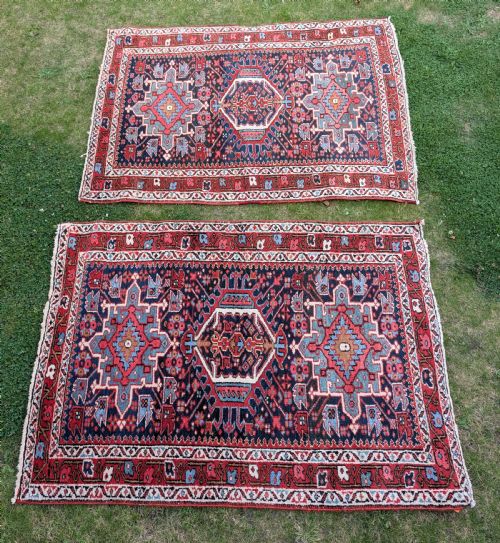
Regional attribution relies on examining structural characteristics, colour palettes, wool qualities, and specific motif arrangements. Baluchi and Afshar pieces often display deep indigo fields and intricate geometric medallions.
Caucasian and Anatolian rugs frequently employ bolder primary colours and starker rectilinear patterns. Comparing edge finishes and knotting styles clarifies the likely place of origin.