
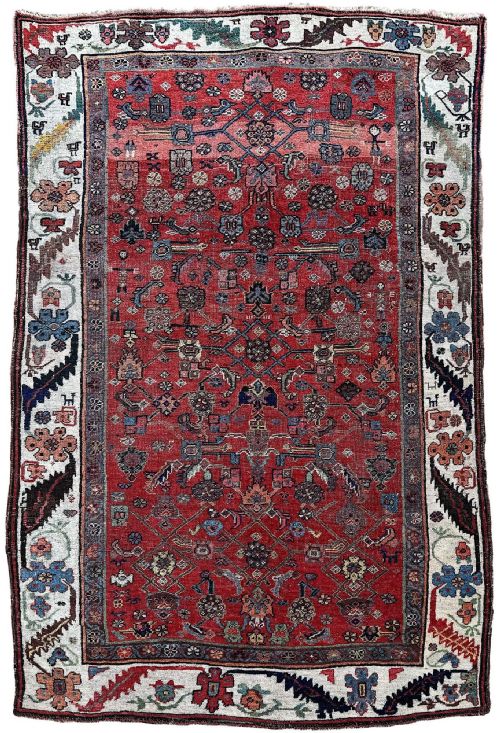
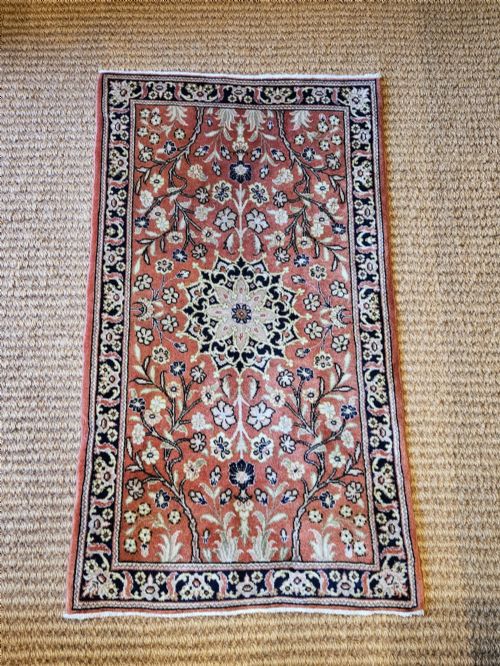
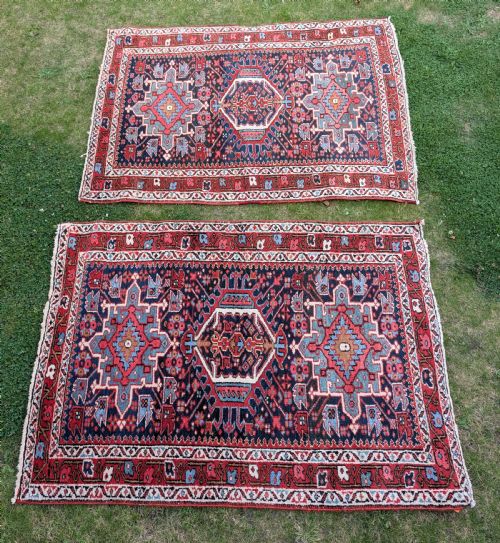
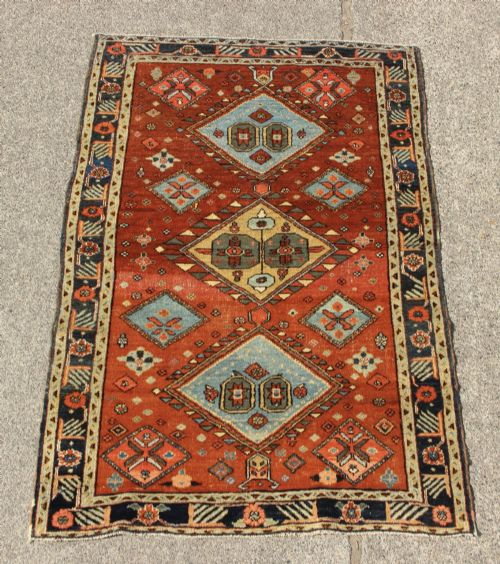

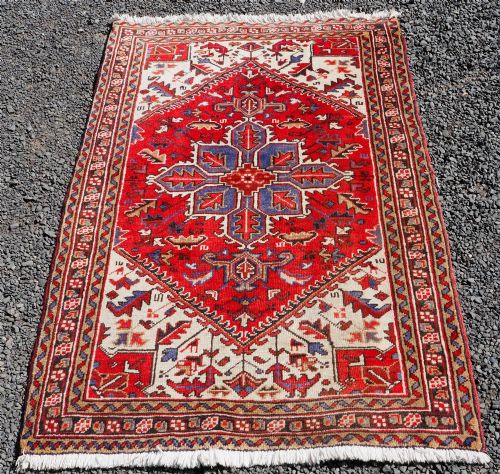
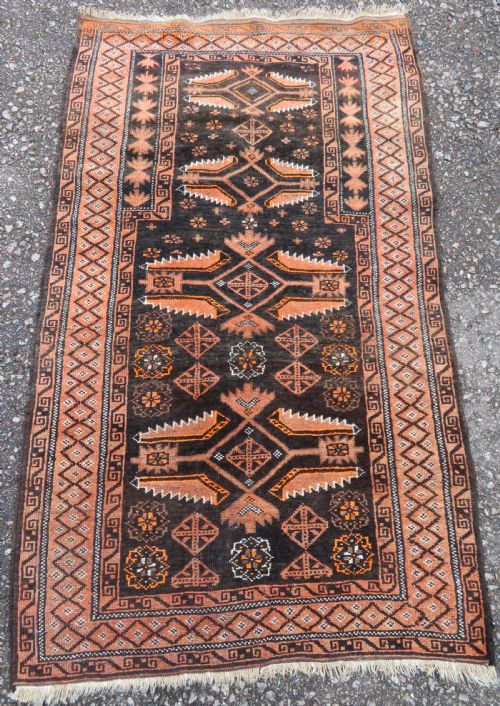
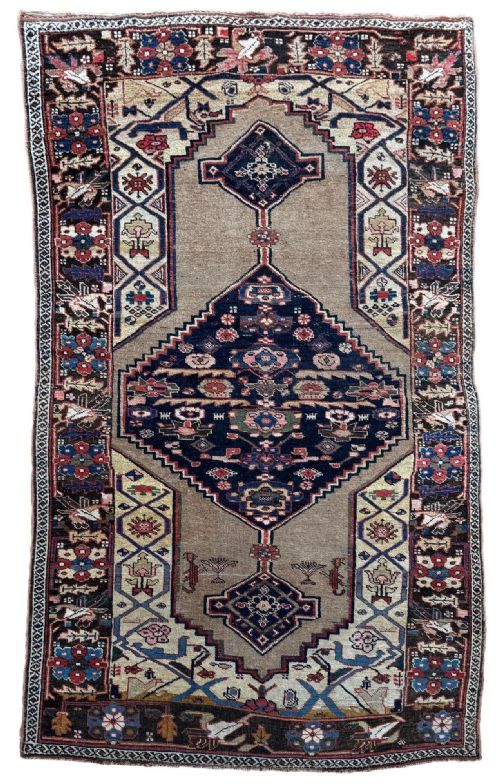
Small Persian Carpet
A small persian carpet brings decades of wool, dye, and village craftsmanship directly to your floor.
Small Persian Carpet
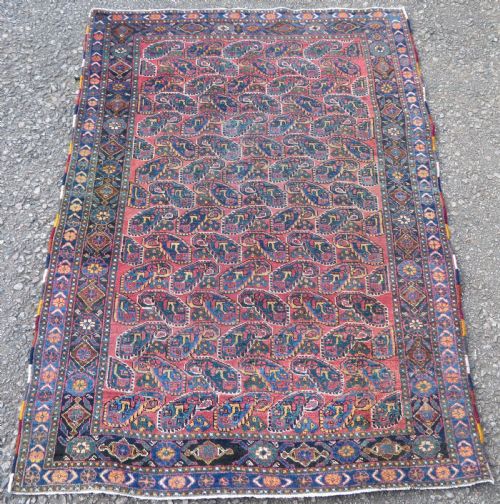
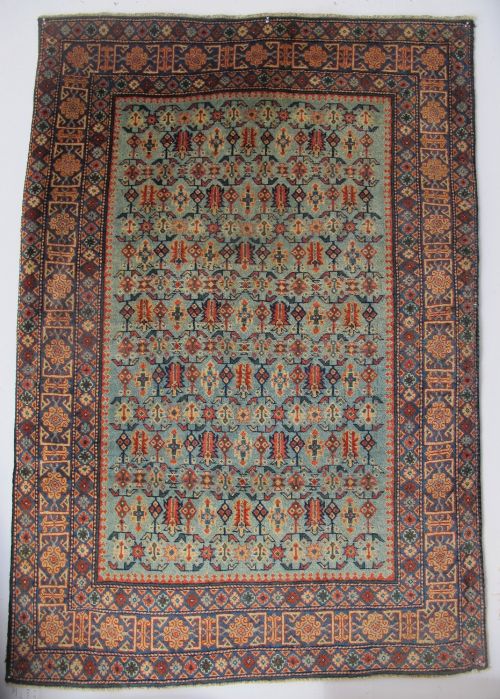
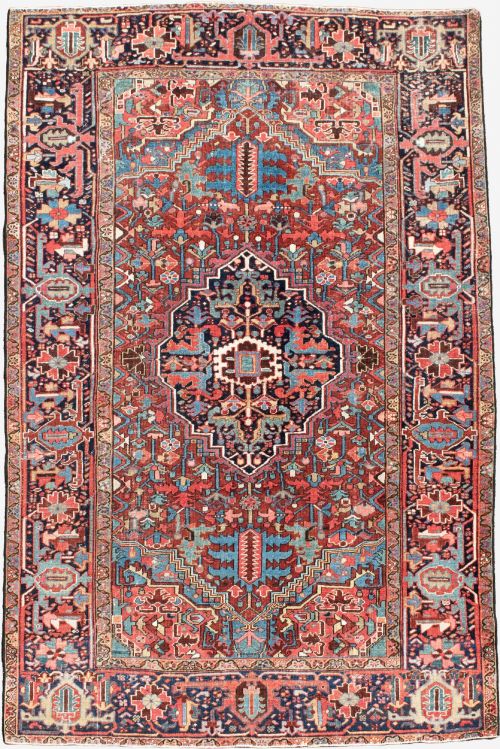
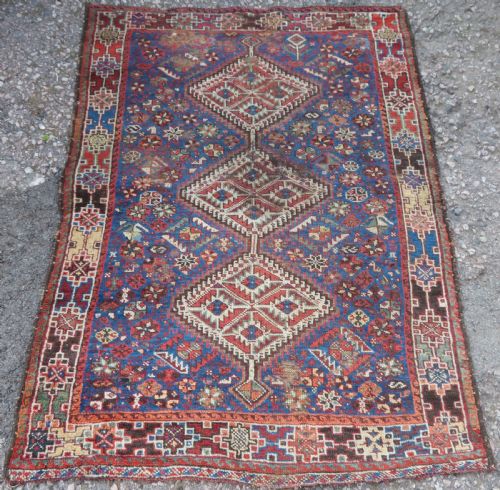
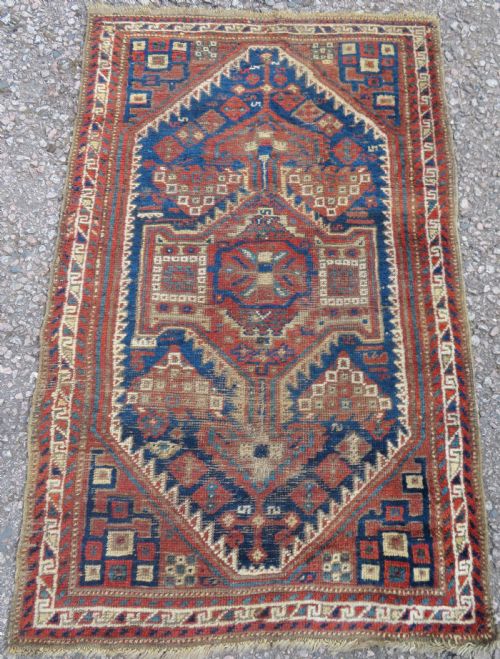
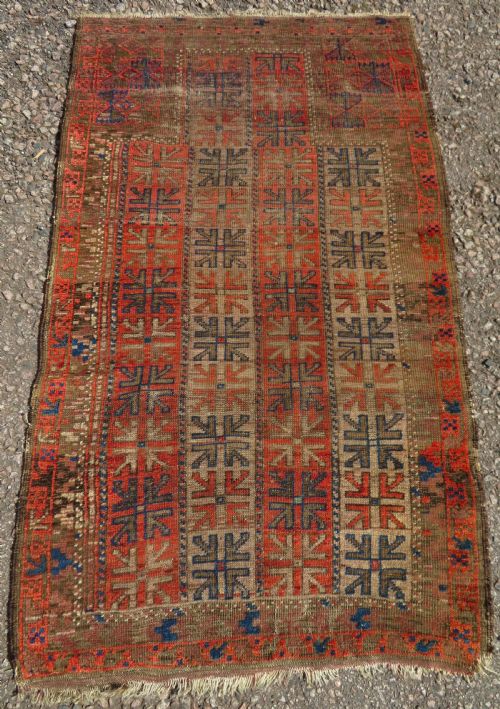
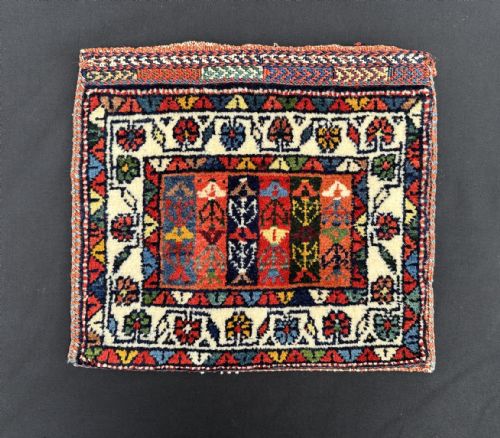
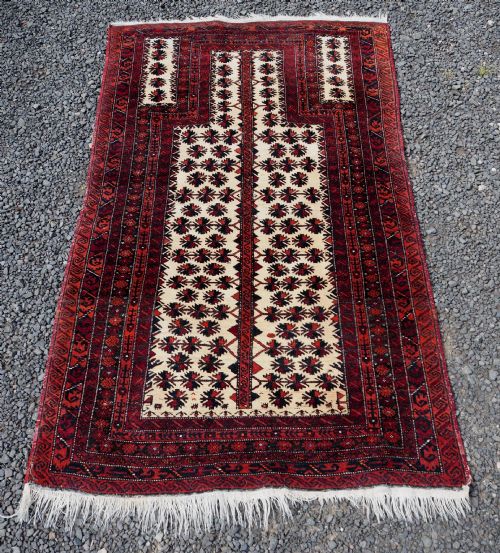
When you search for a small persian carpet, you are looking at handwoven textiles originating from various villages, towns, and nomadic tribes across Persia and neighbouring regions. These pieces include hearth-sized rugs, prayer rugs, runners, and compact carpets dating from the late nineteenth century into the early twentieth century.
The variety spans distinct regional aesthetics, from the geometric patterns of Heriz and Bidjar to the tribal motifs of Afshar, Baluch, and Khamseh weavers. You will regularly encounter village works showing characteristic motifs passed down through generations of makers.
Village and tribal formats dominate the selection, offering smaller dimensions suited to entryways, studies, and smaller reception rooms. These works bridge the gap between utilitarian floor coverings and collectible textile art.
Materials and construction
The foundation relies primarily on hand-spun wool and cotton warps, providing structural stability to the textile. Weavers knotted the pile by hand, utilising natural dyes derived from plants and minerals that create deep, rich colour palettes.
Nomadic and village workshops employed upright or horizontal looms, producing dense pile structures designed to withstand heavy daily use. The interplay between wool quality and natural dye saturation determines how the surface reflects light over time.
Small Persian Carpet Retail Price Guide 2026
Typical asking prices for small persian carpet among the pieces listed under this phrase on Sellingantiques today, from the lower quarter to the upper quarter. They describe what is for sale here now, not the wider market.
Some tribal prayer rugs include small protective amulets woven directly into the border to ward off the evil eye.
Assessing quality
Quality rests on knot density, the precision of the tribal or village design, and the clarity of the natural dyes. Tighter knotting allows for sharper geometric lines and finer pictorial details across the rug surface.
The handling of the wool and the depth of the palette separate standard village production from exceptional collector pieces. Even patinated or distressed surfaces retain value if the underlying wool retains its lanolin and the dyes remain vibrant.
The Small Persian Carpet Glossary
- Warp
- The stationary vertical strings stretched on a loom upon which the pile knots are tied. It forms the structural skeleton of the rug and often shows at the fringe ends.
- Weft
- The horizontal threads passed through the warps after each row of knots to bind them tightly in place. Heriz and Bidjar structures often utilise specific weft insertion techniques.
- Natural Dyes
- Colourants extracted from plants, insects, and minerals before the advent of synthetic alternatives. These dyes mellow gracefully over decades of exposure.
- Prayer Rug
- A textile featuring a distinct mihrab or arch design indicating the direction of prayer. These compact rugs were traditionally used for daily personal devotion.
- Pile
- The upright cut ends of the knotted yarn that form the usable surface of the carpet. Its thickness and wool quality dictate the tactile feel underfoot.
Small Persian Carpet: Frequently Asked Questions
How do I clean a vintage rug?
Surface dirt is best managed through gentle suction using a vacuum without a rotating brush bar. Professional textile conservators should handle deep washing to protect natural wool and traditional dyes.
Avoid chemical spot cleaners or excessive moisture, which can weaken the cotton foundation and alter historical colour tones.
Where should I place a small carpet?
These compact dimensions suit low-traffic areas like bedside floors, reading corners, or narrow hallways. They add warmth and texture without overwhelming a modest floor space.
Placing a breathable underlay beneath the textile prevents slipping and reduces friction between the wool and the floorboards.
How do I identify a tribal rug?
Tribal pieces display asymmetrical or geometric motifs originating from nomadic groups rather than urban workshops. Irregularities in the weave and spontaneous colour shifts often indicate nomadic production.
Common tribal identifiers include stylized animals, repeating medallions, and camel-hair wool elements found in Afshar and Baluch work.
What causes antique wool to wear?
Decades of foot traffic gradually compress the wool pile, exposing the underlying foundation threads in high-use zones. Natural loss of pile through age is a normal part of a textile's historical evolution.
Lanolin content within hand-spun wool helps maintain fibre flexibility and resilience against environmental dryness.