

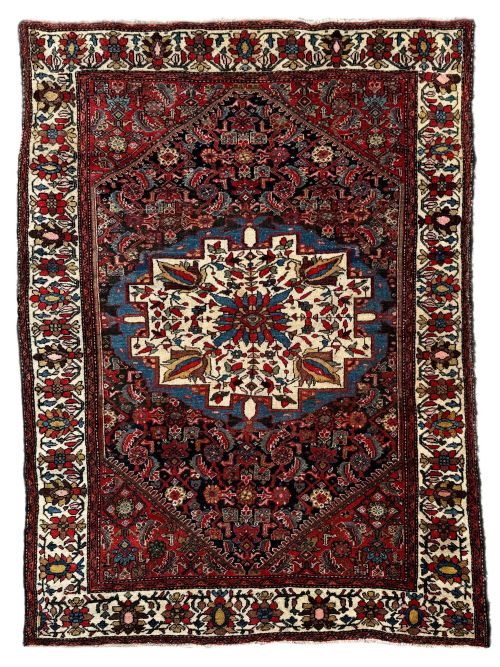
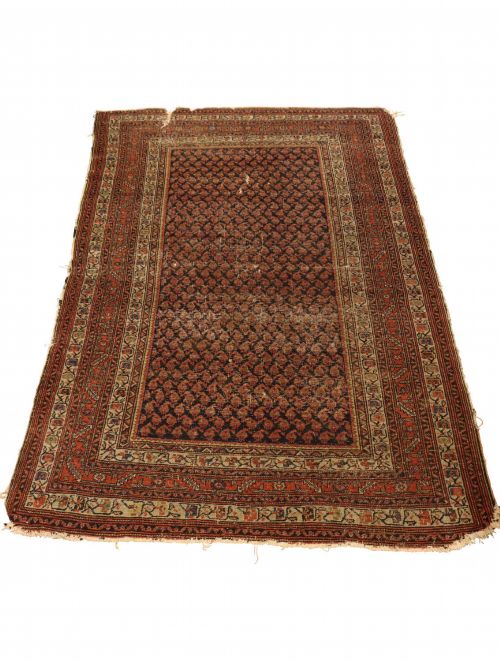
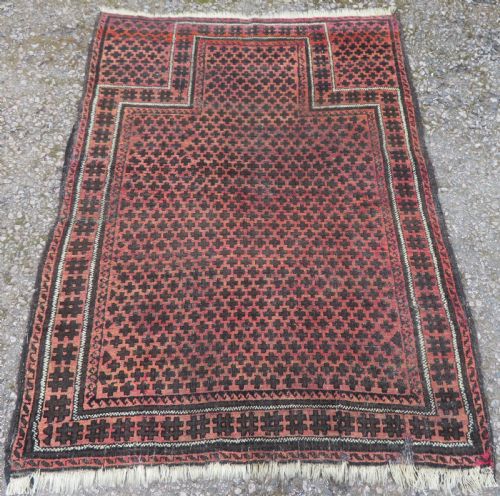

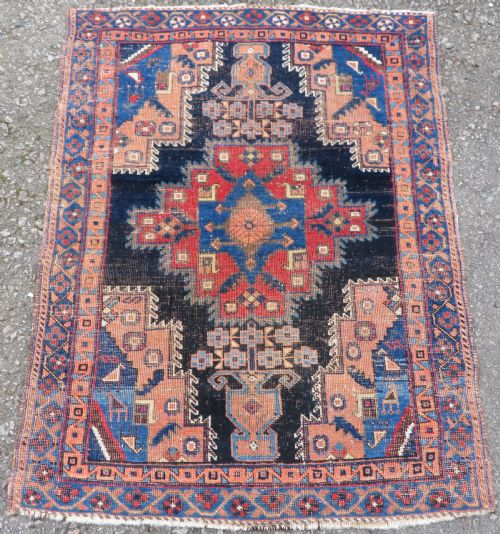
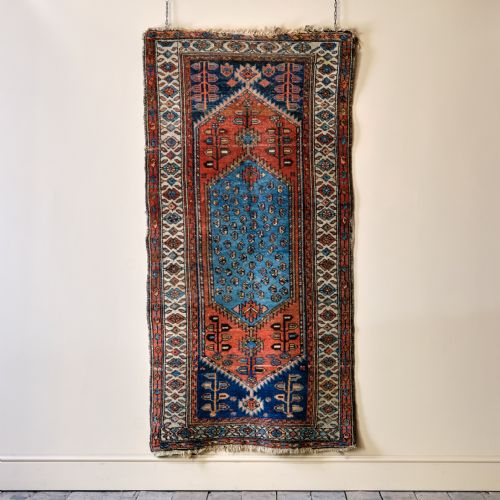

Persian Hearth Rug
These persian hearth rug examples are decorative floor coverings offering traditional warmth and pattern.
Persian Hearth Rug
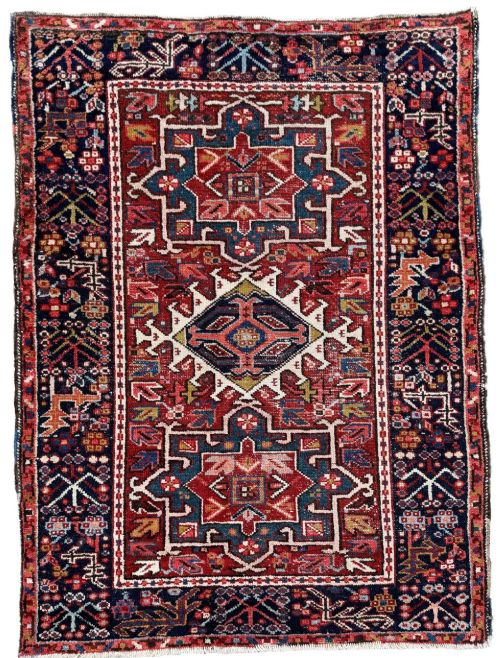
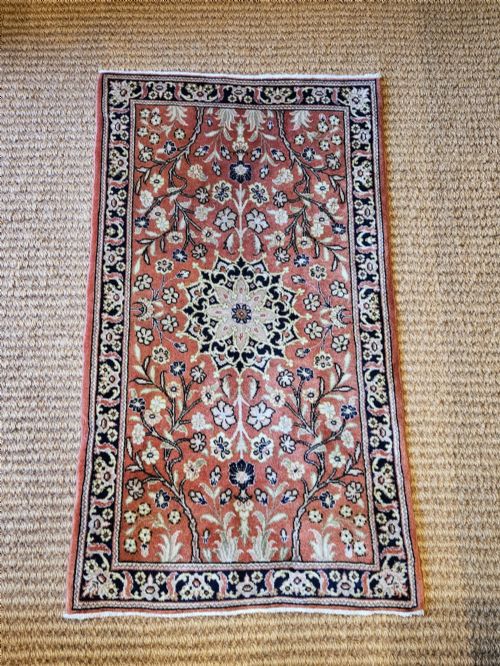
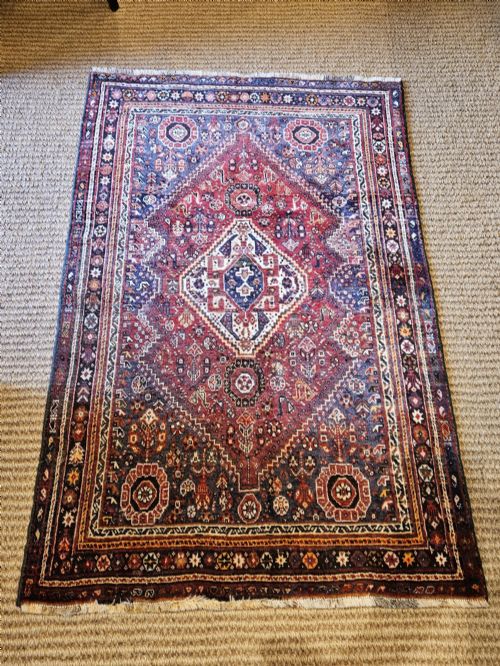
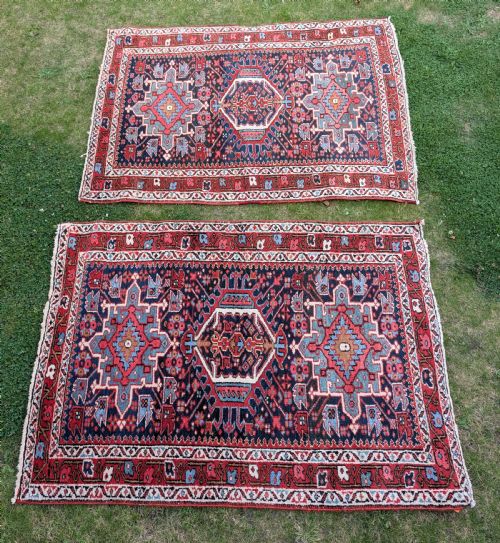
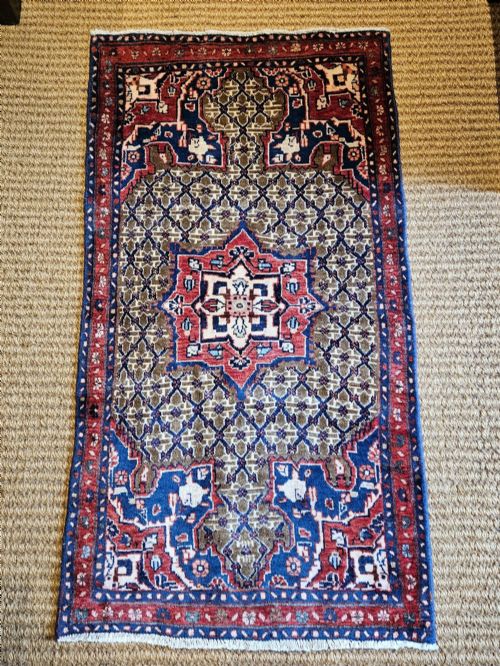
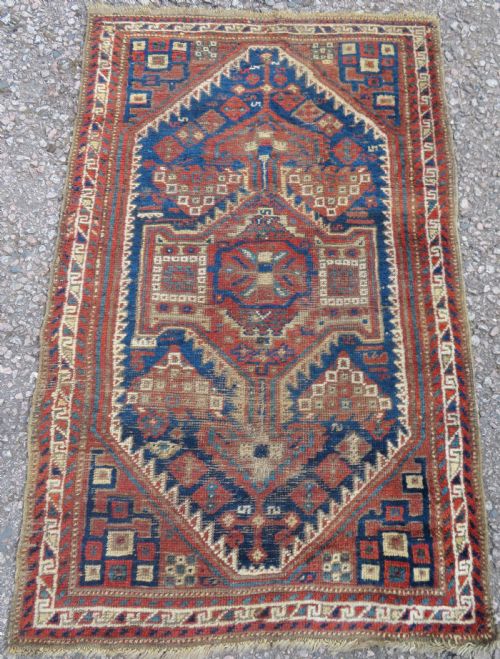
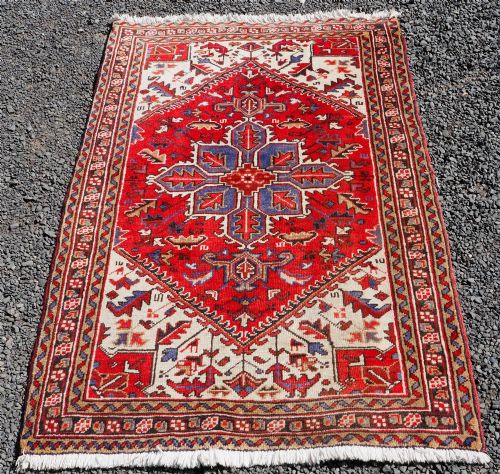
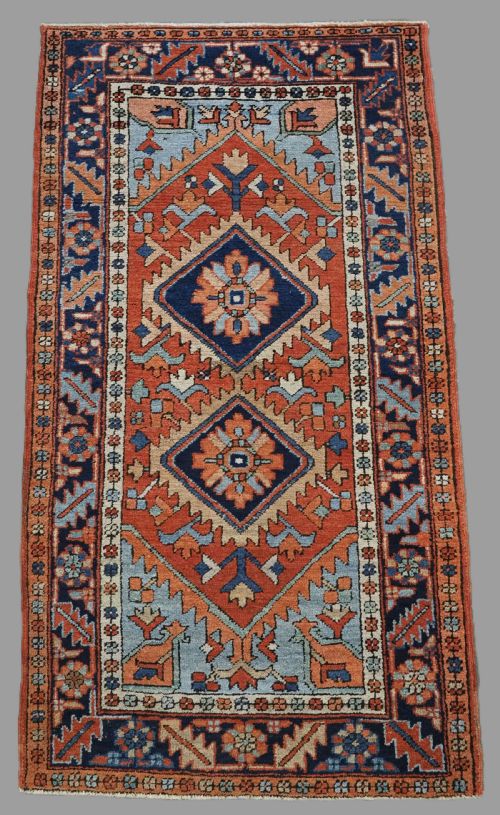
A persian hearth rug provides a floor covering designed specifically for warmth and decorative effect in living spaces. These pieces span the nineteenth and early twentieth centuries, capturing traditional weaving traditions from the region.
Buyers encounter formats including rugs, area rugs, and rug runners suited for placement before fireplaces or within smaller rooms. Examples date across periods such as eighteen ninety, nineteen hundred, and nineteen twenty.
Origin classifications include specific regional styles such as Sarouk and Malayer alongside broader North-West Persian designations. Each piece brings distinct patterns and textures rooted in these historical origins.
How they were made
Makers utilised natural materials, combining wool pile with cotton foundations to create durable and flexible floor coverings. These traditional fibres ensured longevity through decades of daily use.
Weavers knotted the wool yarn by hand onto cotton warp and weft threads, developing intricate geometric and floral motifs. The resulting textiles reflect meticulous regional craftsmanship and time-honoured techniques.
Persian Hearth Rug Retail Price Guide 2026
Typical asking prices for persian hearth rug among the pieces listed under this phrase on Sellingantiques today, from the lower quarter to the upper quarter. They describe what is for sale here now, not the wider market.
One sweet North-West Persian specimen measures less than a metre across, perfect for a cozy corner.
What varies in quality
The fineness of the knotting separates standard production from superior examples, dictating the crispness of the woven design. Finer knot counts allow for intricate detailing and smoother surfaces.
The selection of wool grade influences the tactile feel and resilience of the pile underfoot. Higher quality fleece retains richer colour depth and wears more evenly over time.
The Persian Hearth Rug Glossary
- Sarouk
- A type of Persian rug originating from the village of Sarouk in central Iran, known for dense foundations and floral patterns. These pieces often feature finely spun wool and rich dye palettes.
- Malayer
- A style of rug hailing from the Malayer region in western Iran, combining geometric medallions with village charm. Weavers here frequently employed diverse colour combinations.
- Warp
- The vertical cotton threads stretched across the loom that form the structural foundation of the rug. Every knot is tied around these stationary cords.
- Weft
- The horizontal threads passed between warp rows to secure the knots in place. This technique locks the wool pile firmly within the textile structure.
Persian Hearth Rug: Frequently Asked Questions
Where should I place a hearth rug?
These rugs traditionally sit directly in front of a fireplace to protect flooring from stray embers while adding warmth to the hearth area. They also function effectively as compact area rugs in hallways or smaller rooms.
Their scaled dimensions allow them to fit narrow spaces where standard room-sized carpets prove too large. Positioning them away from heavy foot traffic preserves the pile over time.
How do I care for antique wool rugs?
Vacuuming with gentle suction prevents dust accumulation without catching the hand-knotted pile. Professional cleaning ensures the natural wool fibres remain supple and undamaged.
Avoiding direct, prolonged sunlight prevents the natural dyes from fading prematurely. Rotating the rug periodically promotes even wear across the surface.
What defines a North-West Persian rug?
This classification encompasses village and tribal weaving traditions from the mountainous northern regions of Iran. Designs often incorporate stylized geometric motifs and bold medallions rather than courtly curves.
These pieces reflect the distinct cultural aesthetics of local weaving communities working around the turn of the twentieth century.
How do I identify the age of these rugs?
Dating relies on examining structural characteristics, materials, and stylistic motifs typical of periods around eighteen ninety to nineteen twenty. Natural dye variations and hand-spun wool textures provide further clues to historical manufacture.
Comparing knot construction and regional patterns against documented examples helps narrow down the probable era of creation.