

Handwoven Area Rug
A handwoven area rug brings tactile depth to a floor through dense wool and goat hair construction.
Handwoven Area Rug
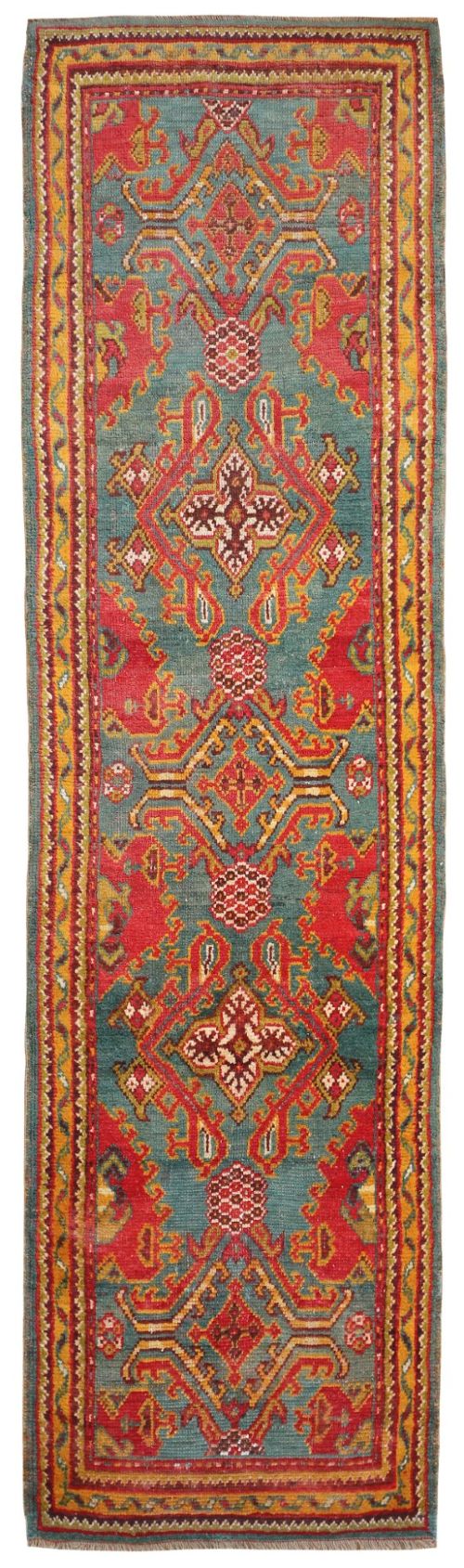
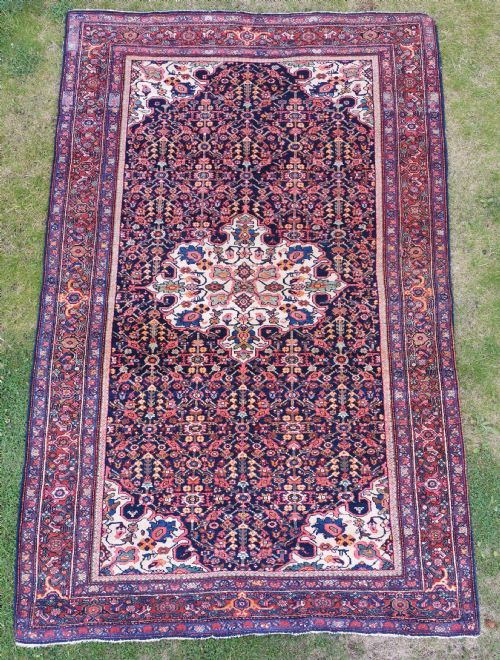
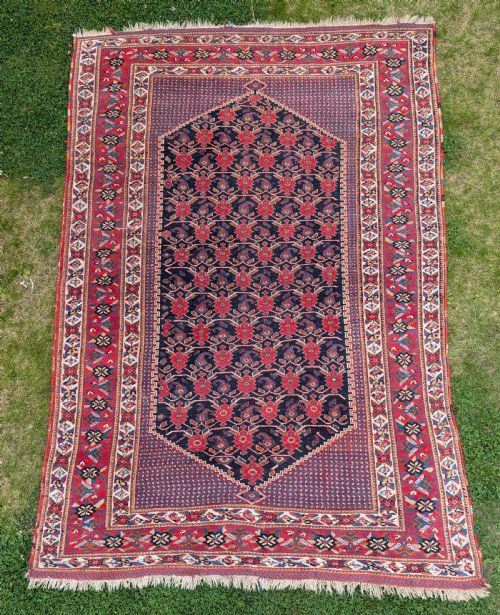
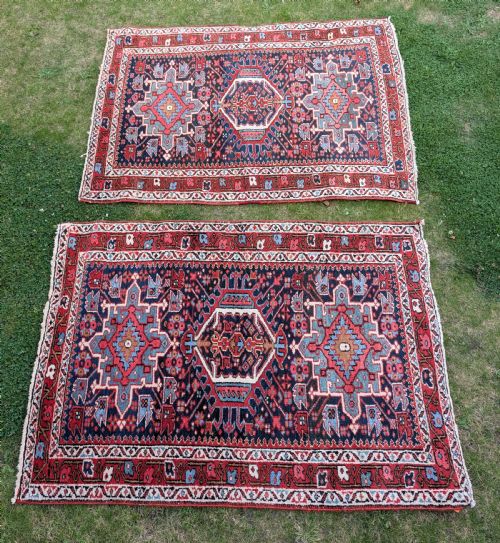
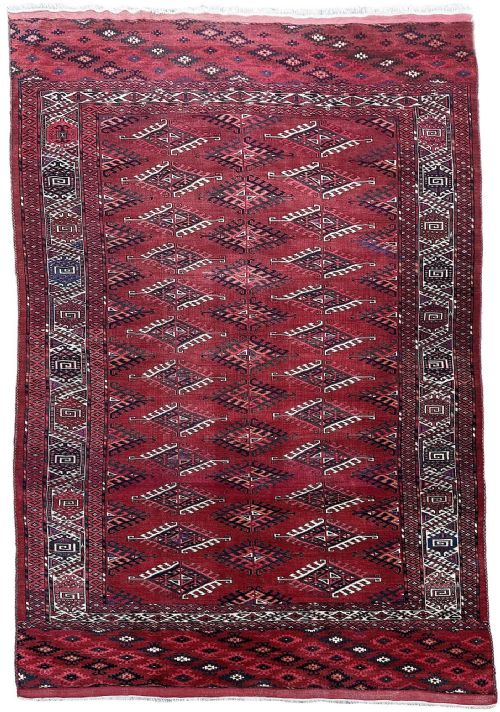
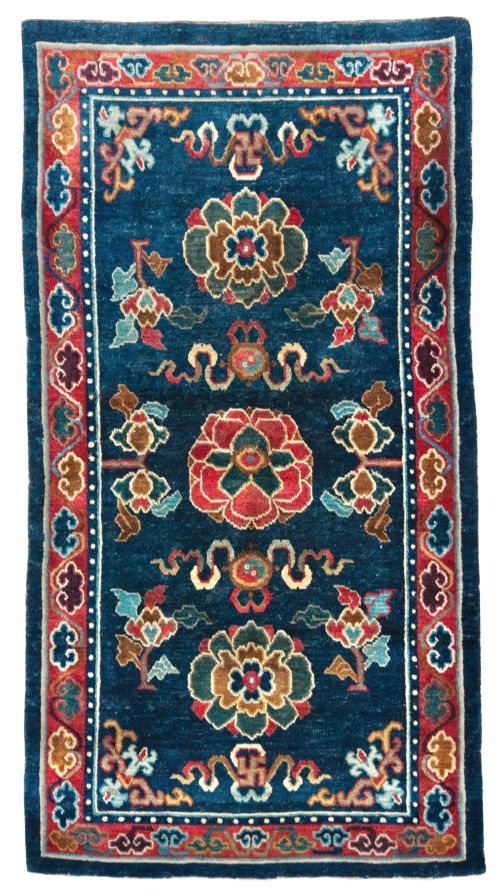
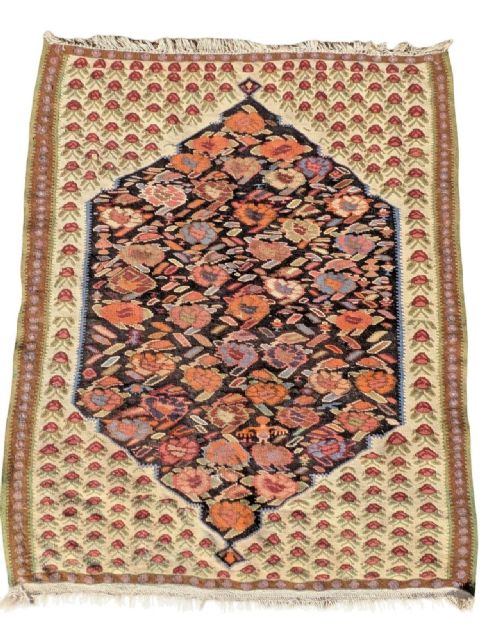
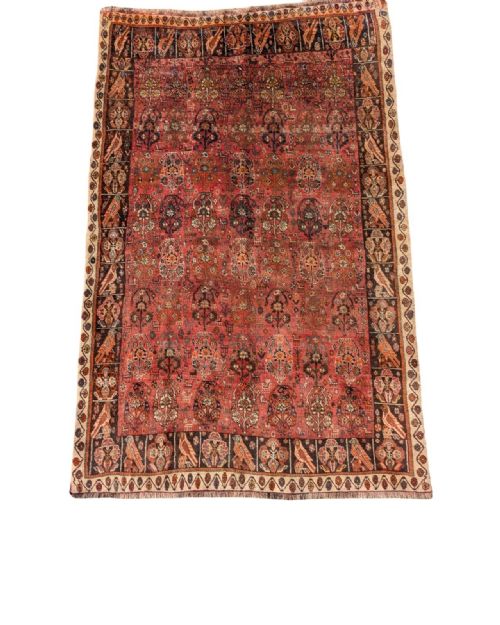
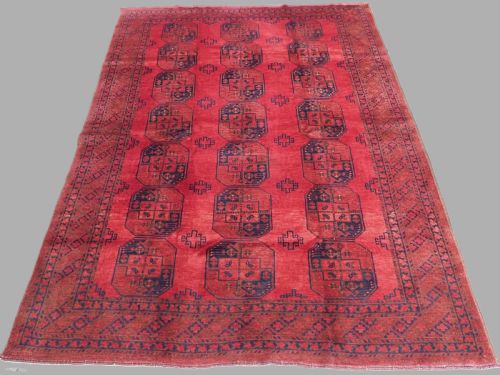
A handwoven area rug provides a foundational textile layer for a room, utilising traditional regional designs and sturdy textiles. When searching for a handwoven area rug, a buyer encounters pieces originating from periods spanning the late nineteenth century through to the early twentieth century. These items include both compact floor coverings and long runner formats.
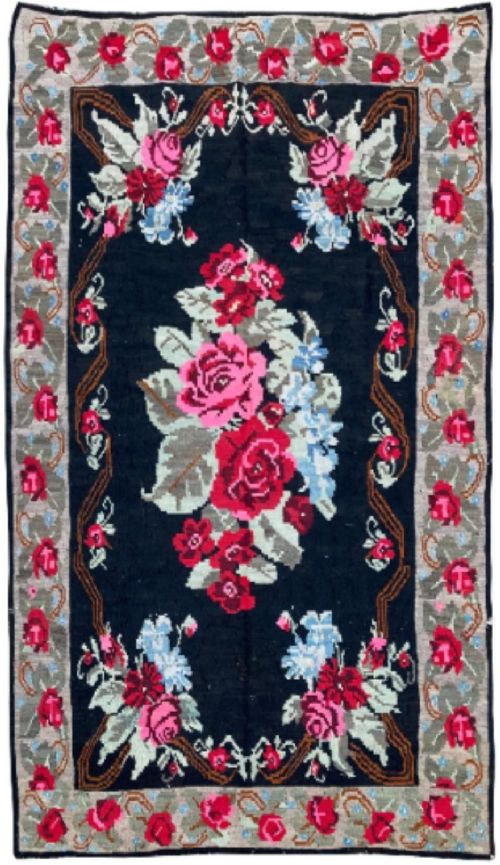
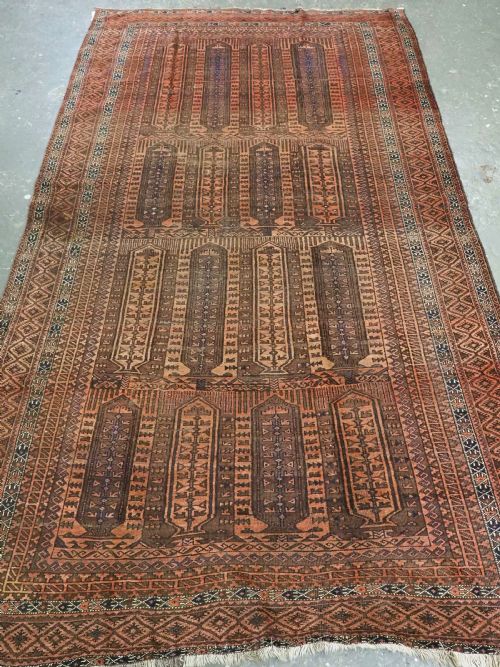
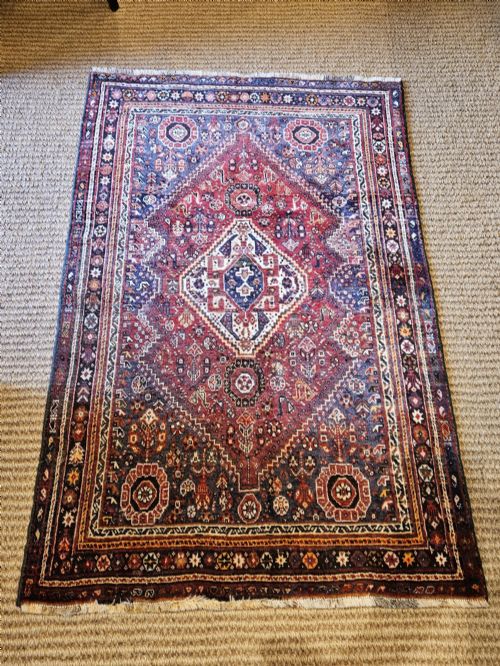
The selections on this page showcase distinct regional identities such as Caucasian, Anatolian Tribal, and traditional Persian styles. Forms range from village carpets featuring animal and peacock motifs to finely patterned city weaves like Tabriz rugs. Most examples draw upon tribal and nomadic traditions that emphasise geometric precision or flowing floral layouts like the Herati design.
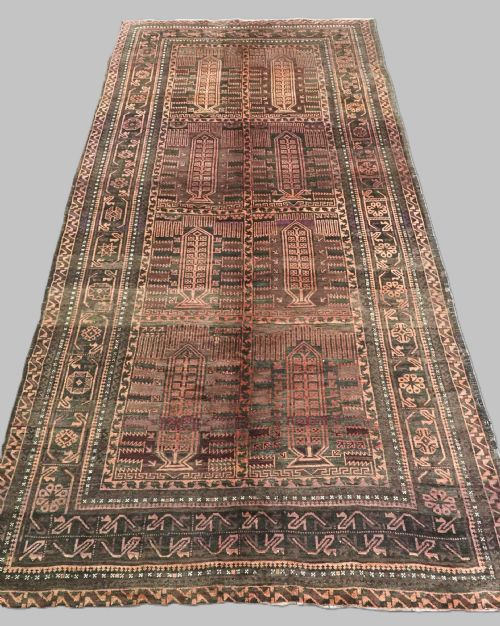
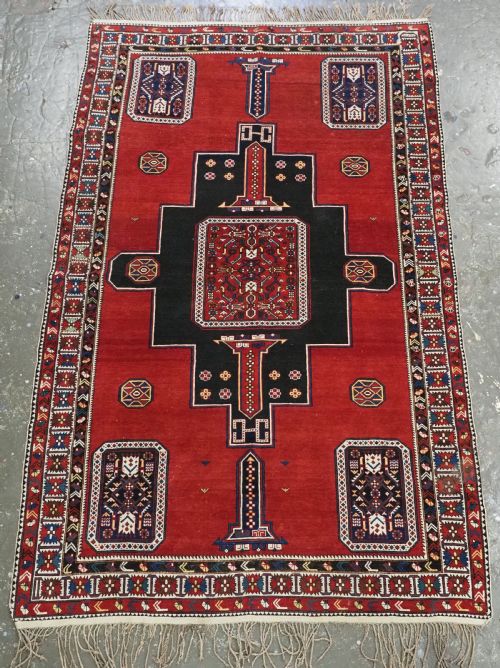
Moghan Kazak, Bidjar, Baluch, and Luri pieces represent the primary regional varieties available. Each piece carries the distinct structural choices of its maker, distinguishing village workshops from nomadic output. These textiles serve both functional floor use and decorative display.
How they were made
Construction relies primarily on natural wool and cotton materials, occasionally incorporating goat hair for added durability. Weavers utilise manual looms to build each textile knot by knot or through flatweave techniques.
The assembly process involves intensive hand labour, creating strong foundations that support complex surface patterns. Dyes and structural fibres reflect the local resources available to the makers during the periods of production.
Handwoven Area Rug Retail Price Guide 2026
Typical asking prices for handwoven area rug among the pieces listed under this phrase on Sellingantiques today, from the lower quarter to the upper quarter. They describe what is for sale here now, not the wider market.
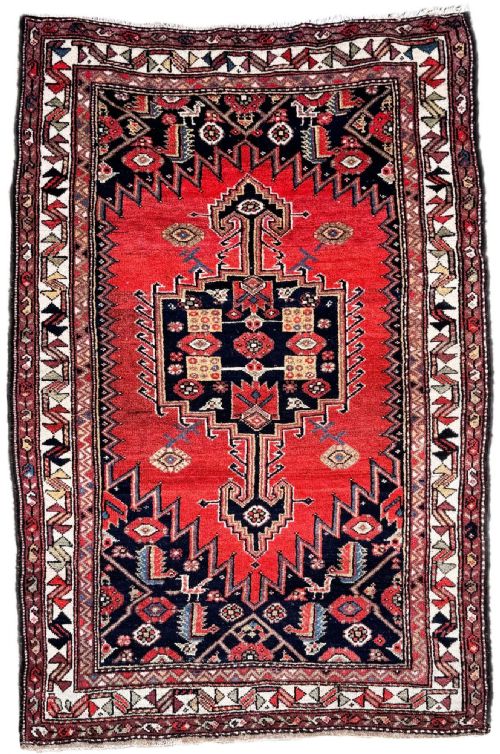
Peacocks and assorted animals gaze out from the geometric fields of select Caucasian design rugs.
What varies in quality
Quality separates along the precision of the weave and the complexity of the design layout. Finer examples display tighter knot counts and sharper geometric or floral definition across the surface.
Materials also dictate the grade of the textile, with resilient wool and secondary cotton foundations contributing to longevity. The clarity of regional motifs and the balance of the overall composition distinguish superior pieces from simpler village work.
The Handwoven Area Rug Glossary
- Runner rug
- A long and narrow carpet format designed primarily for hallways or corridors. These pieces adapt well to restricted floor spaces.
- Kilim
- A flatweave textile produced without pile by tightly interweaving warp and weft threads. This technique creates a lightweight and reversible fabric.
- Herati design
- A repeating traditional pattern featuring a central floral motif enclosed within a lozenge and surrounded by four acanthus leaves. This layout appears frequently in Persian carpets.
- Warp
- The vertical threads stretched onto a loom that form the structural skeleton of the rug. Fringe ends typically consist of these extended foundation threads.
- Weft
- The horizontal threads passed through the warp to secure the knots and bind the structure together. Proper beating of the weft ensures a compact textile.
Handwoven Area Rug: Frequently Asked Questions
Where did these rugs originate?
Origin points include various weaving regions across the Caucasus, Anatolia, and Persia. Specific village and tribal groups developed distinct local patterns.
Production methods and material choices often trace back to these specific geographic traditions.
How do I care for a wool rug?
Regular gentle vacuuming without a rotating brush roll prevents dust accumulation within the pile. Professional cleaning maintains the integrity of natural wool and cotton fibres.
Keeping the textile out of direct sunlight helps preserve the natural dye colours over time.
What is a flatweave?
A flatweave is constructed without a raised pile surface by interlocking warp and weft threads directly on the loom. This produces a thinner, reversible textile.
Styles such as the Half Kilim Kelim utilise this method to create lighter floor coverings.
How can I date an antique rug?
Dating relies on stylistic analysis, material composition, and structural characteristics typical of specific production decades. Examining the weave density and regional motifs provides context.
Historical records and stylistic evolution help narrow down the period of manufacture.