



Handled Ceramic Urn
A handled ceramic urn brings classical form and domestic utility together, offering distinctive twin handles and substantial vessel bodies across multiple centuries.
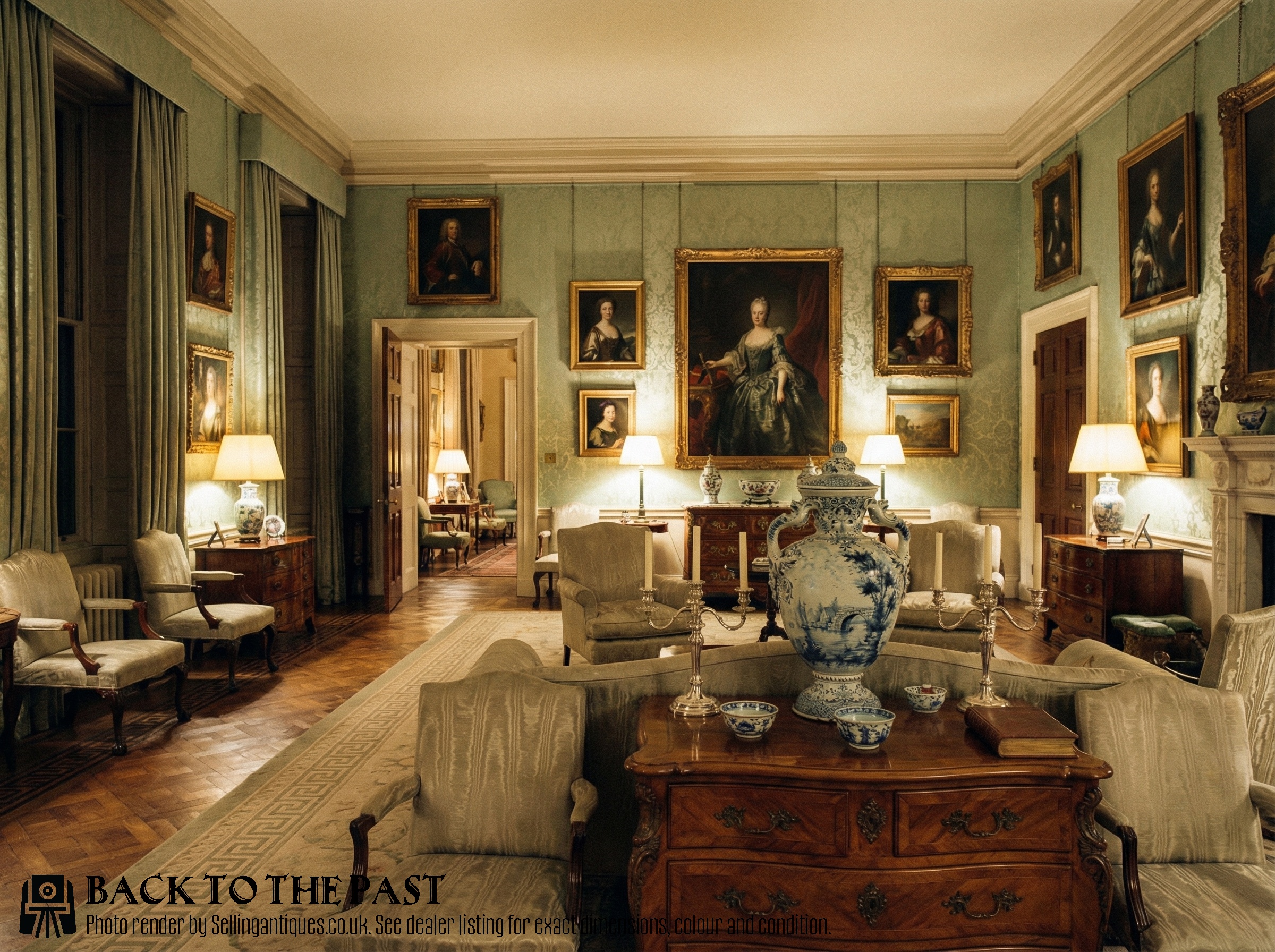
Handled Ceramic Urn
A handled ceramic urn encompasses vessels intended for display, storage, or table use, originating across English, French, Austrian, Italian, Japanese, and Chinese workshops.
The selections on this page span from the eighteenth century through the Edwardian period, moving through Regency elegance, Victorian ornamentation, and Art Nouveau curves.
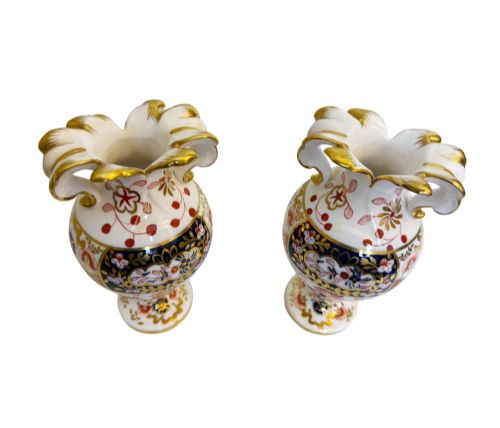
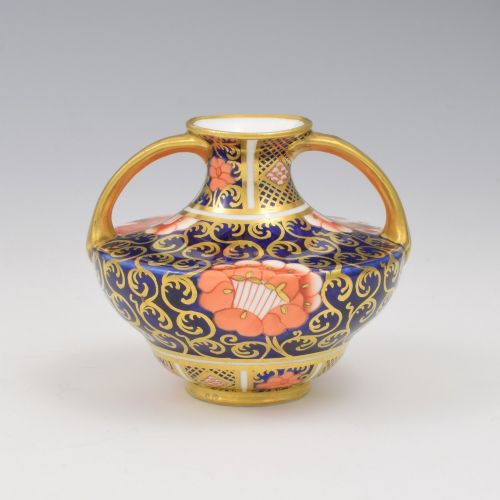
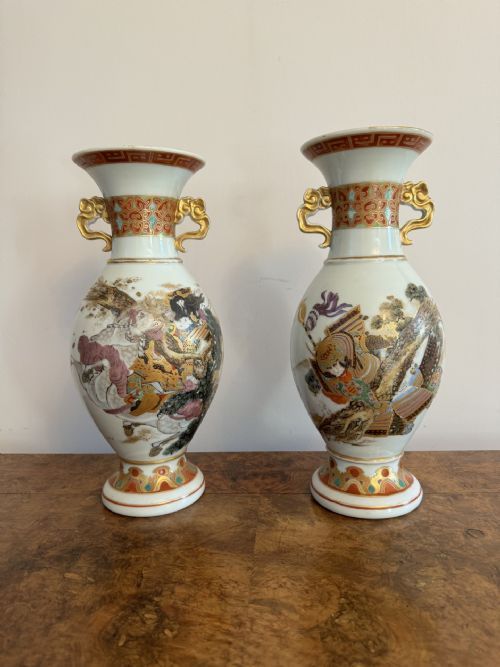
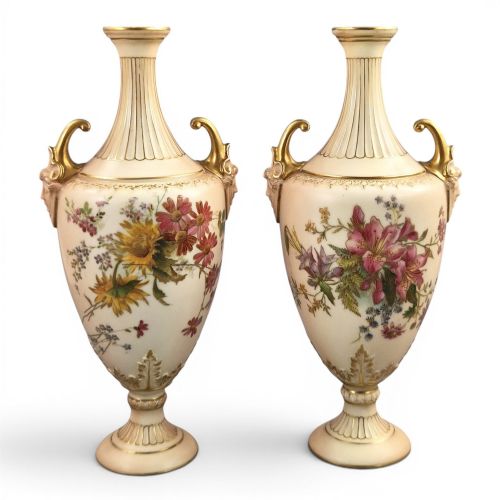
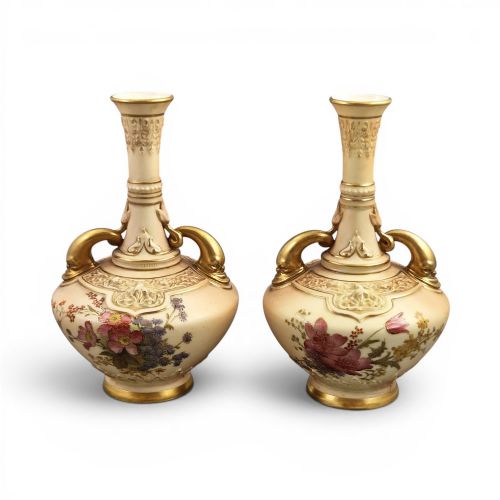
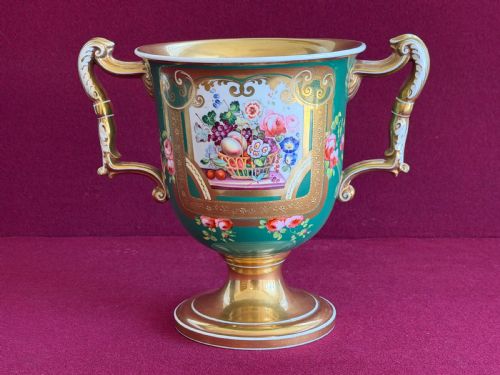
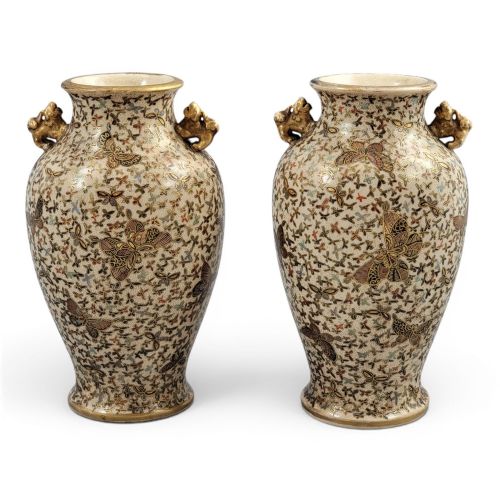
Visitors encounter everything from earthenware oil jars and majolica to fine porcelain loving cups, moon flasks, and twin-handled decorative vases.
Materials and Techniques
Potters utilised earthenware, terracotta, ironstone, faience, and porcelain bodies, often shaping large oil jars, confit pots, and classical vases on the wheel or in moulds.
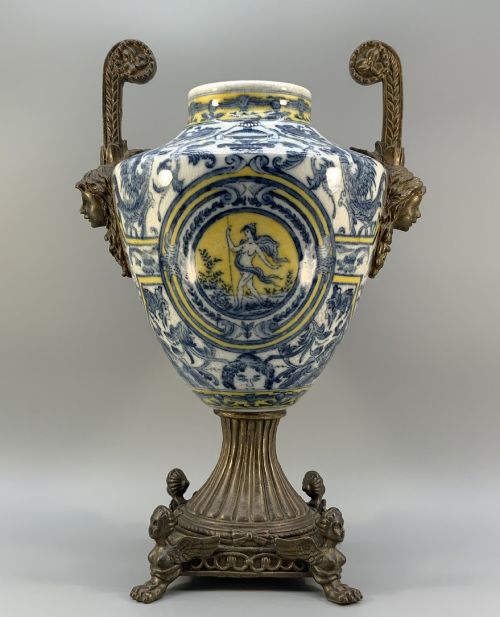
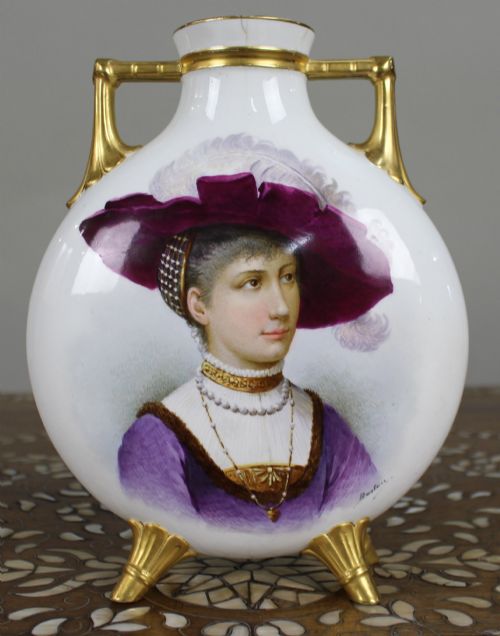
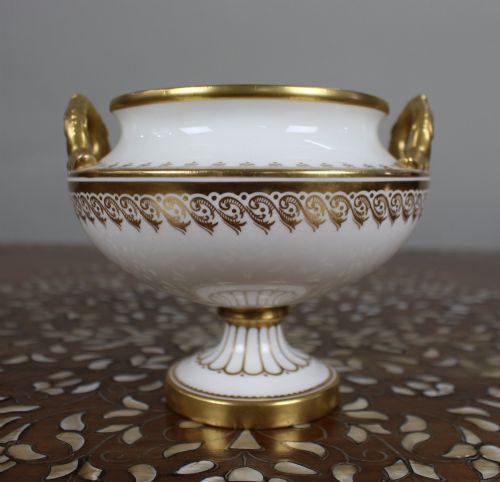
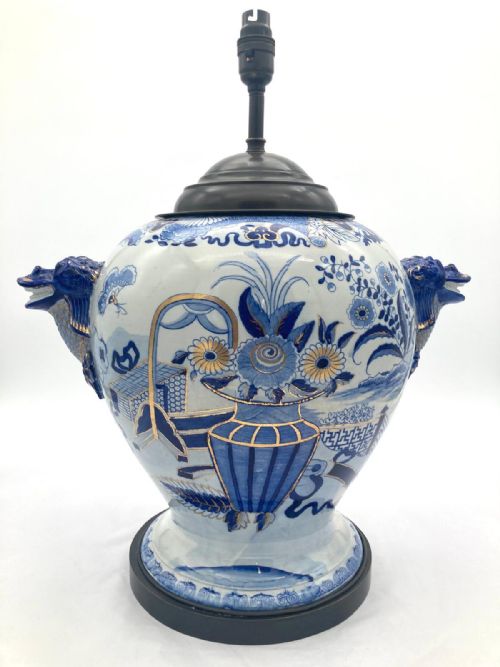
Makers applied white glazes, blue transfer prints, enamel painting, and rich hand-gilding with gold leaf, sometimes incorporating bronze mounts and raised enamel details.
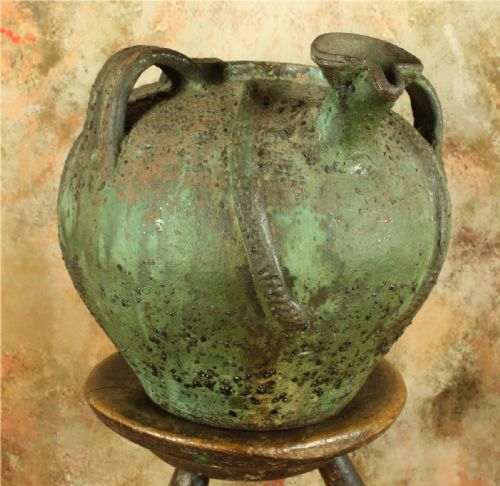
Firing techniques allowed for blush ivory surfaces, deep copper-green glazes, and intricate polychrome transfer work across diverse international kilns.
Several vessels disguise their domestic oil-storing origins with grand classical handles and fine hand-painted birds.
Craftsmanship and Execution
Excellence resides in the precision of the hand-painted decoration, where named artists and premier factories achieve remarkable clarity in botanical, landscape, and figural scenes.
Superior execution shows in the balance of the applied handles and the depth of the glaze, distinguishing standard production wares from pieces designed by prominent figures.
Spode·Royal Crown Derby·Chamberlain Worcester·Hicks and Meigh·H and R Daniel·Kinzan·Makuzu Kozan·Wileman·Derby Porcelain·Christopher Dresser·Royal Worcester·Royal Doulton·William Moorcroft·Samson Paris·Kinkozan·Doulton Lambeth·Cantagalli
The Handled Ceramic Urn Glossary
- Faience
- Tin-glazed earthenware produced in various European traditions. It provides an opaque white ground suitable for painted polychrome decoration.
- Ironstone
- A heavy, durable type of earthenware patented in the nineteenth century. It resists chipping and mimics porcelain strength.
- Moon Flask
- A flat-bodied circular flask with a short neck and twin side handles. This form draws inspiration from ancient pilgrim flasks.
- Confit Pot
- A traditional French earthenware vessel featuring handles and a glazed interior. It served originally for preserving meats.
- Enamel
- Vitrified glass paste fused to a ceramic or metal surface by heat. It adds raised tactile colour and bright highlights to the design.
Handled Ceramic Urn: Frequently Asked Questions
What defines a handled ceramic urn?
A handled ceramic urn is a hollow vessel featuring one, two, or three handles attached to a symmetrical or ovoid ceramic body. These pieces serve primarily as decorative ornaments or floral receptacles rather than functional tableware.
Makers across the eighteenth, nineteenth, and early twentieth centuries produced them in earthenware, porcelain, and stoneware. Their designs range from classical antiquity revivals to Asian export styles and domestic European utility wares.
How were these vessels used historically?
Historical uses varied widely according to the scale and material of the specific vessel. Large earthenware jars held oil, water, or preserved foods in domestic French and Italian settings, while fine porcelain urns adorned grand mantelpieces.
Export pieces and studio wares fulfilled purely aesthetic functions in Victorian and Edwardian drawing rooms. Some specialised forms, such as loving cups, played a part in communal toasts and celebratory gatherings.
How do I identify the period of an urn?
Dating relies on examining the clay body, glaze characteristics, and decorative style alongside any factory marks or registry numbers. Eighteenth-century pieces often display hand-thrown irregularities and soft underglaze or painted palettes.
Nineteenth-century examples frequently incorporate transfer printing, gilt highlights, and historic revival motifs such as Renaissance or classical forms. Edwardian and later pieces shift towards softer blush ivory grounds, art pottery glazes, and flowing organic contours.
How should I care for a ceramic urn?
Preserving these pieces requires placing them away from direct sunlight and sudden temperature shifts to protect fragile glazes and hand-painted enamels. Dusting should be done gently with a dry, soft cloth without applying liquid cleaners.
If the vessel holds water for flowers, placing a small glass or plastic liner inside prevents moisture from seeping into porous historic earthenware or crackled glazes.