


Hand Woven Floor Mat
A hand woven floor mat brings centuries of nomadic design and intricate knotting traditions directly to your living space.
Hand Woven Floor Mat
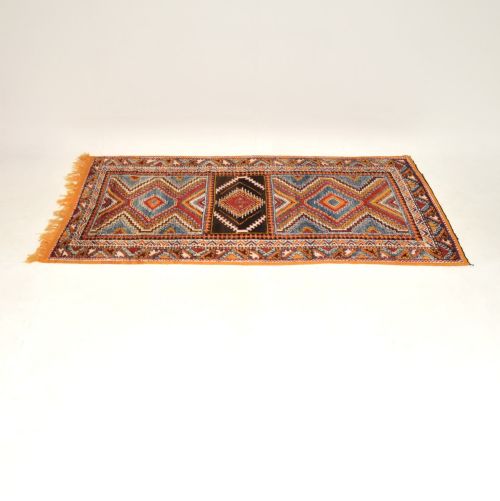
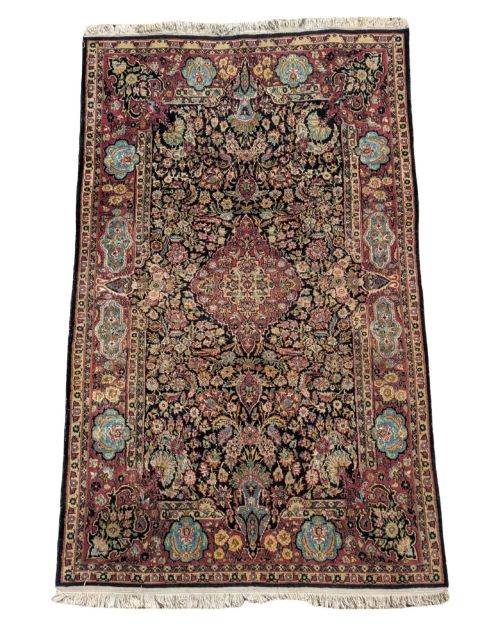
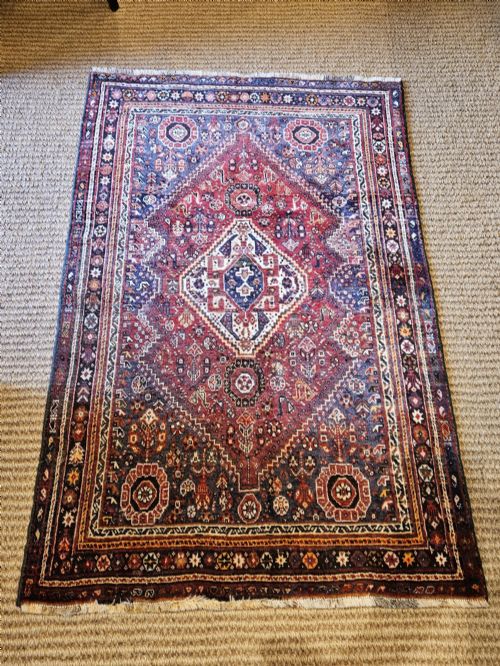
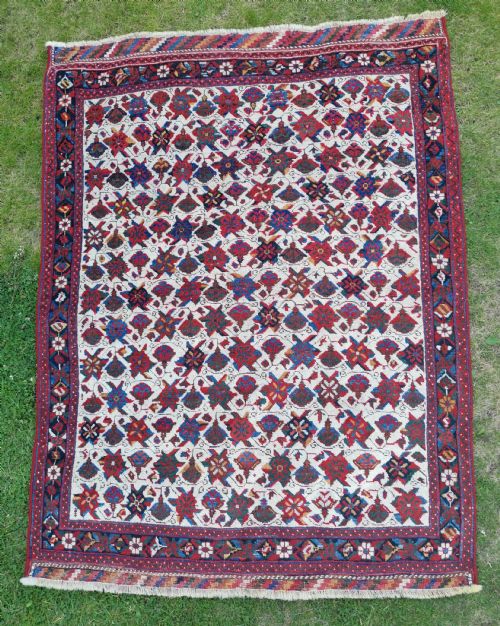
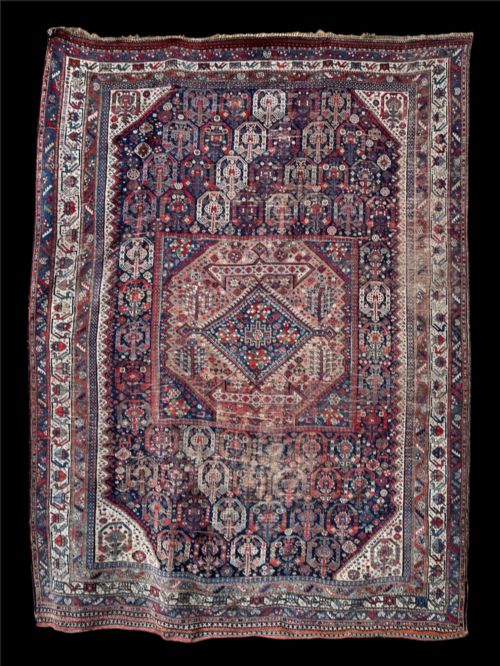
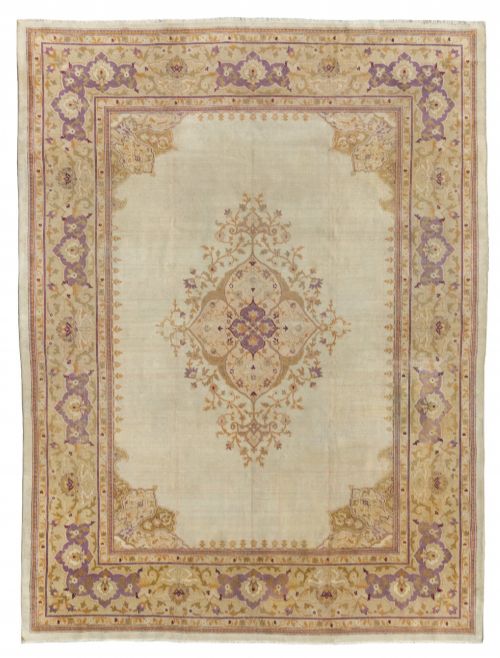
A hand woven floor mat encompasses traditional rugs and carpets originating from Persian, tribal, and wider Asian workshops. When searching for a hand woven floor mat, buyers encounter pieces spanning the late nineteenth century through to the 1930s. These floor coverings include large carpets, hallway runners, square formats, and functional saddlebags.
The selection ranges from Persian tribal traditions and Turkmen pieces to North Indian and Chinese examples. Village productions such as Baluch, Afshar, and Khamseh demonstrate distinct regional patterns that define the category.
How They Were Made
Maker communities constructed these textiles primarily using natural wool, cotton, and occasional silk highlights. Spinners and dyers utilised natural dyes to achieve rich colour palettes involving red, blue, and ivory tones.
Weavers employed traditional knotting and flatweaving techniques, producing structures such as soumak kilims and pile carpets. Dense foundations ensured durability for everyday domestic use.
Several nomadic weavers thoughtfully left long kilim ends on their carpets, ensuring extra fringe protection against dusty tent floors.
What Varies in Quality
Quality rests upon the precision of the weave and the complexity of the design, such as repeating gul motifs or medallion layouts. Finer examples display meticulous control over geometric or floral layouts.
The depth and stability of natural dyes distinguish standard village pieces from superior workshop productions. Well-preserved pile integrity and intact kilim ends elevate a textile's standing.
The Hand Woven Floor Mat Glossary
- Gul
- A repeating medallion motif often found in Turkmen and Baluch tribal carpets. These octagonal or polygonal symbols identify specific tribal groups.
- Soumak
- A flatweave technique involving wrapping supplementary weft threads around the warp. This method creates a durable structure with a textured surface.
- Kilim
- A tapestry-woven carpet or rug produced without a pile. These pieces rely on tightly packed horizontal wefts concealing vertical warps.
- Runner
- A long, narrow carpet format designed for hallways and corridors. This shape accommodates specific architectural passageways.
Hand Woven Floor Mat: Frequently Asked Questions
How do I clean an antique rug?
Gentle surface brushing and professional specialist cleaning maintain the integrity of natural fibres.
Avoid harsh chemical treatments that damage wool and traditional natural dyes.
Where were these carpets made?
Origins span Persian tribal regions, Central Asia, Anatolia, and Inner Asia. Nomadic confederacies and village workshops produced the majority of these textiles.
Specific regional weaving centres developed distinct structural and visual characteristics.
Can I place furniture on the rug?
Light furniture placement is generally acceptable on sturdy wool carpets. Even weight distribution prevents localized crushing of the pile.
Using a quality underlay protects the textile foundation from friction against hard flooring.
How do I identify tribal designs?
Tribal designs typically feature geometric patterns, repeating octagons, and stylized animal or plant motifs. Weaver communities passed these symbolic layouts down through generations without written templates.
Asymmetrical structures and saturated natural dye colours often signal authentic village work.