

Asian Geometric Carpet
An asian geometric carpet brings structured tribal history into a room through repeated motifs and rich regional dyeing traditions.
Asian Geometric Carpet
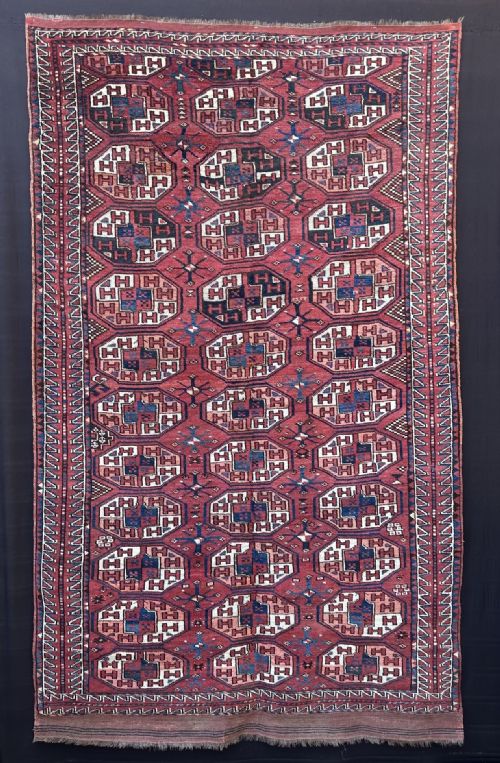
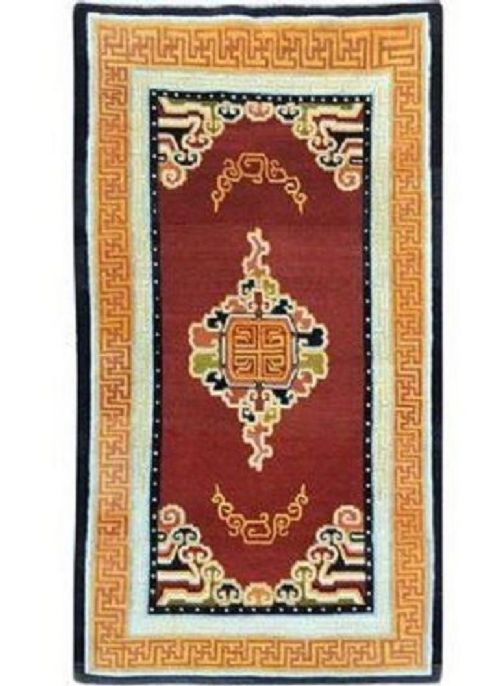
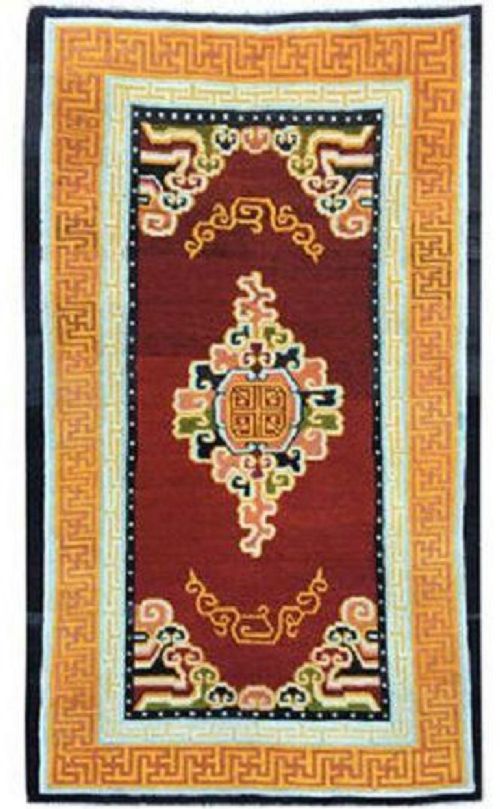
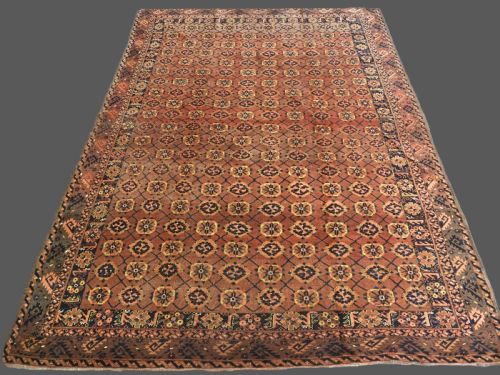
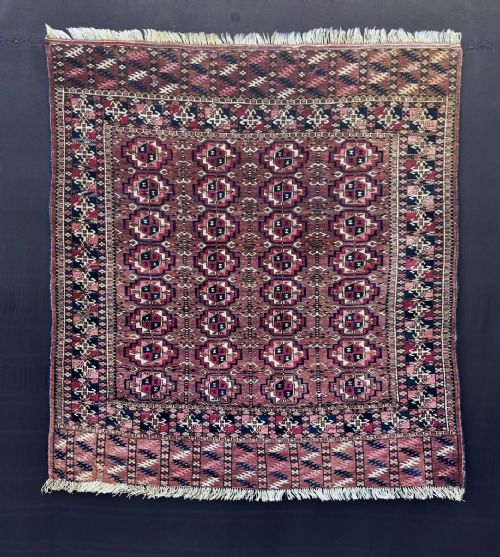
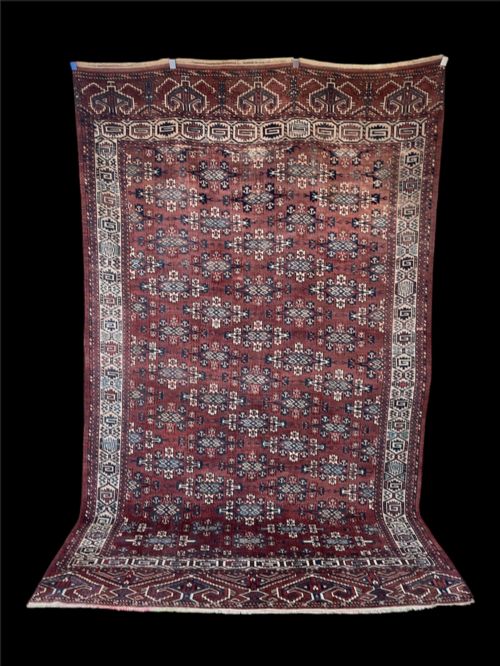
When you search for an asian geometric carpet, you encounter woven textiles originating from Central Asia, including Turkmen tribal rugs, Afghan village carpets, and Uzbek kilim panels. The selections span from the late nineteenth century into the early decades of the twentieth century, capturing a period of traditional nomadic and village production.
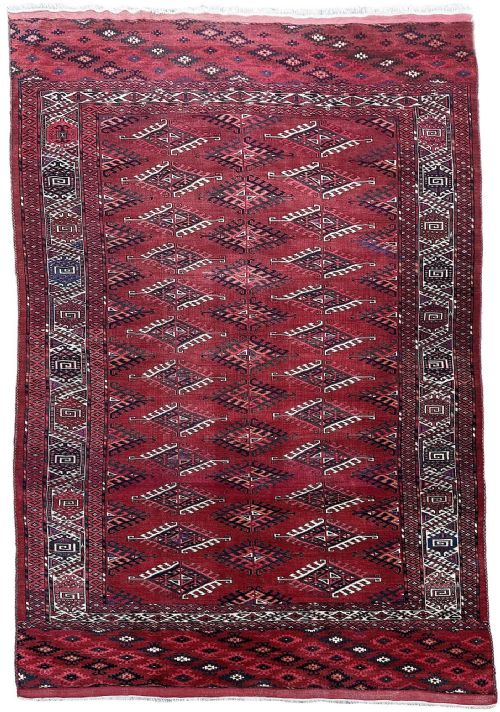
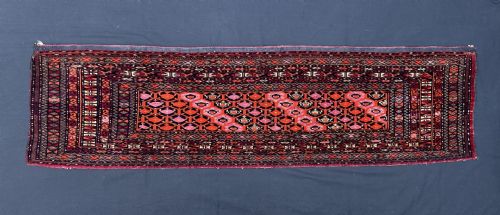
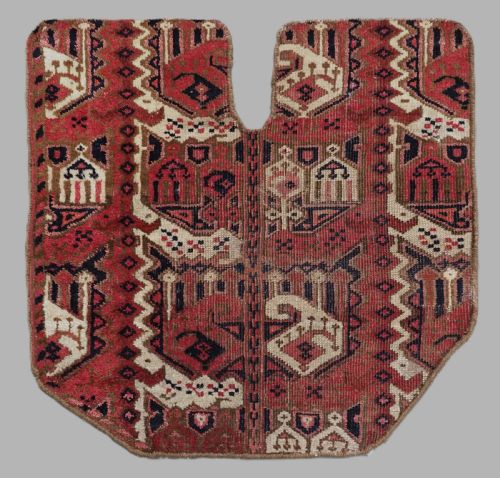
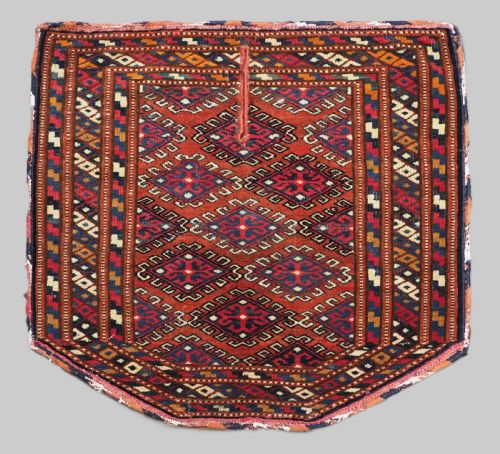
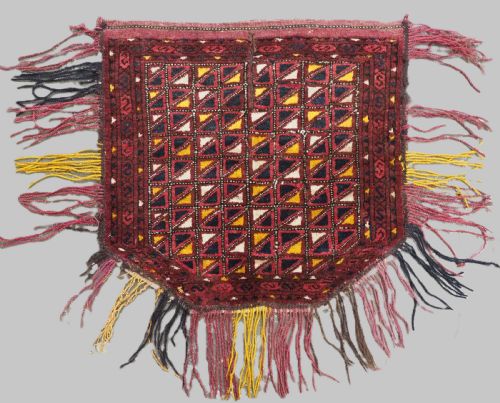
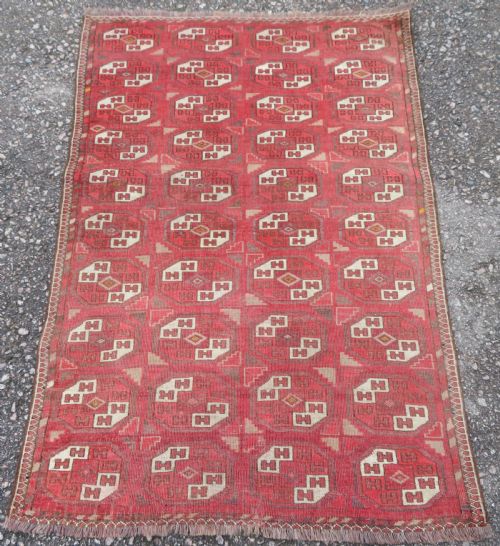
You will frequently meet specific tribal formats on this page, such as Yomut main carpets, Ersari tent door rugs, Tekke torbas, and small saddle covers or wedding rugs. These pieces reflect the distinct utilitarian and ceremonial roles they held within nomadic households across the Trans-Caspian steppes and surrounding regions.
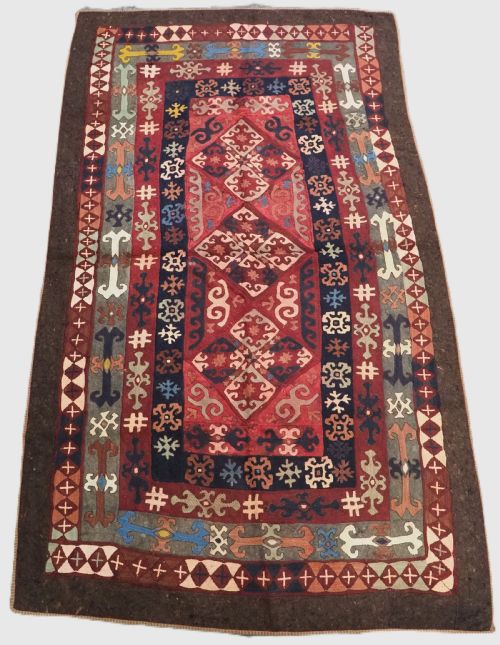
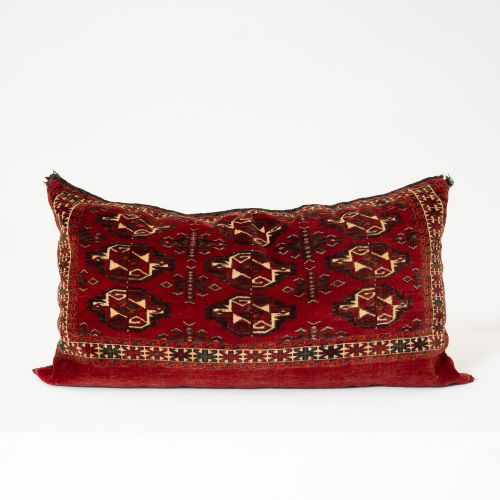
Beyond standard floor coverings, the category encompasses flatwoven kilims, embroidered felt rugs, and piled cushions that display bold graphic structures and repeat lattice designs. Each format demonstrates the characteristic motifs and regional weaving traits documented in the surviving inventory.
What varies in quality
Quality in an asian geometric carpet is largely determined by the density of the weave, the clarity of the repeat lattice or gul design, and the integrity of the natural dye palette. Finesse in knotting and precision in executing complex geometric motifs distinguish workshop pieces from standard village utilities.
The survival of original elements, including complete borders, ends, and tassels, preserves the structural authenticity of the piece. Materials that retain their rich, unadulterated colour depth and resilient hand-spun wool texture represent the higher tier of surviving examples.
The Asian Geometric Carpet Glossary
- Gul
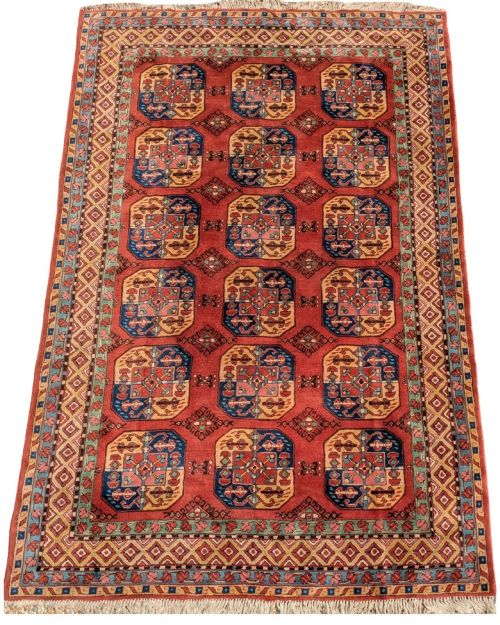
- An octagonal medallion motif frequently repeated across Turkmen carpets and tribal textiles. This design serves as a primary identifier for specific tribal groups and clans.
- Torba
- A small wall hanging or storage bag face produced by Turkmen and other Central Asian tribes. These pieces typically feature highly detailed geometric compartments and fine knotting.
- Kapunuk
- A tent door rug or trapping hung around the entranceway of a nomadic yurt. These architectural textiles often incorporate specialised side flaps and protective motifs.
- Kilim
- A flatwoven rug or tapestry-woven textile produced without a pile. They rely entirely on the warp and weft threads to form sharp, graphic geometric patterns.
Asian Geometric Carpet: Frequently Asked Questions
How do I identify a Turkmen carpet?
Turkmen carpets are typically recognised by their deep red or madder colour grounds and the systematic repetition of octagonal gul medallions. These pieces often feature subsidiary guls in the side borders and structured geometric field arrangements.
Closer inspection reveals specific tribal traits, such as the white-accented hooked motifs of Yomut weaving or the deep plum tones characteristic of Ersari production.
What is a tent door rug used for?
Nomadic communities utilised tent door rugs, known as kapunuks, to frame and decorate the interior or exterior entrance of a yurt. They functioned both as decorative displays of tribal identity and as protective household thresholds.
These pieces are shaped in specific multi-lobed configurations designed to fit around the wooden lintels of traditional nomadic dwellings.
How should I care for an antique wool carpet?
Protect antique wool textiles by placing them in low-traffic areas away from direct, harsh sunlight to preserve the stability of natural dyes. Regular, gentle vacuuming without a beater bar prevents dust accumulation within the foundation fibres.
Professional cleaning tailored to antique pile and flatwoven carpets ensures the delicate wool and cotton structures remain intact over time.
How do I distinguish a kilim from a pile rug?
A kilim is constructed using a flatweave technique where the pattern is created entirely by interlocking or slitting the weft threads across the warp. This method produces a thin, pliable textile without the raised vertical pile found on standard carpets.
Pile rugs incorporate individual knots tied onto a foundation warp, creating a dense, tactile surface that stands upright from the backing.