



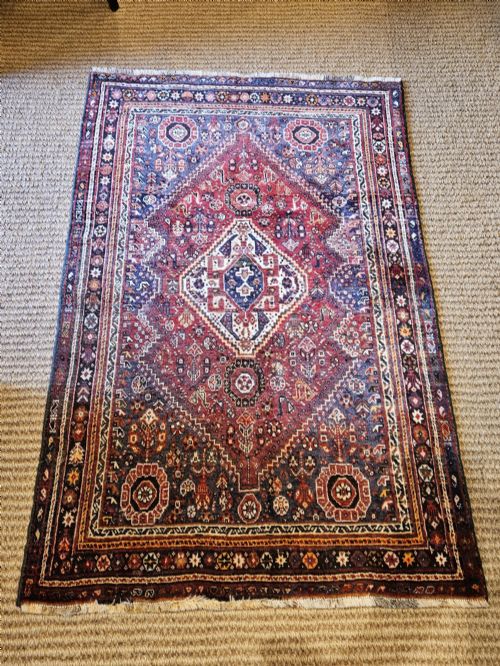
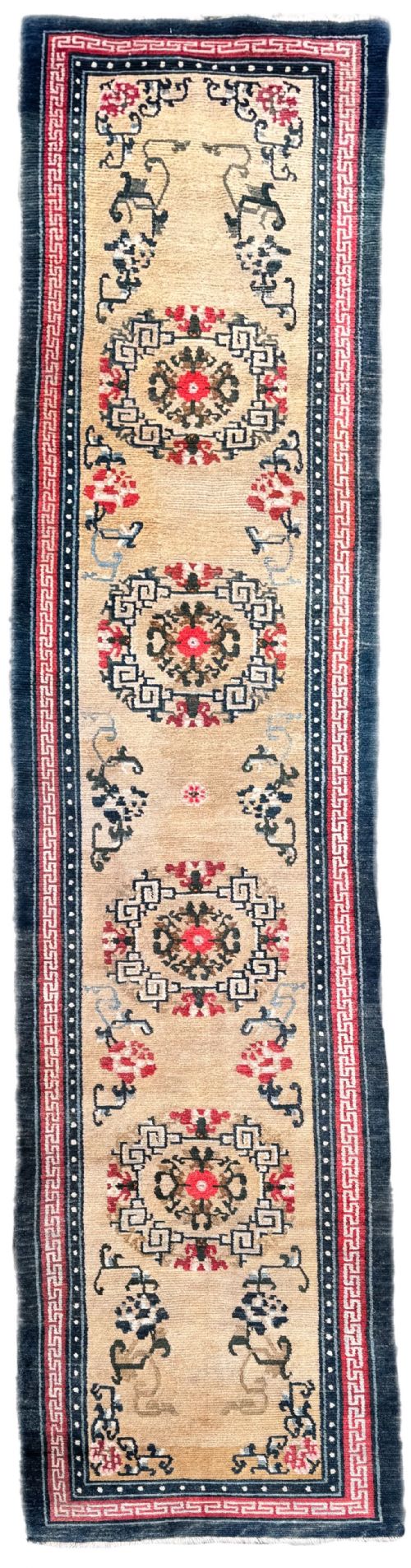
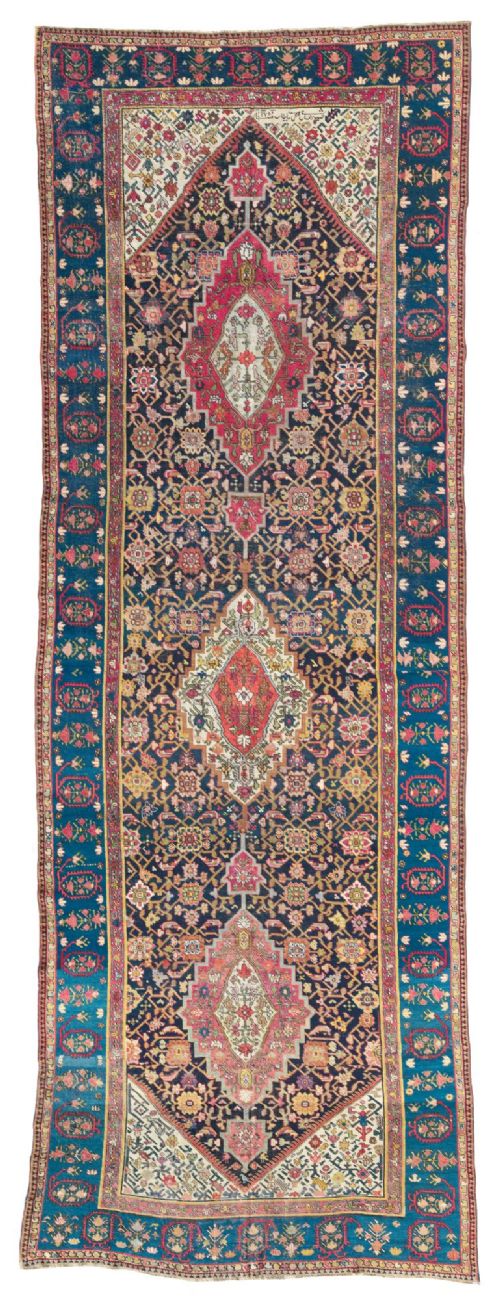
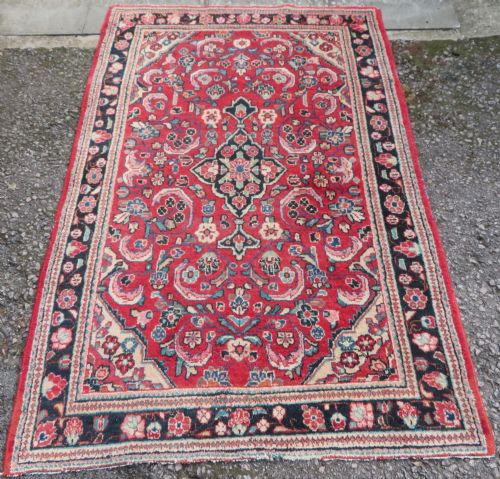
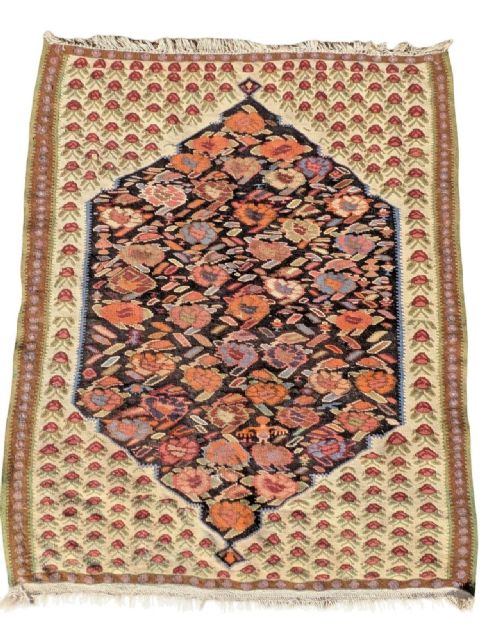
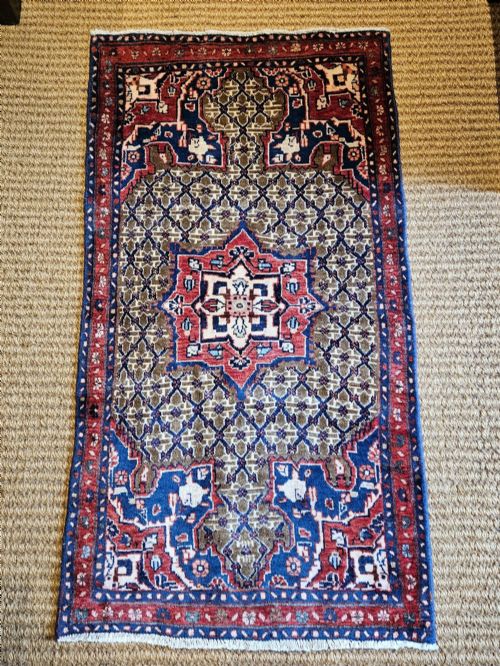
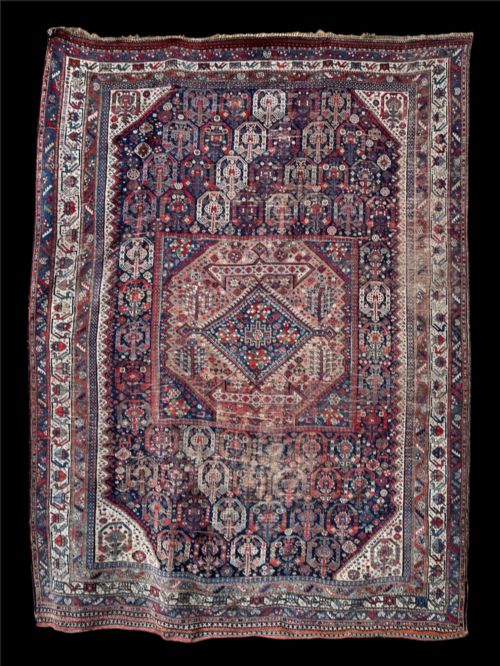
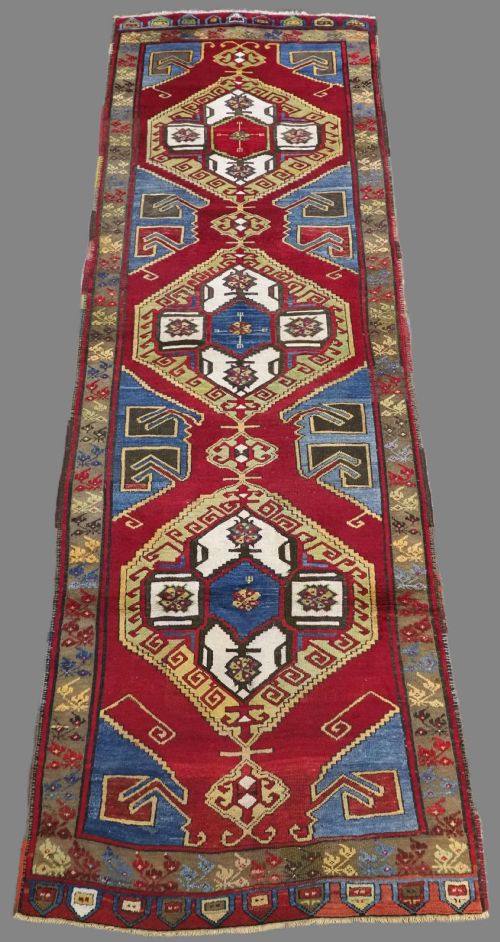
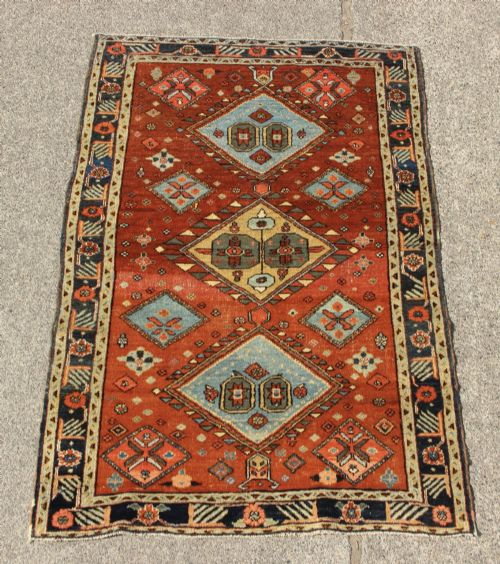
Traditional Medallion Runner
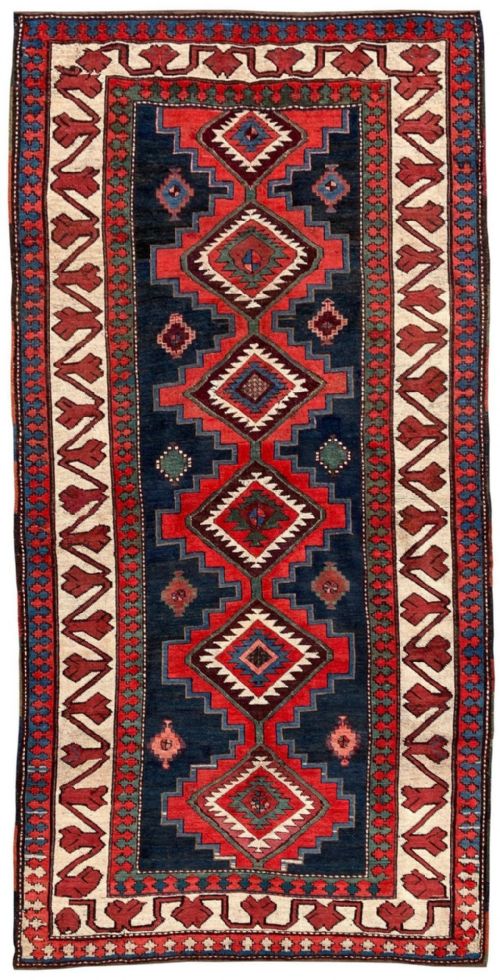
A traditional medallion runner brings enduring linear geometry and rich historical dye work to a hallway or narrow space.
Traditional Medallion Runner
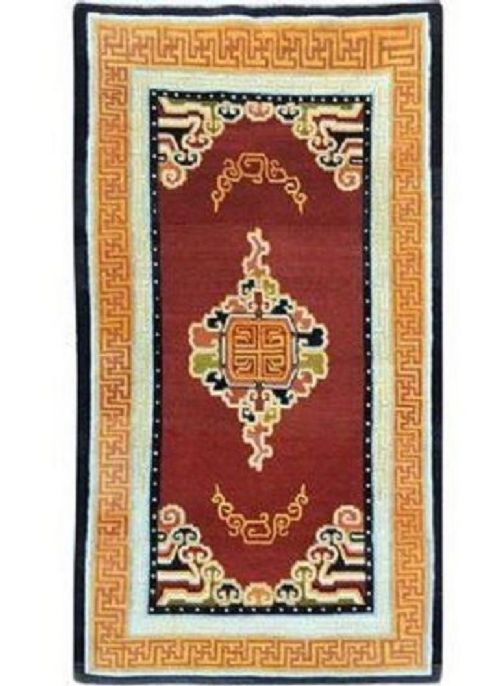
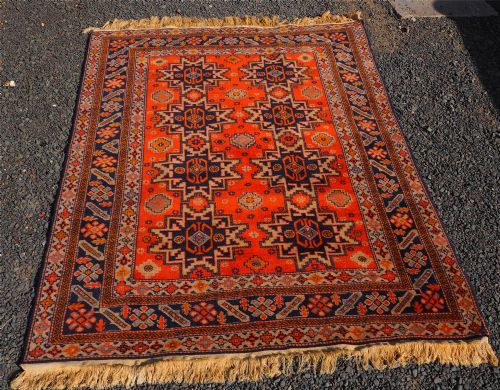
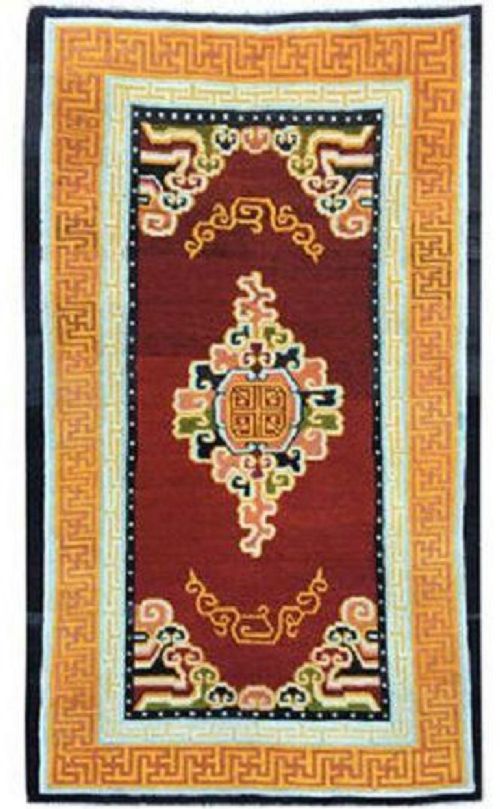
A traditional medallion runner spans elongated formats designed for corridors and halls, grounded in regional weaving traditions from Persia, the Caucasus, Anatolia, and Tibet. These textile pieces display central geometric or floral motifs flanked by detailed borders, constructed across the nineteenth and early twentieth centuries.
The selections available include long Anatolian and Tibetan runners alongside specific regional formats like Karabagh kelleh and Kazak examples. Buyers encounter formats originating from varied workshops and nomadic confederacies, spanning periods from the mid-nineteenth century through the 1930s.
How they were made
Weavers utilised natural animal and plant fibres, predominantly building foundations in wool and cotton while occasionally incorporating silk. These materials were hand-knotted or handwoven to create resilient floor coverings designed for heavy daily use.
The construction relies on traditional village and tribal techniques handed down through generations, utilising dense knotting methods that secure the pile to the warp and weft threads.
Listings span multiple origins including Persian, Caucasian, Anatolian, and Tibetan regions, dating from the mid-nineteenth century to 1930.
What varies in quality
Quality rests in the precision of the knot density and the crispness of the drawn central medallion against the field. Finer execution yields sharper geometric definition and more durable pile retention over decades of foot traffic.
The depth and complexity of the dye palette further separate standard examples from superior specimens. Master weavers achieved harmonious saturation using traditional natural dyestuffs that age gracefully over time.
The Traditional Medallion Runner Glossary
- Medallion
- The central ornamental design motif placed in the middle of the rug field. It typically anchors the entire symmetrical composition of the piece.
- Runner
- A long, narrow carpet format specifically proportioned for corridors, hallways, and staircases. This shape guides movement through architectural spaces.
- Warp
- The stationary vertical threads stretched onto a loom before weaving begins. The pile knots are tied around these foundational strands.
- Weft
- The horizontal threads passed alternately over and under the warp threads to lock the knots in place. This process secures the structural integrity of the weave.
- Pile
- The upright cut or looped fibres forming the soft surface texture of the rug. It protects the structural foundation from direct wear.
Traditional Medallion Runner: Frequently Asked Questions
Where should I place a runner?
Runners fit naturally in narrow hallways, corridors, and long entryways where floor coverage softens footsteps and protects wooden floorboards.
They also function effectively beside beds or in galley kitchens to add warmth and pattern to transitional living spaces.
How do I clean a wool runner?
Regular gentle vacuuming without a beater bar removes surface grit and prevents dust accumulation within the pile fibres.
Professional specialist cleaning remains necessary for deeper washing to protect the historical dyes and natural wool structure.
Are these runners suitable for heavy traffic?
Traditional village and tribal runners utilise dense wool construction designed originally to withstand generations of domestic use.
Using a quality underlay beneath the piece prevents slipping and cushions the pile against heavy daily footsteps.
How can I tell the origin of a runner?
Stylistic markers such as specific border motifs, geometric layouts, and distinct regional colour palettes point toward particular weaving districts.
Structural characteristics including knot type and edge finishing provide further clues to whether a piece originates from Persia, the Caucasus, or Anatolia.