

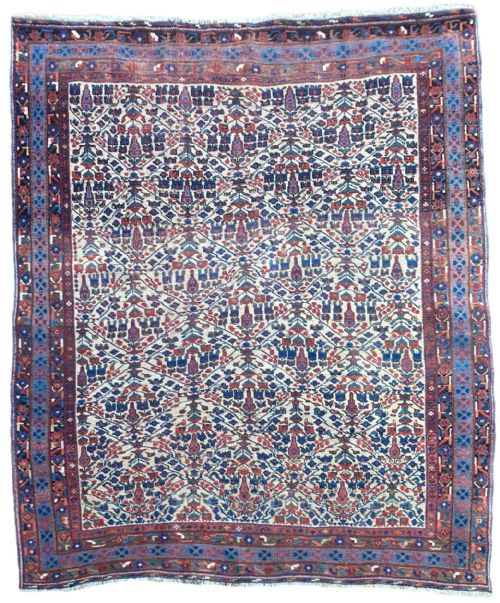


Cream Area Runner
A cream area runner brings warmth and pattern to a hallway or narrow space through enduring textile traditions.
Cream Area Runner
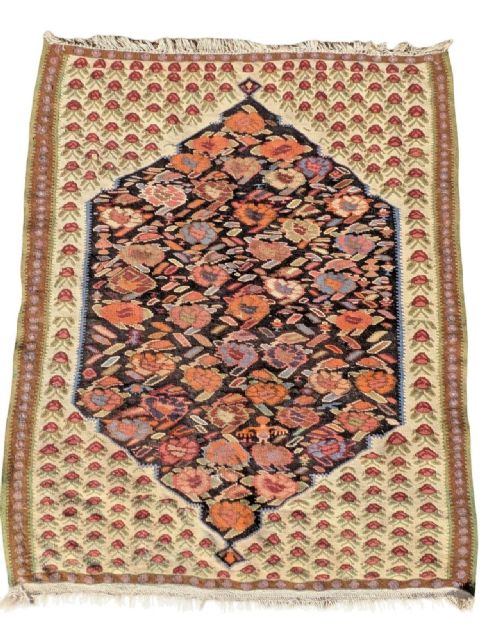
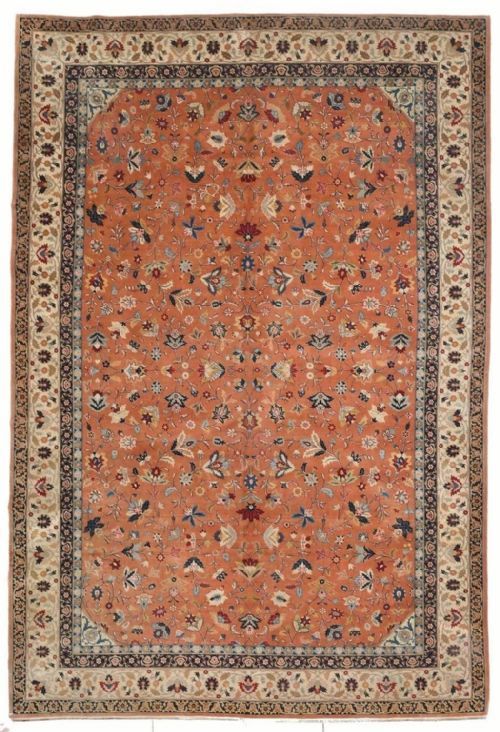
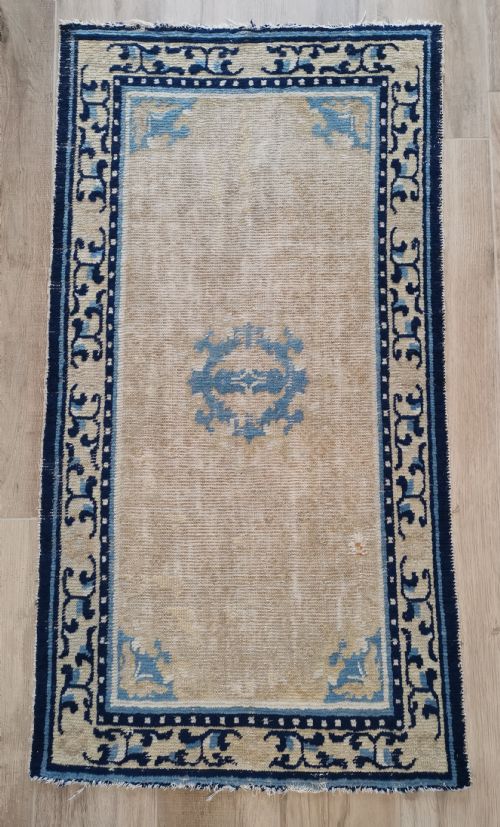
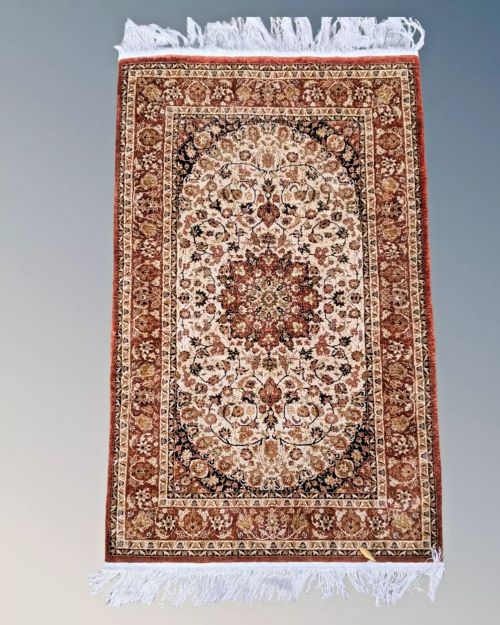
A cream area runner typically manifests as an elongated antique rug featuring an ivory or pale neutral ground, originating from Persian, Turkish, Caucasian, and Central Asian workshops. Buyers searching for a cream area runner encounter regional room-sized carpets and elongated village weaves spanning the nineteenth and early twentieth centuries.
The selection ranges from nomadic tribal pieces with geometric motifs to sophisticated city carpets bearing floral vases, dragon and phoenix designs, or Lesghi stars. These floor coverings bridge utility and artistry, offering durable wool surfaces that suit domestic corridors and narrow architectural spaces.
Materials and Construction
Makers constructed these textiles predominantly from wool, hand-spun wool, cotton, and occasionally silk, utilising traditional hand-weaving and knotting techniques. Pile carpets and flatwoven kilims share this lineage, relying on natural materials for both the foundation warps and the dense surface pile.
Weavers in Persian villages, Turkish provinces, and Caucasian settlements combined local fleece with traditional dyes to produce enduring floor coverings. Specific pieces incorporate partial silk elements or dense wool foundations designed to withstand sustained foot traffic.
Listings span periods from the mid-nineteenth century through the 1930s, featuring wool, cotton, silk, and hand-spun wool.
Judging Quality
Quality rests upon knot density, the precision of the design execution, and the integrity of the natural materials used throughout the foundation and pile. Tightly packed wool and balanced symmetrical patterns distinguish superior tribal and city workshops from simpler utilitarian village productions.
The sophistication of the dye work and the clarity of motifs such as floral vases or geometric stars dictate the upper tier of the selection. A well-preserved foundation and even pile wear separate exceptional surviving examples from heavily restored counterparts.
Mohtasham Kashan
The Cream Area Runner Glossary
- Kilim
- A flatwoven carpet or rug produced without a pile. These pieces rely on interlocking weft threads to create sharp geometric patterns.
- Prayer Rug
- A textile featuring a distinct mihrab or niche design at one end. Historically utilised for directional personal prayer.
- Pile
- The dense upright surface of a rug formed by individual knots tied to the foundation warps. This layer absorbs foot traffic and displays the woven design.
- Warp
- The vertical threads stretched lengthwise on the loom before weaving commences. The fringe of a finished rug represents the exposed ends of these structural threads.
- Ground
- The dominant background colour of the field behind the primary motifs. In these examples, this field typically appears in cream or ivory tones.
Cream Area Runner: Frequently Asked Questions
What is a cream area runner?
A cream area runner is an elongated antique textile featuring a pale neutral ground designed for corridors and narrow rooms.
These pieces originate from traditional weaving regions including Persia, Turkey, and the Caucasus during the nineteenth and early twentieth centuries.
How do I care for an antique wool rug?
Protect antique wool and silk floor coverings by placing a breathable rug underlay beneath them to prevent slipping and friction.
Vacuum gently without using a rotating brush bar and consult a specialist textile conservator for professional cleaning.
Are these rugs made from natural materials?
Traditional weavers constructed these textiles using natural materials such as wool, hand-spun wool, cotton, and silk.
These organic fibres provide the durability and flexibility necessary for long-term domestic use.
How do I identify a tribal rug?
Tribal rugs typically display geometric motifs, bold colour contrasts, and asymmetrical layouts tied to specific nomadic or village traditions.
These designs contrast with the structured floral medallions found in formal city workshop carpets.