


Hand Painted Pottery Vessel
A hand painted pottery vessel carries pigment and glaze across centuries of global craft, offering tactile connection to domestic and ceremonial history.
Hand Painted Pottery Vessel
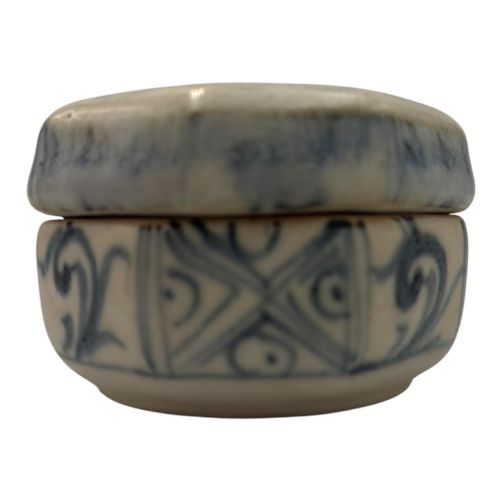
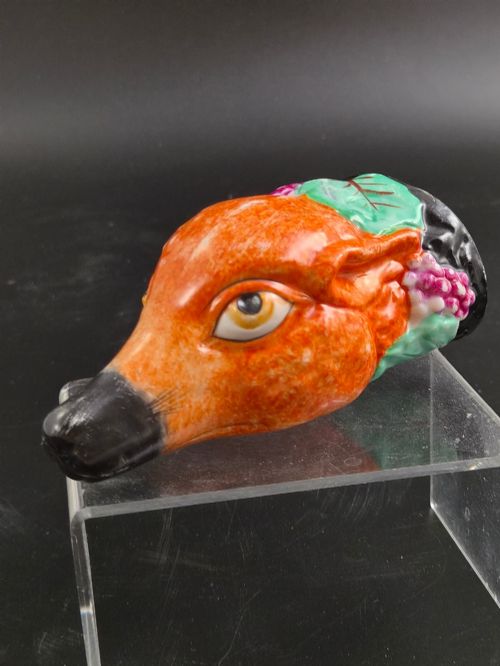
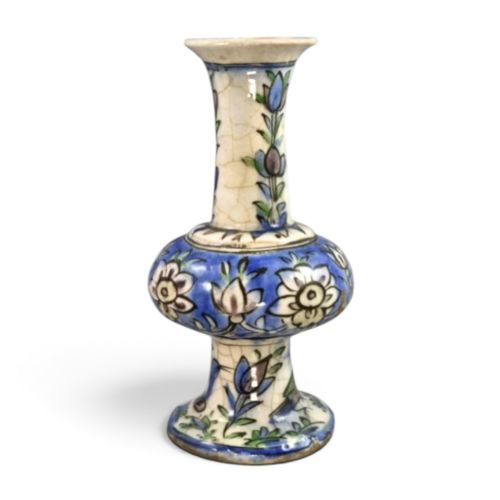
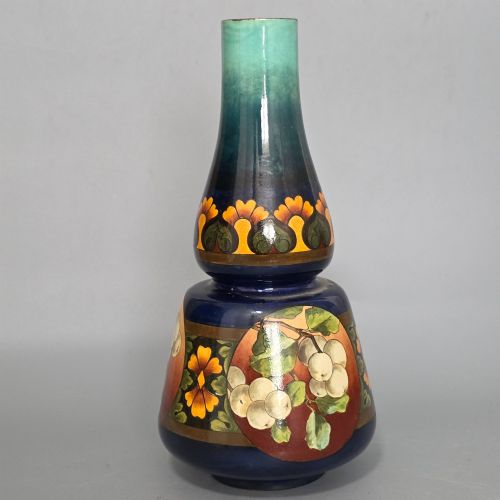
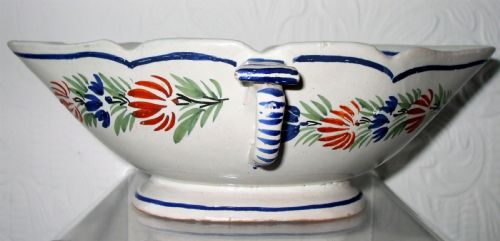
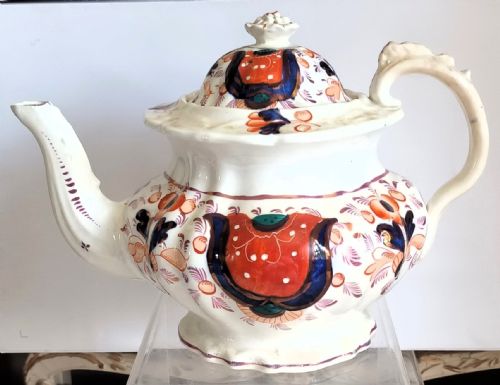
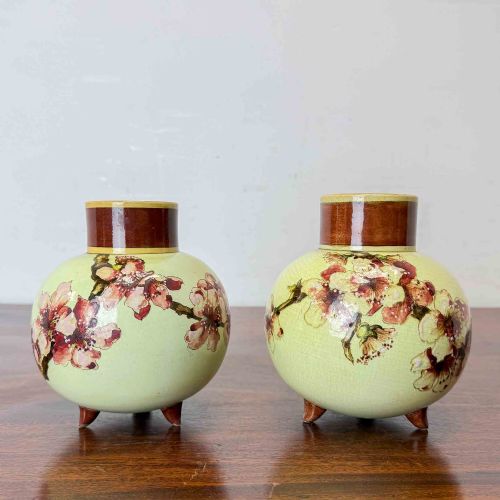
A hand painted pottery vessel encompasses utilitarian forms and decorative objects spanning the sixteenth to the twentieth centuries. Buyers encounter diverse containers including vases, pharmacy jars, tea caddies, and loving cups from European and Asian traditions.
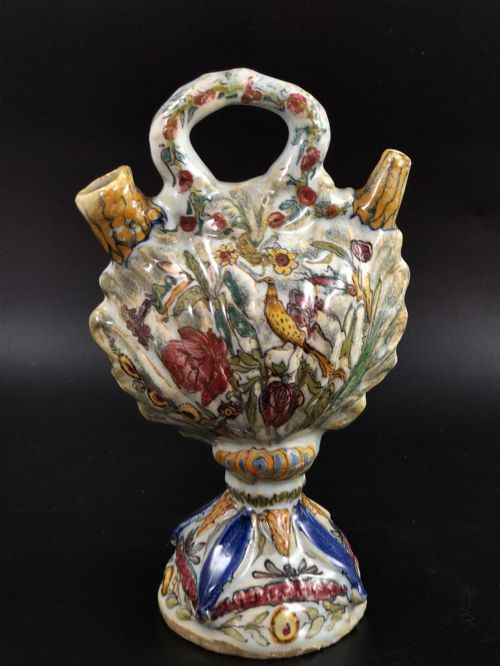
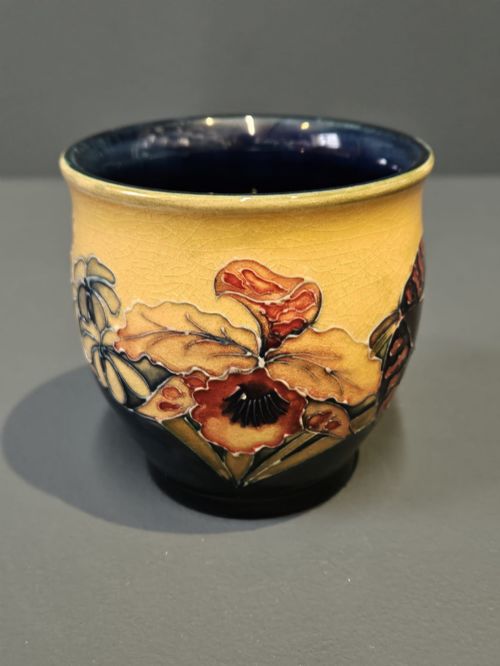
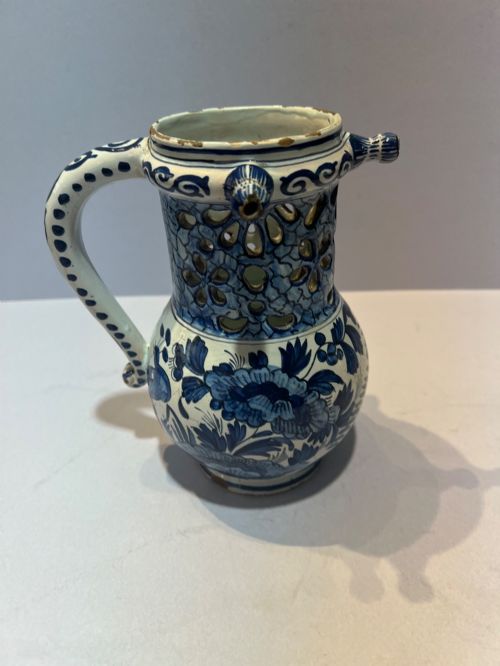
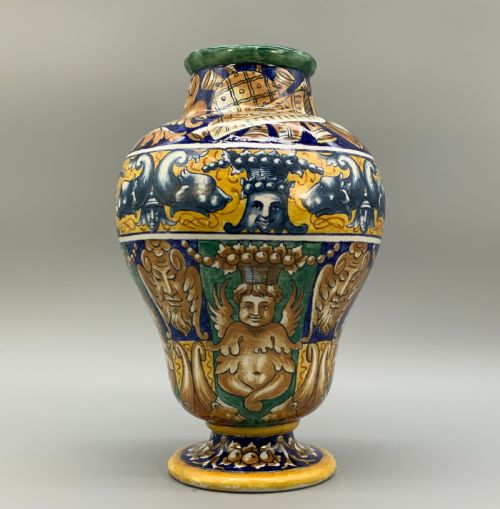
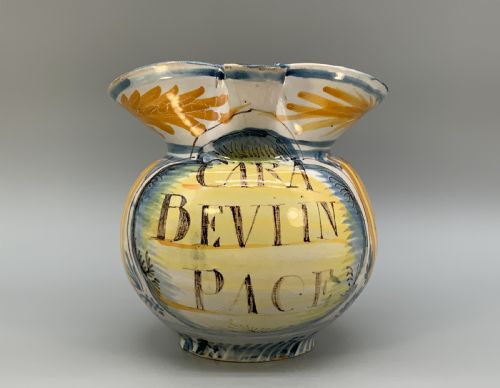
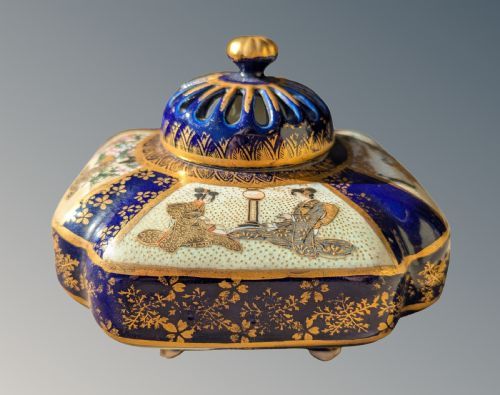
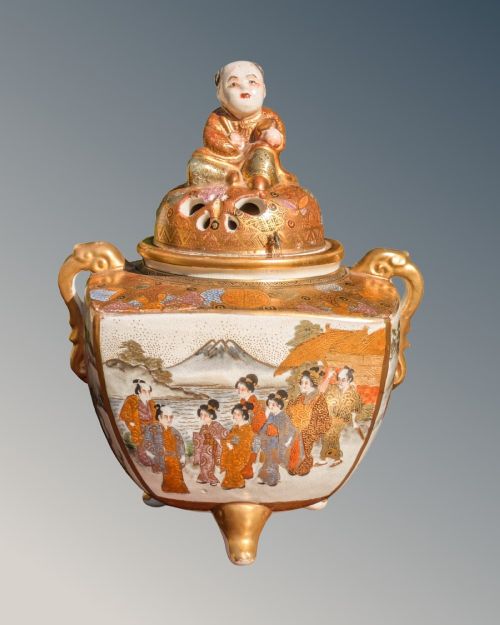
Nineteenth-century examples dominate the selection, featuring British art pottery alongside Japanese Satsuma and Imari wares. Italian majolica and Dutch Delft specimens represent earlier European traditions of tin-glazed earthenware.
The collection ranges from domestic kitchenware to intricate studio ceramics. Each piece displays distinct regional painting styles applied to earthenware, stoneware, or porcelain.
Materials and Technique
Potters shaped these vessels using earthenware, stoneware, or porcelain bodies before applying liquid glazes. Tin glaze provided an opaque white surface suitable for colourful pigment painting in majolica and Delft traditions.
Makers embellished surfaces with hand-applied enamel colours and gold leaf accents. Firing techniques fixed these mineral pigments into the glaze, creating durable decorative finishes across Japanese Satsuma and British art pottery.
Historic drinking vessels included puzzle jugs engineered with hidden spouts designed to spill liquor down unsuspecting drinkers' sleeves.
Evaluating Execution
Quality depends upon the precision of the brushwork and the harmony of the pigment palette. Master painters achieved fine detail in figural processions and floral motifs, whereas lesser examples show hurried execution.
The sophistication of the glaze and the clarity of the firing distinguish superior pieces. Well-balanced forms and clean wheel-throwing or moulding indicate skilled workshop production.
Kizan·Kinkozan·Alice Euphemia Thatcher·Kozan·Nicholas Kannhauser·Eliza Simmance·Robert T Lallement
The Hand Painted Pottery Vessel Glossary
- Majolica
- Tin-glazed earthenware decorated with colourful metal oxides. This technique flourished across Italian workshops during successive centuries.
- Satsuma
- Japanese earthenware pottery featuring a crackle glaze and detailed polychrome enamel painting. Many pieces include gilded highlights.
- Albarello
- A cylindrical pharmacy jar designed for storing dry drugs and spices. Apothecaries utilised these vessels across European monastic and commercial dispensaries.
- Imari
- Japanese porcelain decorated in underglaze blue and contrasting enamel colours like iron red and gold. The style originated from the port of Imari for export.
- Loving cup
- A large drinking vessel featuring two or more handles. These items circulated during social gatherings and communal celebrations.
Hand Painted Pottery Vessel: Frequently Asked Questions
Are these vessels safe for holding water?
Many nineteenth-century and modern glazed ceramics hold water successfully for short periods. However, older earthenware and porous bodies can seep moisture through micro-fissures.
Protect delicate furniture surfaces by placing a small glass liner inside older vases. Inspect the interior base for historical repairs before filling.
How can I distinguish Satsuma from Imari?
Satsuma ware utilises an earthenware body covered in a fine crackle glaze decorated with opaque enamels and gold. The overall palette leans towards muted earthy tones and intricate figural scenes.
Imari ware consists of hard porcelain featuring deep cobalt blue underglaze combined with iron red and gold overglaze. The visual impact relies on bold geometric and floral patterns.
What is the difference between earthenware and stoneware?
Earthenware is fired at lower temperatures, resulting in a porous body that requires a glaze to become waterproof. Tin-glazed examples like Delft and majolica use this absorbent clay base.
Stoneware undergoes high-temperature firing until the material vitrifies and becomes dense and non-porous. These vessels offer greater durability and resistance to liquid absorption.