

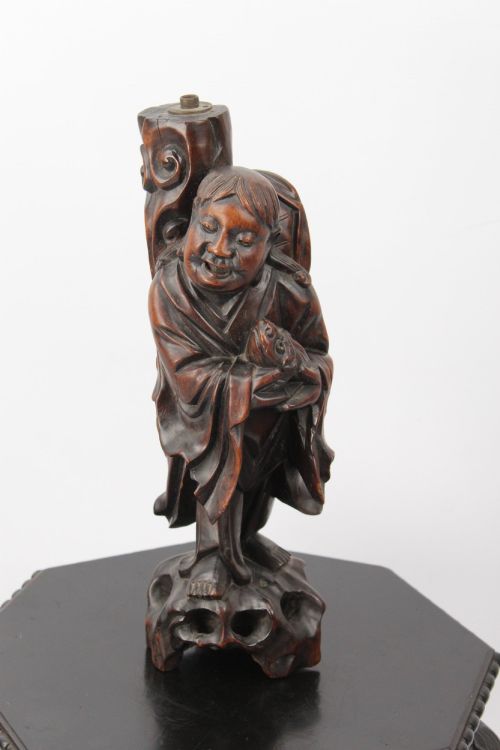
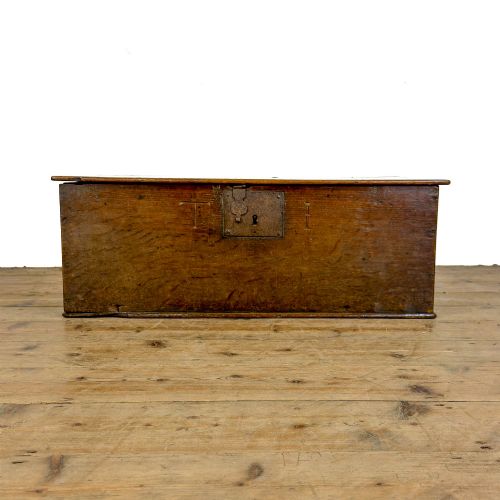
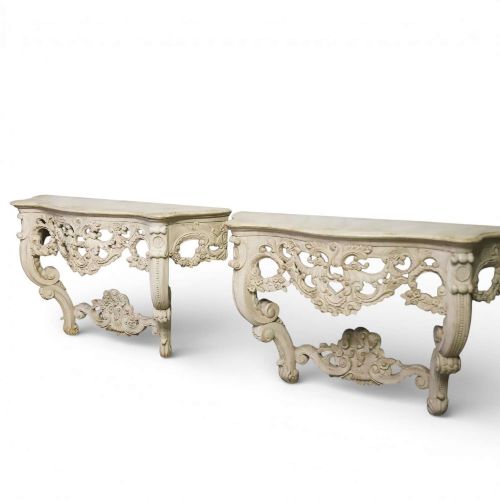
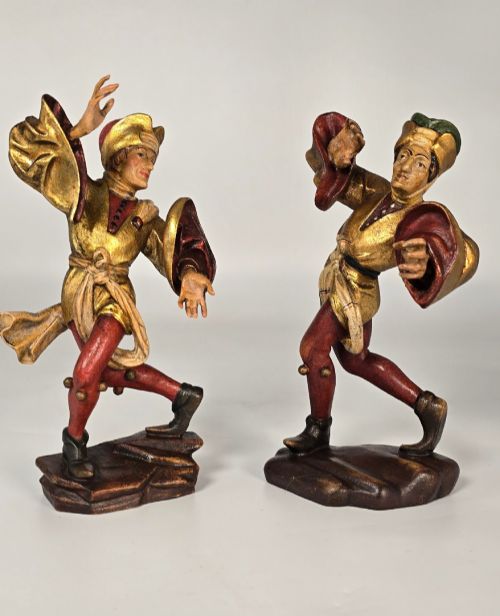
Hand Carved Wooden Table
A hand carved wooden table brings sculptural depth and organic grain into a room through regional craft traditions and solid timber.
Hand Carved Wooden Table
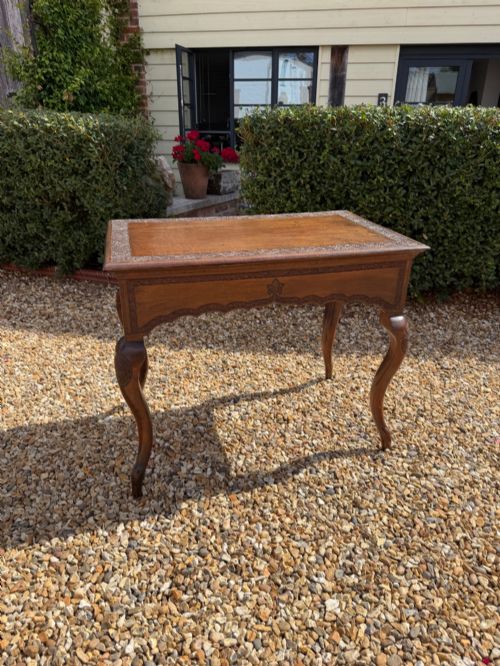
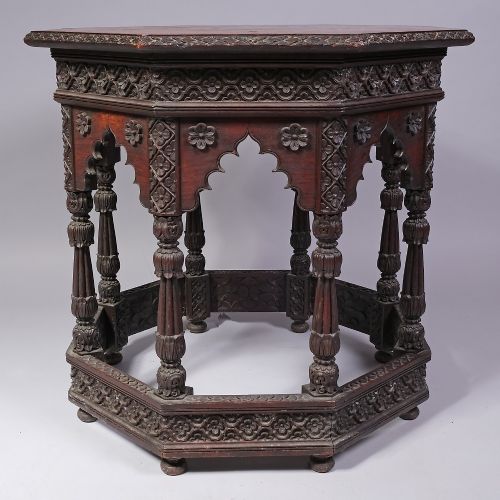
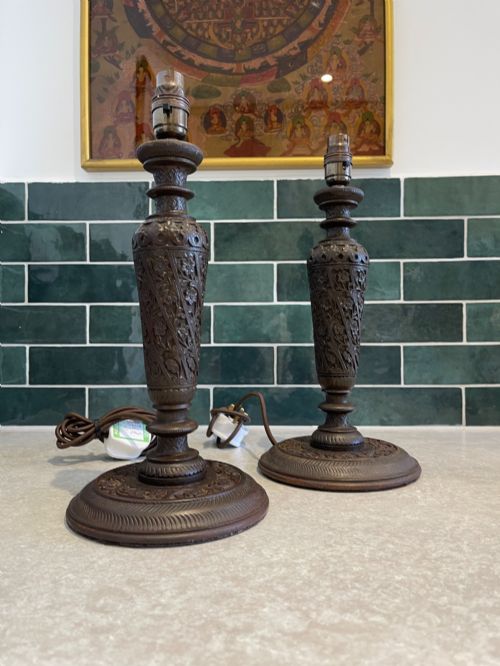
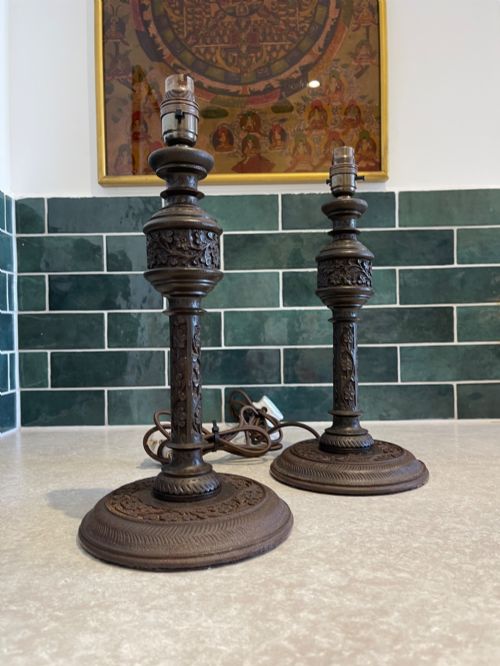
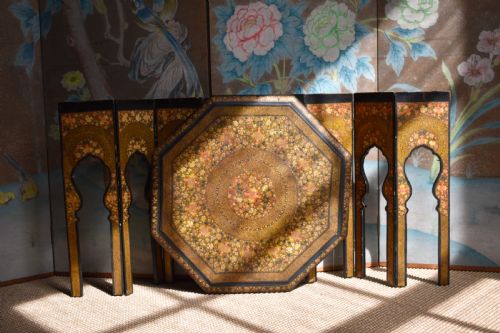
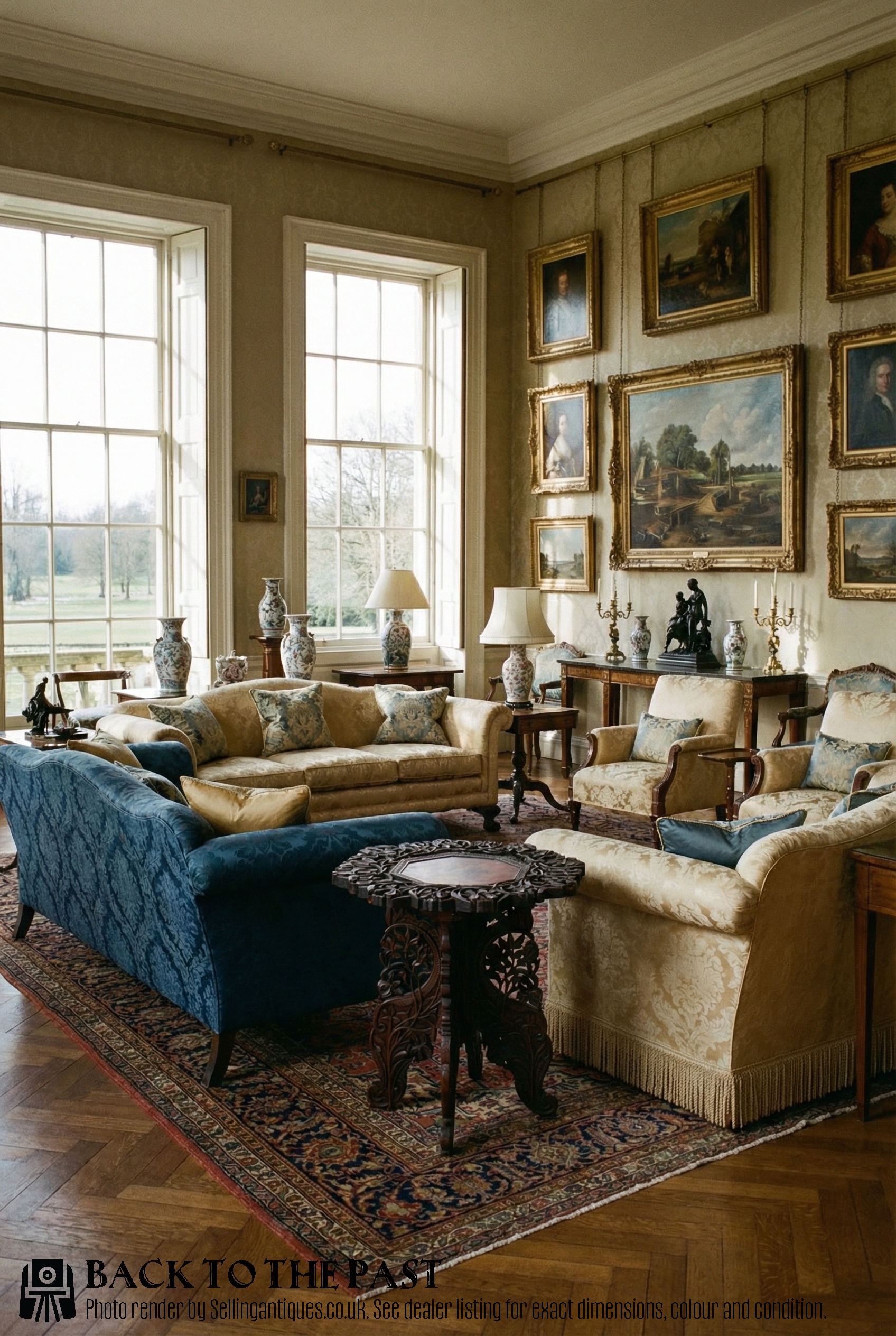
A hand carved wooden table encompasses diverse regional expressions, from the intricate floral surfaces of Kashmiri walnut and Anglo-Indian tables to the robust forms of European provincial work. Side tables, occasional tables and console tables dominate the selections, often featuring distinctive regional motifs such as elephants or geometric tracery.
The periods span the nineteenth century through the early decades of the twentieth century, including Victorian, Arts and Crafts and Black Forest styles. Buyers encounter both compact occasional pieces suited for display and larger forms executed in dense tropical hardwoods or native European timbers.
Materials and Technique
The construction relies on solid timbers such as oak, walnut, teak, elm and various regional hardwoods selected for their density and response to chisels. Artisans employed hand gouges, V-tools and mallets to cut deep relief patterns directly into the seasoned wood, leaving subtle tool marks across the surfaces.
Assembly techniques depend on the origin, utilising traditional pegged joinery in European provincial examples and complex interlocking joints or turned supports in eastern workshops. Secondary materials like brass fittings or glass occasionally appear, though timber remains the primary structural element.
Hand Carved Wooden Table Retail Price Guide 2026
Typical asking prices for hand carved wooden table among the pieces listed under this phrase on Sellingantiques today, from the lower quarter to the upper quarter. They describe what is for sale here now, not the wider market.
Listings feature regional styles spanning Anglo-Indian, Black Forest and Chinese Export traditions executed in walnut, oak, teak and hardwood.
Judging Quality
Quality rests upon the depth, sharpness and rhythm of the carving rather than mere surface complexity, distinguishing confident masterwork from hurried commercial output. The best examples maintain crisp undercut details and balanced proportions that respect the natural movement and grain of the underlying timber.
Structural integrity also separates standard items from finer survivals, visible in how joints meet and whether the wood has stabilized successfully over decades of atmospheric change. Original patination and minimal restorative intervention preserve the integrity of the maker's hand.
Liberty of London·Bergen and Co
The Hand Carved Wooden Table Glossary
- Anglo-Indian
- Descriptive of furniture made in India during the British period, combining British forms with local carving styles. These pieces frequently incorporate dense hardwoods and deep relief motifs.
- Black Forest
- A style of carving originating from the mountainous regions of central Europe, noted for naturalistic representations of animals and foliage. Linden wood and walnut are common mediums for this tradition.
- Tramp Art
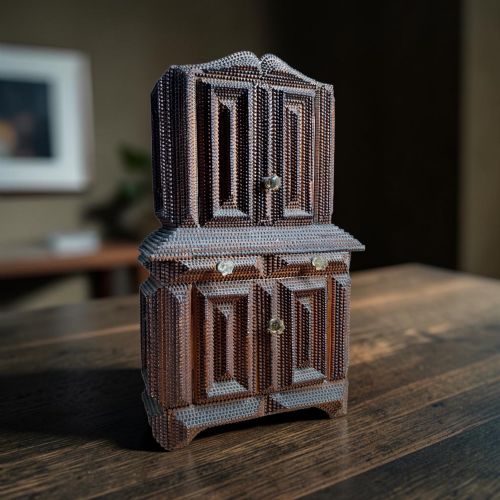
- A form of folk art created by itinerant workers using salvaged wood, often employing chip-carving techniques in stacked geometric layers. Boxes and small furnishings are typical outputs.
- Octagonal
- Having eight sides and eight angles, a common geometric format for tables originating from South Asian workshops. This shape accommodates complex border carvings across each facet.
- Patina
- The surface sheen and colour developed by wood through age, handling and exposure to light over many decades. A rich patina indicates undisturbed historical surfaces.
Hand Carved Wooden Table: Frequently Asked Questions
Are these tables suitable for daily use?
Most occasional and side tables function well for everyday placement of lamps, books and decorative objects when handled with reasonable care. Using coasters prevents ring marks on vulnerable polished wood surfaces.
Tables with heavily carved or high-relief tops benefit from protective glass tops if placed in high-traffic areas. This preserves the delicate edges of the carving while maintaining visual access to the grain.
How do I distinguish regional carving styles?
Kashmiri pieces typically display dense floral walnut carving with intertwining vines, whereas Anglo-Indian examples frequently feature elephants, deities or intricate geometric latticework. European Black Forest items focus on naturalistic fauna and deep linden wood foliage.
Examining the underlying timber species alongside the specific repertoire of motifs clarifies the geographic origin. Each region utilised distinct finishing techniques that reveal local workshop traditions.
What causes splits in antique wood?
Changes in relative humidity and temperature cause timber to expand and contract, which creates natural splitting over long periods. Keeping pieces away from direct heat sources and air conditioning vents minimises this risk.
Solid hardwoods react to environmental shifts more noticeably than modern composite materials. Allowing the wood to acclimatize gently helps preserve its structural stability.