


Green Porcelain Bowl
A green porcelain bowl brings centuries of ceramic artistry to a table, offering rich glazes and intricate painted motifs.
Green Porcelain Bowl
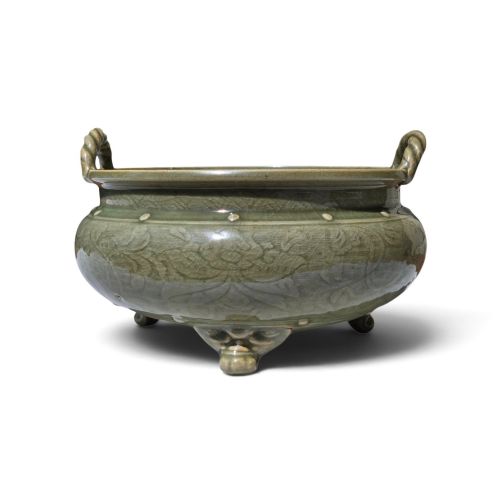
A green porcelain bowl encompasses diverse traditions, spanning from early Chinese celadon wares to 20th-century English lustre pieces. When searching this phrase, buyers encounter everything from ancient Longquan vessels to ornate Victorian cabinet dishes.
The selection ranges across multiple centuries, featuring wares from the Song Dynasty, Qing Dynasty, and later European manufactories. Forms include deep serving bowls, shallow dishes, and footed vessels designed for display or dining.
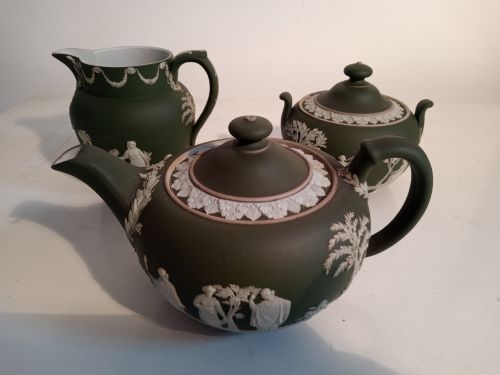
Origin points vary widely between Asian workshops and European kilns like Wedgwood, Royal Doulton, and Worcester. This variety allows collectors to choose between subtle monochrome celadon glazes and vibrant polychrome or lustre finishes.
Materials and manufacture
Makers shaped fine ceramic bodies using porcelain, bone china, and ironstone before applying mineral-rich glazes. Iron oxides within the glaze react in kiln heat to produce distinct green shades, particularly visible in celadon pieces.
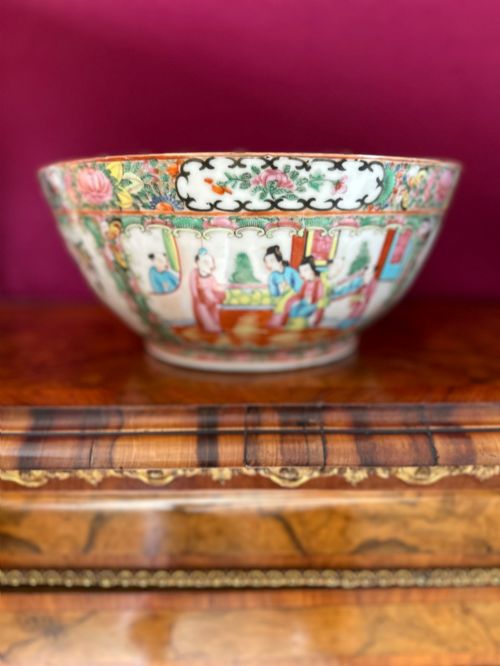
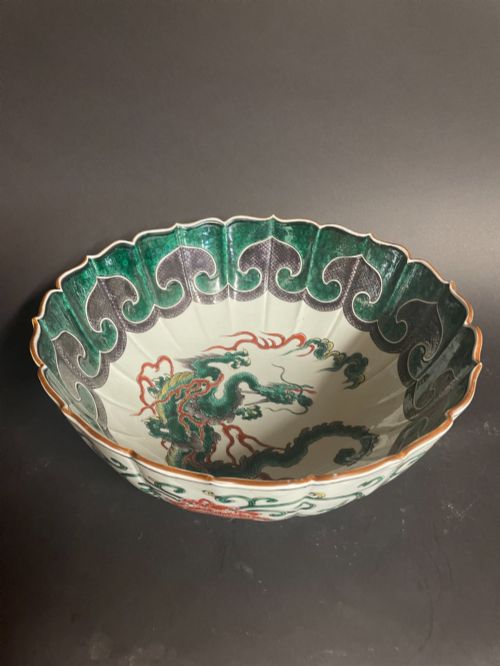
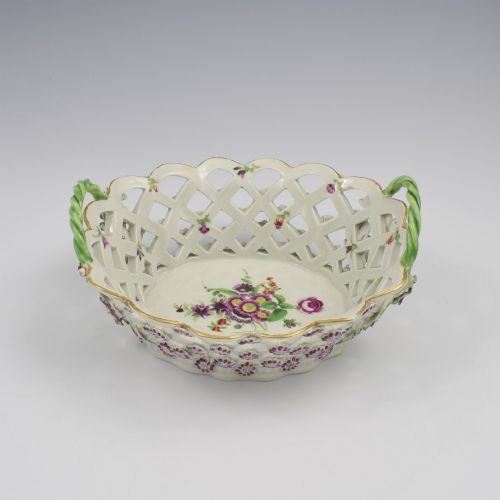
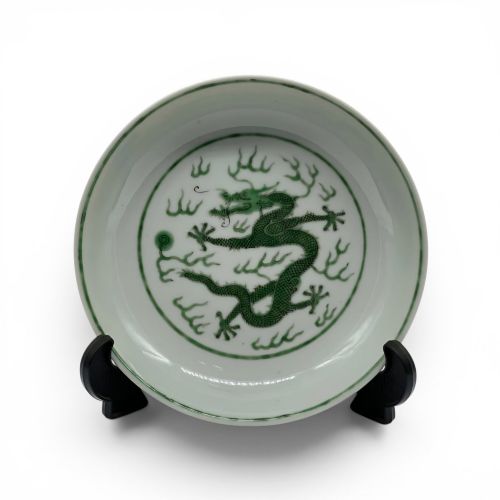
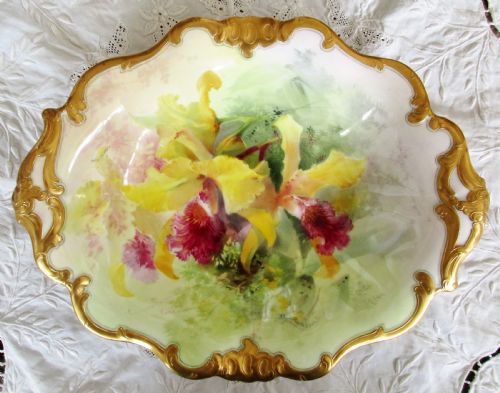
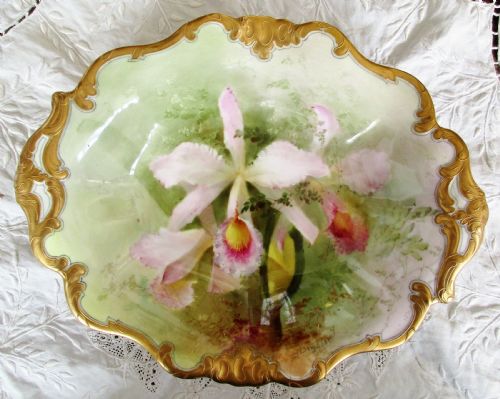
Surface decoration frequently combines underglaze blue, enamel painting, and gold leaf highlights. Skilled artisans hand-painted intricate motifs such as dragons, flowers, and geometric patterns directly onto the fired clay surface.
Several bowls feature mischievous dragons and climbing figures that appear ready to escape the rim entirely.
Evaluating craftsmanship and condition
Quality rests in the precision of the throwing, the evenness of the glaze application, and the clarity of painted details. Superior pieces display smooth surfaces free from major firing blemishes and exhibit crisp control over complex motifs.
The sophistication of the design execution separates standard wares from exceptional examples, particularly in lustre glazes and hand-painted decorations. Well-preserved marks from renowned factories or specific periods further elevate the standing of a piece.
Wedgwood·Royal Doulton·Minton·Worcester
The Green Porcelain Bowl Glossary
- Celadon
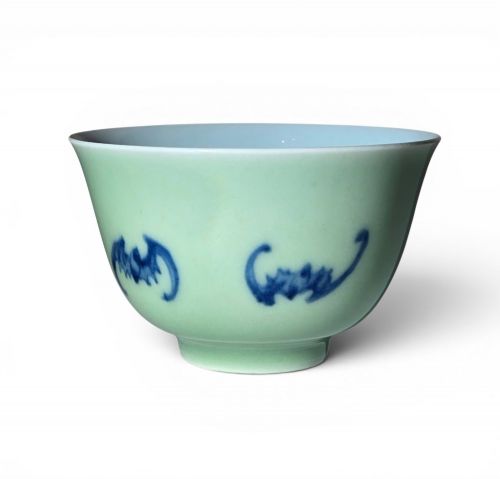
- A type of green-glazed pottery originating in China, prized for its jade-like appearance. The subtle colour results from iron oxide reacting within a reducing kiln atmosphere.
- Lustreware
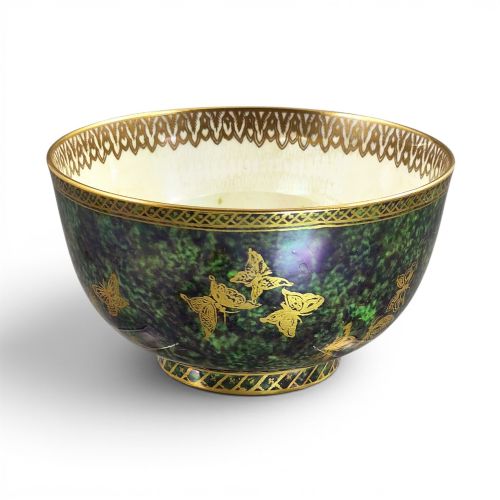
- Earthenware or porcelain featuring a metallic film that gives an iridescent sheen. This technique creates shimmering surface effects popular in early 20th-century decorative pieces.
- Ironstone
- A durable type of heavy earthenware patented in the 19th century. It bridges the gap between fine porcelain and everyday pottery while offering high resistance to chipping.
- Cabinet Dish
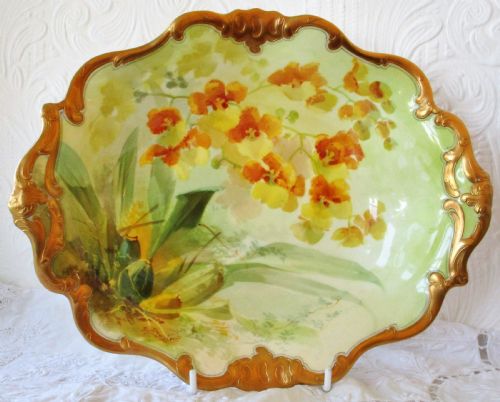
- A decorative ceramic plate intended for display rather than dining. These pieces often showcase detailed hand-painted scenes by named artists.
- Underglaze
- A method of decorating pottery before applying a transparent glaze and firing at high temperatures. This seals the painted pigment beneath the glassy surface for lasting protection.
Green Porcelain Bowl: Frequently Asked Questions
Are these bowls safe for food use?
Many older pieces contain historical glazes that are best reserved for display rather than daily dining.
Displaying them protects the fragile enamels and delicate gilt highlights from modern dishwasher detergents.
How can I tell celadon from regular green glaze?
Celadon is a traditional jade-green glaze where the colour comes from iron fired within the clay body itself.
Unlike painted green glazes, true celadon has a deep, translucent quality that appears integrated with the ceramic material.
What is Fairyland Lustre?
Fairyland Lustre is a distinctive range of iridescent ceramic designs produced during the early 20th century.
These pieces feature fantastical scenes of gnomes, dragons, and magical landscapes rendered in rich, shimmering tones.