
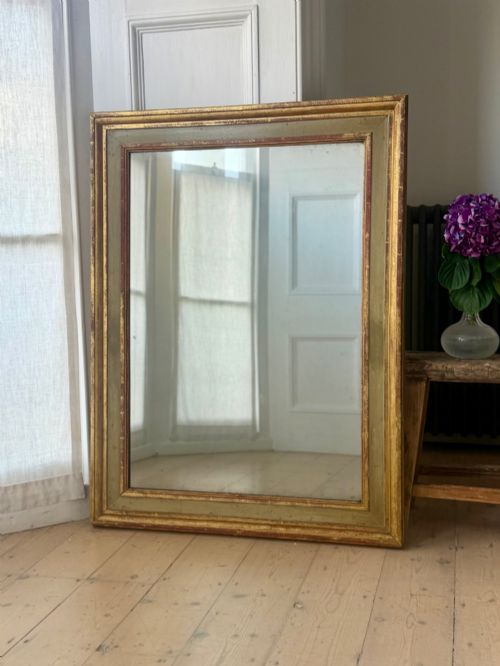
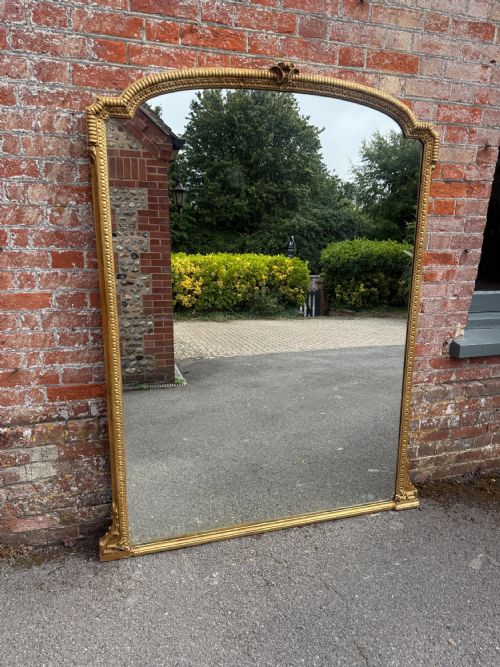
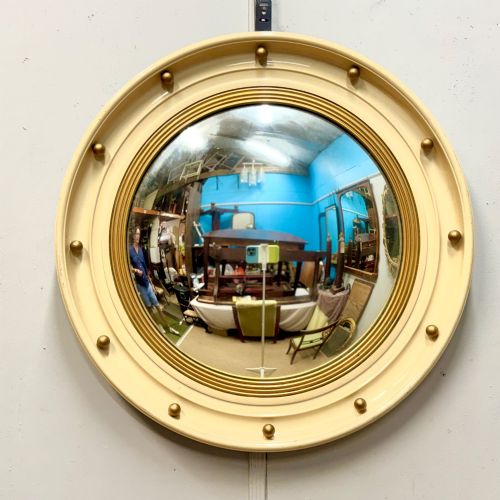
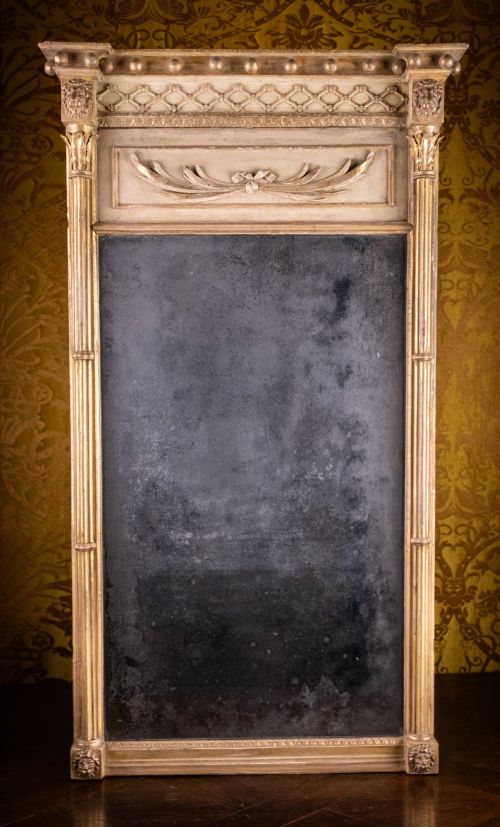
Gold Painted Wall Mirror
A gold painted wall mirror brings depth and historic character to a room, offering the light-reflecting practicality of glass combined with decorative carved and painted frames.
Gold Painted Wall Mirror
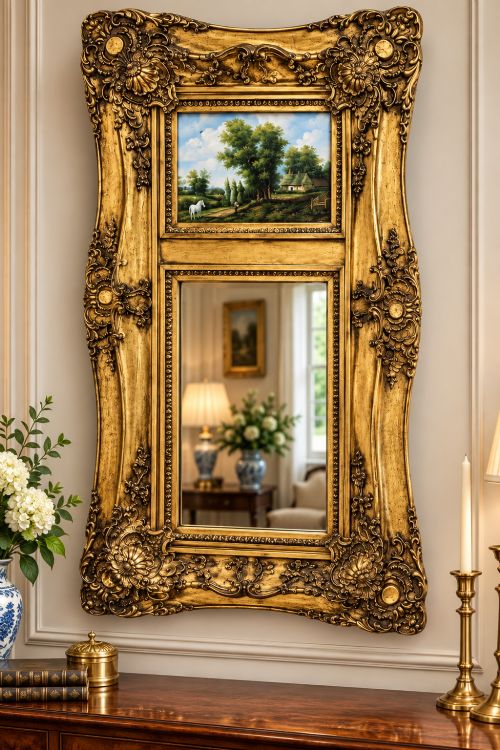
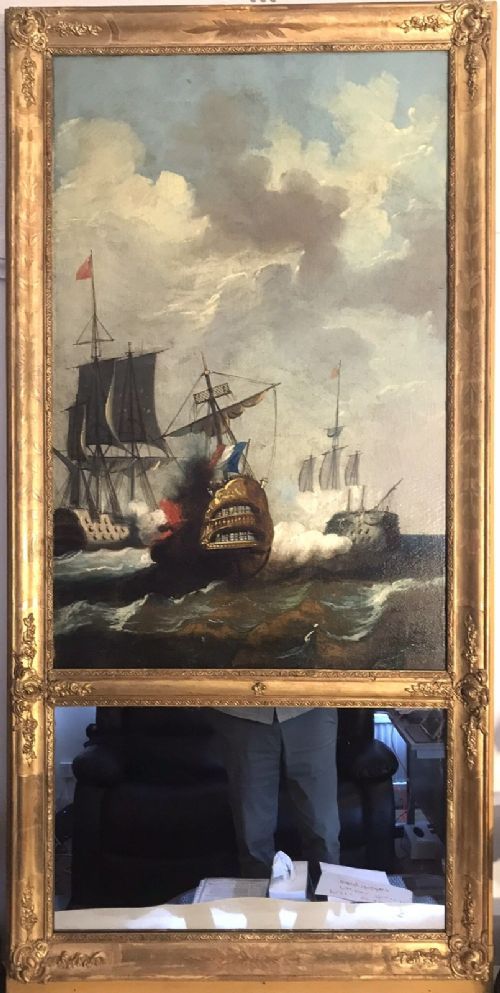
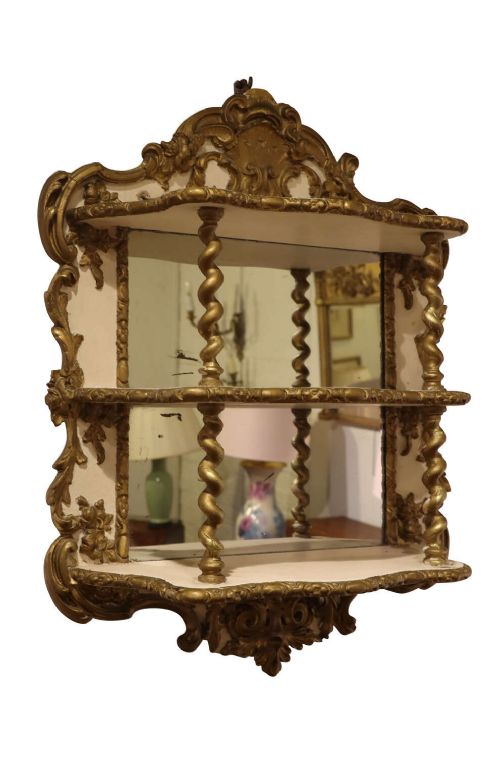
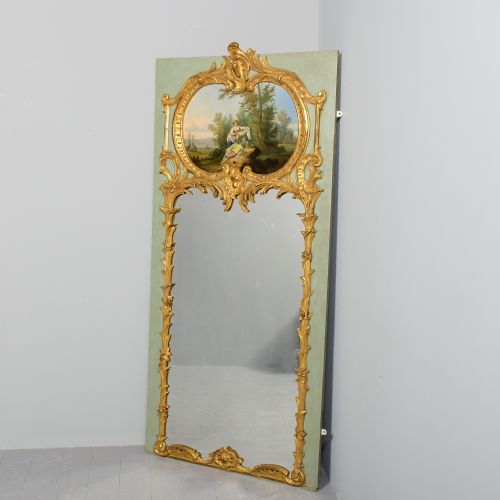
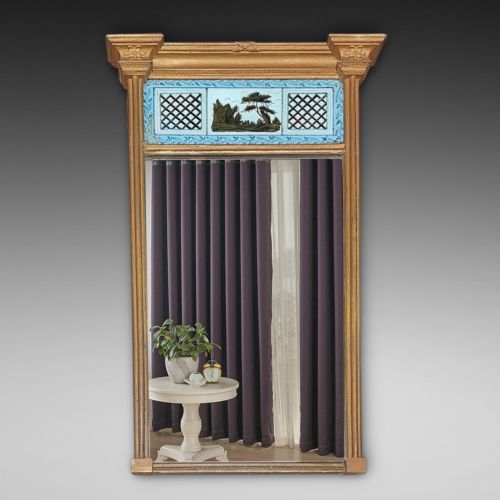
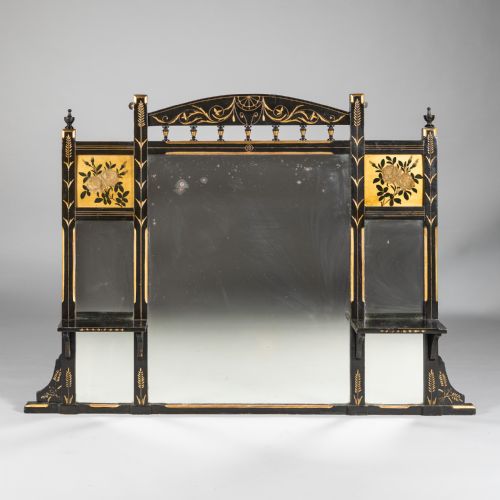
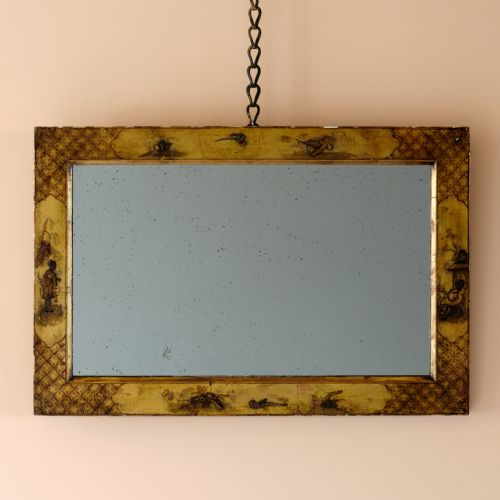
A gold painted wall mirror encompasses several distinct historical forms designed to enlarge interior spaces and catch ambient light. When searching for a gold painted wall mirror, buyers encounter grand overmantel pieces, tall pier mirrors, and elaborate trumeau panels featuring integrated oil paintings or reverse-painted glass sections.
The selection spans numerous aesthetic movements from the nineteenth century onward, including Regency, Victorian, and French Empire styles. Many examples combine painted surfaces with parcel-gilt details, giltwood, or gesso ornamentation to achieve their decorative effect.
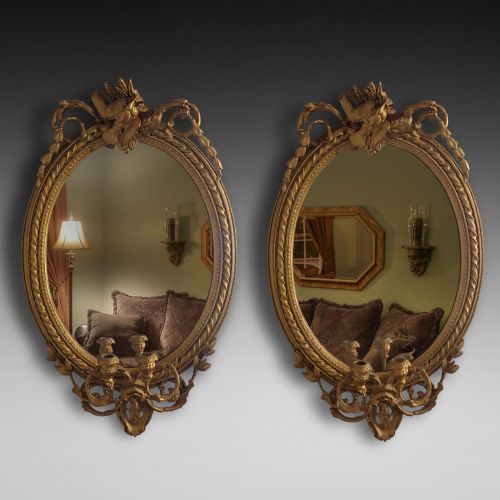
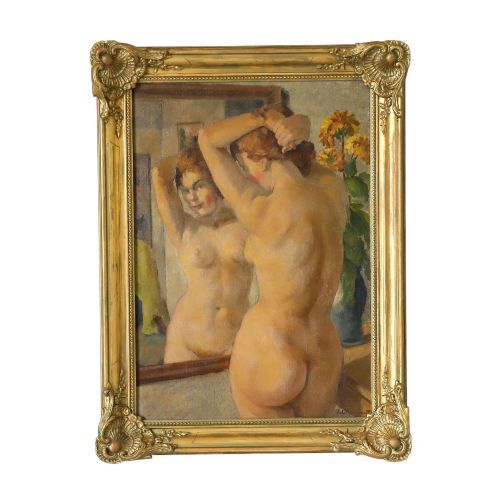
Beyond standard wall mirrors, the category includes specialised forms such as convex butlers mirrors, girandoles, and framed picture mirrors. These variations provide diverse proportions suited for placement above mantelpieces, console tables, or narrow hallway walls.
Materials and Construction Techniques
Traditional craftsmanship relies upon carved wood foundations built from timber or shaped wooden frames. Artisans applied layers of gesso to these wooden bases to create smooth or relief-moulded surfaces ready for gilding and painting.
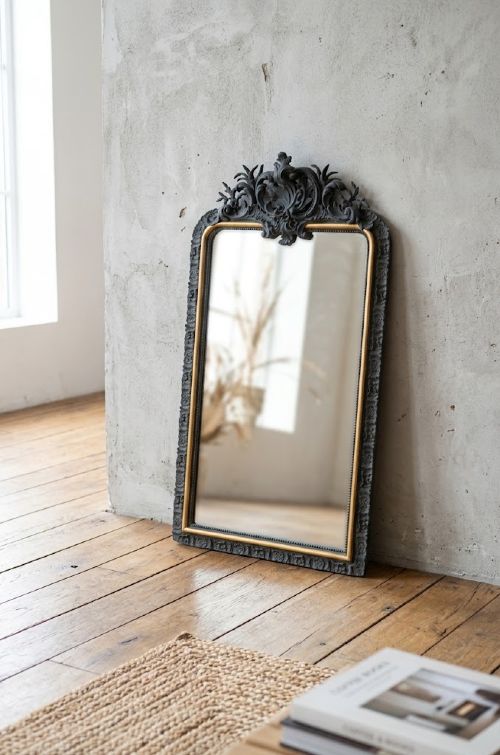
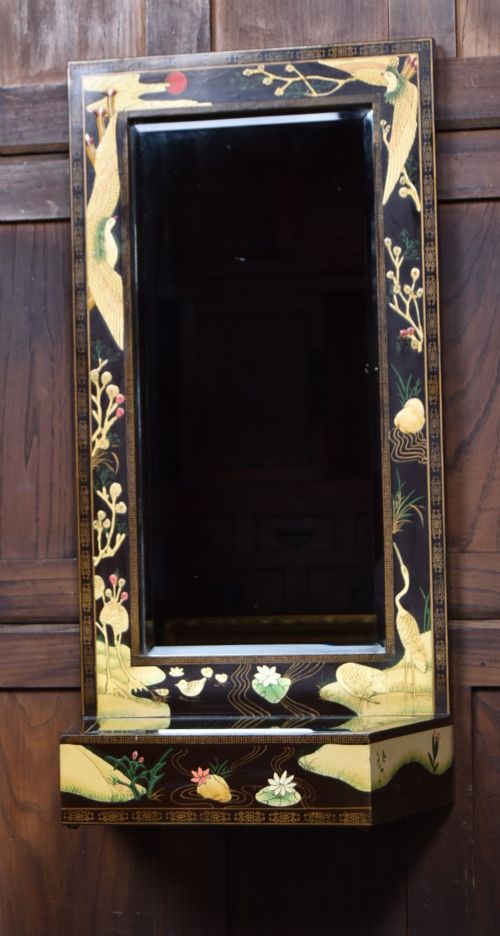
Decoration typically involves gold leaf, liquid gold paint, or parcel-gilt highlights applied over painted wood bases in colours such as olive green, cream, ebonised black, or white. Early examples often utilise mercury glass within the mirror plate, producing a characteristic mottled reflection.
Listings feature periods spanning from the seventeenth century through the Art Deco era, with nineteenth-century French and English pieces appearing most frequently.
Distinguishing Quality and Craftsmanship
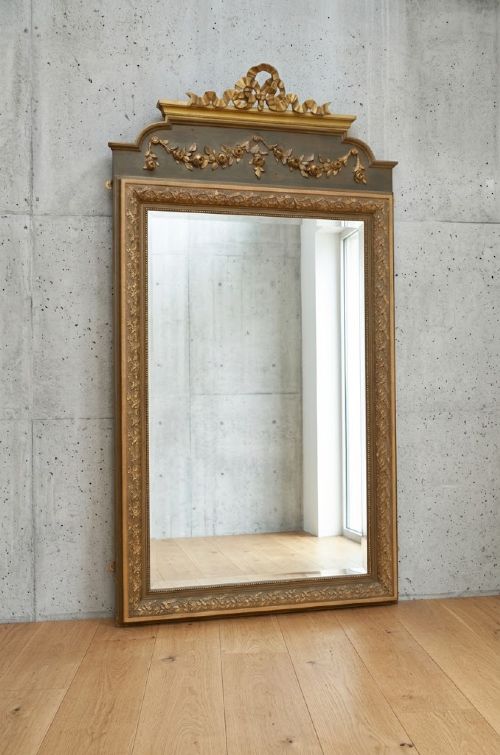
The standard of carving and the depth of gesso moulding set exceptional pieces apart from simpler decorative items. Crisp detail in wooden motifs, such as lion masks, ribbon crests, or neoclassical swags, indicates superior artisan skill during the manufacturing process.
The integrity of the original surface finish, whether aged giltwood, painted woodwork, or verre églomisé panels, determines the historical coherence of the piece. High-quality examples retain their original mirror glass and structural joinery without modern intervention.
Philippe de Rougemont
The Gold Painted Wall Mirror Glossary
- Trumeau Mirror
- A decorative wall mirror incorporating a painted panel or oil painting above the glass plate. These pieces originate largely from eighteenth and nineteenth-century French interior design.
- Pier Mirror
- A tall mirror specifically designed to hang on the wall space between two windows. They frequently feature narrow proportions to fit architectural wall piers.
- Verre Églomisé
- A cold decoration technique where gilt designs and paintings are applied to the reverse side of glass panels. This method appears on upper panels of Regency pier and trumeau mirrors.
- Gesso
- A plaster-like mixture applied to wood frames to create a smooth surface for gilding and carving. It allows artisans to shape intricate relief details before applying gold leaf.
- Overmantel Mirror
- A wide mirror designed to sit directly above a fireplace mantelpiece. They often scale horizontally to match the width of the fireplace surround.
Gold Painted Wall Mirror: Frequently Asked Questions
Where should I hang a trumeau mirror?
Trumeau mirrors suit prominent locations such as above a fireplace or centered on a primary living room wall. Their integrated paintings or panels add vertical interest to the room.
Ensure the wall structure supports the weight of the wooden frame and glass plate safely before mounting.
What is mercury glass?
Mercury glass refers to double-walled silvered glass objects or antique mirror plates created using a mercury amalgam process. This technique produces a characteristic cloudy, speckled reflection.
Antique mirrors featuring this glass display a softer, more atmospheric visual depth compared to modern silvered mirrors.
How do I identify a Regency mirror?
Regency mirrors typically display neoclassical motifs, ebonised details, or verre églomisé panels above the main glass plate. The framing often incorporates architectural elements derived from Greek and Roman design.
Look for crisp carved wood or gesso ornamentation typical of the early nineteenth century.
Can I place an overmantel mirror on a standard wall?
Overmantel mirrors function effectively on large flat walls as well as above fireplaces. Their substantial horizontal proportions help anchor large rooms.
Verify that the hanging fixings match the substantial weight of these grand nineteenth-century frames.