

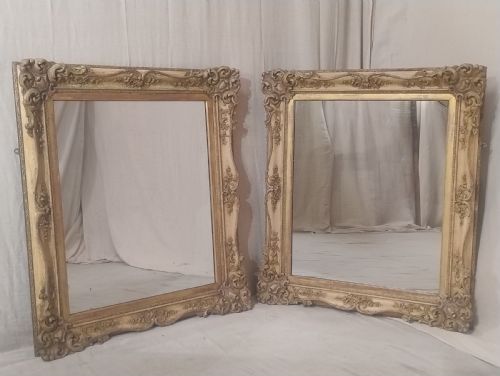


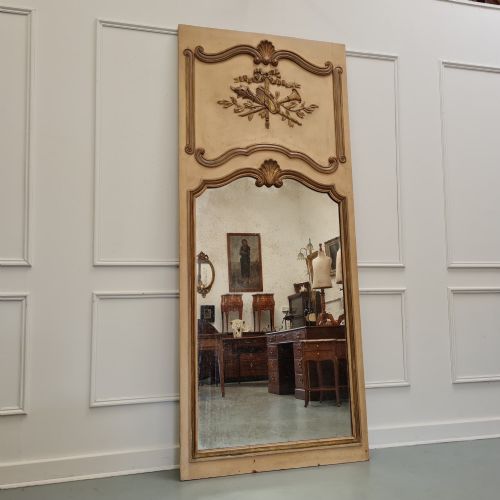


Cream Gilt Overmantel Mirror
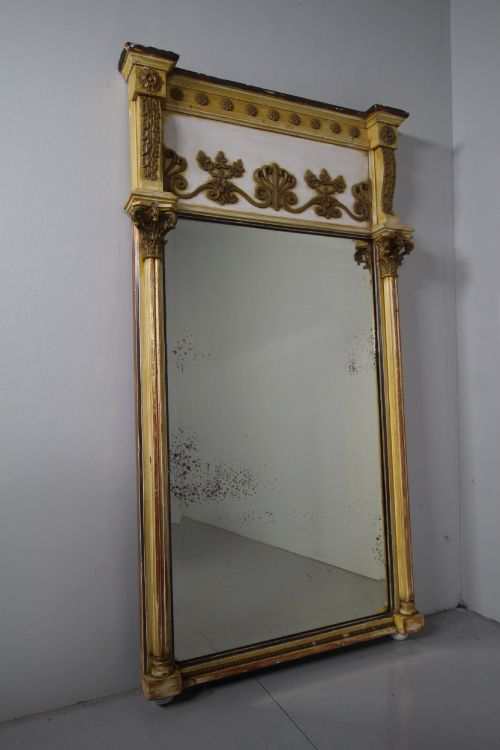
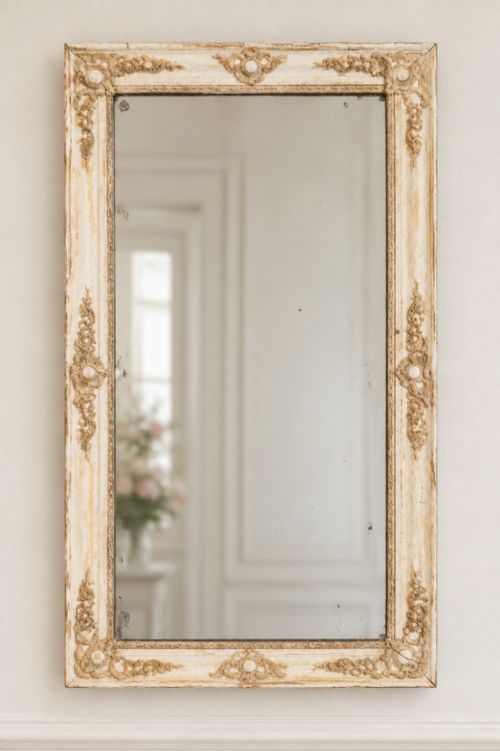
A cream gilt overmantel mirror brings architectural scale and brightness to a room, hung traditionally above a fireplace or mounted on a principal wall.
Cream Gilt Overmantel Mirror
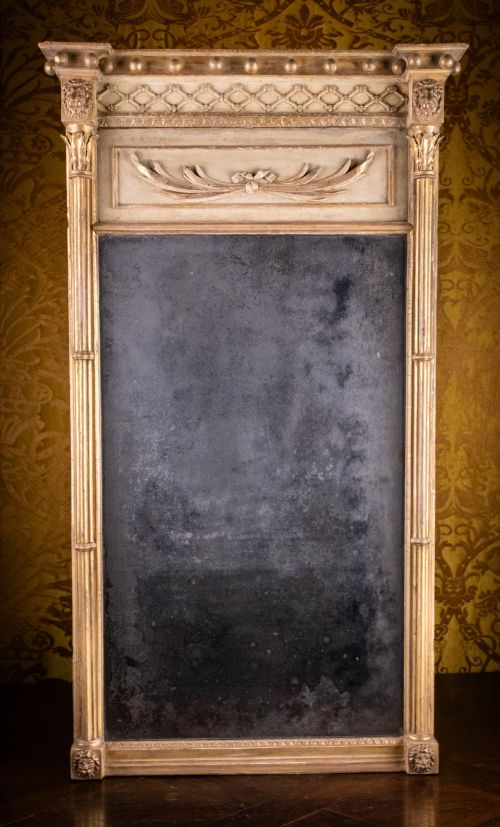
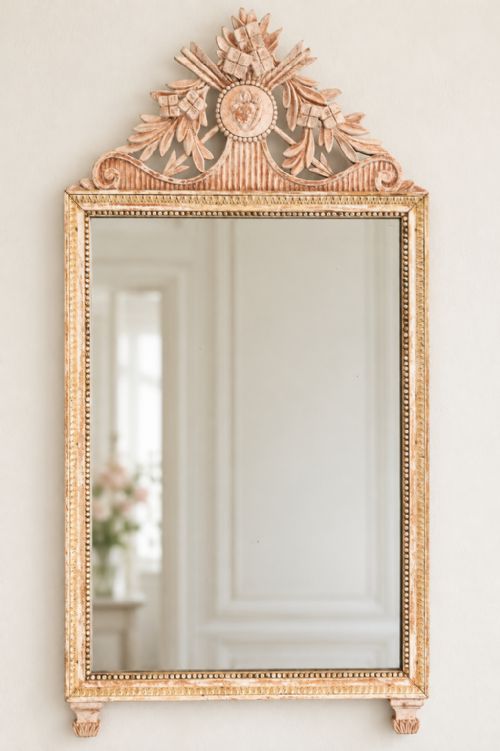
When you search for a cream gilt overmantel mirror, you encounter large horizontal or vertical wall-hanging glasses designed to sit above mantelpieces or serve as principal room mirrors. The selection spans the nineteenth century through the Edwardian period, drawing on Victorian, Regency, Rococo Revival, and French design traditions.
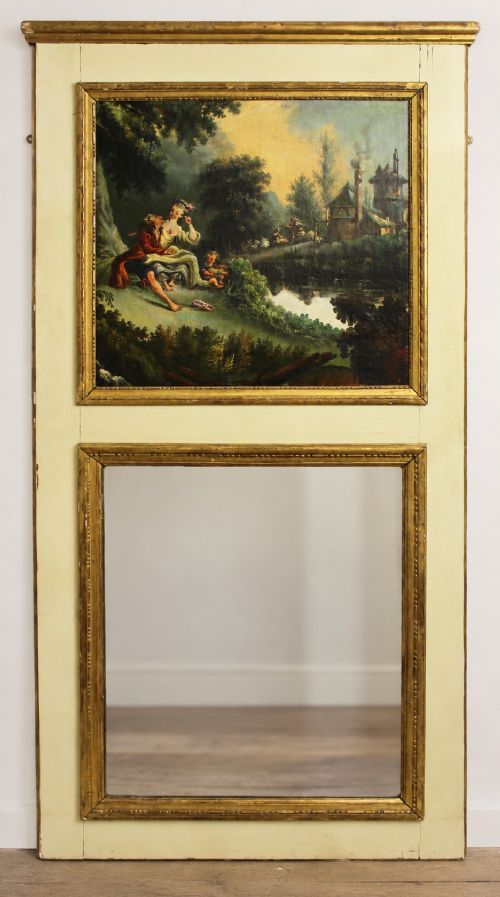
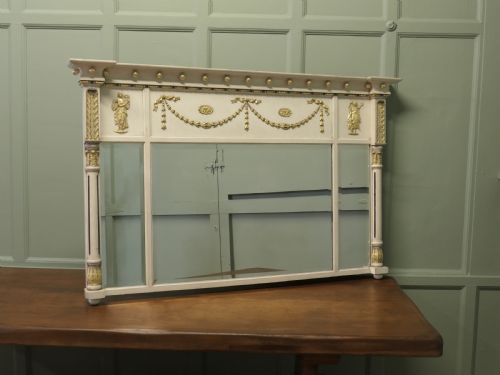
Most examples combine painted wooden frames with gilt highlights, encompassing forms such as trumeau mirrors with pastoral oil paintings, triple plate glasses, and ornate carved wood and gesso Louis Philippe models. Origins range from English workshops to French chateaux and Italian studios, offering a variety of proportions from tall pier mirrors to very large oval formats.
Materials and construction
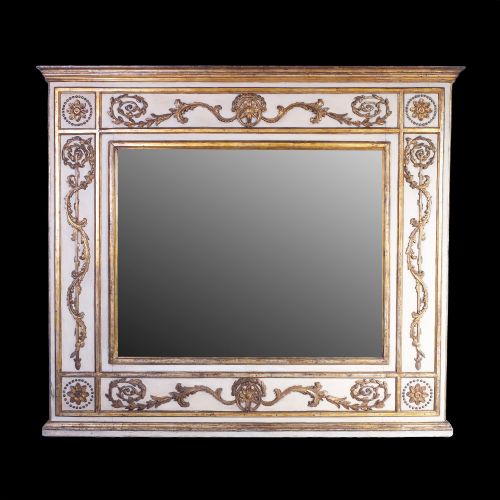
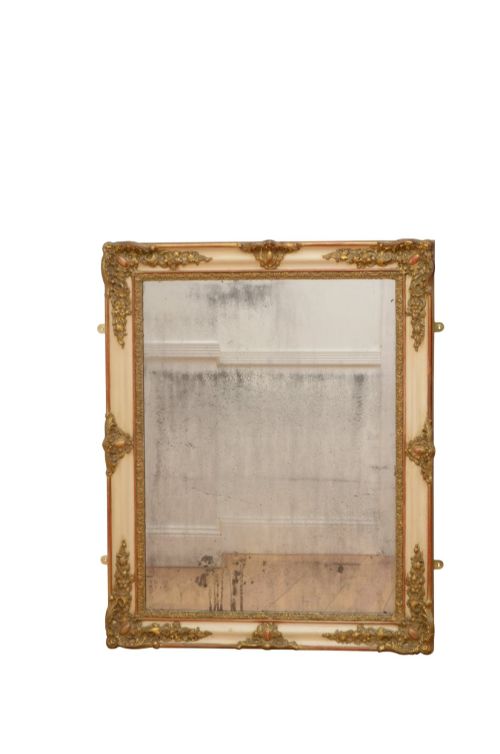
Frames are constructed from wood, often carved and prepared with layers of gesso to receive intricate surface ornamentation. Gilding techniques apply gold leaf or parcel gilt highlights to contrast against the painted cream or white ground of the woodwork.
Mirrors utilise silvered mirror glass, occasionally in triple plate configurations or paired with oil paintings on canvas within trumeau panels. Original glass plates display the subtle imperfections, depth, and foxing characteristic of nineteenth-century manufacture.
Cream Gilt Overmantel Mirror Retail Price Guide 2026
Typical asking prices for cream gilt overmantel mirror among the pieces listed under this phrase on Sellingantiques today, from the lower quarter to the upper quarter. They describe what is for sale here now, not the wider market.
Several mirrors include pastoral oil paintings tucked safely above the glass, letting landscapes permanently watch over the mantelpiece.
Distinguishing quality across pieces
Quality reveals itself in the crispness of the carved wood and gesso ornamentation, where hand-tooled depth and definition distinguish superior craftsmanship from simpler production. The handling of the painted and gilt surfaces also matters, with layered finishes and original parcel gilding showing greater nuance than later repainting.
Proportion and scale dictate the visual impact of the piece, as larger formats require robust internal joinery to support heavy glass plates safely within the frame. The presence of integrated elements such as pastoral oil paintings or original mirror glass plates further elevates the standing of an individual mirror.
The Cream Gilt Overmantel Mirror Glossary
- Overmantel mirror
- A large wall glass specifically proportioned to hang on the chimney breast directly above a fireplace mantel.
- Trumeau
- A decorative wall mirror incorporating a painted panel or oil painting above the glass, originating in neoclassical French interior design.
- Gesso
- A plaster mixture applied to wood frames and carved to create raised surface decoration before gilding or painting.
- Parcel gilt
- A decorative technique where specific carved details or highlights of a frame are gilded while the remaining surface is painted.
- Pier mirror
- A tall vertical glass designed to hang on the solid section of wall between two windows.
Cream Gilt Overmantel Mirror: Frequently Asked Questions
Where should an overmantel mirror hang?
These large mirrors traditionally mount directly onto the chimney breast above a fireplace mantel to reflect light and anchor the room's proportions.
Alternatively, they function effectively as principal wall mirrors in reception rooms or hallways when hung at eye level.
What is a trumeau mirror?
A trumeau mirror combines a vertical glass plate with an upper panel containing a painting, often featuring pastoral scenes or decorative motifs.
Originating in France, these pieces served as architectural wall decorations rather than simple looking glasses.
How do I identify a nineteenth-century frame?
Nineteenth-century frames typically utilise solid wood foundations coated in gesso for hand-carved detailing, finished with traditional gold leaf or gilt paint.
Closer inspection reveals the weight of the timber construction and the subtle surface wear expected from age.
What does parcel gilt mean?
Parcel gilt describes a finish where only selected portions of a frame receive gold leaf or gilt treatment, leaving the base colour visible elsewhere.
This technique highlights specific carved motifs and architectural mouldings on the woodwork.