


Gold Framed Wall Plaque
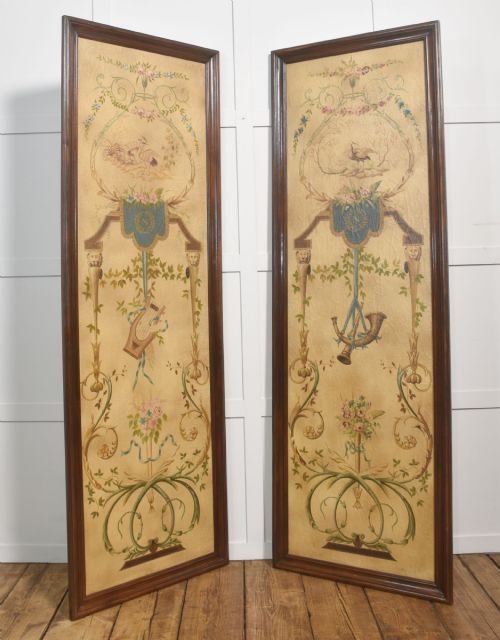
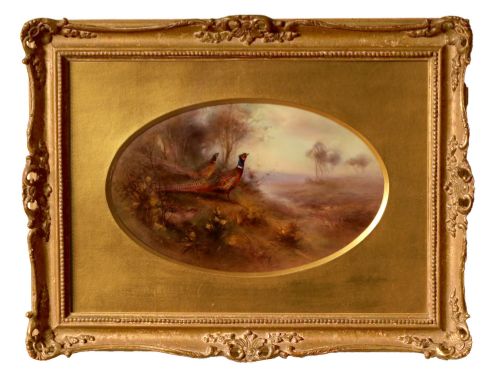
These gold framed wall plaque examples bring rich decorative focus to interiors through painted porcelain and carved wood.
Gold Framed Wall Plaque
A gold framed wall plaque brings focused imagery and fine materials to a room, ranging from devotional icons to hand-painted porcelain and decorative panels. You find these works set within giltwood, bronze, or ormolu frames that highlight the painted or sculpted scene within.
The versions most common on this page span the nineteenth and early twentieth centuries, drawing heavily on Victorian, Edwardian, and revival aesthetics. Makers utilised porcelain, wood, and glass to create lasting decorative art for domestic and sacred spaces.
How they were made
Painters applied fine pigments to porcelain plaques or wooden panels, often firing the porcelain multiple times to fix the detailed scenes. Artisans then housed these works inside carved giltwood frames, gilded wood surrounds, or cast ormolu mounts.
Techniques range from pate-sur-pate porcelain layering to delicate hand-painted brushwork after Renaissance masters. Frames received careful gilding over gesso and wood, matching the ornate character of the period.
Some nineteenth-century porcelain plaques depict quiet moments of sea spray and classical romance while others record centuries-old saints.
What varies in quality
Quality rests in the precision of the hand-painted detail and the depth of the porcelain firing, where finer examples display subtle tonal gradations and careful brushwork. Signatures from established painters or notable manufactories elevate the standing of a piece.
The craftsmanship of the frame dictates much of the visual impact, with deeply carved giltwood and cast metal mounts outperforming simpler wooden surrounds. Preservation of the original painted surface and the gilding without modern repainting matters greatly.
James Stinton·Icilio Federico Joni·H Desprez
The Gold Framed Wall Plaque Glossary
- Pate-sur-pate
- A method of porcelain decoration where liquid clay is built up in successive layers to create a low relief cameo effect before firing. This technique demands exceptional skill from the ceramic artist.
- Giltwood
- Wood that has been coated with a thin layer of gold leaf or gold powder over a prepared gesso ground. It provides a luminous border for framed porcelain and painted panels.
- Ex Voto
- A votive offering placed in a sacred setting for the fulfillment of a vow or in gratitude for a grace received. These devotional items often take the form of painted panels or metal plaques.
- Ormolu
- Gilded bronze mounts cast and chased for decorative effect on frames and furniture. The finish mimics solid gold through the application of a mercury amalgam or modern electroplating.
- Icon
- A religious work of art, most commonly painted on wood panels within Orthodox Christian traditions. These pieces depict sacred figures and carry deep spiritual significance.
Gold Framed Wall Plaque: Frequently Asked Questions
How do I hang a heavy gold framed wall plaque safely?
Ensure your wall fixings match the weight of the frame, especially when dealing with dense giltwood and porcelain pieces. Use picture wire rated well above the weight of the object and anchor directly into wall studs where possible.
Position the plaque at eye level to best appreciate the painted details and the craftsmanship of the frame. Keep the piece away from direct sunlight and moisture to protect the delicate pigments and the gilded surface.
What is the difference between porcelain plaques and painted panels?
Porcelain plaques utilise fired ceramic as the base for painted imagery, often resulting in a glossy, enduring finish. Painted panels are typically executed on wood or canvas surfaces, bringing different textural qualities to the artwork.
Both formats were popular during the nineteenth and early twentieth centuries, frequently housed within ornate gold frames. Examining the reverse of the piece often reveals factory marks or wood grain that clarifies the medium.
How should I clean a antique gold framed wall plaque?
Dust the frame and plaque gently with a soft, dry brush to remove surface particles without disturbing the surface. Avoid using liquid cleaners or chemical sprays on both the giltwood and the painted porcelain.
Professional restoration is recommended if the gilding flakes or the painted surface shows signs of instability. Regular, careful dusting is usually all that is required for maintenance.
Are these plaques signed by the artists?
Many porcelain plaques and decorative panels feature artist signatures or manufactory marks on the front or the reverse. Signatures from notable painters add significant interest for collectors of fine ceramics and art.
Unsigned pieces remain common, often identified by their style, period characteristics, and framing techniques. Examining the piece under good light helps reveal faint maker stamps or handwritten inscriptions.