
Gold Brass Side Table
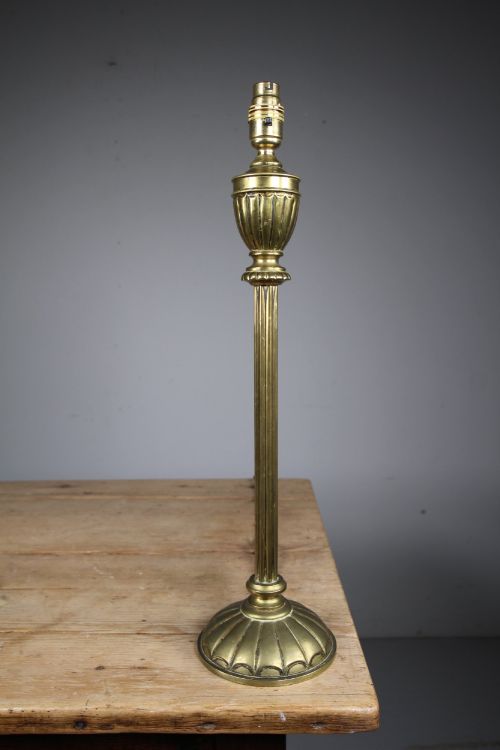
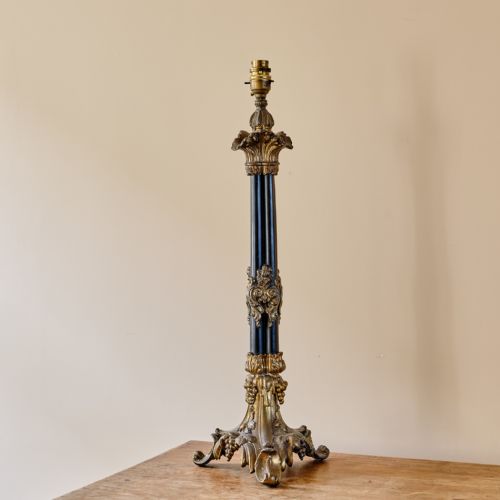
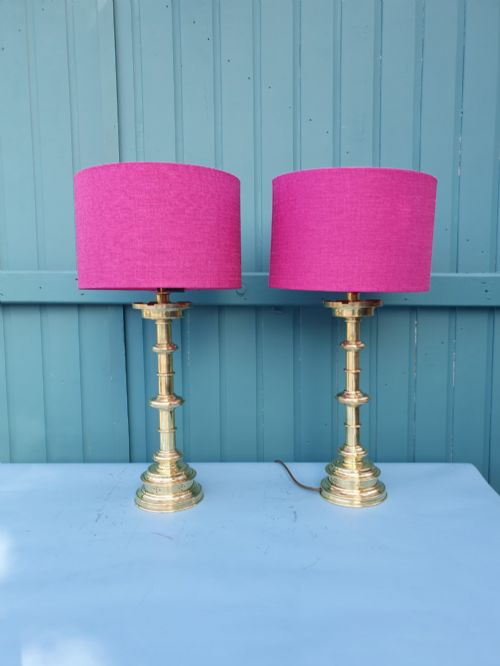
These gold brass side table options encompass everything from diminutive occasional pieces to elaborate lamp stands, bringing metallic warmth and period character to an interior.
Gold Brass Side Table
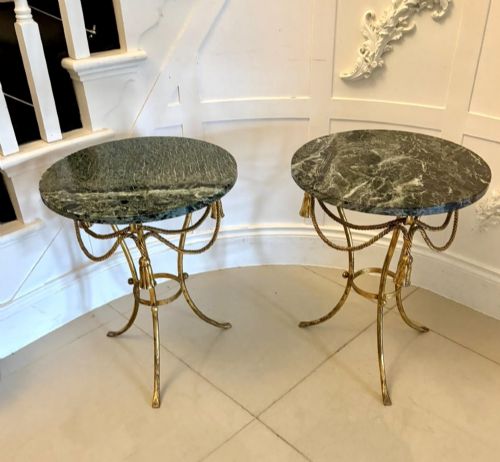
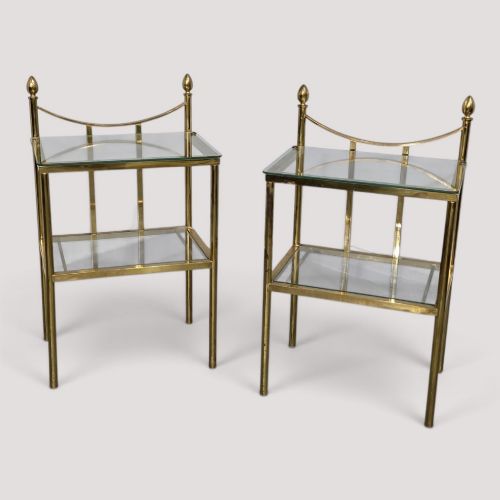
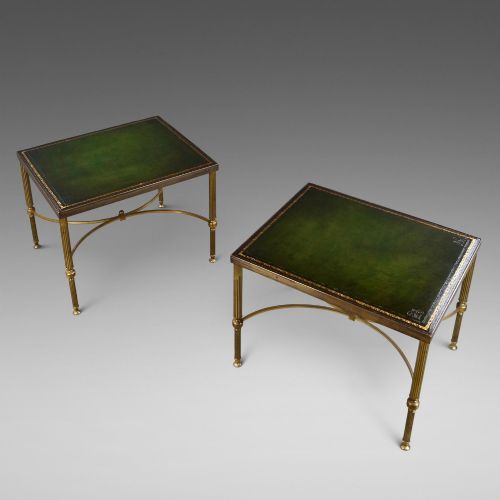
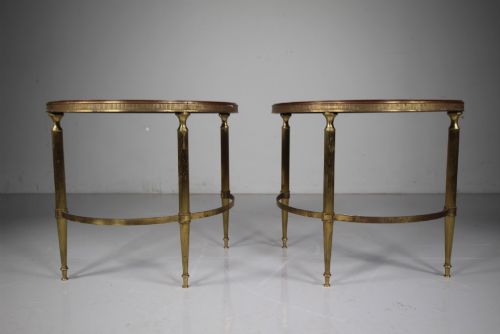
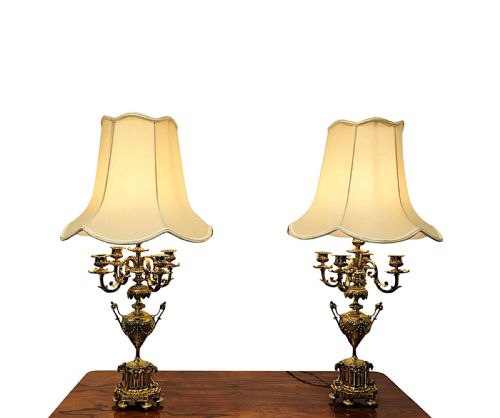
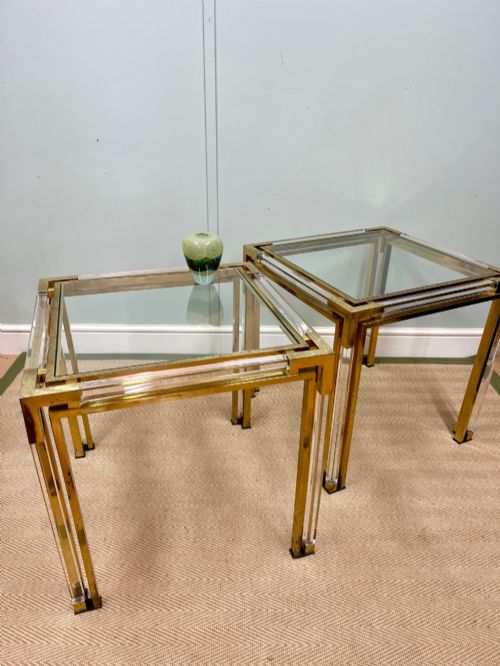
When searching for a gold brass side table, buyers encounter a diverse mix of occasional furniture, lamp tables, and plant stands dating from the Victorian and Edwardian eras through to the Art Deco period. The selection includes French Rococo Revival forms, Neoclassical side tables, and occasional pieces featuring inset marble or glass tops.
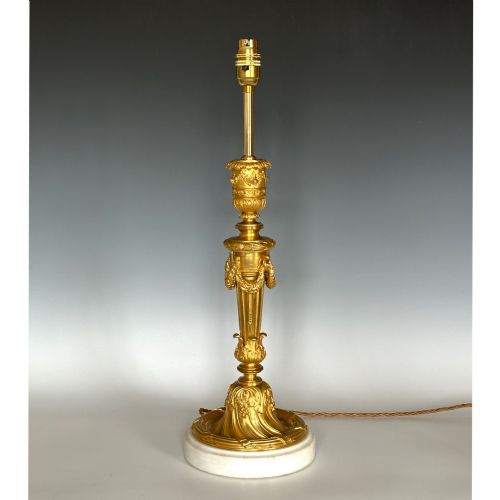
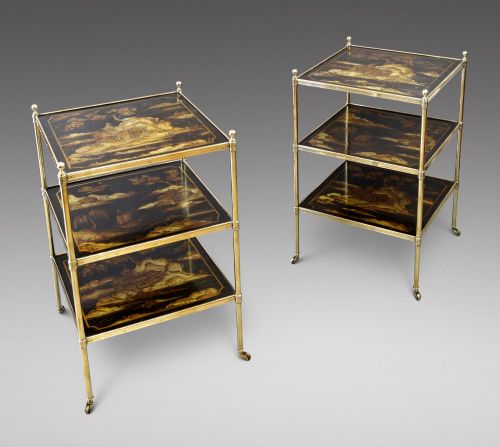
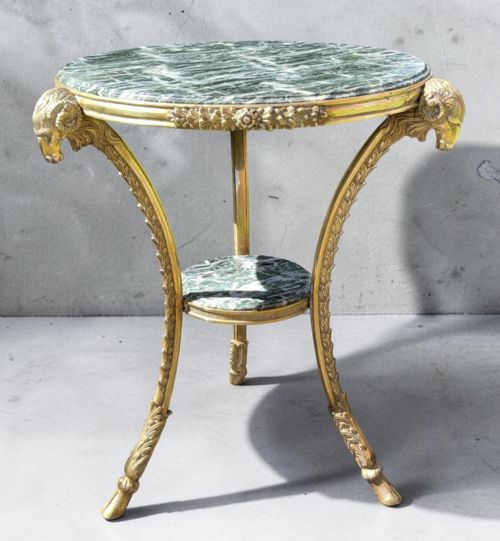
Many listings under this phrase encompass specialised smaller furniture items such as demi-lune tables, etageres, and gueridons. These serve effectively as bedside cabinets or compact surfaces beside seating, often incorporating gilt bronze, ormolu, or gilded metal finishes alongside wood and onyx.
How they were made
Construction relies heavily on cast and pressed brass, ormolu, and gilt bronze, frequently paired with contrasting natural materials such as marble, onyx, glass, and various woods. Metal components are often chiseled, openworked, or inlaid to achieve ornate decorative detail.
Surfaces combine structural metal frameworks with stone or glass table tops, whilst specialised items utilise traditional joinery and turning techniques. Gilded finishes are applied to base metals to impart a bright, reflective golden appearance.
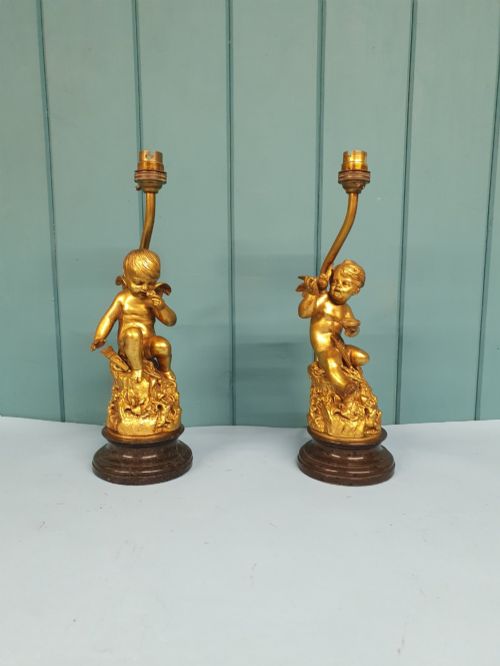
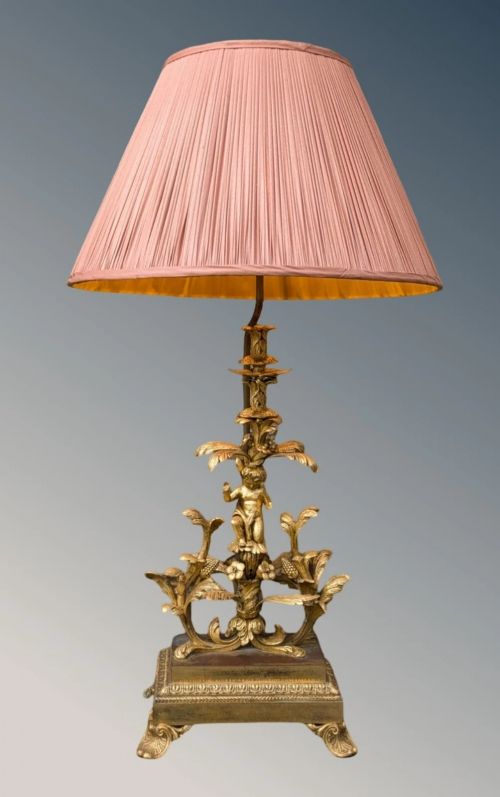
Several tables come with rams' heads or cherubs attached, ensuring your tea cup rests in the company of mythological beasts.
What varies in quality
The standard of a piece depends largely on the crispness of the cast metalwork and the integration of secondary materials like marble or glass. Finer examples display deeply chased ornamentation, substantial weight in the brass or bronze, and precise fitting between the metallic frame and the inset top.
Design execution separates standard production items from masterworks, with stylistic coherence playing a major role. Pieces adhering closely to specific stylistic traditions, such as Louis XV or Art Deco, demonstrate superior proportion and decorative restraint.
Maison Millet
The Gold Brass Side Table Glossary
- Ormolu
- Gilded bronze, typically produced using a mercury amalgamation process on cast bronze objects. This technique creates a rich, golden finish frequently seen on 19th-century French furnishings.
- Guéridon
- A small occasional table, usually round and supported by a central pillar or multiple legs. Originating in France, these pieces often incorporate marble tops and decorative brass mounts.
- Demi-lune
- A half-moon shaped table designed to sit flat against a wall. These compact surfaces function well in narrow hallways or as space-saving side tables.
- Etagere
- A set of open shelves for displaying small objects or lamps. These tiered pieces utilise brass frames combined with glass or marble surfaces.
- Cairoware
- Metalwork originating from Cairo, typically consisting of brass inlaid with silver, gold, or copper in intricate Islamic motifs. These pieces appeared frequently in Orientalist interiors during the late 19th and early 20th centuries.
Gold Brass Side Table: Frequently Asked Questions
What is a gold brass side table used for?
These tables provide compact surface space for lamps, drinks, or decorative items within a room. Their modest footprints allow them to fit easily beside armchairs, sofas, or beds.
Beyond simple utility, their metallic frames and decorative tops introduce visual warmth and period style into an interior scheme.
How do I date a brass side table?
Dating relies on identifying stylistic markers, manufacturing techniques, and accompanying materials such as marble or onyx. Pieces span from Victorian and Edwardian periods through to Art Deco and 1930s designs.
Examining the casting quality, construction joints, and decorative motifs helps narrow down the specific decade or era of manufacture.
Are these tables sturdy enough for daily use?
Most occasional tables and lamp stands are built to support moderate weights such as lighting, books, or small decorative objects. Heavier stone tops like marble provide a stable base, though the underlying metal frames require careful handling.
Placing them away from heavy traffic areas helps preserve delicate gilt finishes and glass components over time.
What is the difference between brass and ormolu?
Brass is an alloy of copper and zinc, widely used for structural frames, cast components, and spun lamp bases. Ormolu specifically denotes gilded bronze, historically created by applying gold amalgam to a bronze base.
While both offer a golden appearance, ormolu typically exhibits a deeper, more refined lustre associated with high-status French decorative arts.