




Antique Onyx Side Table
An antique onyx side table brings cool stone surfaces and gleaming metal mounts into a room.
Antique Onyx Side Table
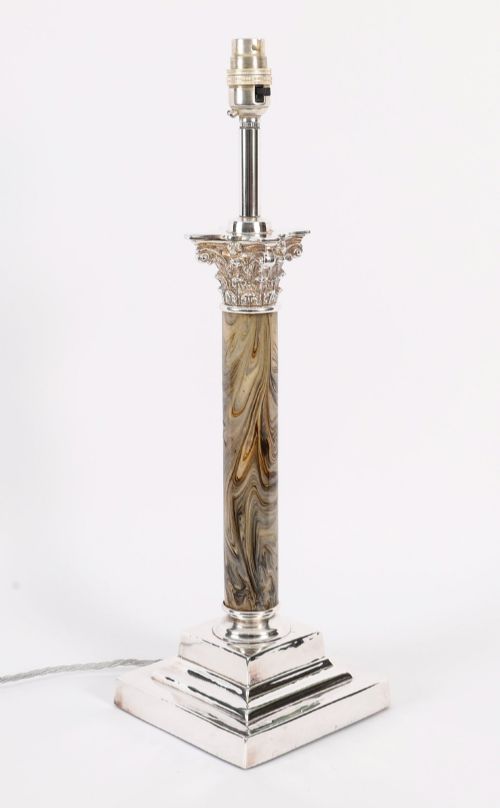
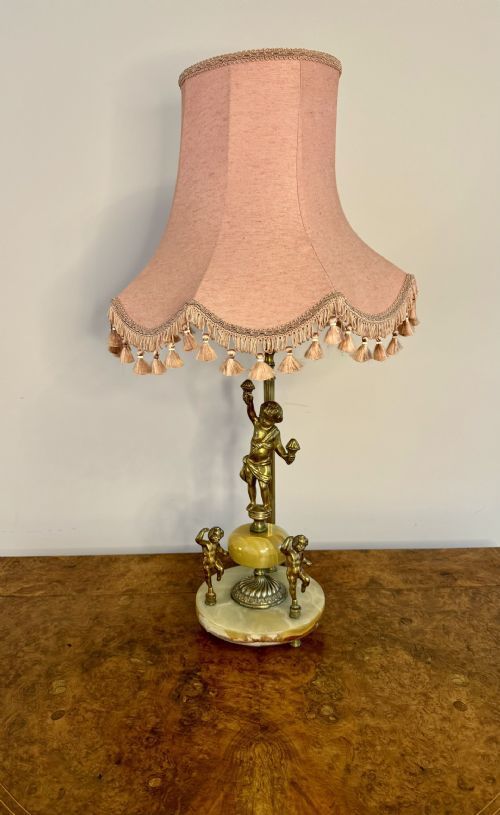
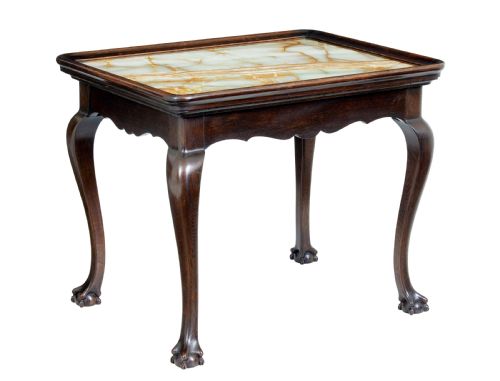
An antique onyx side table combines polished stone tops with metal frameworks, often taking the form of occasional tables, pedestal tables, plant stands, and tea tables. These pieces emerge from periods ranging from the late nineteenth century through to the nineteen-thirties, reflecting diverse influences like Neoclassical Revival, Edwardian, and Napoleon III styles.
The version most commonly met on this page is the French occasional or side table featuring a circular or shaped onyx top supported by gilt metal, brass, or ormolu mounts. Alongside these stands and tables, the search frequently pulls in related decorative forms such as pedestal tables and plant stands sharing the same signature materials.
Buyers look for these tables to introduce a refined surface to a corner or seating area, valuing the distinctive banding and colour variation inherent in natural onyx. The combination of polished stone and detailed metalwork provides a striking focal point without dominating a smaller interior space.
How they were made
Makers constructed these tables by pairing slabs of polished onyx with structural frames of brass, gilded brass, or gilt metal. The stone tops required careful cutting and polishing to reveal the natural grain, while the metal components often utilised casting and chasing techniques to achieve crisp decorative details.
Many examples incorporate secondary materials such as mahogany, oak, or walnut for framing and tiered shelves, joined with traditional cabinetry methods. Gilded bronze or ormolu mounts are frequently secured to the corners and legs, adding architectural punctuation to the stone and metal composition.
Several tables meant for holding plants now spend their retirement supporting modern table lamps instead of ferns.
What varies in quality
The quality of an antique onyx side table rests primarily on the depth and activity of the stone grain, alongside the crispness of the metal mounts. Finer pieces display richly figured onyx free of heavy repairs, paired with cast bronze or ormolu rather than simpler plated alternatives.
Construction details also separate standard examples from finer works, visible in the weight of the brass supports and the precision of the joinery on tiered stands. Tables retaining their original gilding and undamaged stone edges command greater appreciation among collectors.
The Antique Onyx Side Table Glossary
- Onyx
- A form of chalcedony quartz featuring parallel bands of colour, prized for its translucent polished surface. It provides the smooth, decorative top characteristic of these tables.
- Ormolu
- Gilded bronze produced by applying a mercury and gold amalgam to cast bronze. This technique creates a rich, durable golden finish on decorative mounts.
- Neoclassical Revival
- A nineteenth-century style drawing inspiration from classical Greek and Roman architecture. It appears here through formal column supports and symmetrical ornamentation.
- Occasional table
- A small, versatile table designed for specific, intermittent use rather than central daily service. These pieces easily move between corners and seating groups.
- Napoleon III Style
- A French eclectic design period spanning the mid to late nineteenth century. It mixes historical motifs with opulent materials like gilt metal and onyx.
Antique Onyx Side Table: Frequently Asked Questions
How do I clean an onyx top?
Wipe the stone surface gently using a soft, damp cloth without harsh chemical cleaners.
Onyx is a softer stone that can etch easily when exposed to acidic liquids or abrasive substances.
Are these tables sturdy enough for daily use?
Most occasional tables and plant stands serve well for holding lamps or decorative objects.
Their slender brass and gilt metal frames are designed for lightness rather than supporting heavy loads.
How do I identify a Napoleon III piece?
Look for ornate cast bronze or ormolu mounts combined with rich materials like onyx and exotic woods.
This nineteenth-century French style leans heavily on classical symmetry paired with decorative flair.
Where does the onyx usually come from?
Nineteenth-century makers sourced decorative stones from quarries across Europe and North Africa.
French workshops frequently utilised these imported mineral slabs for high-end occasional furniture.