
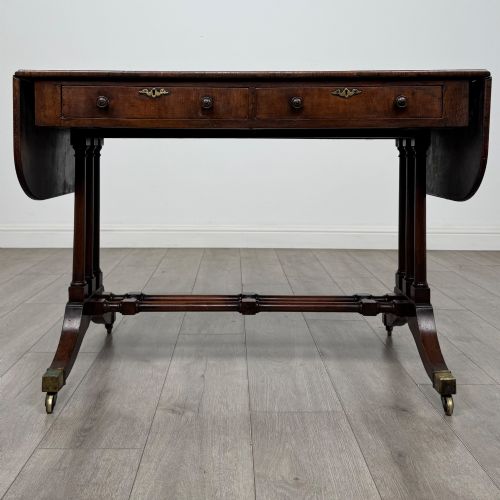
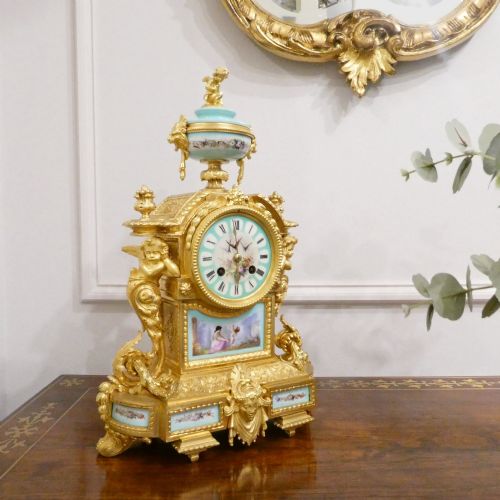
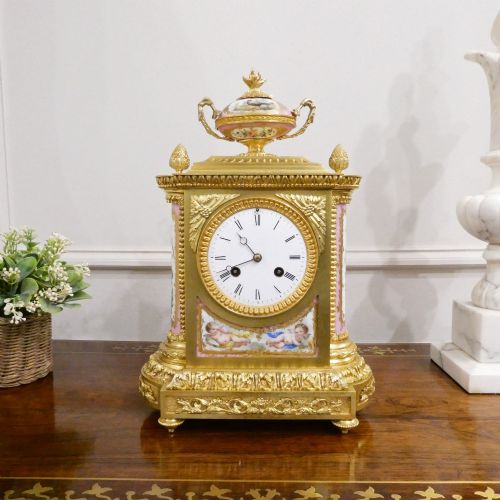
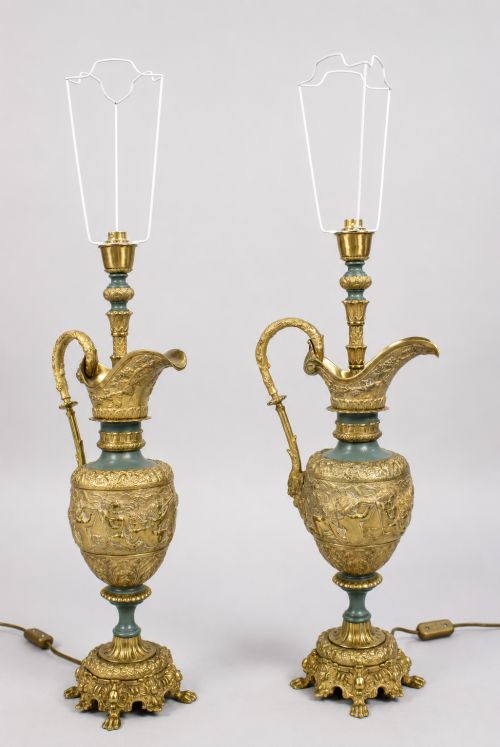
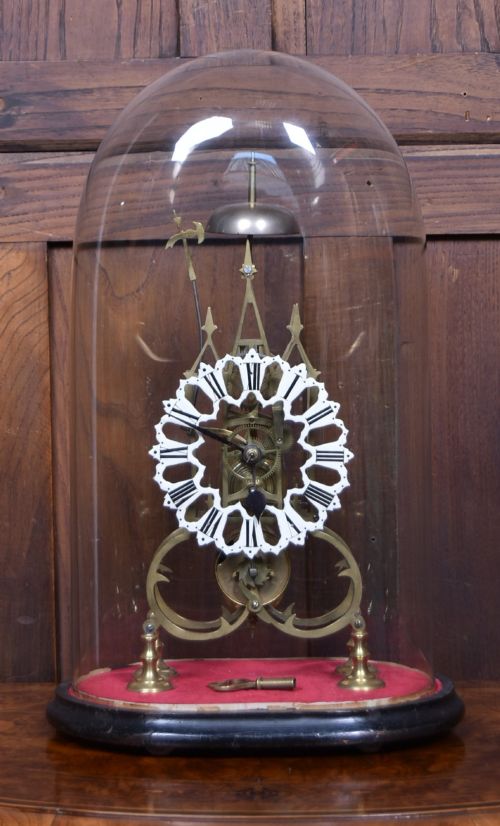
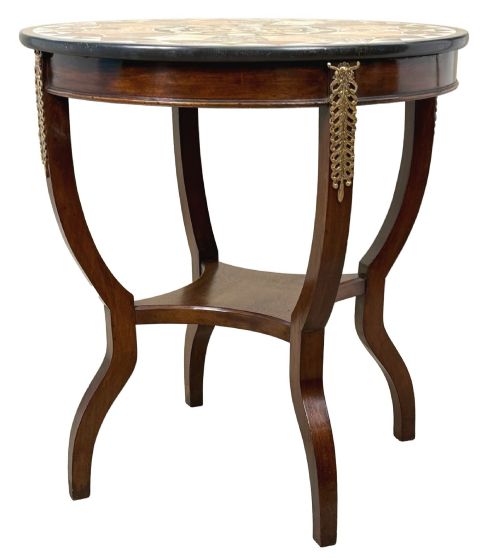
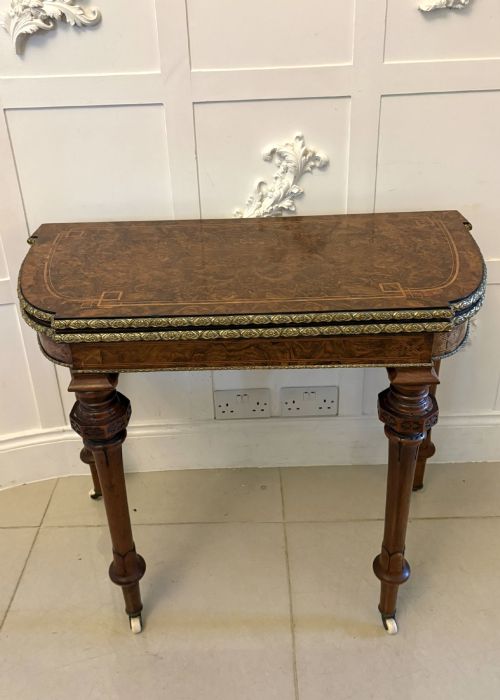
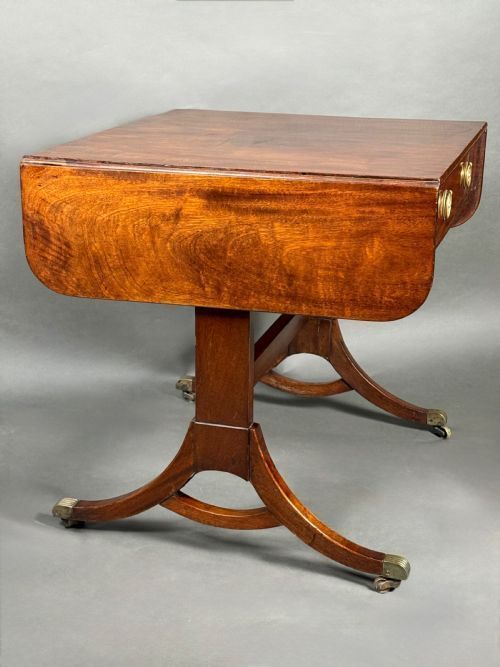
19th Century Brass Table
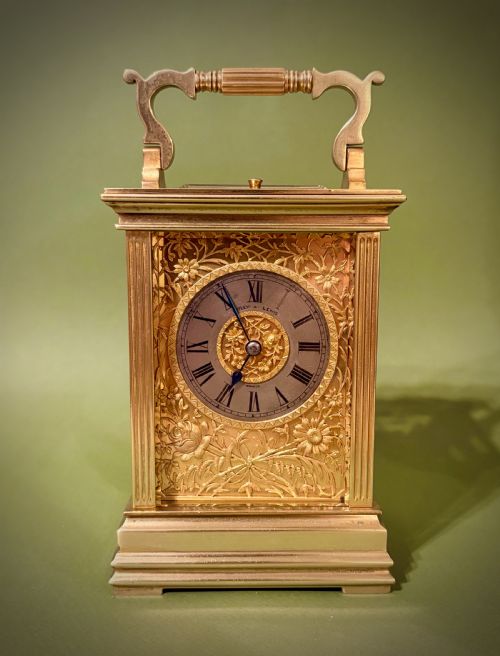
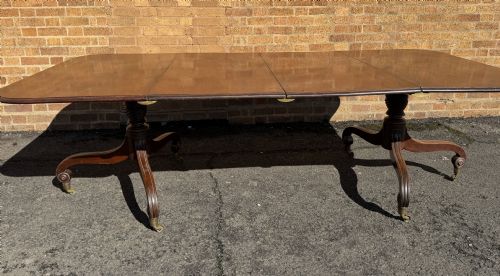
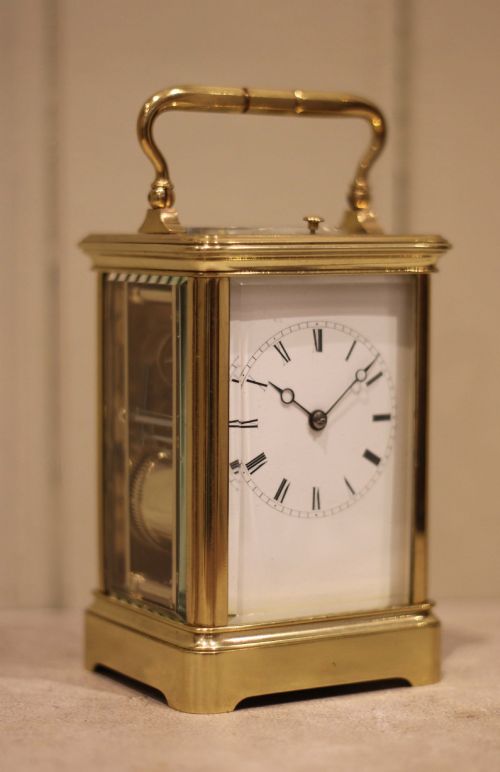
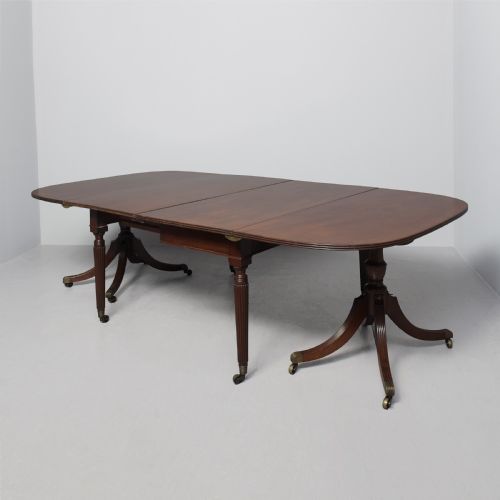
When searching for a 19th century brass table, buyers discover striking pieces combining utilitarian strength with decorative metalwork.
19th Century Brass Table
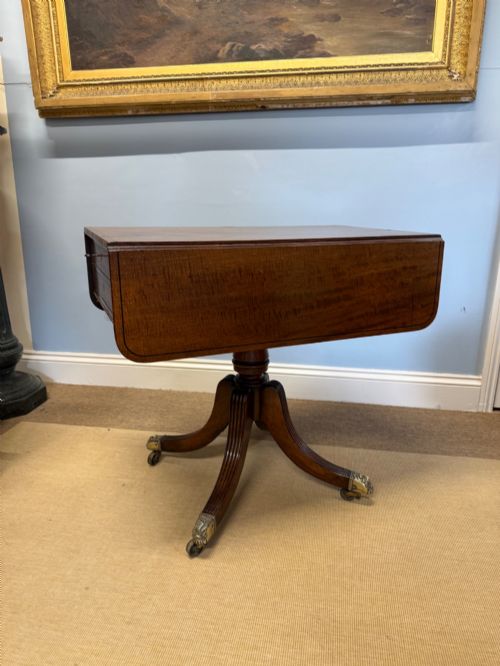
A 19th century brass table encompasses various occasional, writing, and bistro designs incorporating metal mounts, edges, galleries, or inlays. Buyers seeking this phrase encounter small occasional tables, drum tables, and writing desks produced during the Victorian, Regency, and French periods.
The material integration ranges from subtle stringing and edge banding to substantial cast components and decorative galleries. Many surviving examples pair solid timber frames with contrasting brass hardware, hinges, and feet.
How They Were Made
Cabinetmakers constructed the primary carcases using dense timbers like mahogany, rosewood, oak, and satinwood, frequently enhanced with veneer and marquetry. Brass elements were cast, chased, or drawn into wire before being fitted into housings or screwed directly onto the wood surfaces.
Inlaid pieces required meticulous hand-cutting of channels into the timber surface to receive brass stringing or motifs. Cast brass mounts, feet, and galleries were secured with small traditional pins or screws, reflecting period joinery methods.
A nineteenth century skittles game appears among the furniture, proving that Victorians took their indoor bowling very seriously.
What Varies in Quality
The standard of a 19th century brass table depends on the precision of the brass inlay, the weight of the cast mounts, and the choice of primary timber. Finer examples display crisp chasing on ormolu or gilt brass elements and seamless integration with the surrounding wood.
Construction details such as dovetailed drawer linings, original hardware, and refined turning elevate the status of a piece. Heavier gauge brass galleries and robust structural joinery distinguish superior workshops from standard production.
Gillows of Lancaster·Trollope and Sons·Japy Freres·Brockbanks and Atkins·Thomson of London
The 19th Century Brass Table Glossary
- Ormolu
- Gilt bronze or brass applied to furniture mounts and decorative objects. This technique involves coating a metal base with a mercury and gold amalgam before heating.
- Bouillotte
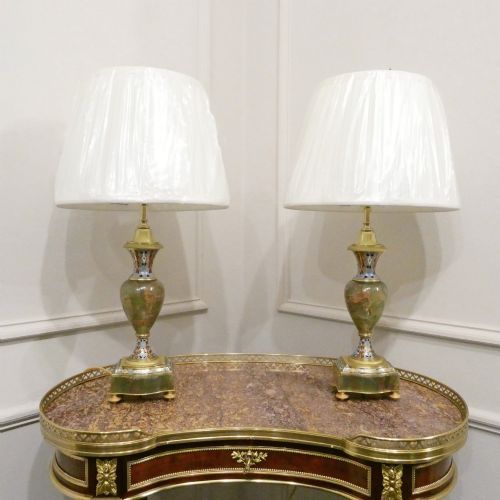
- A small card table featuring a raised brass gallery around the edge of the circular top. These tables originated in France for a specific game of chance.
- Gallery
- A decorative raised rail or pierced rim surrounding the perimeter of a tabletop. They were constructed in brass to prevent items from sliding off.
- Campaign
- Furniture designed to dismantle or fold easily for military transport during the nineteenth century. These pieces characteristically feature recessed brass corners and flush handles.
- Marquetry
- Decorative veneer work formed by fitting together pieces of various woods, shell, or metal to create pictorial designs. Artisans inlaid these patterns into the main surfaces of tables and cabinets.
19th Century Brass Table: Frequently Asked Questions
How do I clean brass mounts?
Maintenance requires gentle dusting with a soft cloth to prevent the accumulation of dirt in intricate crevices. Avoid harsh chemical polishes that strip the historic patina from the metal.
Apply a microcrystalline wax sparingly if protection against oxidation is necessary. Keep moisture away from the adjacent wood surfaces during any cleaning process.
Were these tables used for dining?
Smaller variations served for reading, writing, or holding decorative lamps rather than formal meals. Larger dining formats relied on timber construction with occasional brass extending mechanisms.
Occasional, drum, and pembroke tables functioned as movable surfaces for drawing rooms and libraries. Their scale suited intimate domestic tasks rather than large gatherings.
How do I identify Regency pieces?
Regency items typically display classical restraint, inspired by ancient Roman, Greek, and Egyptian motifs. Look for clean architectural lines combined with contrasting brass inlay and dark mahogany or rosewood.
Proportions remain balanced, and ornamentation emphasises geometry rather than heavy carving. Brass stringing and lion paw feet frequently appear within this design vocabulary.
Are brass galleries original?
Original galleries show consistent wear patterns and period-appropriate fixing methods matching the age of the timber top. Replacements often feature modern screw threads or mismatched patination compared to the rest of the metalwork.
Examine the underside of the tabletop to check whether fixing holes align with older construction techniques. Professional dealers can confirm the period authenticity of these decorative rims.