


Antique Brass Tea Table
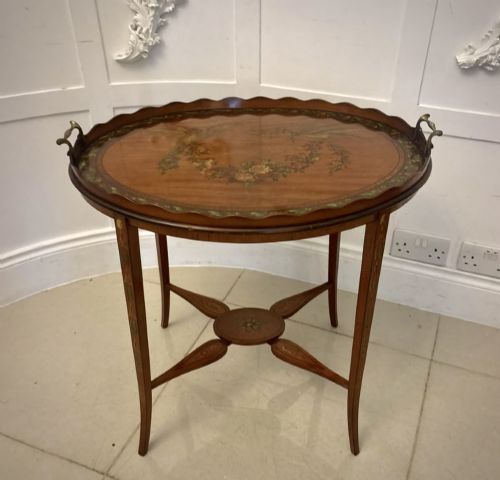
When you search for an antique brass tea table, you encounter folding tray tops, inlaid timbers, and folding mechanisms designed for service.
Antique Brass Tea Table
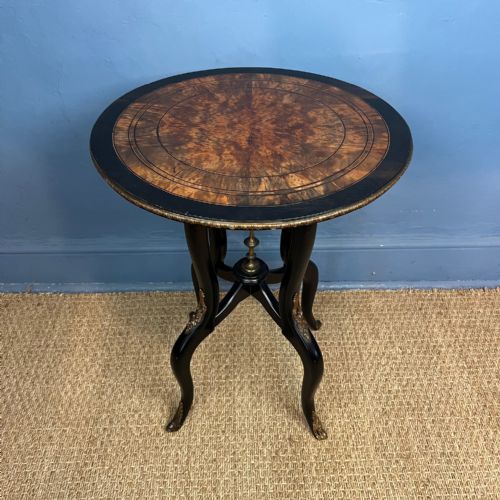
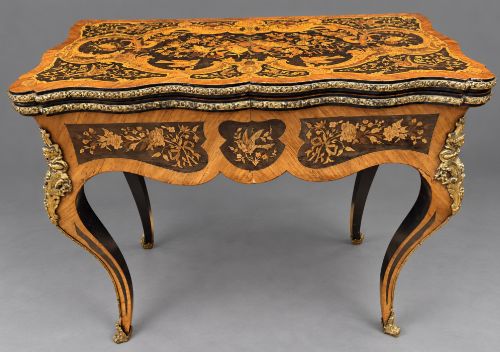
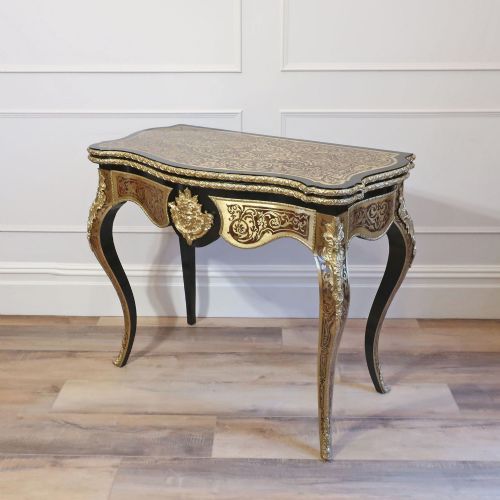
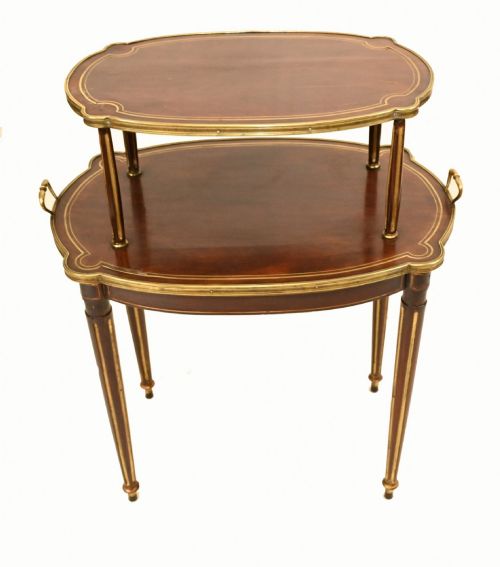
The antique brass tea table category encompasses various forms designed for social service and hospitality, primarily folding tray tables, card tables, and occasional tables featuring brass work. These pieces span from the Georgian and Regency periods into the Edwardian and early twentieth century, showing British, French, and Anglo-Indian origins.
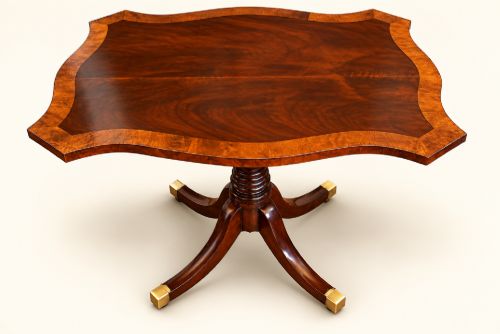
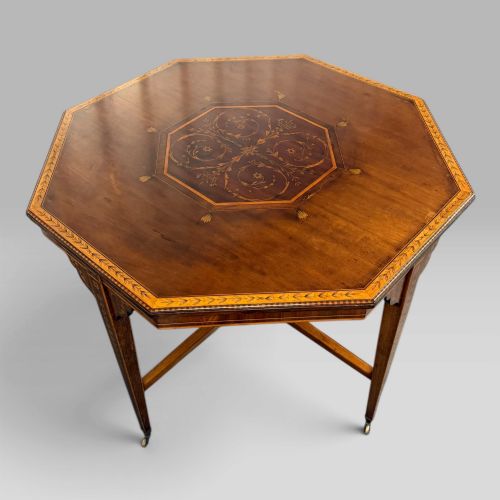
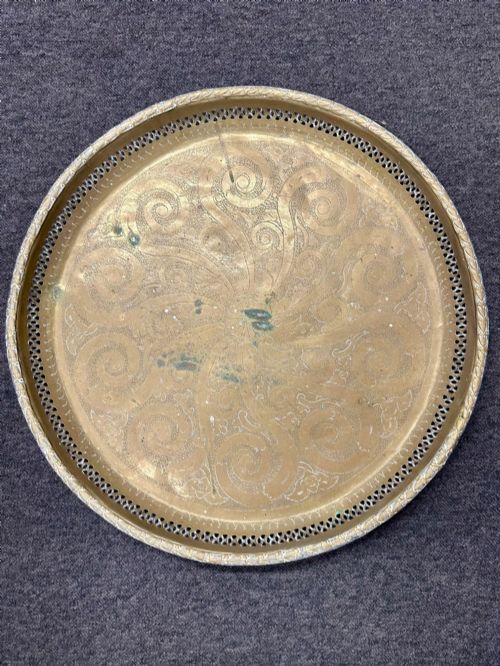
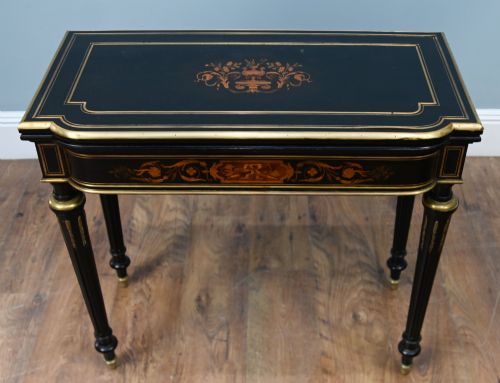
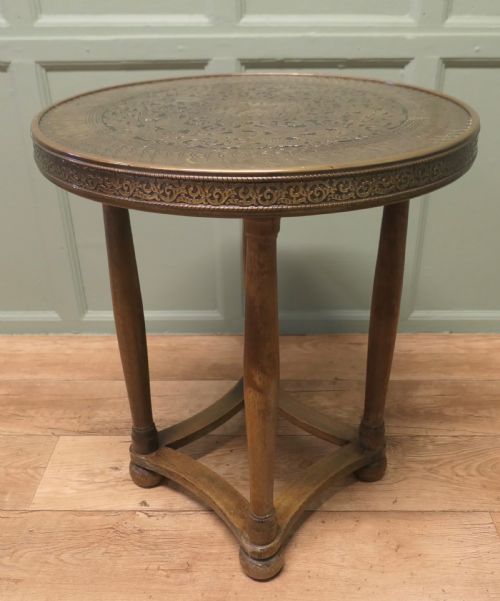
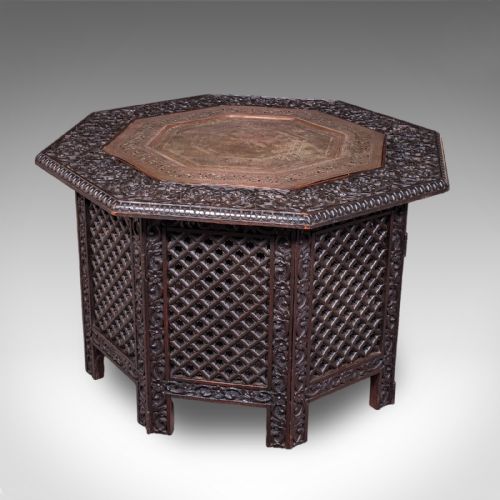
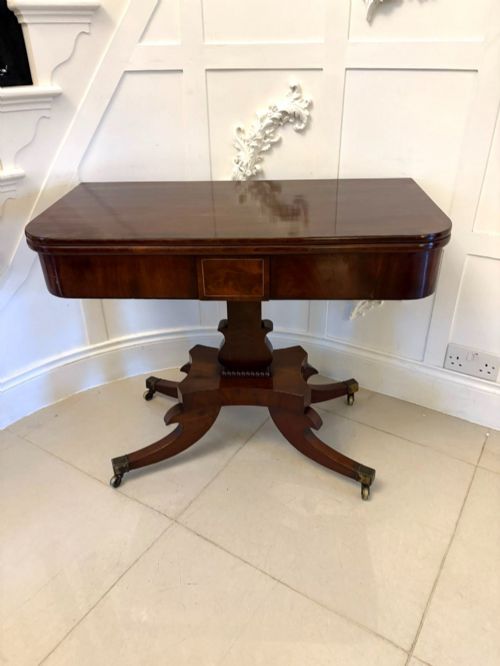
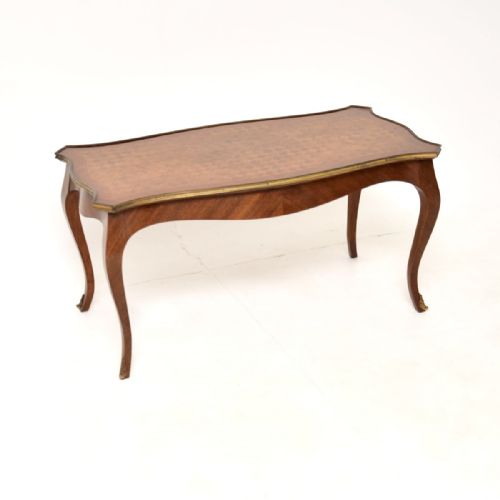
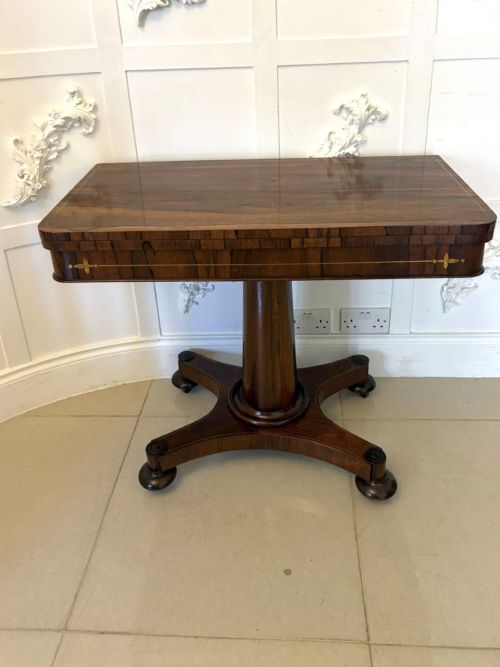
The version you are most likely to meet on this page is a nineteenth-century Regency rosewood or mahogany table decorated with brass inlay, or an early twentieth-century Anglo-Indian folding tray table with an engraved brass top. These surfaces often double as card tables, games tables, or low coffee tables depending on how previous generations adapted them for domestic use.
Makers and workshops utilised exotic hardwoods such as satinwood, ebony, and teak alongside brass mounts, sabots, and castors. Regional variations include the intricate woodwork of Hoshiarpur alongside European pedestal bases and fold-over mechanisms.
Assessing quality and execution
Quality reveals itself in the precision of the brass inlay and the selection of figured timber veneers. Superior examples display seamless flush-fitting brass stringing into dense grain rosewood or mahogany, whereas simpler pieces rely on surface engraving alone.
Structural integrity of the mechanism differentiates fine pieces, whether a crisp fold-over hinge on a card table or a stable, well-balanced folding base on a removable tray table. The refinement of secondary details such as brass castors, sabots, and hand-chased tray rims indicates the original workshop standard.
Antique Brass Tea Table Retail Price Guide 2026
Typical asking prices for brass tea table among the pieces listed under this phrase on Sellingantiques today, from the lower quarter to the upper quarter. They describe what is for sale here now, not the wider market.
Materials recorded across the inventory include solid brass, mahogany, rosewood, teak, satinwood, ormolu, and ebonised hardwood.
George Bullock·François Linke
The Antique Brass Tea Table Glossary
- Brass inlay
- Technique where thin strips of brass are set flush into channels carved into wooden table surfaces to create geometric or floral patterns.
- Fold-over table
- A table design featuring a hinged top that doubles the surface area when opened, frequently utilised for card and tea service.
- Tray top
- A removable or fixed table top with a raised rim, designed to secure vessels and prevent items from sliding off during service.
- Sabot
- A protective brass or ormolu sleeve fitted to the base of furniture legs, often incorporating castors for mobility.
- Teapoy
- A small pedestal table or box originally designed to hold containers of tea, developing into various occasional and work table forms.
Antique Brass Tea Table: Frequently Asked Questions
What is an antique brass tea table?
An antique brass tea table is a piece of furniture incorporating brass elements, such as inlaid stringing, mounts, or entirely metallic engraved trays, designed historically for serving refreshments.
These items range from British Regency fold-over mahogany and rosewood tables to collapsible Anglo-Indian and Middle Eastern tray tables produced around the turn of the twentieth century.
How were these tables used originally?
These tables served primarily in domestic parlours and drawing rooms for afternoon tea, evening card games, and social entertaining. Folding mechanisms and removable trays allowed servants to transport refreshments easily between rooms before setting them up on stands.
Over time, many lower folding tray versions transitioned into modern coffee tables for living spaces.
How do I identify a Regency brass inlaid table?
Regency tables typically feature dark dense timbers like rosewood or mahogany paired with symmetrical brass line inlay, sabots, and pillar-and-scroll or pedestal bases. Cabinetmakers during this early nineteenth-century period favoured classical proportions and contrasting light wood stringing.
Examining the joinery beneath the top often reveals period construction techniques distinct from later Edwardian or twentieth-century reproductions.
Are brass tray tables stable?
Stability depends largely on the base construction, with pedestal and four-leg frame models offering rigid support for daily use. Folding wooden stands designed for removable brass trays rely on proper cross-bracing to remain secure when assembled.
Ensuring the hinges and folding joints are properly adjusted maintains their daily functionality in a modern room.