


Glazed Porcelain Sculpture
Glazed porcelain sculpture brings figurative form and lustrous surface together, capturing figures, animals, and mythological subjects across centuries of European and Asian artistry.
Glazed Porcelain Sculpture
A glazed porcelain sculpture represents three-dimensional modelled forms shaped from refined ceramic paste and finished with a vitrified coating. Collectors searching for glazed porcelain sculpture encounter European factory productions alongside Asian ceramic traditions.
The selection ranges from eighteenth-century figures and nineteenth-century animal studies to twentieth-century Art Deco dancer models and table lamps. Birds, dogs, human figures, and deities dominate the available forms.
European works span German, French, English, and Italian workshops, while Asian pieces include Chinese Qing Dynasty works and Japanese Meiji period okimono. These objects function as decorative ornaments and sculptural centerpieces.
Materials and construction methods
Sculptors shaped these pieces using hard-paste porcelain, soft-paste porcelain, or related ceramic bodies, often adding glaze, enamel, and gold leaf highlights. Kiln firing vitrified the body before artisans applied surface decoration.
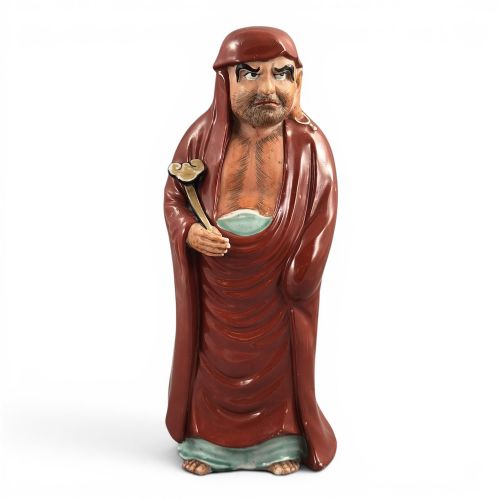
Makers utilised transparent and coloured glazes, including sancai and turquoise variants, to seal the ceramic and provide glossy depth. Overglaze enamels and gilding were frequently added in subsequent lower-temperature firings.
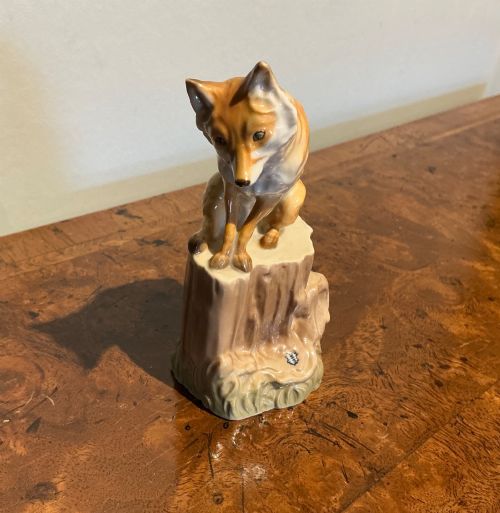
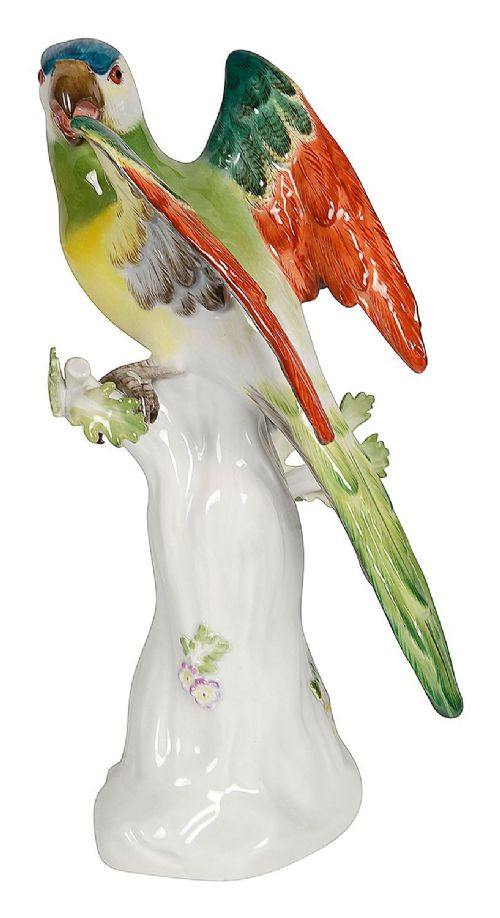
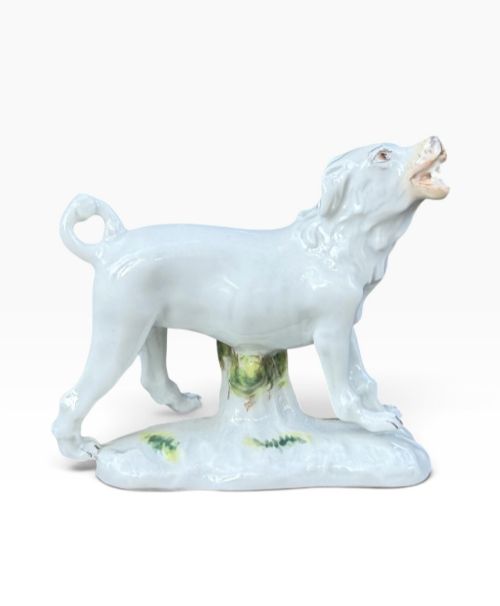
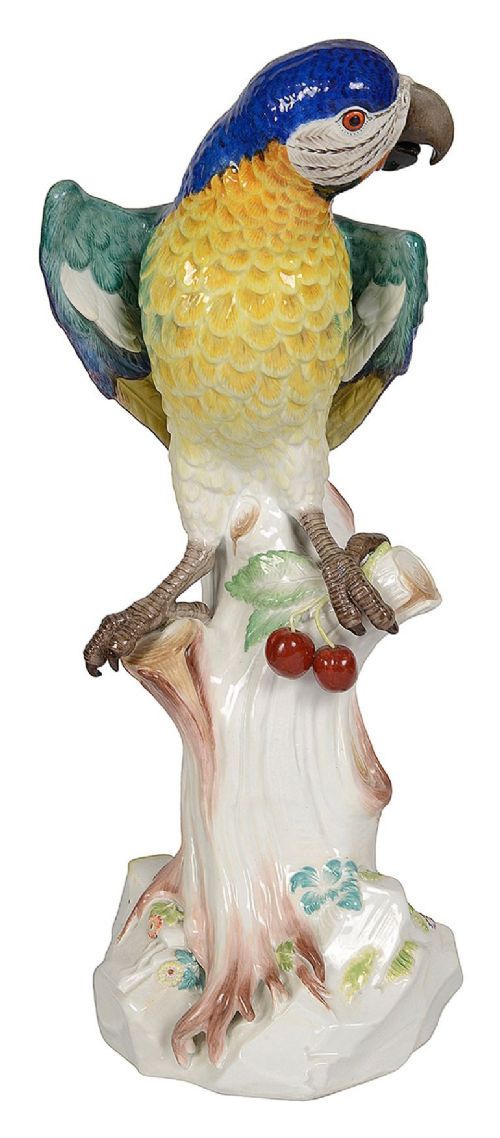
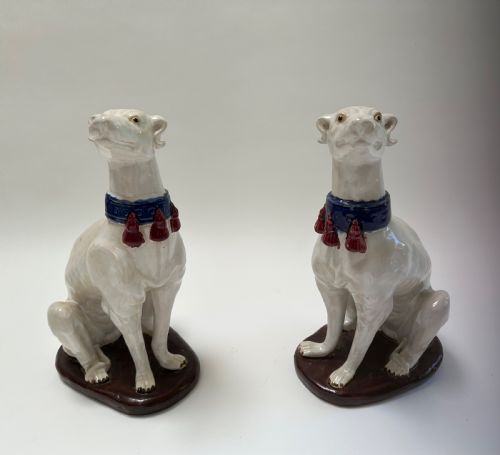
Among the menagerie of glazed porcelain sculpture, watchful parrots and attentive dogs hold their ground against a ceramic ape.
Distinctions in quality and execution
The precision of the modelling separates superior examples from routine commercial output, particularly in the rendering of facial expressions, drapery folds, and anatomical detail. Master modellers achieved a lifelike presence that lesser factory hands missed.
The control shown during the glazing and firing process dictates surface success, where even coverage and subtle colour variation elevate the piece. The crispness of hand-painted enamels and the preservation of gilt accents further distinguish the finest items.
Nymphenburg·Meissen·Royal Dux Bohemia·Royal Worcester·Fürstenberg
The Glazed Porcelain Sculpture Glossary
- Hard-paste porcelain
- A dense, vitrified ceramic body composed of kaolin and petuntse fired at very high temperatures. It resists scratching and yields a ringing sound when struck.
- Sancai
- A three-colour glaze tradition typical of Chinese ceramics, commonly combining amber, green, and cream tones. These glazes frequently intermingle on the surface during firing.
- Okimono
- A Japanese decorative freestanding sculpture designed for display in an interior setting. These carved or modelled figures depict people, animals, and mythical subjects.
- Bisque
- Unglazed porcelain fired once to a porous state, valued for its matte, marble-like surface texture. It is frequently employed for sculptural busts and figures.
- Enamel
- Coloured vitreous glass applied over a fired glaze or ceramic body and fixed in a muffle kiln. It allows for vibrant, detailed painted decoration on sculptural surfaces.
Glazed Porcelain Sculpture: Frequently Asked Questions
What is glazed porcelain sculpture?
These items are three-dimensional modelled figures and ornaments formed from ceramic paste and coated with a vitrified glassy layer. They include human representations, animals, and mythological subjects.
European factories and Asian kilns produced these works across multiple centuries, employing diverse glazing techniques to achieve varied surface finishes and colours.
How do I identify periods?
Period identification relies on stylistic indicators, modelling conventions, and the specific palette of glazes and enamels used by different centuries. Eighteenth-century figures often reflect Rococo or classical tastes, while later eras embrace Victorian or Art Deco aesthetics.
Maker marks, factory stamps, and base characteristics provide further clues to dating, though many older pieces rely on stylistic comparison.
Where were these pieces made?
Production centres span European nations including Germany, France, Italy, and England, alongside major Asian traditions in China and Japan. Different regions developed distinct paste compositions and sculptural styles.
European porcelain houses like Meissen and Royal Worcester worked alongside Chinese imperial kilns and Japanese Meiji period studios.
How should I display them?
These sculptures require stable display surfaces away from heavy traffic areas to prevent accidental impacts. Adequate lighting highlights the nuances of the glaze and the quality of the modelling.
Keeping pieces out of direct sunlight helps preserve delicate enamel colours and gilt highlights over time.