



Victorian Female Figurine
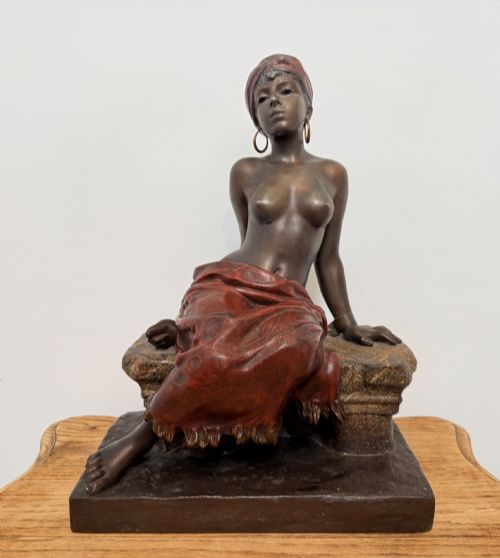
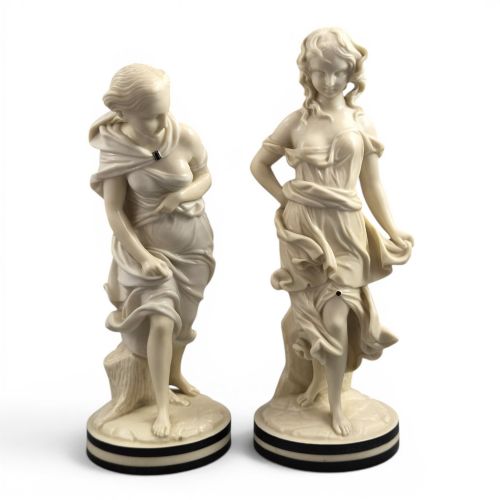
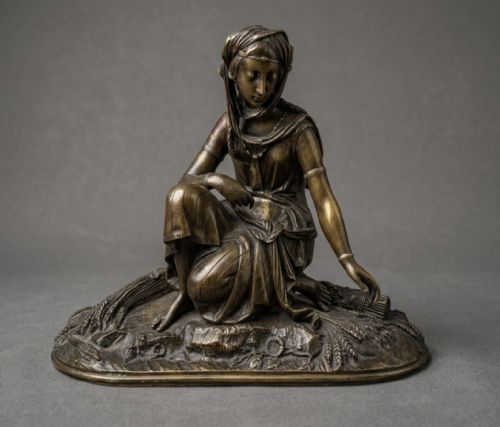
A victorian female figurine captures the grace of the era through bronze, porcelain, and marble.
Victorian Female Figurine
A victorian female figurine brings nineteenth-century craftsmanship into domestic spaces through sculptural depictions of classical, mythological, and everyday women. These figures take the form of tabletop bronzes, parian ware porcelains, and marble busts created during the height of the period.
The selections here range from factory-made English ceramics by Royal Worcester and Copeland to French foundry bronzes and Austrian plaster statues. Classical maidens, water carriers, and literary heroines dominate the subjects encountered in these listings.
Makers utilised diverse materials to represent female subjects, pairing patinated metals with marble stands or moulding unglazed porcelain to mimic carved marble. Each piece reflects the aesthetic priorities of nineteenth-century domestic ornamentation.
Materials and Methods
Foundries cast metal figures in bronze or spelter using traditional techniques, often applying patination to accentuate the drapery and hair of the female form. Marble and alabaster were hand-carved to produce portrait busts and statues with smooth textural contrasts.
Ceramic works combine slip-casting and moulding with manual finishing, particularly in parian porcelain and bisque wares developed during the nineteenth century. Painters and modellers added fine details in enamel and gold leaf before firing the porcelain bodies.
Victorian Neoclassical and Art Nouveau styles shape these sculptural forms.
Evaluating Quality
Porcelain quality depends on the purity of the parian paste and the precision of the surface finish, distinguishing mass production from carefully supervised factory output. Maker marks and artist signatures further separate standard commercial work from documented sculptural editions.
Royal Worcester·Copeland·Royal Dux·Sitzendorf·Bernard Bloch·E Villanis
The Victorian Female Figurine Glossary
- Parian porcelain
- A fine-grained, unglazed porcelain developed in the nineteenth century to imitate carved marble. It gained popularity for classical figures and portrait busts due to its warm, matte surface.
- Spelter
- A zinc alloy used as a cheaper alternative to bronze for decorative metal figures. It is often given a bronze-coloured patination to mimic heavier metal work.
- Bisque porcelain
- Unglazed ceramic fired once to produce a matte, porous texture resembling marble. It was widely used for European figural groups and decorative ornaments.
- Patinated bronze
- Metal sculpture treated with chemical solutions to produce a specific surface colour and tone. This process protects the metal while highlighting sculptural details.
- Terracotta
- Fired clay moulded into sculptural forms and left unglazed or painted. It provides earthy warmth and allows for expressive surface textures in figurative art.
Victorian Female Figurine: Frequently Asked Questions
What materials are used?
These figures employ bronze, marble, porcelain, parian ware, terracotta, and spelter. Each material offers distinct visual and tactile qualities suited to nineteenth-century domestic display.
Foundries and factories selected these substances to balance durability with the fine detail required for human representation.
How should I clean them?
Dust bronze and marble surfaces gently with a soft, dry brush to prevent the accumulation of grit. Avoid using water or chemical cleaners on unglazed parian or bisque porcelain.
Porcelain requires careful handling to protect delicate extremities and painted details from abrasion.
How do I spot reproductions?
Examine the base and casting seams for signs of modern manufacturing methods or mismatched materials. Period pieces exhibit age-appropriate wear and authentic foundry marks or maker stamps.
Unsigned works rely on style, weight, and material composition to confirm their nineteenth-century origins.
Where were they displayed?
Victorians placed these figures on mantelpieces, pedestals, and side tables within formal parlours and libraries. They served as conversation pieces reflecting classical education and artistic taste.
Smaller figures occupied display cabinets while larger bronzes stood independently on dedicated marble bases.