
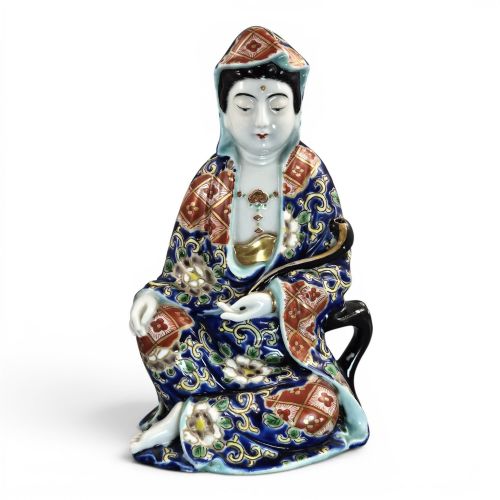
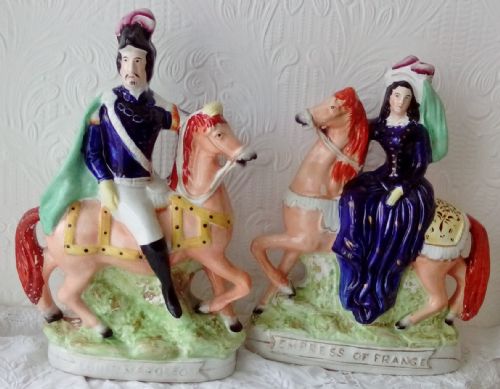
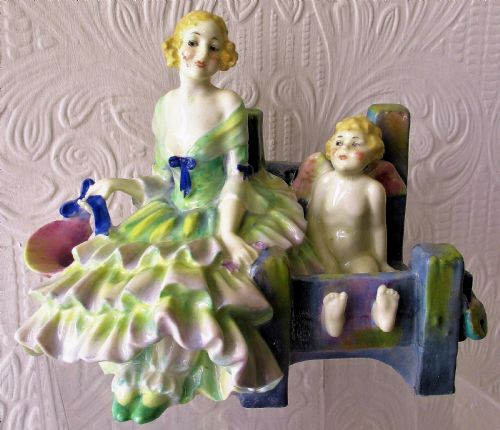
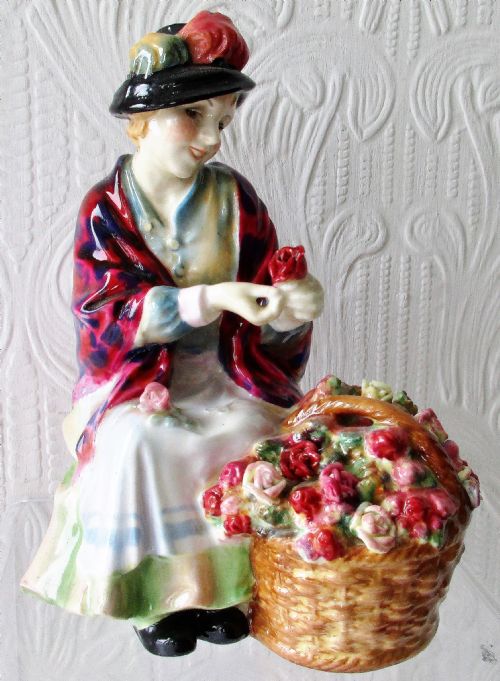
Glazed Porcelain Ornaments
Glazed porcelain ornaments bring together figures, animals and spill vases spanning Victorian, Edwardian and Art Deco periods for collectors.
Glazed Porcelain Ornaments
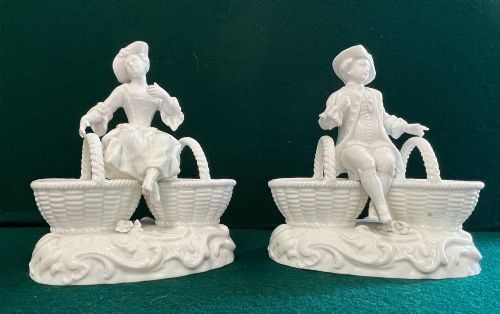
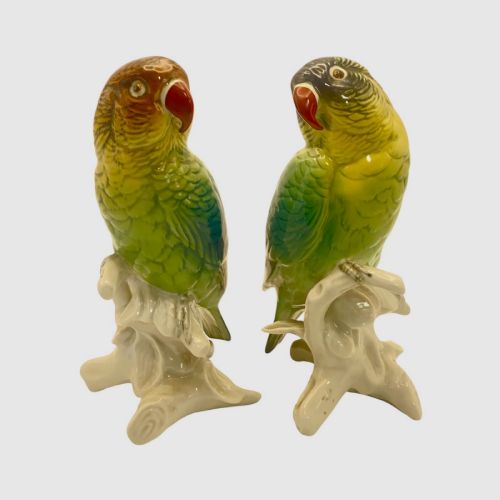
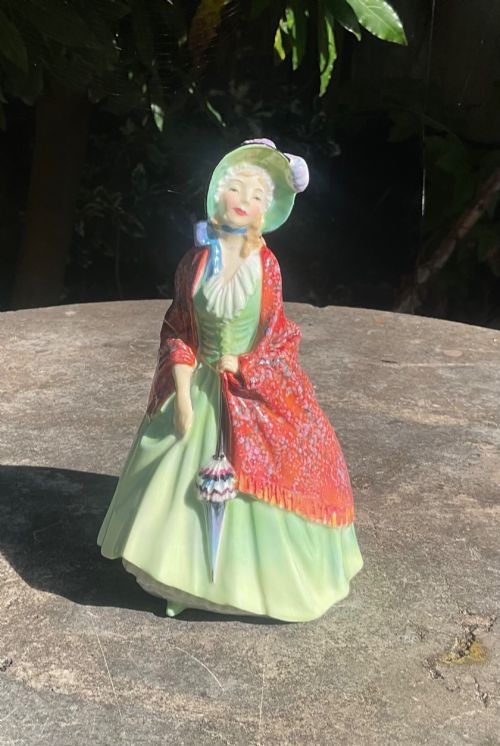
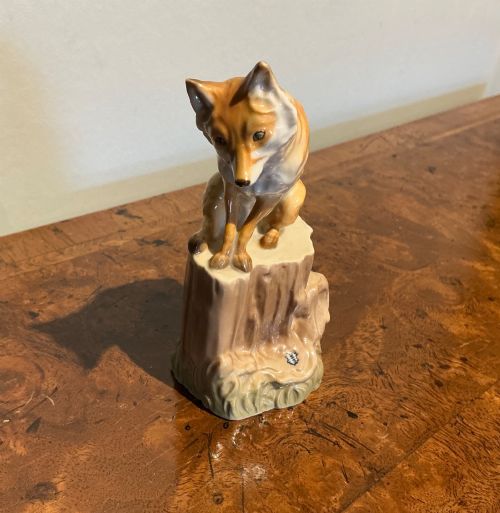
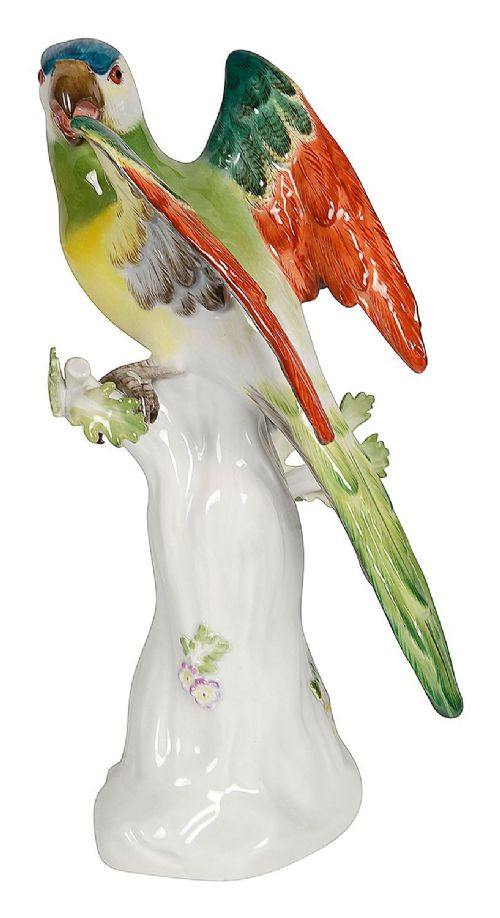
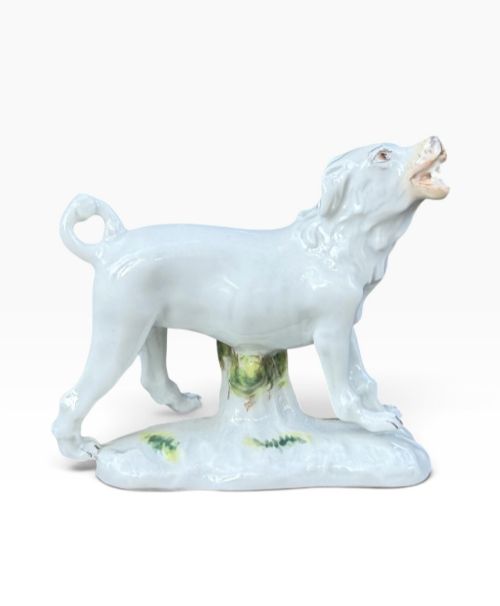
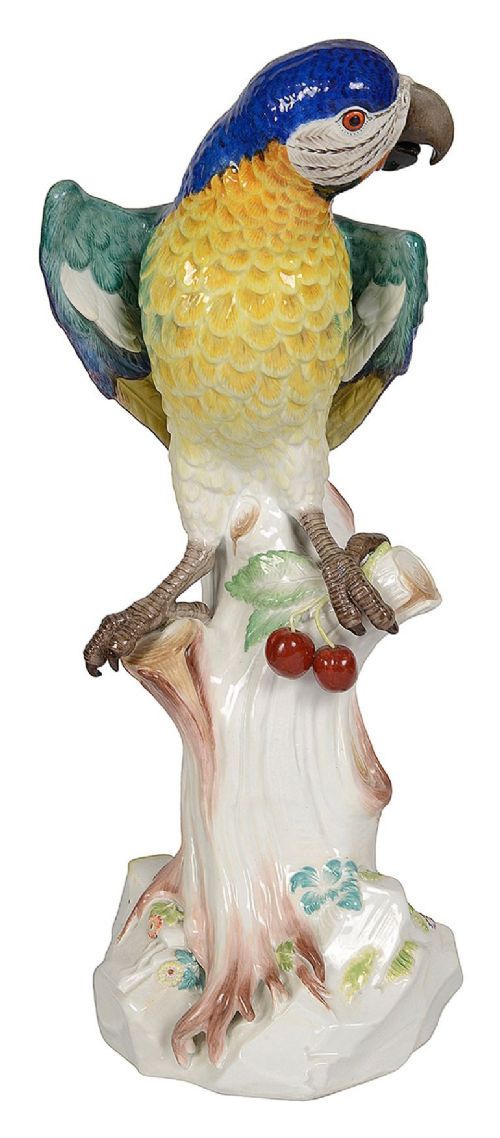
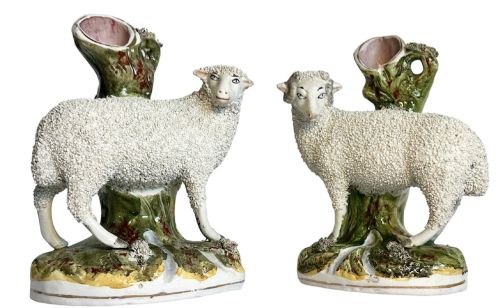
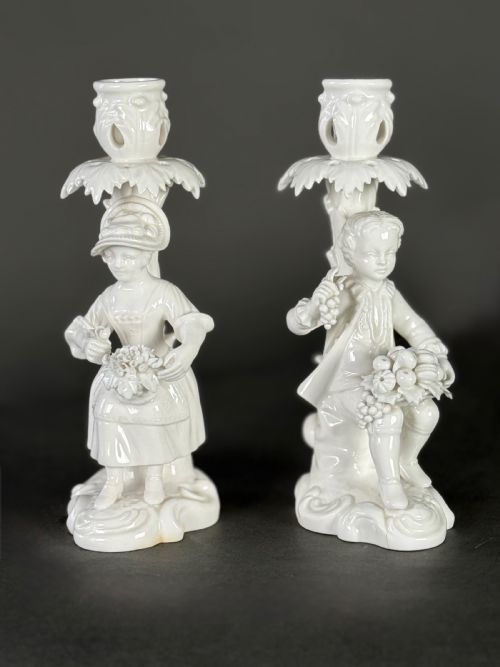
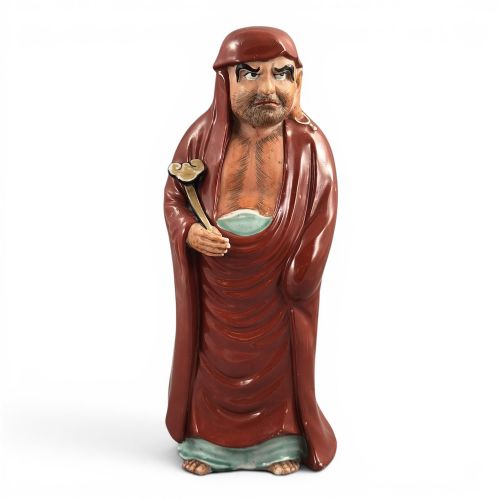
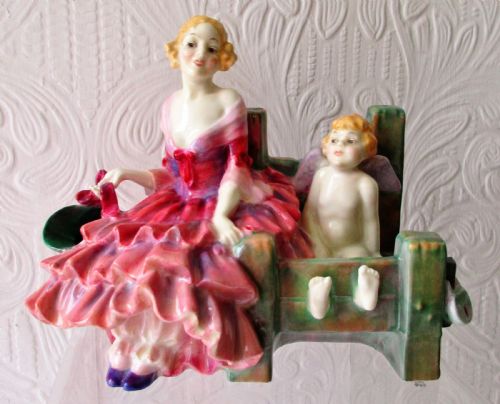
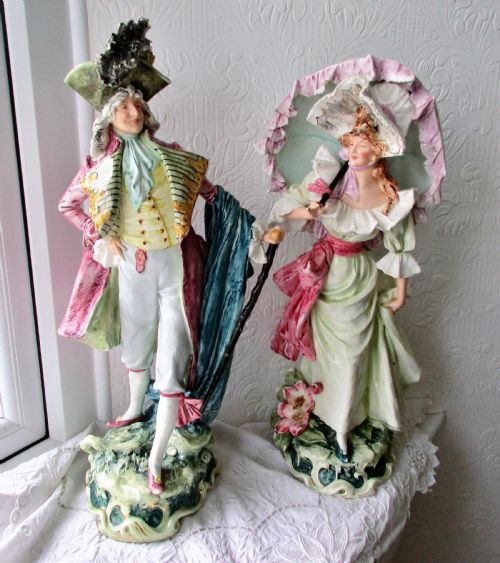
When you search for glazed porcelain ornaments, you encounter a diverse array of sculptural objects ranging from 19th-century figures to 1930s works. These pieces encompass everything from Staffordshire dogs and sheep spill vases to intricate Meissen parrots and Royal Doulton figurines.
Makers such as Meissen, Royal Doulton and Nymphenburg represent the primary names you meet within this category. Collectors look to these specific origins to define the character and provenance of individual sculptural objects.
Materials and production methods
Hard paste porcelain and bone china form the structural body of many items, providing a durable white base for subsequent decoration. Soft paste porcelain and earthenware also appear, particularly in earlier French and Staffordshire pieces.
Glaze and enamel application defines the surface finish, sealing the ceramic body and adding colour through hand-painted details. Gold leaf accents and sancai glazes occasionally complement the primary vitreous coatings on select figures.
Listings feature porcelain, earthenware and bone china across Victorian, Edwardian and Art Deco periods.
Assessing quality in sculptural ceramics
Crispness of modelling separates superior figural work from softer, less defined casting. Superior pieces retain sharp facial expressions and clear drapery folds without distortion from the kiln.
Subtlety in enamel painting and the evenness of the glaze application indicate higher manufacturing standards. Hand-painted details executed with precision elevate the visual appeal of any ornamental figure.
Karl Ens·Royal Doulton·Nymphenburg·Meissen·Royal Dux·Thomas Parr·Vion and Baury·Bloor Derby·Royal Worcester·Rosenthal
The Glazed Porcelain Ornaments Glossary
- Spill vase
- A hollow ceramic holder designed to keep wooden spills near a fireplace for lighting candles or pipes. These often take the form of domestic animals or figures.
- Okimono
- A Japanese freestanding decorative carving or figure intended for display in a traditional interior. These objects showcase high levels of sculptural detail.
- Bisque
- Unglazed porcelain fired once to produce a matte, porous surface resembling marble. This finish is frequently utilised for portrait busts and classical figures.
- Hard paste
- A durable ceramic composition of kaolin and petuntse fired at high temperatures. It yields a dense, impermeable body that resists scratching.
- Soft paste
- An artificial porcelain mixture fired at lower temperatures than hard paste. It possesses a warmer lustre and a slightly softer body.
Glazed Porcelain Ornaments: Frequently Asked Questions
What are glazed porcelain ornaments?
These pieces comprise sculptural figures, animals and decorative objects shaped from ceramic bodies and coated in a vitreous glaze. They serve purely decorative purposes within domestic interiors.
Examples range from Staffordshire dogs to intricate European porcelain parrots and Japanese figures.
How do I identify the maker?
Makers mark their porcelain using impressed stamps, painted monograms or blue underglaze symbols on the base. Researching these specific marks helps determine the factory and production era.
Stylistic traits and modelling techniques also offer strong clues to the origin of unmarked pieces.
Where were these ornaments displayed?
Victorian and Edwardian households placed these ceramic figures on mantelpieces, side tables and within display cabinets. Spill vases specifically sat near hearths to serve a dual decorative and practical function.
Larger centrepieces adorned dining tables or large entrance furniture during formal occasions.
How do I care for antique porcelain?
Dust these items gently with a soft, dry brush to prevent the accumulation of dirt on glazed surfaces. Avoid using harsh chemical cleaners or submerging pieces with delicate enamel or gold leaf.
Display them away from direct sunlight and areas prone to accidental knocks.