



Hand Painted China Figures
Hand painted china figures bring expressive character and traditional craftsmanship to any room, offering delightful ceramic detail from centuries past.
Hand Painted China Figures
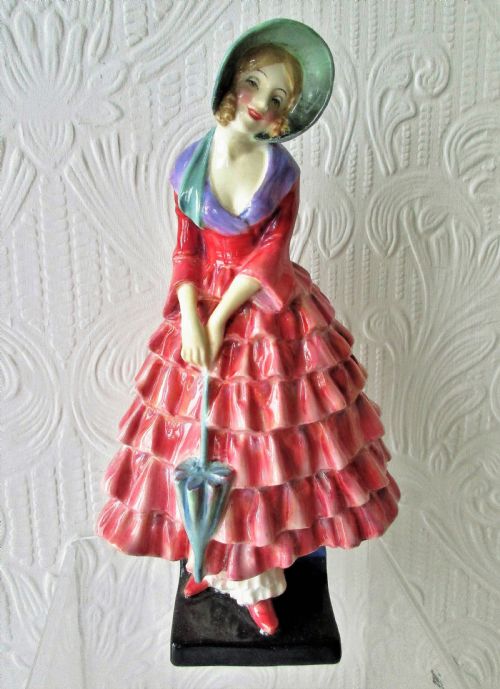
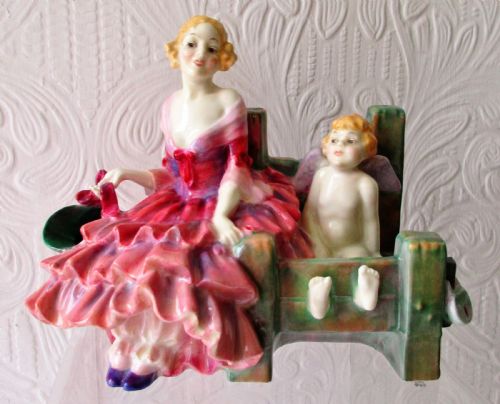
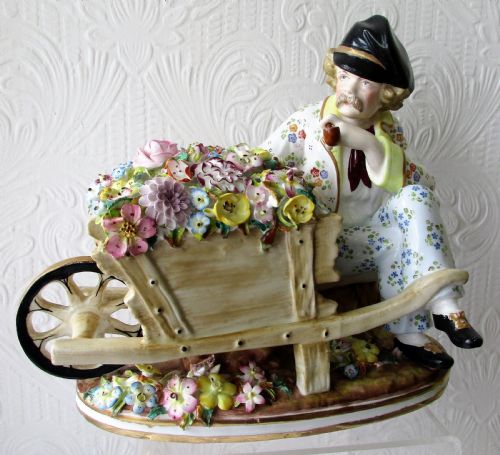
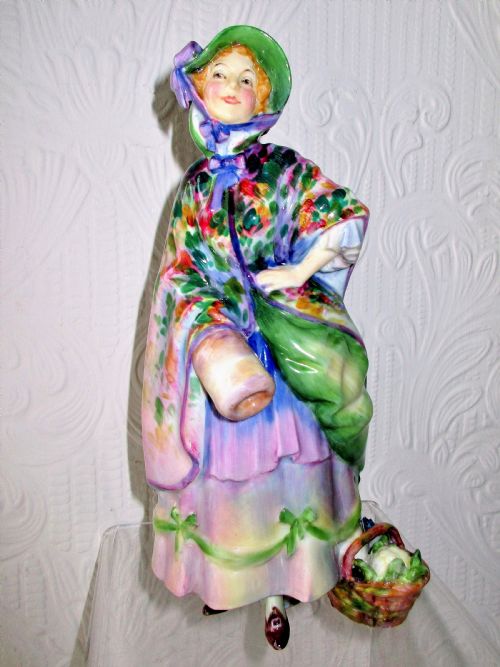
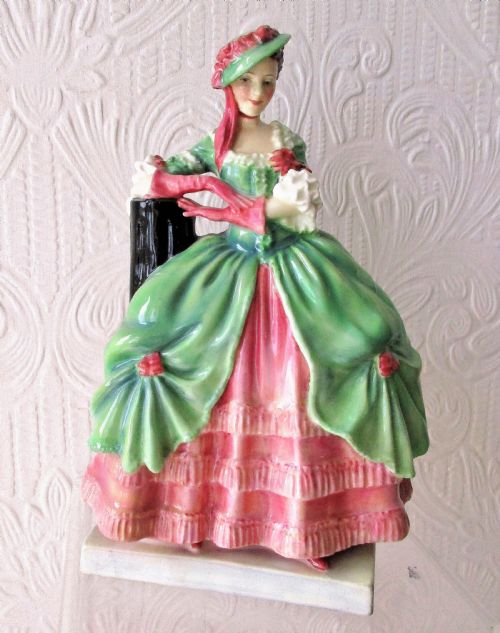
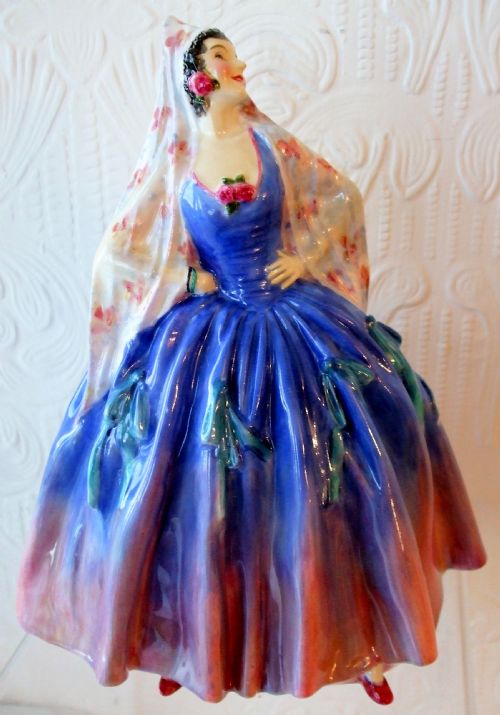
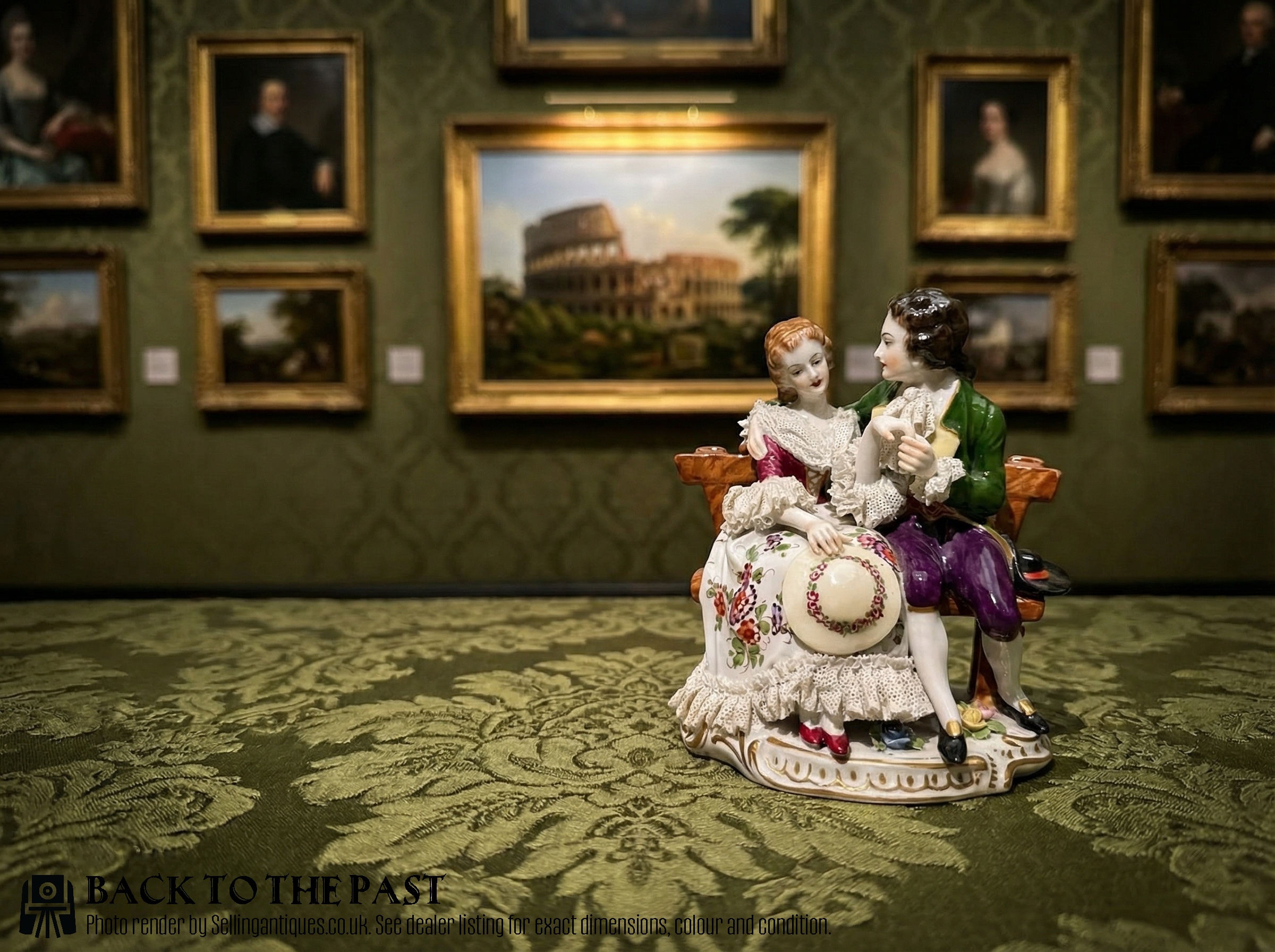
When you search for hand painted china figures, you encounter a diverse array of decorative statuettes, figurines, and tableware originating from eighteenth-century enterprises through to twentieth-century potteries. The pieces available range from early English sauce boats and coffee cups decorated with Mandarin figures to Victorian pastoral statuettes and twentieth-century English porcelain character studies.
You are most likely to meet mid-twentieth-century English porcelain figurines alongside nineteenth-century continental figures modelled in various revival styles. These objects capture human figures, allegorical subjects, and children in garden settings, reflecting the prevalent decorative tastes of their respective periods.
How they were made
Potters and modellers utilised porcelain, bone china, and soft-paste porcelain as the primary body materials, shaping them into complex sculptural forms and functional vessels before firing. Biscuit porcelain was also utilised for unglazed statuettes, offering a matte finish that emphasised the modelled contours of the figures.
Artisans applied coloured enamel paints and gold leaf by hand over or under the ceramic glaze, sealing the pigments during a subsequent kiln firing. This detailed painting technique defined the facial expressions, garments, and floral motifs seen across the inventory.
Listings feature porcelain, bone china, and enamel across periods spanning the eighteenth, nineteenth, and twentieth centuries.
What varies in quality
The sharpness of the modelling and the crispness of the porcelain paste reveal the skill of the original workshop. Pieces cast from worn moulds or possessing heavy, indistinct details lack the vitality and precision found in superior examples.
Royal Doulton·John Bevington·Bow Porcelain·Chelsea Anchor Mark·Chantilly·Helena Wolfsohn·Volkstedt·Minton·Meissen
The Hand Painted China Figures Glossary
- Bone china
- A type of soft-paste porcelain containing bone ash, known for its bright white body and durability.
- Biscuit porcelain
- Unfired or single-fired porcelain left unglazed, resulting in a matte, marble-like surface texture.
- Enamel
- Opaque or translucent glass-based paint applied to the surface of fired porcelain and fixed in a muffle kiln.
- Soft-paste porcelain
- An artificial porcelain composition fired at lower temperatures than hard-paste, common in early English factories.
- Candelabra
- Branched lighting fixtures incorporating decorative figural supports moulded from porcelain.
Hand Painted China Figures: Frequently Asked Questions
What periods do these figures come from?
The pieces span from the eighteenth century through the nineteenth century and into the twentieth century. They encompass early English soft-paste productions and later Victorian and Art Deco works.
Most items originate from the nineteenth century, reflecting historical revival styles such as Rococo and Georgian forms alongside mid-twentieth-century English porcelain output.
How were these figures used originally?
These pieces served primarily as decorative ornaments displayed on mantelpieces, tables, and cabinets within prosperous homes. Some objects, such as sauce boats and coffee cups, combined functional utility with painted figural decoration.
Figurines often depicted allegorical subjects, pastoral scenes, or literary characters to provide visual interest and conversation points in domestic interiors.
How should I clean porcelain figures?
Dust porcelain figures gently with a soft, dry brush to prevent the accumulation of particles on delicate painted surfaces and protruding details. Avoid harsh cleaning agents or abrasive cloths that might damage the enamel paints or gold leaf.
Keep pieces away from direct sunlight and areas of high humidity to preserve the integrity of the glaze and pigments over time.
How can I tell different factory styles apart?
Factory styles often reveal themselves through the specific modelling techniques, the composition of the porcelain paste, and the characteristic palette of the enamel painting. Continental workshops frequently utilised distinct sculptural forms and allegorical themes.
English manufacturers developed their own interpretations of earlier European styles, combining bone china bodies with twentieth-century character naming and numbering systems.