



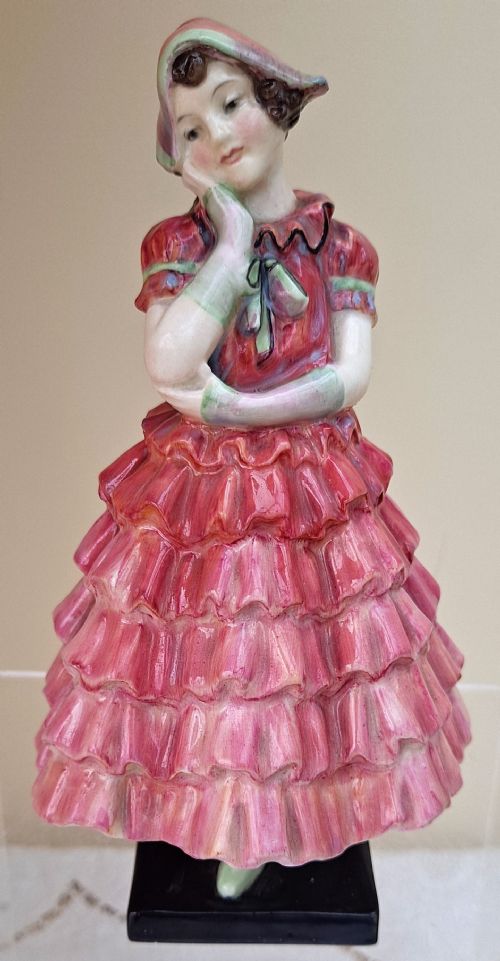


Art Deco Porcelain Lady
An art deco porcelain lady brings the bold geometric spirit and stylish figures of the interwar years directly to a dressing table or cabinet.
Art Deco Porcelain Lady
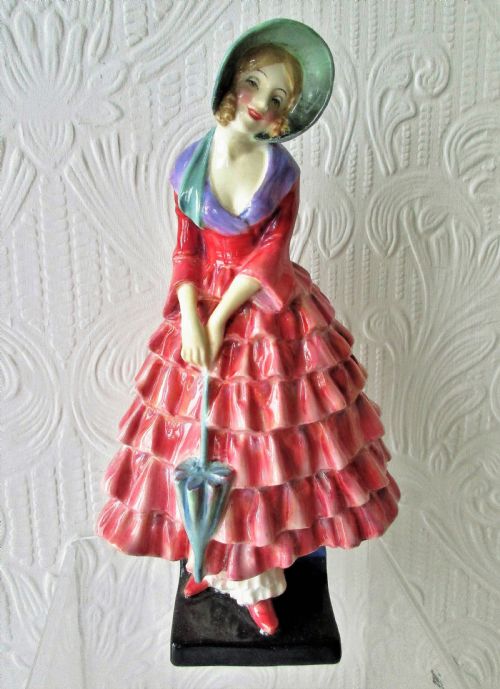
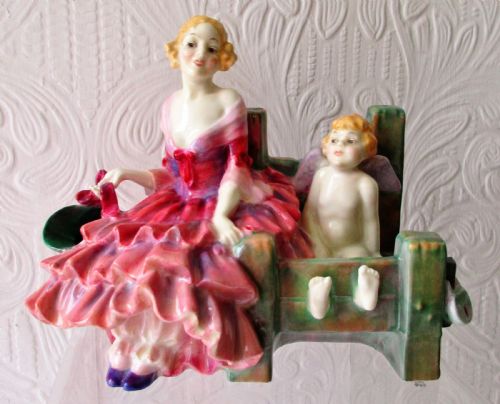
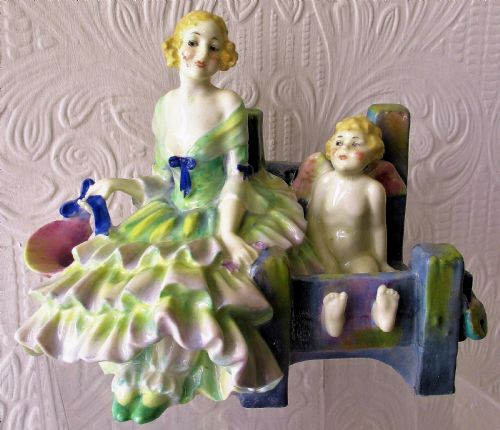
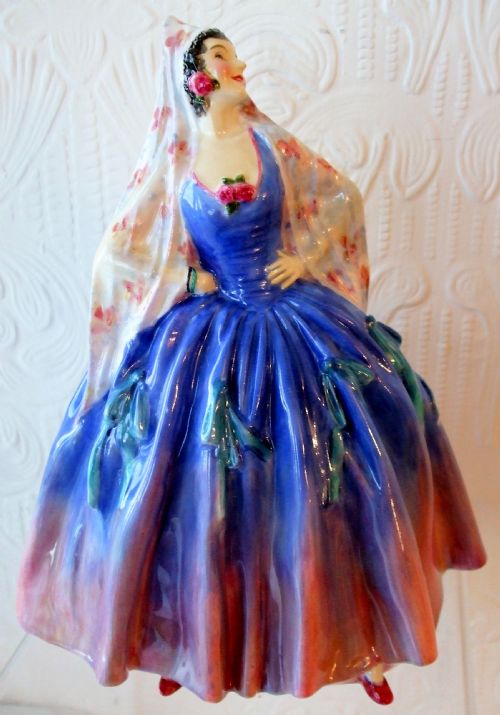
When searching for an art deco porcelain lady, collectors encounter figures, powder bowls, trinket boxes, and vanity accessories created during the 1930 and 1940 periods. These pieces take the form of flapper girls, half dolls, bathing belles, and Spanish ladies rendered in distinct modernist profiles.
English and continental potteries produced these vanity items and decorative figurines to serve both functional and ornamental roles in the interwar home. The most frequent examples on this page are glazed ceramic and bone china figures originating from English manufacturers and continental workshops.
How they were made
Firing techniques allowed potteries to achieve both glossy finishes on powder bowls and matte textures on decorative busts. Factories across England, France, and Germany employed specialised painting and glazing methods suited to mass production and individual studio output.
The listings here feature pieces from the 1930 and 1940 periods in ceramic, porcelain, bone china, and glazed finishes.
What varies in quality
The standard of modeling defines the upper tiers of these figures, where facial expressions and hand-painted details display sharper execution and deeper character. Superior examples maintain crisp lines in moulded garments and precise application of gilt or gold leaf.
The richness and depth of the glaze separate standard production runs from finer studio pieces, especially on French and German powder boxes. Balance in design and the complexity of the figural grouping also distinguish exceptional vanity accessories from simpler trinket boxes.
Royal Doulton·Limoges·Fasold And Stuach·Hertwig Katzhutte
The Art Deco Porcelain Lady Glossary
- Flapper
- A term describing young women of the 1930s known for their energetic style and modern fashion, frequently depicted in these ceramic figures.
- Bone china
- A type of porcelain containing bone ash that produces a strong, milky-white body suitable for delicate figurine modeling.
- Bonbonniere
- A small ornamental box or jar originally designed for holding sweets, often topped with a figural lady lid.
- Half doll
- A ceramic torso without legs, commonly used as a cozy cover for tea cosies or attached to the lids of powder boxes and pincushions.
- Gilt
- A thin layer of gold applied to the surface of porcelain or ceramic to highlight decorative elements and borders.
Art Deco Porcelain Lady: Frequently Asked Questions
What is an art deco porcelain lady?
These pieces are ceramic and porcelain figures, powder bowls, and vanity items produced primarily during the 1930s. They depict fashionable women of the era in stylized poses.
Collectors find them shaped as dancers, flappers, and bathing belles serving both decorative and practical uses on dressing tables.
How were vanity powder bowls used?
Powder bowls sat upon dressing tables to hold loose cosmetic powder or trinkets within reach. The figural lady served as the handle for the lid.
Owners removed the upper half of the figure to access the ceramic bowl stored underneath.
Where were these pieces made?
Production centres spanned England, France, and Germany during the interwar period. English factories like Royal Doulton created glazed bone china figurines.
Continental workshops in France and Germany specialised in porcelain powder boxes and vanity accessories.
How do I date these figures?
Dating relies on maker marks, registration numbers, and stylistic markers typical of the 1930 and 1940 periods. Design elements such as flapper attire and geometric forms point directly to the art deco era.
Archival records for specific model numbers help narrow the production year.